

Place it at your lower back’s natural curve, snug, at belt line.
If you want real relief and better posture, learning how to use a lumbar support pillow is worth your time. I have coached hundreds of office teams and drivers on this simple tool. In this guide, I will show you how to use a lumbar support pillow the right way, why it works, and how to fit it to your body for all-day comfort.

Source: amazon.com
What a lumbar support pillow does
A lumbar pillow fills the natural curve in your lower back. This curve is called lumbar lordosis. When it is supported, your spine stacks well, and your core can work with less strain.
When you know how to use a lumbar support pillow, you protect the discs between your vertebrae. You also ease pressure on the sacrum and hips. This helps reduce slouching and keeps your head and shoulders in line.
The aim is a neutral spine. Your pelvis stays level. Your ribs sit over your hips. Your neck stays tall, not pushed forward.

Source: bn-link.com
Benefits and limits
The right fit often reduces stiffness and fatigue. Many people feel less mid-day back pain. Studies in office staff and drivers show better comfort and fewer breaks due to pain.
That said, a pillow is not magic. It will not fix weak muscles alone. It works best with movement breaks, good chair height, and foot support. Knowing how to use a lumbar support pillow helps you get the most from it.
How to choose the right lumbar support pillow
Pick a shape that matches your curve. If you are slender, a thin roll may be best. If you have a deep curve, a contoured pad can help.
Look for these features:
- Adjustable strap. Lets you lock height on your chair or car seat.
- Medium-firm foam. Memory foam should rebound and not collapse flat.
- Breathable cover. Mesh or cotton keeps your back cool.
- Size fit. It should span the width of your low back, not the whole chair.
If you are not sure how to use a lumbar support pillow for your body type, start with a slim roll. You can add thickness with a small towel wrap.

Source: youtube.com
Step-by-step: how to use a lumbar support pillow in every setting
Here is how to use a lumbar support pillow the right way in common spots.
Office chair setup
- Sit back so your hips touch the seat back.
- Place the pillow so its thickest part sits at your belt line.
- Keep knees level with or slightly below hips.
- Put both feet flat on the floor or on a footrest.
- Keep screen at eye height to avoid leaning.
If the pillow pushes you forward, lower it by one inch. If you still slump, raise it by one inch. Small moves make a big change.
Car seat setup
- Slide your hips back in the seat.
- Place the pillow at belt line, not mid-back.
- Recline the seat a little, about 100 to 110 degrees.
- Bring the seat closer so your knee stays soft and your arms relax.
- Hold the wheel low and close to reduce shoulder load.
Long drives tire the back. Set a timer for micro-moves every 30 minutes. You will feel fresher and safer.
Couch or sofa setup
- Sit on the firmest cushion.
- Put the pillow at your low back curve.
- Place a small cushion under your feet if the seat is deep.
- Avoid slumping into the armrest for long stretches.
This is how to use a lumbar support pillow at home without overthinking it. Keep it simple and change positions often.
Bed or side-lying support
- If you read in bed, sit tall and place the pillow at belt line.
- If you sleep on your side, hug a pillow and place a small towel roll at your waist.
- If you sleep on your back, a thin roll under the low back can feel good. Use it for short rest, not all night, unless advised.
Knowing how to use a lumbar support pillow in bed is about comfort, not rules. If numbness or pain starts, change the setup.
Quick checks
- You should feel support, not pressure.
- Your ribs should not flare.
- You should breathe easy and relax your shoulders.
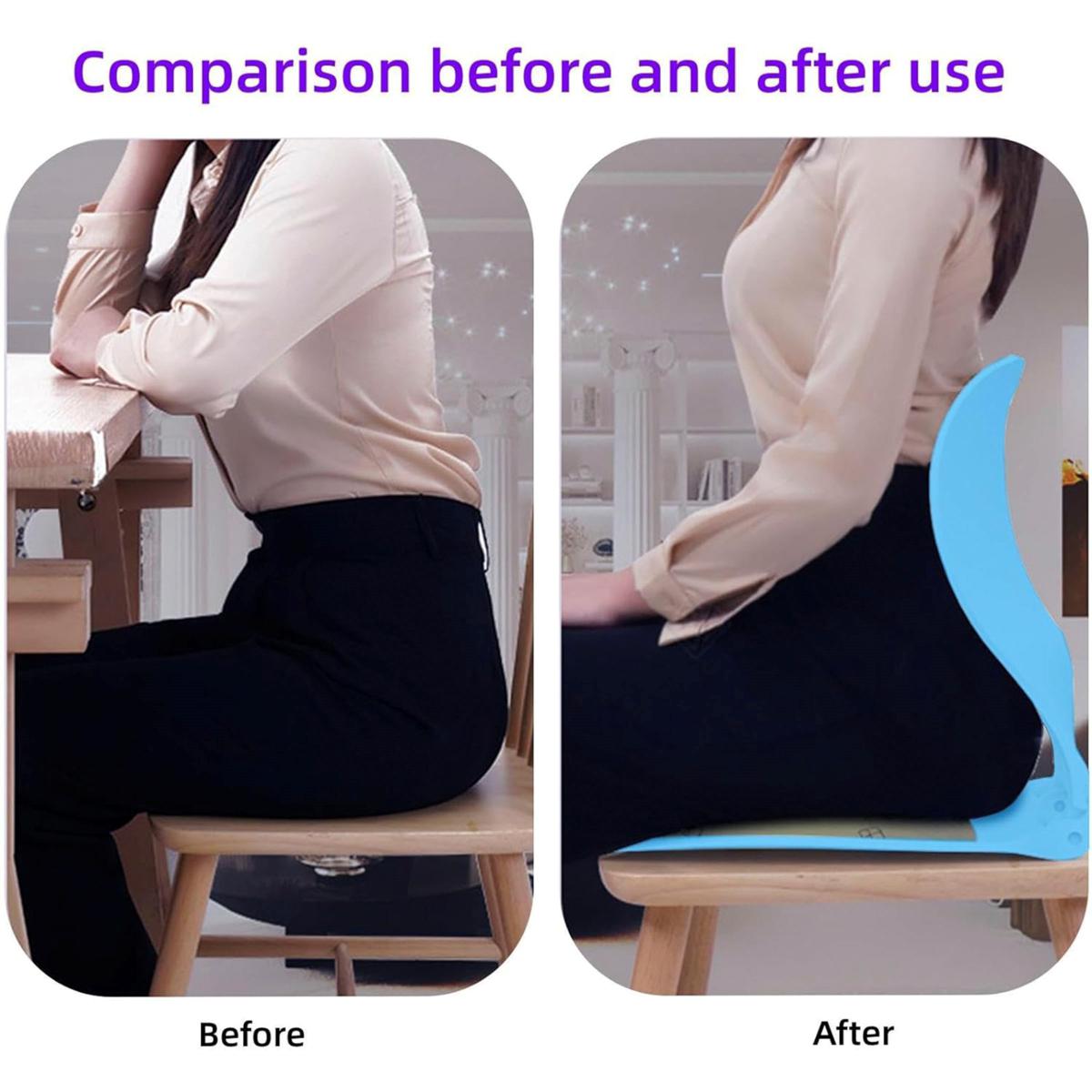
Source: hsn.com
Where should a lumbar pillow sit?
It should sit at your belt line, not mid-back. This lines up with your lumbar curve and keeps your pelvis neutral.
Should a lumbar pillow touch the chair back?
Yes. It should rest against the backrest so your hips and spine stack. Gaps cause slouching and hot spots.
Can you overuse a lumbar support pillow?
If it is too thick or too high, yes. Fix it by lowering the height or using a slimmer roll.
Common mistakes and how to fix them
- Pillow too high. Move it down to belt line. This is core to how to use a lumbar support pillow.
- Pillow too thick. Swap for a thinner roll. You should not feel wedged.
- Chair too low. Raise the seat so knees are level with hips.
- Feet hanging. Use a footrest. Floating feet strain the back.
- Leaning forward to see the screen. Raise the monitor and bring it closer.
In my work with a software team, we cut back pain complaints by half with these fixes. Small tweaks, big wins.

Source: youtube.com
Setup checklist and quick fit test
Use this 30-second check to confirm your fit:
- Hips back, back long, shoulders soft.
- Pillow at belt line, not higher.
- Two fingers can slide between chair edge and calf.
- Feet flat. Weight even on both sit bones.
- You can sit still for 10 seconds without bracing your abs.
If any box fails, adjust and retest. This is the fastest way to master how to use a lumbar support pillow day to day.

Source: bn-link.com
Care, cleaning, and lifespan
Most covers are washable. Remove the cover and wash on a gentle cycle. Air-dry to prevent shrinkage. Wipe foam with a damp cloth only.
Rotate the pillow every few weeks to spread wear. Replace it if it sags or loses rebound. When you know how to use a lumbar support pillow and care for it, it will serve you longer.

Source: reddit.com
Safety notes and when to seek help
Seek advice if you have new numbness, leg weakness, fever with back pain, or a recent injury. People with acute fractures, severe osteoporosis, or recent spine surgery should ask a clinician before use.
For sciatica, spinal stenosis, or pregnancy, start with a slim roll and short sessions. Learn how to use a lumbar support pillow with guidance if symptoms flare or if sitting triggers pain.
Frequently Asked Questions: How to Use a Lumbar Support Pillow
How long should I use a lumbar pillow each day?
Start with 30 to 60 minutes. Build up as comfort improves. Take movement breaks every 30 minutes.
What is the best height for placement?
Place the thickest part at your belt line. This matches your lumbar curve and avoids rib pressure.
Should I use a lumbar pillow with a standing desk?
Yes, keep one on your chair for sit periods. Switch between sitting and standing to reduce load.
Can a lumbar pillow help with sciatica?
It may ease sitting pain by keeping a neutral spine. Use a slim roll and test for comfort.
Is a towel roll as good as a store-bought pillow?
A towel roll works well to learn fit. A quality pillow holds shape better for daily use.
Conclusion
The right support at the right spot can change your day. Set the pillow at belt line, sit back, and keep your feet grounded. Add small breaks and screen tweaks, and you will feel the difference.
Try the steps in your chair and car this week. If you find a setup that eases your back, keep it. If not, refine the height or thickness and test again. Want more tips on posture and simple gear that works? Subscribe, share your questions, or leave a comment with your setup wins and hurdles.


