

If you sit for hours each day, you’ve felt it: that dull ache in your lower back that creeps in by afternoon. You adjust. You slouch. You cross your legs. Nothing sticks. Here’s the good news. Most people can fix this with one small change. The trick isn’t buying a pricey chair. It’s learning how to support the natural curve in your lower back the right way. Most people get this wrong. Let’s make it simple, and make it work for you today.
Affiliate Disclosure
Some links in this article may be affiliate links. If you buy through them, I may earn a small commission at no extra cost to you. I only recommend products I’d use myself. This helps support free guides like this one. Thanks for your trust.
Why Long Sitting Causes Back Pain
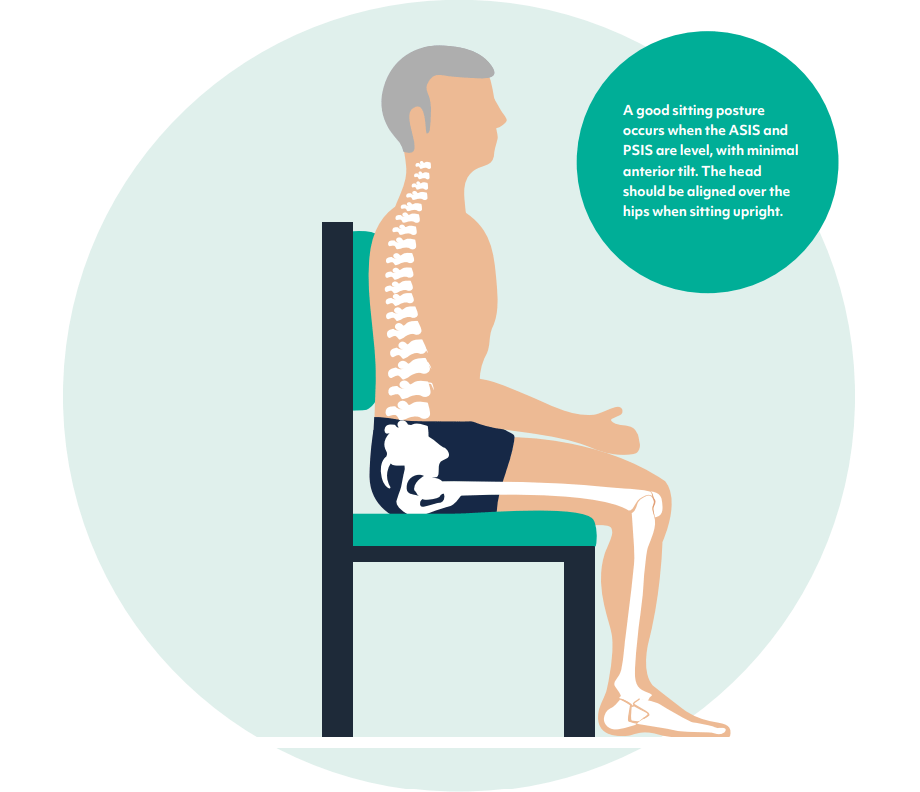
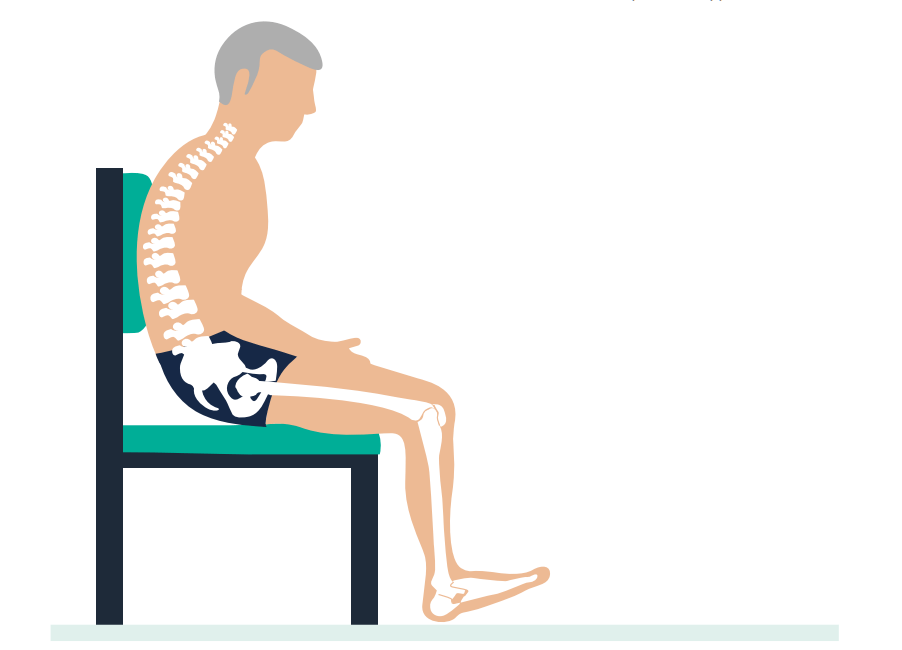
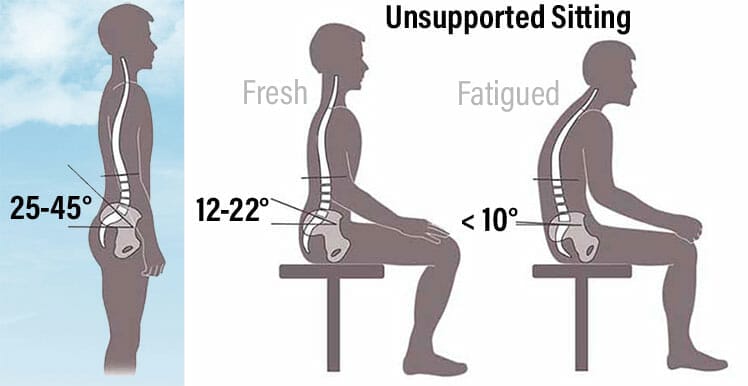
Long sitting seems easy. You’re not lifting anything. You’re not moving much. But your spine is doing quiet work the whole time. When you sit, the natural “S” shape of your spine flattens. Your lower back curve (the lumbar curve) tends to vanish.
As the curve fades, a few things happen:
- Your spine loses its natural curve, so the joints and discs take more load.
- Your back and core muscles get tired from holding you upright.
- Pressure builds in the lower back, which can feel like a deep, dull ache.
This slow pressure adds up hour after hour. That is why a normal workday can leave you sore. The fix is not to sit perfectly straight all day. The fix is to give your lower back light support so it can rest while you work.
How Lumbar Support Actually Helps (Most People Don’t Know This)
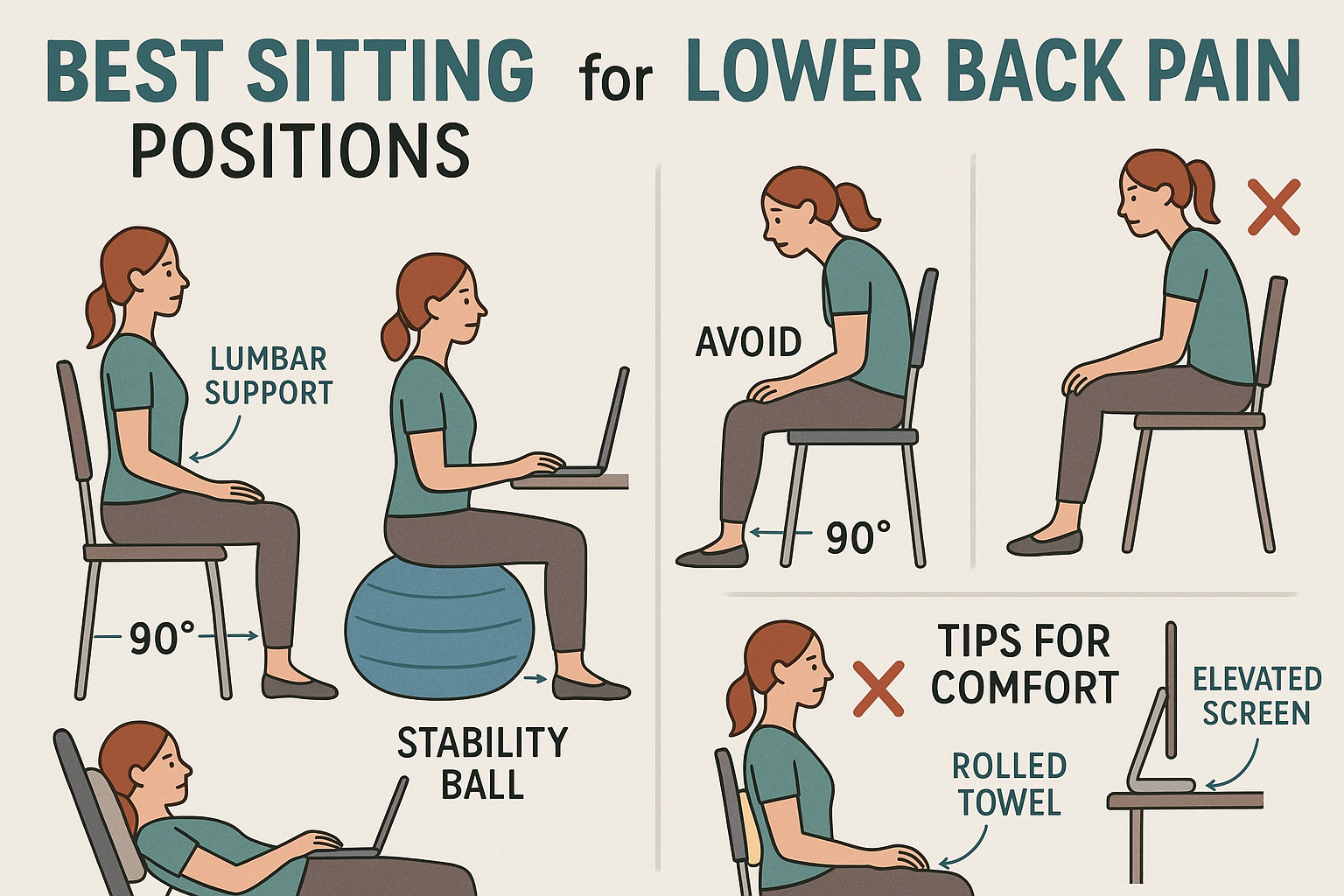
Lumbar support is simple. It fills the curve that should be in your lower back. Think of it like a gentle hand behind your belt line, reminding your spine to keep its shape. It’s a small change, but it can make a big difference.
Here’s what it does:
- It fills your lower back curve, so your spine keeps its natural shape.
- It reduces pressure on joints and discs, so strain drops fast.
- It supports good posture without effort, so your muscles can relax.
Many people expect a pillow to “fix” posture by pushing them bolt upright. That’s not the goal. The goal is a gentle nudge that lets your body stack well with almost no work. When done right, you feel supported, not forced.
Why Lumbar Support Doesn’t Work for Some People
If you tried lumbar support and it felt weird or did nothing, you’re not alone. It often fails for three simple reasons:
- Wrong placement: Most people place it too high, mid-back, where it does little. Or they place it too low, where it slips and loses support.
- Too thick cushion: A big, firm pillow can shove your spine forward. This feels stiff and can even cause more pain.
- Sitting forward: If you don’t sit fully back in the chair, the pillow won’t touch your back. No contact means no support.
The good news? Each issue has a quick fix. Place it right, choose a slim support, and sit back into it. That’s the simple fix that works.

The Gap Most People Miss
There’s a small hollow right above your belt line when you sit back. That’s the “gap” your lower back wants to fill. When that gap is empty, your spine flattens and pressure builds. When that gap is filled, your posture settles and your muscles relax.
If your support is even an inch off, you’ll feel off. If it’s a thick roll, you’ll feel it shove you forward. Aim for a small, gentle fill over that gap. It should feel like a soft “ahh,” not a shove.
Where to Place Lumbar Support (Simple Belt-Line Rule)
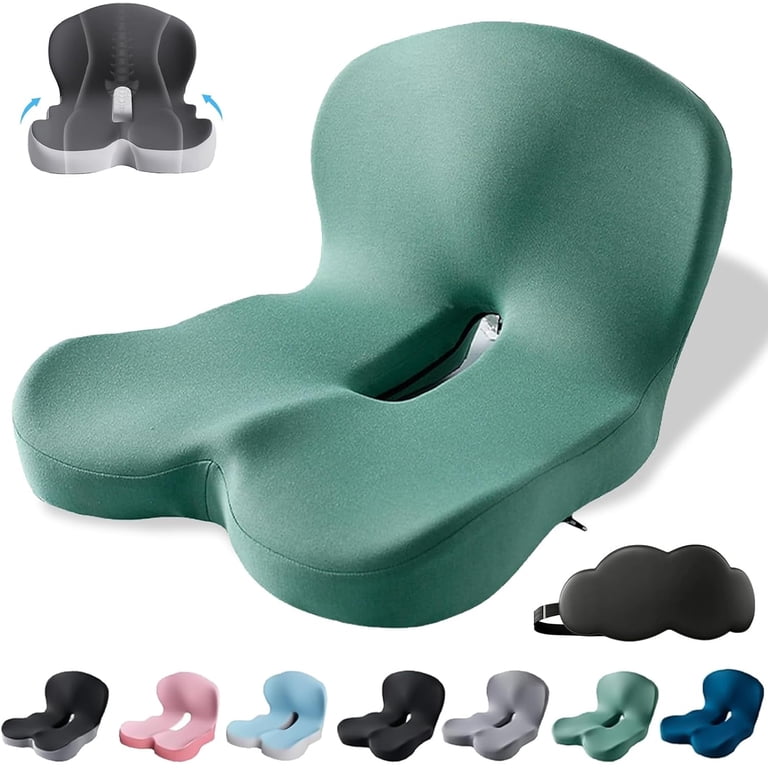
Here’s the belt-line rule: Place your lumbar support just above your belt line, where your lower back curves inward. Not mid-back. Not the tailbone. Just above the top of your hips, cradling that small inward curve.
Why this spot works:
- It supports your natural curve right where your spine needs it.
- It takes pressure off your discs and joints.
- It helps your upper body stack over your hips with less effort.
Once in place, slide your hips all the way back to the chair. The support should meet your back. If you feel it push you hard, it’s too thick or too high. Lower it a bit and try again.
.png)
How to Use Lumbar Support for Long Sitting (60-Second Setup)
You don’t need a long setup. Do this quick routine once and you’re set:
- Sit fully back
- Slide your hips all the way to the back of the seat. No gap behind you.
- Place support at your lower back
- Put the pillow or built-in support just above your belt line.
- Adjust height
- Move it up or down a half inch until it feels natural and easy.
- Check comfort
- You should feel gentle support, not a push. If you feel shoved forward, choose a thinner support or lower it slightly.
That’s it. Small change, big difference.

Common Mistakes That Make Sitting Worse
Avoid these traps. They’re common and they undo the benefits fast. Common ergonomic mistake:
- Too high placement
- A mid-back pillow won’t support your lower curve. It can even round your lower back more.
- Too low placement
- On your tailbone is too low. It slides and pressures the sacrum, not the lumbar curve.
- Pushing your spine forward
- Overstuffed pillows force your ribs up and your back tight. Go slim and soft to medium-firm. You want support, not a shove.
Also remember: If you sit at the edge of your chair, your support can’t help. Sit back and let it meet your spine.
Best Lumbar Support Options for Long Sitting
You don’t need to overspend. Start simple and scale up if needed.
- Lumbar pillows
- A slim, contoured pillow is the easiest upgrade. Look for adjustable straps so it stays put. Try low-profile memory foam or breathable mesh. It should be about the thickness of your hand, not a giant roll.
- Ergonomic chairs
- If you’re in your chair all day, a chair with built-in, adjustable lumbar can be worth it. Height and depth adjustments let you dial in that belt-line support. Still use the belt-line rule.
- Adjustable supports
- Inflatable lumbar pads let you fine-tune firmness. Great if multiple people use the same chair or if your needs change during the day.
Want help choosing? See our lumbar support guide for picks and sizing tips:
Keep it natural, not forced. If a support feels like overkill, it probably is. A little goes a long way.

Quick Setup Checklist
- Feet flat on the floor (or on a footrest)
- Hips all the way back in the chair
- Lumbar area gently filled just above the belt line
- Screen at eye level, keyboard close
- Elbows near your sides, shoulders relaxed
- Take a short standing or walking break each hour
FAQs
Can lumbar support reduce back pain?
Yes, for many people it can. Lumbar support reduces lower back strain by keeping your spine’s natural curve. It eases muscle fatigue and joint pressure during long sitting. It is not a cure-all, but it often makes sitting feel easier within minutes.
Should lumbar support be firm or soft?
Aim for soft to medium-firm. You want it to fill the curve, not push you forward. If it feels like it’s shoving your ribs up, it’s too firm or too thick. If you can’t feel it at all, it’s too thin or set too low. Adjust until it feels gentle and steady.
How long should I use it?
Use it any time you sit more than 20–30 minutes. There’s no strict limit. Many people keep it all day at a desk or in a car. Take movement breaks each hour. On days your back feels tight, a little extra support can be a simple fix that works.
Conclusion
Lumbar support is good for long sitting. It reduces lower back strain, improves posture, and helps your body relax into a natural shape. But it only works if placed correctly—just above your belt line, while you sit fully back. Start small, adjust slowly, and stop sitting the wrong way. You’ll feel the difference.


