

Support your back with neutral posture, firm support, steady movement, and strong core.
If you want to learn how to support back for comfort, you are in the right place. I help people fix daily habits, set up workspaces, and train smart. I will show you simple steps that work in real life. You will see what to do, what to avoid, and why it matters.
Understanding back support and comfort
Your spine likes balance. A neutral spine curves like an S, not a straight line. When you learn how to support back for comfort, you protect this shape. You spread load across discs, joints, and muscles. You ease strain and help your body heal.
Think of your spine like a tent mast. The guy lines are your core. When lines are even and snug, the mast stands tall. When one line is loose, the mast tilts. Your goal is to keep even support through the day.
Key ideas to remember:
- Neutral posture keeps your head over your ribs and your ribs over your hips.
- Your core includes your deep abs, back muscles, and glutes. They act as a brace.
- Movement is food for your spine. Joints need motion to stay happy.
Clinical guidance favors staying active. Gentle movement and smart support beat long rest. That is the base for how to support back for comfort.
Daily posture basics: sitting, standing, lifting
Small daily tweaks create big wins. This is where most people slip. Here is how to support back for comfort all day long.
Sitting:
- Set hips higher than knees by a little. This opens the hips.
- Sit back so your lower back touches a small roll or cushion.
- Keep feet flat and under your knees. Use a footrest if needed.
- Nudge your screen to eye level to avoid a bent neck.
Standing:
- Stack head, ribs, and hips in one line.
- Keep weight over mid foot. Do not lock your knees.
- Shift often. Use a foot stool to rest one foot at a time.
Lifting:
- Keep the load close. Closer means safer.
- Hinge at hips. Keep the spine long. Use your legs.
- Exhale on effort. Move smooth and slow.
Do not chase perfect posture. Chase variety. Change position every 20 to 30 minutes. That habit is vital for how to support back for comfort.

Workstation and chair setup
A good setup does half the work for you. It makes the right thing the easy thing. Use this checklist to dial it in and lock in how to support back for comfort while you work.
- Seat height lets your feet rest flat.
- Seat depth lets two to three fingers fit behind your knees.
- Backrest supports the low back curve. Use a lumbar roll if needed.
- Armrests meet your forearms with shoulders relaxed.
Desk and screen:
- Keyboard at elbow height. Wrists straight.
- Screen top at or just below eye level.
- Screen at arm’s length.
Workflow habits:
- Use a timer for posture breaks.
- Take standing calls.
- Walk for one minute every 30 to 45 minutes.
These small changes cut pressure on discs and reduce muscle fatigue. They are core parts of how to support back for comfort at a desk.
Movement, stretching, and strength
Motion is medicine. Strong, steady muscles guard your spine. This is the heart of how to support back for comfort without constant gadgets.
Daily movement:
- Walk 5 to 10 minutes, three to five times a day.
- Do micro breaks. Roll shoulders, turn your neck, stand and reach.
Gentle mobility:
- Hip flexor stretch. One knee down, other foot forward. Tuck pelvis and hold.
- Hamstring glide. Sit tall, one leg out, hinge a bit, keep back neutral.
- Thoracic openers. Lie on your side, knees bent, open arms like a book.
Core strength:
- Front plank on elbows, 10 to 20 seconds. Repeat three to five times.
- Side plank on knees or feet, 10 to 20 seconds each side.
- Bird dog. On hands and knees, reach opposite arm and leg. Hold 5 seconds.
- Glute bridge. Press feet, lift hips, keep ribs down.
Start light. Slow reps. Stop if pain spreads or spikes. Build a routine you enjoy. That is the most reliable way for how to support back for comfort over time.
Sleep and rest: mattresses, pillows, and positions
Sleep is where healing happens. Your setup should let you relax without sag or twist. Use these steps to practice how to support back for comfort at night.
Mattress and pillow:
- Medium to medium-firm suits most people.
- Pillow should fill the gap from neck to shoulder without bending your neck.
Positions:
- Side sleeping. Place a pillow between knees. Hug a pillow to keep shoulders square.
- Back sleeping. Use a small roll under knees to ease low back load.
- Avoid long belly sleeping. It strains the neck and low back.
Tip from the clinic: if you wake stiff, test a knee pillow or a firmer mattress topper for two weeks. Many people see clear gains fast.
Back supports, braces, and tools: when and how to use
Tools can help, but they are not a cure. Use them to guide your body, not to replace muscle work. Here is how to support back for comfort with gear, the smart way.
Helpful tools:
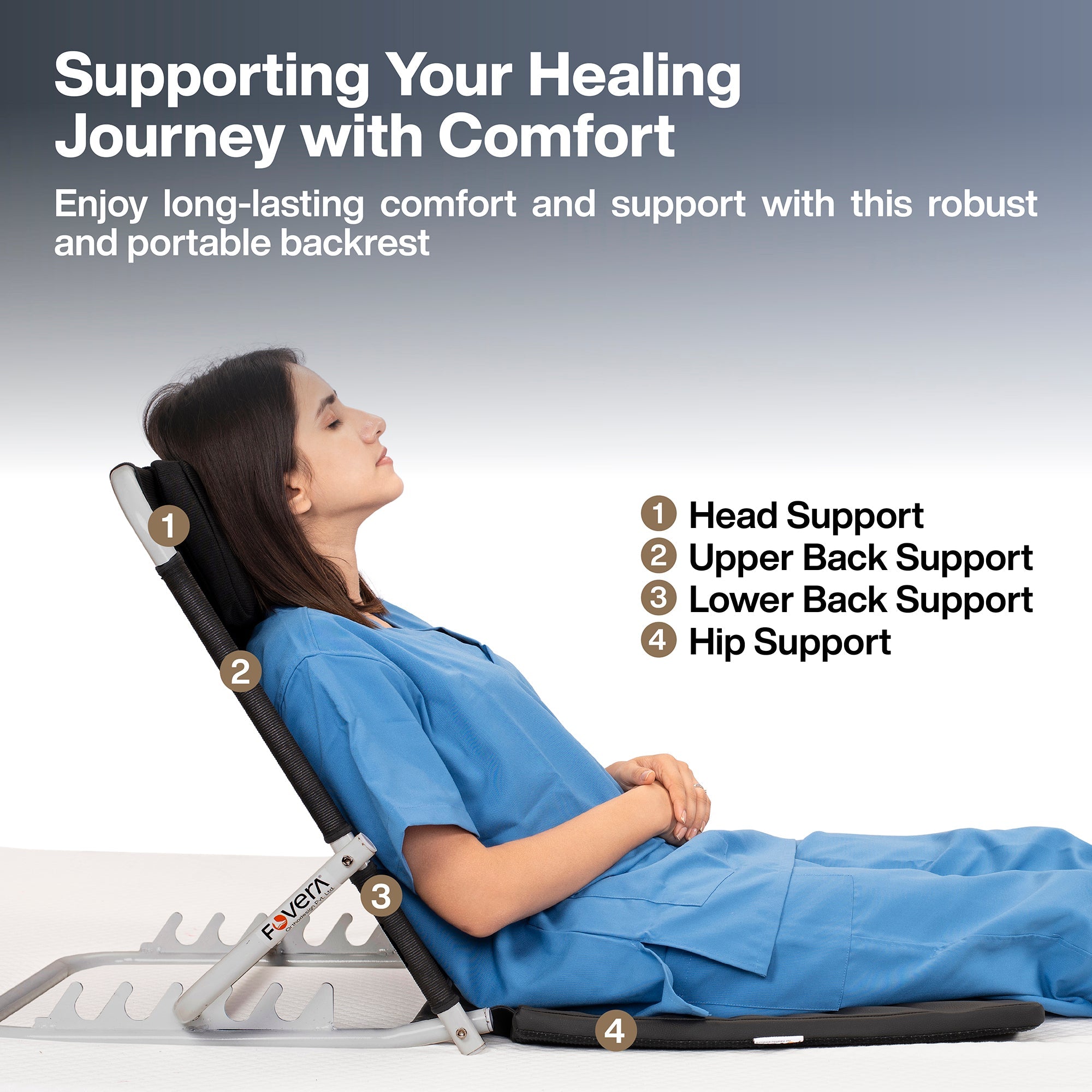
- Lumbar roll for driving or desk work.
- Seat cushion with a slight wedge to tilt hips.
- Heat for stiff muscles. Ice for sharp, fresh pain.
- Massage ball for gentle trigger points near the hips and upper glutes.
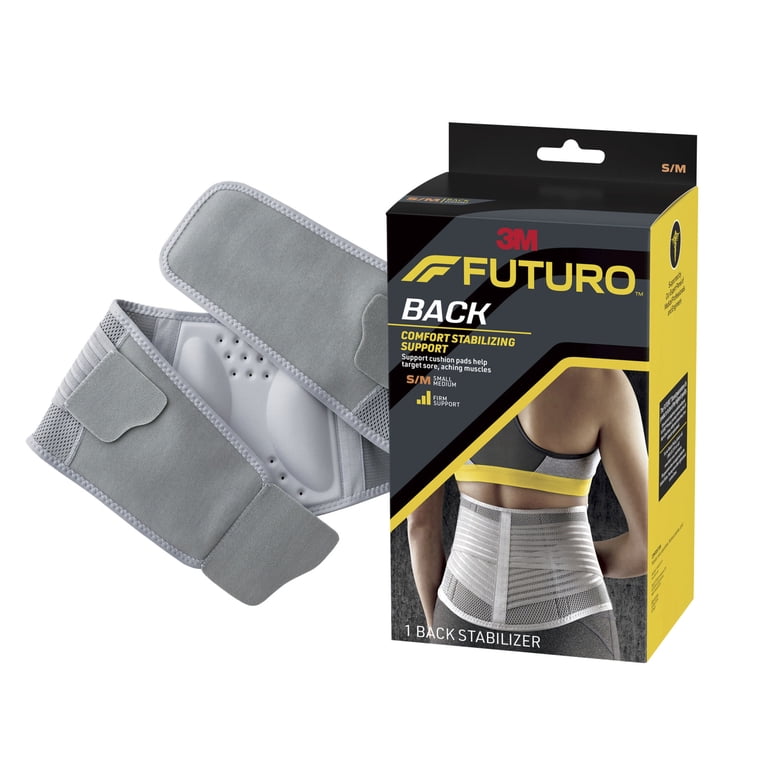
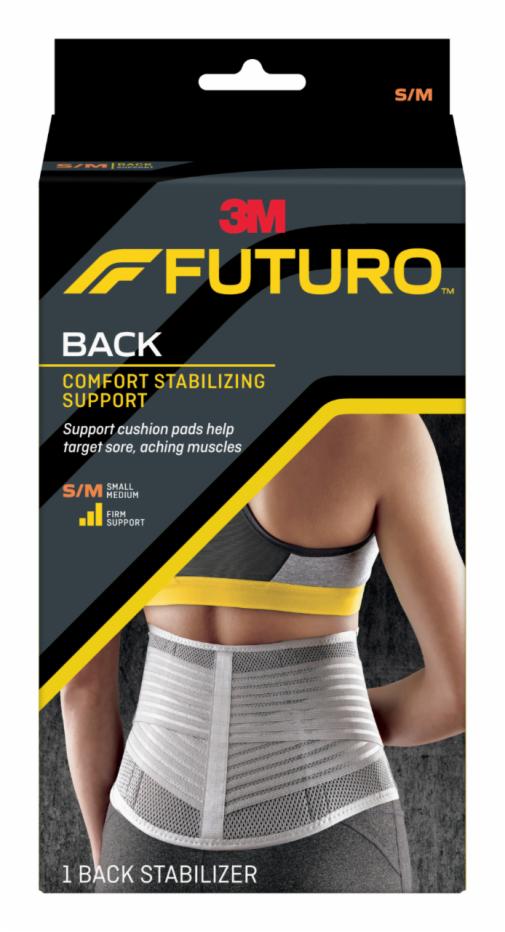
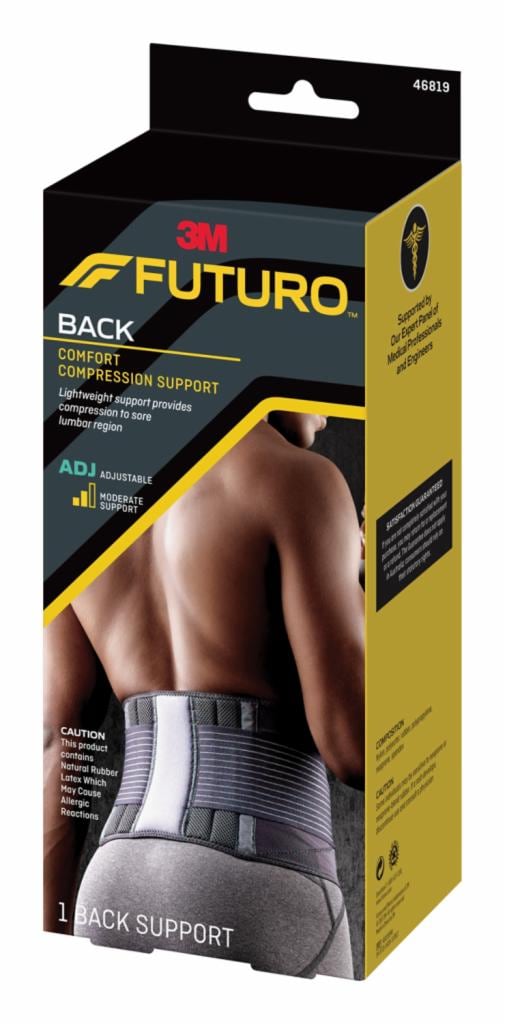
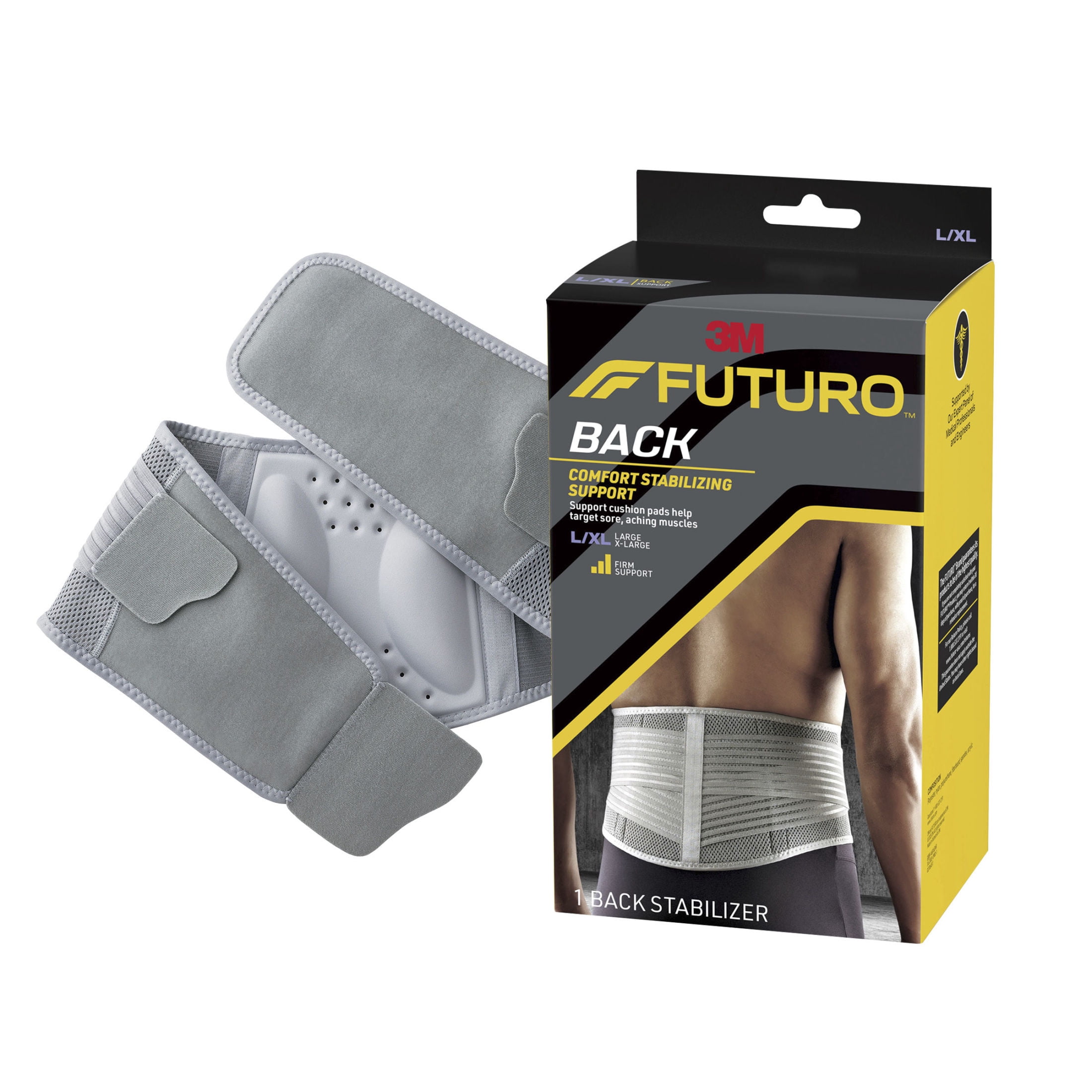
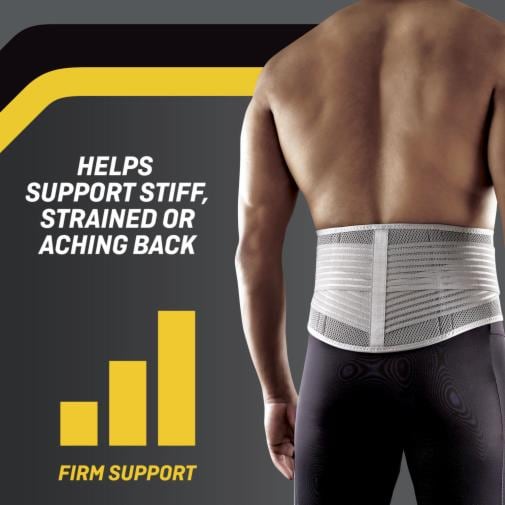
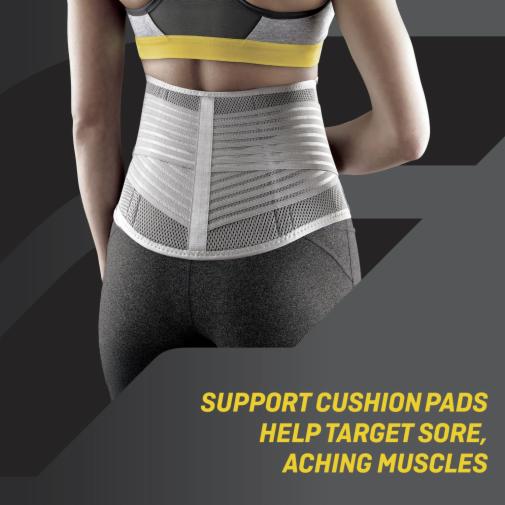
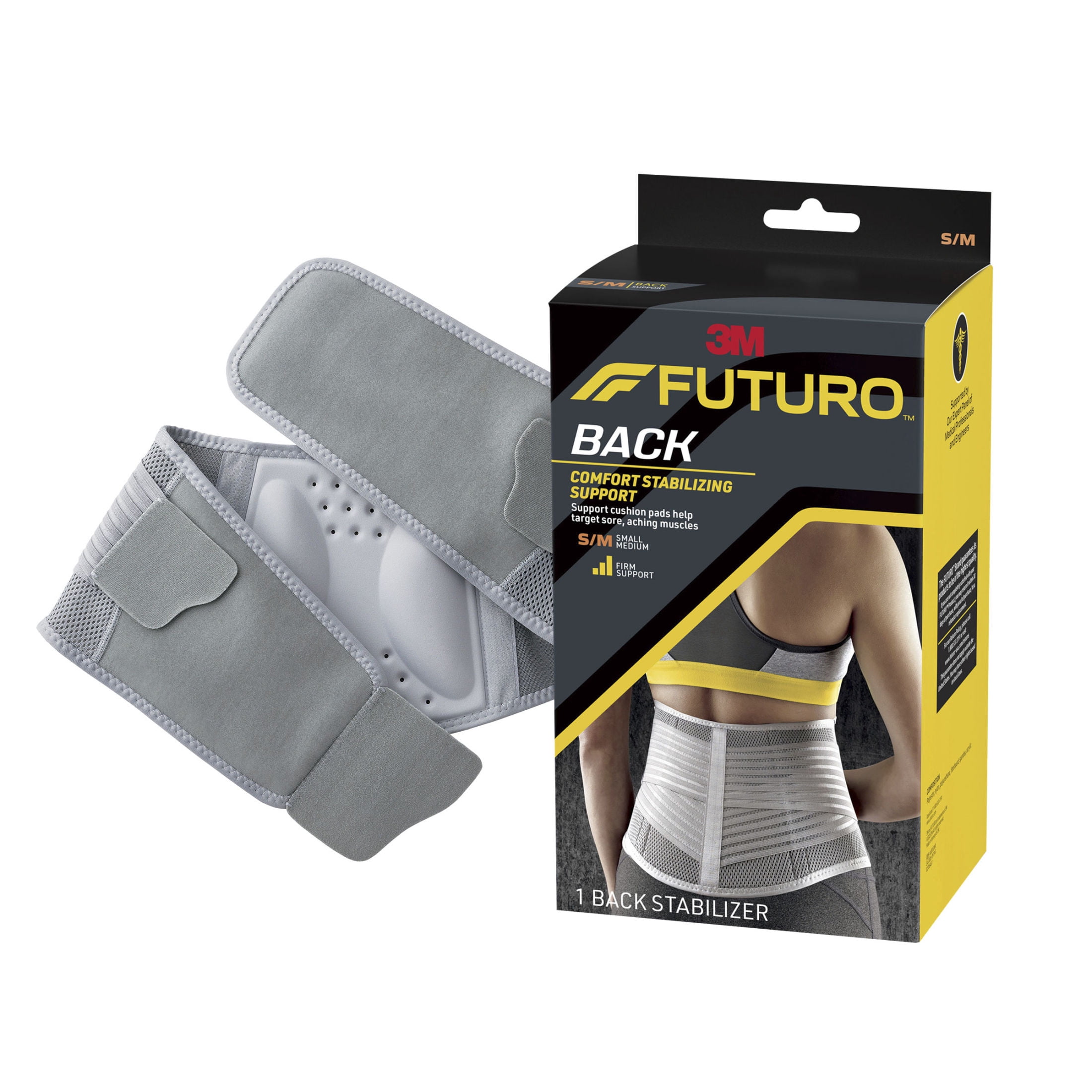
- Support belt for short, heavy tasks only.
Limits:
- Do not wear a brace all day. Muscles can get lazy.
- Stop using tools that numb pain but block movement.
- If a tool hurts or makes symptoms spread, stop and check with a pro.
Use tools as training wheels. The goal is stable, strong, and free movement. That is the smarter plan for how to support back for comfort.
Lifestyle factors that matter
Your back feels what your life feels. Small shifts in habit can ease pain and boost comfort. These parts often get missed when people ask how to support back for comfort.
Weight and diet:
- A small weight drop can cut load on joints.
- Eat more plants, lean protein, and omega-3 rich foods.
Stress and sleep:
- Stress tightens muscles. Try a five minute breath break daily.
- Aim for seven to nine hours of sleep most nights.
Hydration and footwear:
- Water keeps discs and muscles happy.
- Shoes should be snug, flat to slight rise, and not worn out.
Driving and bags:
- Sit close to the wheel. Hips at or above knees.
- Use both straps on a backpack. Pack light.
Pick one change this week. Build wins step by step.
Warning signs and when to seek care
Most back pain gets better with time and smart care. But some signs need a check right away. Knowing this is part of how to support back for comfort with safety.
Get help soon if you notice:
- Numbness in the groin or loss of bladder or bowel control.
- Weakness in a leg that is new or getting worse.
- Fever, chills, or night sweats with back pain.
- Pain after a hard fall or car crash.
- Unplanned weight loss with ongoing pain.
For stubborn pain past four to six weeks, or pain that limits life, see a licensed clinician. A custom plan beats guesswork.
Real-life tips and mistakes I see often
From years of helping people, patterns stand out. These tips will help you master how to support back for comfort without fuss.
What works well:
- Set a 30 minute move timer. It changes everything.
- Use a lumbar roll in the car. Most people feel better in days.
- Do three core moves most days. Small sets beat big, rare workouts.
- Chasing perfect posture. Variety wins.
- Skipping walks when pain shows up. Gentle walks help.
- Overusing belts and braces. They are short term aids.
One client sat on the edge of chairs all day. Her back ached each night. We raised her seat, added a roll, and set a walk timer. Pain fell by half in a week. Simple wins feel like magic when they fit your life.
Frequently Asked Questions of how to support back for comfort
What is the fastest way to calm a flare-up?
Gentle walking and heat often help within hours. Keep movements small and smooth, and avoid long sitting.
Do I need a firm mattress to support my back?
Most people do best on medium to medium-firm. Comfort matters too, so test for at least two weeks.
How long until I feel better if I follow these steps?
Many feel relief in one to two weeks. Full gains may take six to eight weeks of steady habits.
Can I still lift weights while I heal?
Yes, but lower the load and watch form. Use a hip hinge, keep the load close, and stop if pain spreads.
How to support back for comfort during long drives?
Use a lumbar roll and set a stop every 60 to 90 minutes. Shift your seat angle a bit each stop to reset posture.
Are braces safe for daily use?
They can help for short tasks. Do not rely on them all day, or your muscles may weaken.
How to support back for comfort while working from a couch?
Use a firm cushion, add a small low back roll, and keep the laptop at eye height. Stand and move every 20 to 30 minutes.
Conclusion
Comfort comes from smart habits, steady movement, and simple tools used well. When you learn how to support back for comfort, you blend posture, breaks, strength, and sleep. You build a routine that fits your life and keeps pain in check.
Start with one step today. Add a lumbar roll, set a move timer, or take a five minute walk. Keep going and track small wins. Ready for more tips? Subscribe, share your questions, or leave a comment with your next step.


