
Reduce posture fatigue by improving ergonomics, moving often, and building strong, balanced muscles.
If you sit, stand, or carry gear for long hours, you’ve felt that dull burn in your neck, back, or shoulders. I’ve coached busy teams and worked through my own desk pain, and I know how to reduce posture fatigue with steps that fit real life. In this guide, you’ll learn simple fixes, smart gear tweaks, and a steady plan that helps your body feel light again. Stick with me, and you’ll leave with a clear path for how to reduce posture fatigue today and for the long run.

What posture fatigue really is (and why it’s not just “bad posture”)
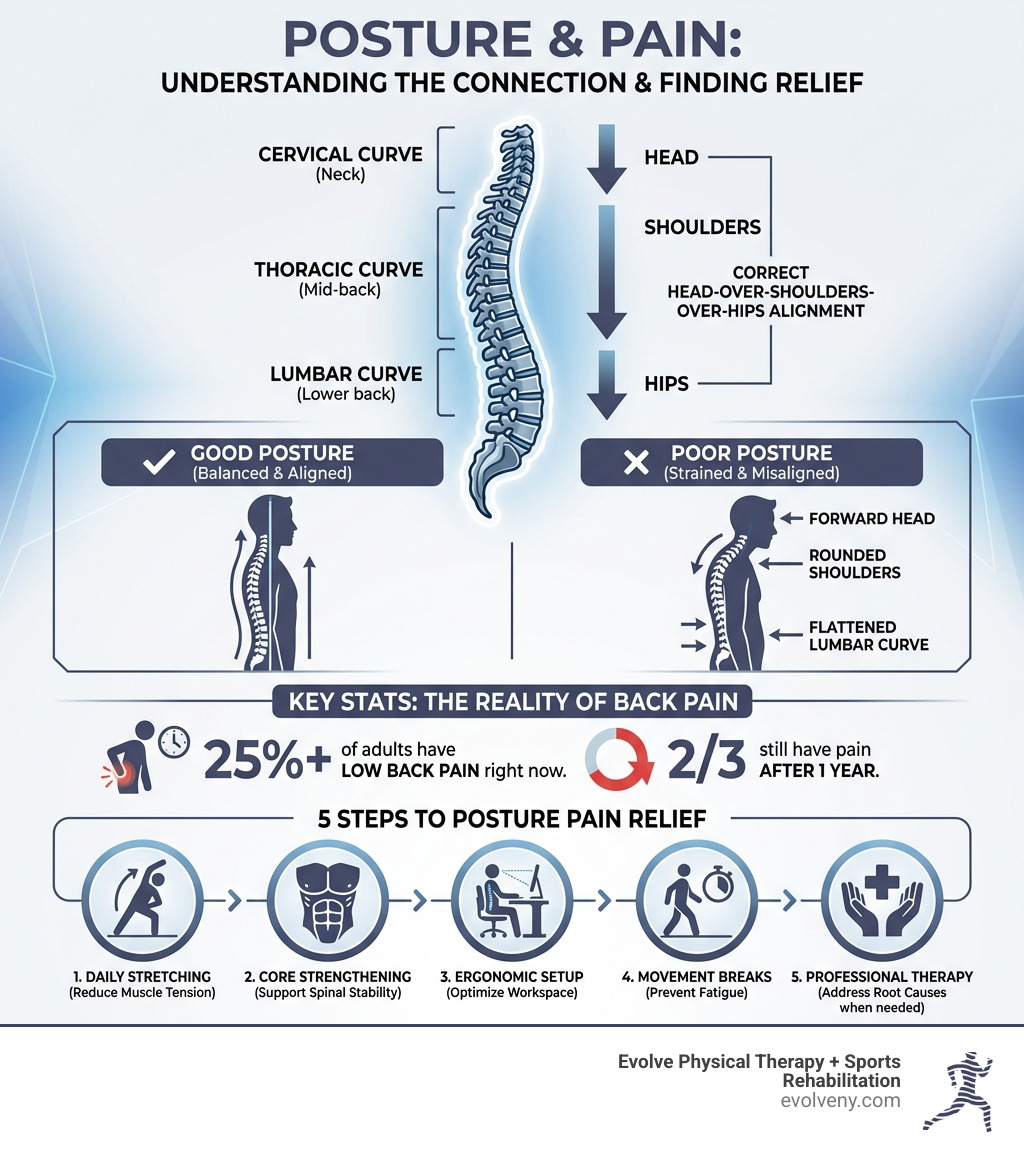
Posture fatigue is muscle tiredness from holding the same position too long. It shows up as stiffness, ache, or a heavy feeling in your neck, back, hips, and shoulders. It is not always a sign of injury, but it can build into pain if you ignore it.
Your body likes variety. Static postures demand low effort at first, then your support muscles tire, and you slump. Knowing this is the first step in how to reduce posture fatigue with better choices during your day.

Why posture fatigue happens
Most cases come from load plus time. The load may be light, but long holds drain you. Here are common drivers to watch:
- Static sitting or standing for long bouts. Even a “perfect” pose gets hard when time runs long.
- Poor desk setup. Low screens, deep reaching, and hard edges force awkward angles.
- Weak or sleepy support muscles. Core, glutes, mid-back, and deep neck flexors need practice.
- Tight hip flexors and chest. They pull you forward and down.
- Stress and shallow breathing. Traps tense, ribs flare, and your neck takes over.
- Low sleep, low steps, low water. Recovery and blood flow drop, so you tire fast.
Spotting your biggest trigger will guide how to reduce posture fatigue with the highest return fix.
Quick wins: how to reduce posture fatigue in 60 seconds
Use these fast resets when you feel heaviness creep in. These are the moves I give remote teams to keep energy high:
- Microbreak formula. Every 30–45 minutes, stand up for 60–120 seconds. Walk, shake out, or do 10 slow breaths.
- 20-8-2 rule. Per half hour: 20 minutes sit, 8 minutes stand, 2 minutes move.
- Desk reset. Chin tuck for 5 reps, shoulder rolls for 10, then reach hands up and long.
- Box breath. Inhale 4, hold 4, exhale 4, hold 4 for five cycles.
- Eye relief. Look 20 feet away for 20 seconds every 20 minutes.
Do any one of these, and you’ll feel an easy start on how to reduce posture fatigue, fast.

Ergonomic setup checklist for instant relief
A smart setup lowers strain before you even move. Use this simple checklist at home or at the office:
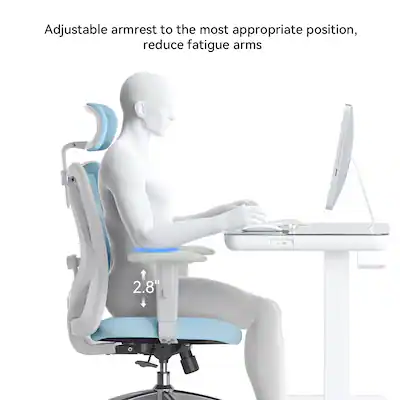
- Chair. Hips slightly above knees. Sit back so your low back stays gently supported.
- Feet. Flat on the floor or on a footrest. Toes light, heels grounded.
- Desk height. Elbows at about 90 degrees, arms close to your sides.
- Keyboard and mouse. Close to the edge. Wrists neutral, not bent up or down.
- Monitor. Top of the screen at or just below eye level. Arm’s length away.
- Laptop use. Raise on a stand and add an external keyboard and mouse.
- Phone. Use headphones or speaker. Avoid long shoulder cradles.
Fixing these angles is a core part of how to reduce posture fatigue without extra workouts.
A simple daily movement plan that fits busy work
You do not need hour-long gym blocks. Sprinkle movement through your day:
- Morning. Two minutes of neck nods, pelvic tilts, and a brisk 5–10 minute walk.
- Work blocks. Every 45 minutes, stand and move for 1–2 minutes. Do calf raises or gentle squats.
- Lunch. 10–20 minute walk. Swing your arms to open the chest.
- Afternoon. Thoracic twist for 10 reps each side. Doorway chest stretch for 45–60 seconds.
- Evening. 5–10 minutes of hip flexor stretch and light breathing on the floor.
This plan is how to reduce posture fatigue while you work, not only before or after.

Strength and mobility moves that pay off
Target the muscles that hold you up. Do these 3–4 days per week. Keep smooth form and easy breath.
Foundation
- Glute bridge. 3 sets of 8–12. Pause at the top.
- Dead bug. 3 sets of 6–10 each side. Low back stays heavy on the floor.
- Bird dog. 3 sets of 6–10 each side. Reach long, not high.
- Side plank (knees or feet). 2–3 sets of 15–30 seconds each side.
Upper back and neck
- Wall angels. 2 sets of 8–12. Keep ribs down and neck long.
- Y-T-W with light bands. 2 sets of 8–12 each letter.
- Chin tucks. 2 sets of 8–12. Think “make a double chin.”
Mobility
- Hip flexor stretch. 2 sets of 30–45 seconds each side.
- Thoracic extension over a towel or roller. 1–2 minutes.
- Doorway pec stretch. 2 sets of 30–45 seconds.
- Hamstring stretch. 2 sets of 30–45 seconds each side.
These moves build the base for how to reduce posture fatigue, so your body holds shape with less effort.

Breathe better, tire less
Shallow chest breathing keeps neck and shoulder muscles on all day. Switch to 360-degree belly breathing to share the work.
Try this
- Lie on your back, knees bent. One hand on your chest, one on your belly.
- Inhale through your nose. Feel your low ribs widen like an umbrella.
- Exhale slow through your mouth. Let ribs fall and pelvis stack under you.
- Do 5–10 breaths, 1–3 times per day.
Solid breathing control is a quiet but powerful way for how to reduce posture fatigue, especially in the neck.

Sleep and recovery that help posture hold
Your night sets up your day. Small tweaks matter.
- Side sleep. Use a pillow that fills the space from ear to shoulder. Place a pillow between knees.
- Back sleep. Use a pillow that keeps your chin level. A small pillow under knees can ease low back.
- Mattress. Medium to medium-firm works for most bodies.
- Tech curfew. Cut screens 30–60 minutes before bed to help you fall and stay asleep.
- Hydration. Sip water through the day; muscles recover better when you are not dry.
Better sleep is a force multiplier for how to reduce posture fatigue because rested tissue handles load with ease.

Smart tools and wearables: use, don’t rely
Gear can help you notice habits and lower strain, but it’s not a cure.
- Sit-stand desk. Rotate often. Do not stand still all day.
- Footrest and lumbar pillow. Great to fine-tune angles, not to fix weak muscles.
- Massage ball or mini roller. Quick relief for tight spots in chest, glutes, and calves.
- Reminders. Use apps or wearables to nudge microbreaks. Turn off if they stress you out.
Think of tools as guide rails. The real engine for how to reduce posture fatigue is movement skill and strength.
Work-from-home and travel tips that keep you fresh
Life is messy. Make fast changes on the fly.
- At home. Raise your laptop on books. Use an external keyboard and mouse.
- On the couch. Use a cushion behind your low back and plant your feet on the floor.
- On the go. Wear a backpack with two straps. Keep heavy items close to your spine.
- On planes. Use a small bag under your feet and a rolled sweater at your low back.
These tweaks are easy wins for how to reduce posture fatigue when setups are not ideal.
Common mistakes to avoid
Save yourself time by skipping these traps:
- Chasing a perfect frozen posture. Your best posture is your next one.
- Over-bracing your core all day. Breathe and relax between tasks.
- Stretching only. You need strength to hold shape.
- Standing all day. It swaps one static load for another.
- Aggressive self-massage. Ease off if you feel sharp pain or numbness.
Avoiding these is part of how to reduce posture fatigue with less effort and risk.
When to see a professional
Most posture fatigue eases with simple steps. Get help if you notice any red flags:
- Radiating pain, numbness, or tingling into arms or legs.
- Weakness, dropping items, or trouble walking.
- Pain that wakes you at night or lasts more than 6–8 weeks.
- Headaches with vision changes or dizziness.
A physical therapist, occupational therapist, or ergonomics specialist can tailor how to reduce posture fatigue to your body, job, and health history.
A 7-day starter plan: how to reduce posture fatigue this week
Follow this plan to build momentum fast. Keep sessions short and steady.
- Day 1. Ergonomic reset. Adjust chair, monitor, and keyboard. Learn chin tucks.
- Day 2. Microbreaks. Set a 45-minute timer. Do 2 minutes of movement each time.
- Day 3. Strength A. Bridges, bird dogs, wall angels. Walk 15 minutes.
- Day 4. Mobility. Hip flexor, doorway pec, thoracic extension. Box breath 5 minutes.
- Day 5. Strength B. Dead bugs, side planks, Y-T-W. Walk 20 minutes.
- Day 6. Mix. Alternate sit and stand with the 20-8-2 rule. Stairs if you can.
- Day 7. Review. Note what worked. Plan your next week.
This is a clear, proven path for how to reduce posture fatigue without burning out.
Measure what matters
What you track improves. Keep it simple and honest.
- Discomfort score. Rate neck, back, and shoulders 0–10 at lunch and close of day.
- Break streaks. Count how many microbreaks you take per day.
- Sit-stand ratio. Aim for at least 2–3 changes per hour.
- Steps. Try for 6,000–8,000 most days. Add more if you enjoy it.
- Photo check. Take a weekly side photo at your desk to spot progress.
These cues show if your plan for how to reduce posture fatigue is working or needs a tweak.
A quick personal story
Years ago, I wrote on a laptop at a low table. I felt daily neck and shoulder burn by 2 p.m. I tested small changes first: raised the screen, added a keyboard, and set a tiny break timer. Then I did 10 minutes of strength, three days a week. In two weeks, my heavy neck faded. In six weeks, I could write longer with no ache. That real shift powers my approach on how to reduce posture fatigue for clients and teams today.
Frequently Asked Questions of how to reduce posture fatigue
How long does it take to reduce posture fatigue?
Most people feel relief in 1–2 weeks with steady microbreaks and setup fixes. Bigger changes in strength and stamina show in 4–6 weeks.
Is standing better than sitting for posture fatigue?
Not by itself. Alternating sitting, standing, and moving is better than any one posture held for hours.
Can I reduce posture fatigue without a gym?
Yes. Bodyweight moves and short walks work well. Focus on bridges, bird dogs, wall angels, and daily mobility.
Do posture corrector braces help?
They can remind you to sit taller, but they are not a fix. Use them short term while you build strength and better habits.
What is the best chair for reducing posture fatigue?
The best chair is one you can adjust. Look for seat height, lumbar support, and armrests you can set to fit your body and desk.
Conclusion
Posture fatigue fades when you stack small, smart steps: a better setup, frequent microbreaks, and a few key strength and mobility moves. Keep your breath easy, your day varied, and your sleep steady. That is the real path for how to reduce posture fatigue.
Pick one change today and try it for a week. Then add the next. If this helped, subscribe for more simple, science-backed guides, or share your win in the comments so others can learn from you.


