
Affiliate Disclosure: This post may contain affiliate links. If you click and buy, I may earn a small commission at no extra cost to you. I only suggest gear I trust and use. These small earnings help me create free, research-backed guides that solve real desk pain problems.
This content is for informational purposes only and not medical advice.
Yes, a footrest can help reduce ankle pain during long sitting. It supports your feet, takes pressure off your ankles, and improves blood flow in your lower legs. When set at the right height and angle, it keeps your ankles in a neutral, relaxed position and reduces strain.
If your ankles ache after hours at a desk, you are not alone. Many people feel tightness, pins and needles, or swelling in the lower legs after long work days. A simple footrest can be a fast, low-cost tool to help. It lifts your feet, eases joint load, and helps you move more. The key is to set it up right.
In this guide, you will learn why sitting sparks ankle pain, how a footrest works, the exact setup to try, and common traps to avoid. You will also get a short checklist, plus fast answers to top questions. By the end, you will know if a footrest is worth it for you, and how to get real relief today.

Why Sitting Causes Ankle Pain
Long sitting makes the lower leg work in a way it is not built for. Your ankles stay still. Blood flow slows. The front of the ankle can feel tight, and the back can feel sore. Poor foot support adds pressure to small joints and soft tissue.
- Poor foot support: When feet do not touch the floor, your ankles point down. This loads the front of the ankle and strains tendons.
- Pressure buildup: Still legs and a hard edge under your thighs can pinch blood flow and nerves.
- Limited movement: No motion means less joint lube and more stiffness. Small issues add up over hours.
Does a Footrest Really Help with Ankle Pain?
Yes, a footrest can help many people who sit a lot. It lets your feet rest flat and takes weight off your ankles. It also helps you shift often. This can cut pain and swelling and may stop pins and needles.

A good footrest fills the gap between you and the floor. It keeps your ankles in a neutral angle, not pointed down or pulled up. This small change can calm sore joints fast and make desk time feel easy.
How a Footrest Reduces Ankle Strain
A footrest is a simple tool with a clear job. It raises and supports the feet so your ankles can relax. It spreads load and helps blood flow. Small gains add up to big relief over long days.

- Proper foot position: Your feet sit flat, toes soft, ankles near 90°. This cuts stress on tendons and ligaments.
- Pressure distribution: Weight spreads across the soles, not the front of the ankle. Less pinching, less ache.
- Improved blood flow: A slight lift lowers pressure under the thighs and helps veins move blood back to the heart.
Correct Footrest Setup for Ankle Pain Relief
Great results come from small tweaks. The right height and angle make the most of a footrest. Aim for easy, neutral joints and room to move through the day.

- Feet flat: Place both feet fully on the footrest. Keep toes relaxed and spread.
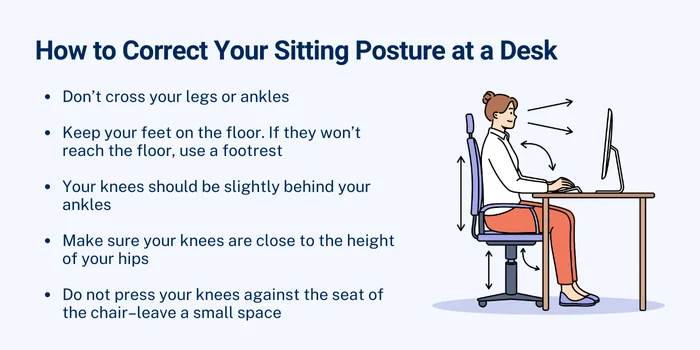
- Knees at ~90°: Your knees should be level with or just above your hips. Adjust chair height first, then set the footrest.
- Slight elevation: Start with a 2–4 inch lift. The goal is contact without strain. Avoid big angles at the ankle.
- Neutral ankle: Keep ankles near 90°. Toes should point forward, not down or up.
- Gentle tilt: A tilt of 10–20° can reduce calf strain. Try a small angle at first.
- Move often: Shift heel-to-toe or rock your feet every 15–20 minutes. A rocking footrest can help.
- Seat depth check: Leave a 2–3 finger gap from the seat edge to the back of your knees. This helps blood flow.
- Edge relief: If you feel pressure under your thighs, raise the footrest a bit or lower the chair a touch.
Mistakes That Make Ankle Pain Worse
A footrest helps only when set well. A few common mistakes can undo the gains. Avoid these traps to keep your ankles calm and free.
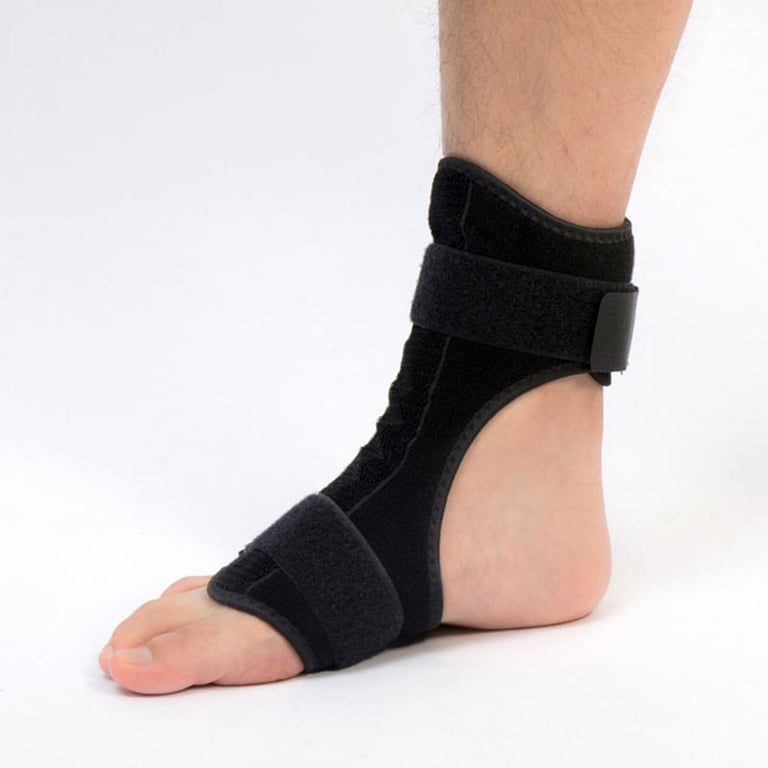
- Footrest too high: Toes point up, calves work hard, and shins ache.
- Feet dangling: No floor or footrest contact makes ankles point down and strain.
- Wrong chair height: A high chair cuts blood flow. A low chair jams hips and knees.
- Locked knees: Stiff legs boost pressure and pain. Keep a soft bend.
- Crossed legs: This can pinch nerves and slow blood flow.
- Stiff shoes or high heels: These fix the ankle angle and add stress.
- No movement: Stillness is the enemy. Shift small and often.
Best Footrests for Ankle Pain (Top Picks)
Everlasting Comfort Memory Foam Foot Rest:

This is one of the most popular footrests on Amazon, especially for people dealing with ankle discomfort during long sitting hours. Its high-density memory foam cushions your feet and reduces pressure on the ankles, helping to relieve pain caused by hard surfaces. The ergonomic shape keeps your feet slightly elevated, improving blood circulation and reducing stiffness. It also comes with a non-slip bottom and washable cover for easy maintenance. If you want a soft and reliable option for daily office use, this is a safe choice.
ComfiLife Ergonomic Foot Rest:
A top-rated budget-friendly option, this footrest is designed with soft memory foam that supports your feet and reduces ankle strain. It features a dual-height design, allowing you to adjust the position based on your comfort level and desk setup. This flexibility helps maintain proper foot alignment, which is important for reducing ankle pressure. Its lightweight and compact design makes it perfect for small workspaces. Many users choose this for its balance of comfort, affordability, and effectiveness in relieving lower-leg discomfort.
ErgoFoam Adjustable Foot Rest:
Known for its ergonomic design and adjustability, this footrest is ideal for people who want precise control over foot positioning. It offers a 2-in-1 adjustable height system, allowing you to customize the setup based on your chair and leg length. This helps reduce ankle tension and keeps your feet properly supported throughout the day. The high-quality foam maintains its shape over time, providing consistent comfort and support. Experts often recommend adjustable footrests because they improve posture and reduce lower limb strain.
Humanscale FM300 Foot Machine:
This premium footrest stands out because of its rocking motion, which encourages gentle movement throughout the day. This active motion helps improve blood flow and reduces stiffness in the ankles, making it especially useful for people who sit for long hours. Its sturdy wooden design ensures durability, while the ergonomic angle keeps your feet in a natural position. Unlike static footrests, this one promotes micro-movements that can prevent discomfort buildup. It’s a great option if you want both comfort and circulation support.
EUREKA ERGONOMIC Adjustable Footrest:
This adjustable footrest features a smooth tilt mechanism that adapts to your foot movement, helping reduce pressure on your ankles. The 0–20° floating tilt design encourages natural movement, which can improve circulation and reduce stiffness during prolonged sitting. Its textured surface also provides a light massage effect, adding extra comfort. Built with a durable frame and anti-slip base, it stays stable on different floor types. This is a great choice for users who want a balance between adjustability, durability, and active support. 👉 Check availability on Amazon
When a Footrest May Not Help
A footrest is not a fix for every case. If you have sharp pain, swelling, numbness, a recent sprain, or pain that wakes you at night, see a clinician. If pain spreads, or you have a clot risk, get help fast.

A footrest will not heal a tear or a bad sprain. It is a support tool. Use it with rest, light moves, and good shoes. For long term pain, ask a pro to check your gait, posture, and work setup.
Quick Checklist
Use this quick list to dial in fast relief. Do a five-minute tune-up now and test your day.
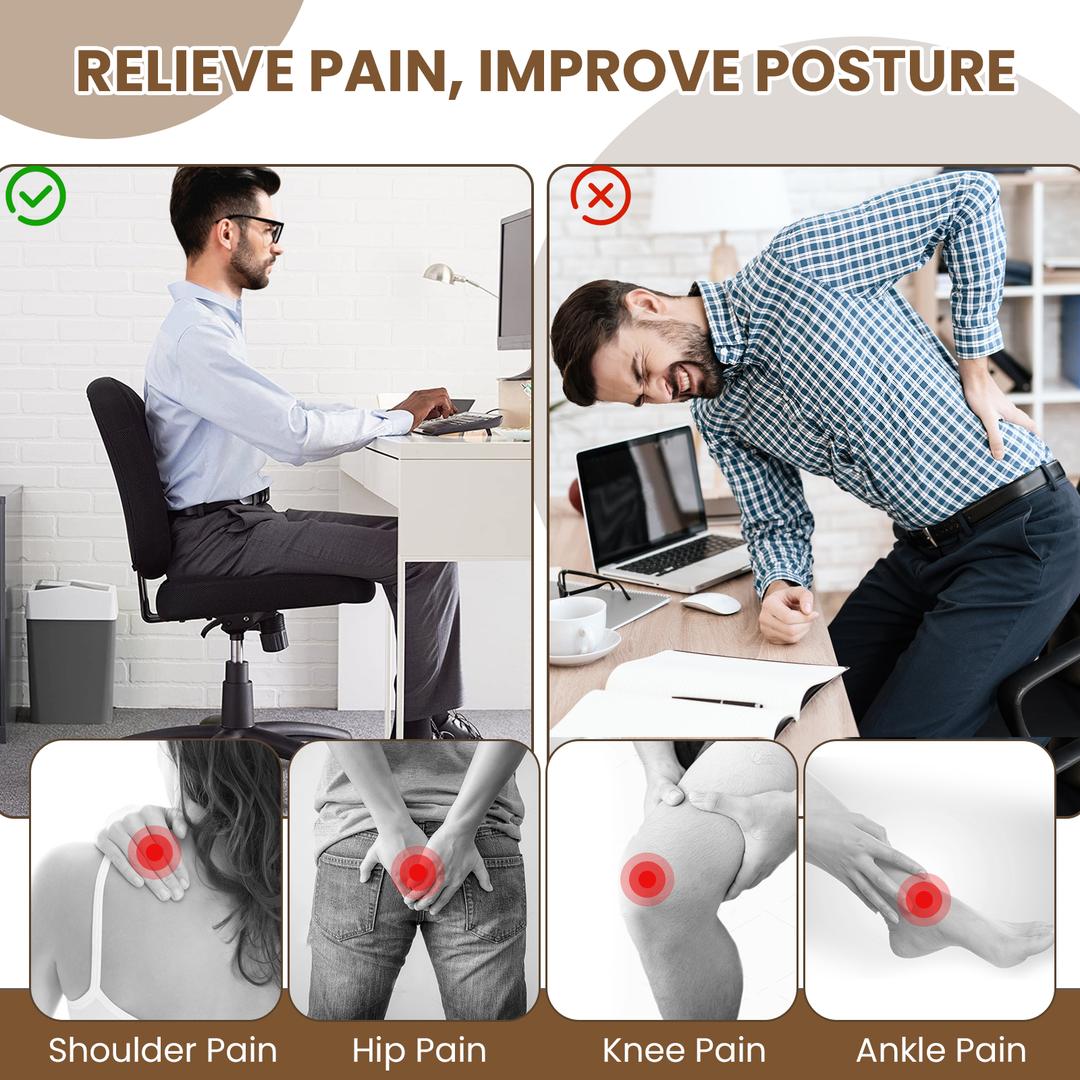
- Chair height set so knees are level with, or a bit above, hips.
- Feet rest flat on the footrest, not just toes or heels.
- Ankles near 90°, not pointed down or pulled up.
- Footrest height 2–4 inches to start; adjust to comfort.
- Gentle tilt (10–20°) if it feels good; no strain.
- Seat depth leaves a small gap behind knees.
- Shift heel-to-toe or rock feet every 15–20 minutes.
- Wear flexible shoes or go sock-only at your desk.
- Take a one-minute stand and calf stretch each hour.
FAQs
Q1: What kind of footrest is best for ankle pain?
A simple, height-adjustable footrest with a slight tilt is best for most people. A rocking footrest can help you move more and keep blood flowing. Soft tops add comfort, but firm support keeps joints neutral and stable.
Q2: Can I use books or a box instead of a footrest?
Yes, a stable box can work in a pinch. Make sure it is wide, does not slide, and keeps your ankles near 90°. Add a non-slip mat on top. If you sit many hours, a purpose-built footrest is safer and easier to adjust.
Q3: Will a footrest help swelling in my ankles?
It can help mild, sitting-related swelling by easing pressure and boosting blood flow. Raise the feet a bit and move them often. If swelling is new, severe, or one-sided, talk to a clinician to rule out a medical cause.
Conclusion
A footrest is a small change with a big payoff. It lifts and supports your feet, eases ankle load, and helps blood move. When set right—feet flat, knees near 90°, and a slight lift—it can cut pain and help you last through long days with ease.
Start today: adjust your chair, add a footrest, and run the quick checklist. Test for one week and note your pain, swelling, and focus. If you need gear, pick a stable, adjustable footrest with a soft, grippy top. If pain stays strong or you suspect an injury, see a clinician for a personal plan.
Ready to feel the difference? Set up your footrest now, move more each hour, and give your ankles the calm base they deserve.


