

Lumbar support works by restoring the lower spine’s natural curve and reducing load on back tissues.
I have studied ergonomics and worked with people who had chronic low back discomfort. This article explains how does lumbar support work in clear, practical terms. You will learn the anatomy, physics, and real steps to pick and use support. I combine research-backed facts with hands-on tips I have used with clients.

Source: boulies.com
How lumbar support works
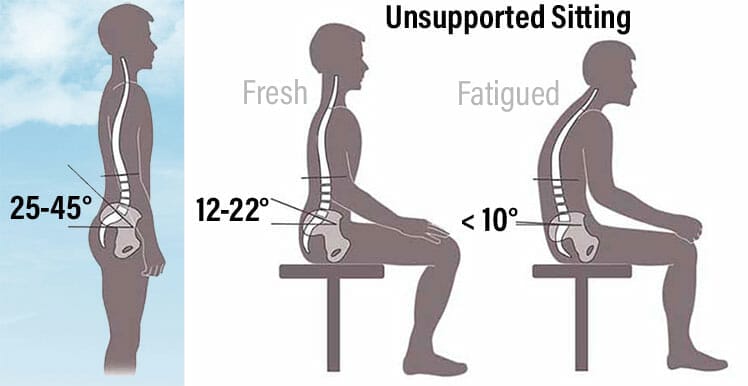
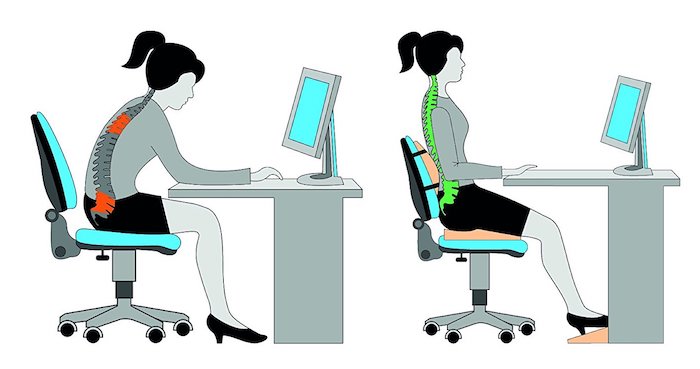
Lumbar support acts as a spacer. It fills the gap between the lower back and the seat. This keeps the lumbar spine in its natural inward curve. When the curve is kept, the spine bears load more evenly. Muscles do not have to work as hard to hold posture. Discs and joints face less abnormal pressure. This reduces pain and fatigue over time.
Key mechanical effects when you ask how does lumbar support work:
- It restores lumbar lordosis and aligns the spine.
- It shifts pressure from soft tissues to the seat and support.
- It lowers sustained muscle activity in the lower back.
- It reduces forward flexion and the risk of slouching.
How this matters day to day:
- Sitting with support keeps nerves less compressed.
- Standing or walking feels easier after long sitting spells.
- Repetitive tasks become less tiring for the lower back.
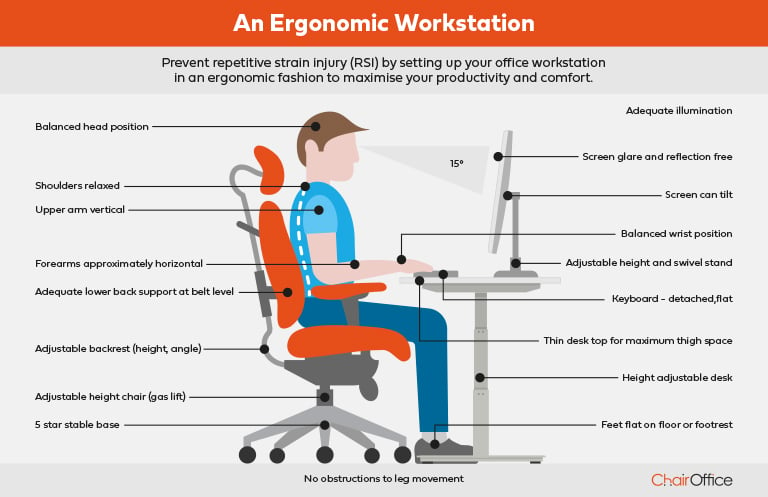
Source: co.uk
Short common questions answered
How does lumbar support work to reduce pain? It keeps the lower spine aligned so muscles and discs face less strain. That cut in strain often eases pain in hours to weeks.
Does lumbar support stop disc problems? It does not cure worn discs. It reduces abnormal load and helps manage symptoms while you use other care.
How long before you feel a change? Some users feel relief in one use. For lasting change, combine correct sitting and breaks.
Types of lumbar support and how they function
There are several ways to add lumbar support. Each type alters pressure and posture in a slightly different way.
Common types:
- Built-in adjustable supports in office chairs: They let you change height or firmness for a tailored fit.
- Fixed foam lumbar pads: Simple and low cost. They keep the curve but cannot be finely tuned.
- Inflatable supports: Allow fine tuning of depth via air. Good for car seats and travel.
- Memory foam and contoured cushions: Mold to the spine for even contact.
- Dynamic or active supports: Move with you and encourage small posture changes to avoid stiffness.
How the types answer how does lumbar support work:
- Adjustable supports change the point and amount of support.
- Inflatable models alter lumbar depth and pressure on demand.
- Dynamic supports reduce prolonged static loading by promoting movement.

Source: rgd-group.com
Benefits of using lumbar support
Lumbar support delivers both immediate and long-term gains. Benefits are physical and practical.
Main benefits:
- Less lower back pain during and after sitting.
- Lower muscle fatigue and fewer posture-related aches.
- Better breathing and digestion from an open torso.
- Improved focus and task endurance from reduced discomfort.
- Possible reduced risk of chronic problems when used consistently.
Clinical studies and workplace reports note fewer sick days and better comfort scores with proper support. That said, support works best as part of a broader ergonomic plan.
Source: chairsfx.com
How to choose the right lumbar support
Choosing the right support depends on your body and your chair. Follow a simple checklist when evaluating options.
Selection checklist:
- Measure your lower back height from the seat to the lumbar curve.
- Choose adjustable height and depth when possible.
- Match firmness to your comfort: firmer for more correction, softer for comfort.
- Check seat depth and backrest angle to make sure support sits where needed.
- Consider clothing and belt use in cars; these affect fit.
Steps to pick one:
- Sit in a chair and place a small pillow at your lower back. Notice where it feels best.
- Compare that location to the support device’s range.
- Test for at least an hour if you can. Short trials can be misleading.
- If you have a medical condition, consult a clinician before major changes.
How this ties to how does lumbar support work: the right fit makes the support restore the lumbar curve. A poor fit can push on the wrong place and increase strain.

Source: rizehome.com
How to adjust and use lumbar support effectively
Proper placement is as important as the device type. Small changes make big differences.
Adjustment steps:
- Sit back fully so your back touches the backrest.
- Position the support at the small of your back, where the curve is deepest.
- Adjust height so it sits roughly at the belt line or slightly above.
- Adjust depth so you feel a gentle nudge, not a push.
- Reassess after 10–20 minutes and tweak as needed.
Usage tips:
- Take movement breaks every 30 to 60 minutes.
- Combine support with a neutral pelvis: feet flat, hips slightly higher than knees when possible.
- For driving, place support at the same lumbar point but ensure it does not force your chest forward.
These actions demonstrate how does lumbar support work in practice: you shape posture and reduce the load when you set things up correctly.
Source: onsightchiropractic.com
Limitations and when to seek professional help
Lumbar support helps many people. It is not a cure for all back issues. Be clear about limits.
Common limitations:
- It will not reverse major structural damage to the spine.
- Over-reliance can hide a need for exercise and mobility work.
- Poor fit can worsen pain or cause new discomfort.
See a professional if:
- Pain is severe, persistent, or accompanied by numbness.
- Support makes pain worse after proper fitting.
- You have recent injury or surgery and need tailored guidance.
Knowing these limits helps answer realistic expectations about how does lumbar support work. It is a tool, not a cure-all.

Source: everlastingcomfort.com
Personal experience and practical lessons
I have tested many chairs and supports with clients and in my own workspace. The clearest lesson: fit matters more than brand.
Real-world takeaways:
- A mid-range adjustable lumbar support often outperforms a high-end fixed pad.
- Take time to fine-tune placement every time you change tasks.
- Combine support with simple back-strength and mobility exercises for lasting gains.
A mistake I made early on was adding thick support without changing seat angle. That pushed my chest forward and caused neck tension. The fix was a smaller support and a slight seat tilt. That change showed me how does lumbar support work in concert with overall seating.

Source: co.uk
Frequently Asked Questions of how does lumbar support work
What exactly does lumbar support do to the spine?
Lumbar support restores the lower spine’s inward curve. This reduces uneven pressure on discs and lowers sustained muscle effort.
Can lumbar support fix posture permanently?
Lumbar support helps posture while in use, but it does not permanently change posture by itself. Combine support with exercise and mindful habits for lasting change.
Is firmer lumbar support always better?
Not always. Firmer support can correct posture more aggressively but may feel uncomfortable. Choose firmness based on comfort and body shape.
How often should I use lumbar support each day?
Use lumbar support whenever you sit for long periods. Breaks and movement every 30 to 60 minutes remain important for spinal health.
Will lumbar support help sciatica or nerve pain?
Lumbar support can reduce load that irritates nerves and may ease symptoms for some people. If nerve pain is severe, seek medical evaluation before relying solely on support.
Can children use lumbar support safely?
Yes, when sized correctly. Children need supports suited to their smaller backs and guidance to avoid prolonged static sitting.
Should I use lumbar support while standing sometimes?
Support systems are mainly for sitting. For standing, focus on posture, footwear, and movement rather than lumbar devices.
Conclusion
Understanding how does lumbar support work helps you make better choices and get real results. Support restores the natural lumbar curve, distributes load, and eases muscle effort when it is fitted and used correctly. Use adjustable devices, test placement, and pair support with movement and strengthening for best outcomes. Start by testing one small change today: adjust or add a simple lumbar cushion and note how your back feels after an hour. If you found this useful, try a trial of a few supports, leave a comment with your experience, or subscribe for more practical guides.


