

Yes—seat height can affect back pain by changing posture and spinal load.
If you have ever stood up from your chair with a sore lower back and stiff hips, keep reading. I’ve helped many people fine-tune their chairs and car seats, and the change is real. We will answer the big question—does seat height affect back pain—and show you step-by-step fixes you can try today. Expect clear tips, real examples, and research-backed guidance you can trust.

Source: myvelofit.com
What seat height really means (and why it matters)
Seat height is the distance from the floor to the top of your seat. It shapes your hip angle, how your pelvis tilts, and how your spine stacks. That posture then sets the tone for your neck, shoulders, and even how you breathe.
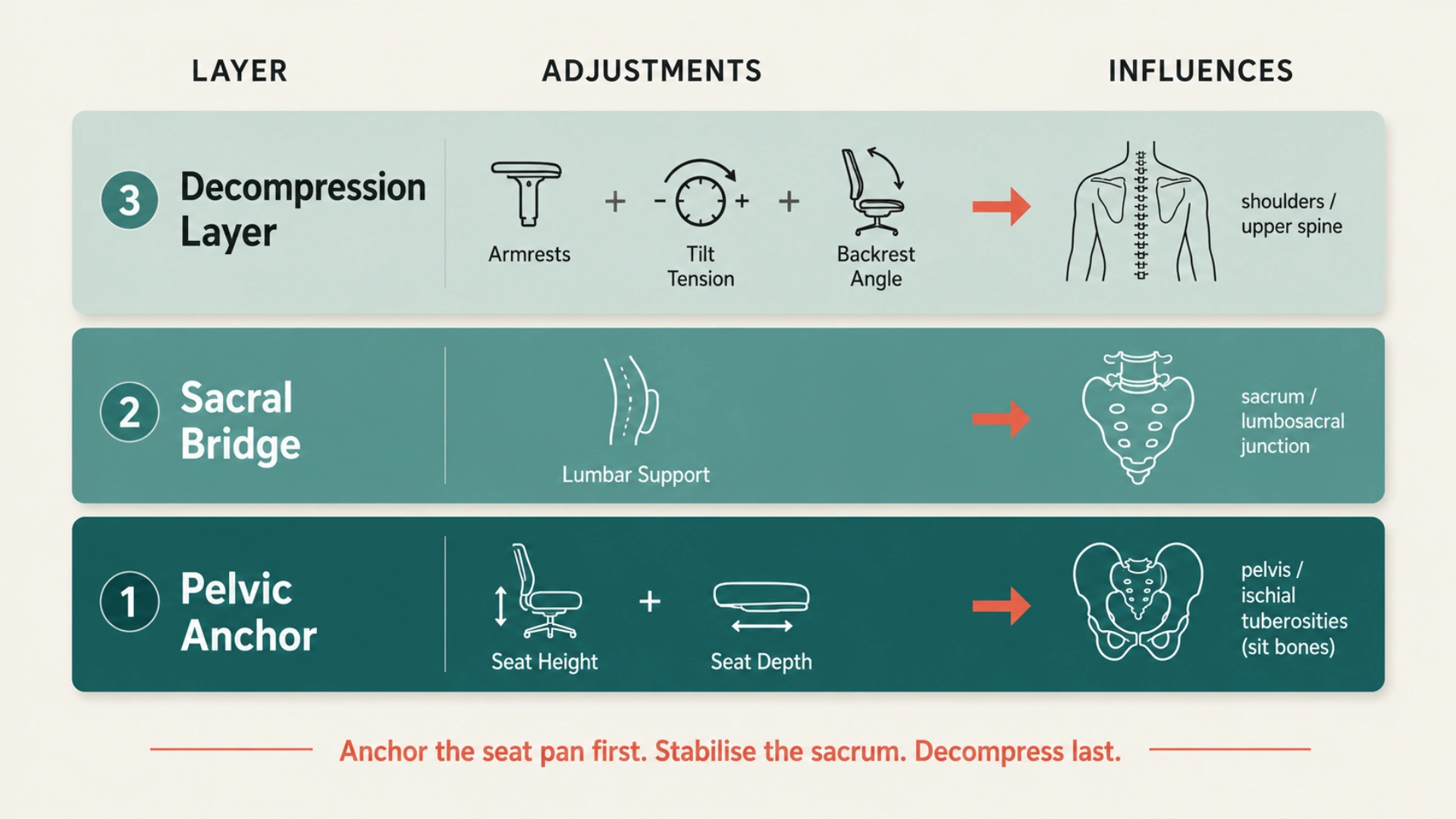
Here’s the key link to the big question—does seat height affect back pain? Yes. When your seat is too low or too high, your pelvis tilts the wrong way. Your lower back either rounds too much or arches too much. That boosts stress on discs and makes your muscles work overtime. Both paths can spark pain.
A good seat height lets you sit with:
- Feet flat on the floor or a footrest
- Knees at or just below hip level (about 90–110 degrees)
- Hips open, not jammed
- A small, natural curve in your lower back
Source: chainreactionpt.com
The biomechanics: how seat height changes spinal load
Let’s answer it again in plain words: does seat height affect back pain? It does, through hip angle and pelvic tilt.
- When the seat is too low: Your knees ride high. Your hips flex more. Your pelvis tips back. Your lower back rounds. Disc pressure goes up, and your core must hold on for dear life.
- When the seat is too high: Your feet may dangle. You slide forward to find support. That still pushes your pelvis back and rounds the spine. It also strains the hamstrings and adds pressure under the thighs.
Ergonomic studies show that more flexed sitting raises disc pressure. They also show that foot support lowers it. The sweet spot is an open hip angle near 100–110 degrees with the feet grounded.
/assets/images/provider/photos/2773503.png)
Source: gardenstatepain.com
Signs your seat height is wrong
You might still wonder: does seat height affect back pain in a way you can feel day to day? Watch for these flags.
- Thigh pressure or tingling feet. Often a sign the seat is too high.
- Knees higher than hips. Your lower back rounds and feels tight after an hour.
- Dangling feet. You fidget and slide forward, which flattens lumbar support.
- Neck and shoulder tightness. You shrug to reach the keyboard if the chair is low relative to the desk.
- Back pain that fades when you stand. A classic signal of poor sitting angles.
Source: merryfair.com
How to set the right seat height at a desk
Does seat height affect back pain at your desk? Yes, and you can fix it in minutes.
Try this setup sequence:
- Set chair height so feet rest flat. If they cannot, use a footrest.
- Aim for knees level with or just below hips.
- Bring your keyboard to elbow height. Bend elbows about 90 degrees. If you raise the chair, raise the desk or add a keyboard tray.
- Keep a small curve in your lower back. Add a lumbar pillow if needed.
- Sit back so your back meets the backrest. Avoid perching on the edge.
Helpful numbers:
- Typical office chair height range: about 16–21 inches from floor to seat.
- Monitor top near eye level to reduce neck bend.
- Seat pan tilt: slight forward tilt can help open the hips if you round your back.
Real-world tip from my practice: many people fix pain by raising the seat 1–2 inches and adding a footrest. Small changes can give big relief.
Source: amazon.com
Cars, bikes, and stools: what changes with each
If you drive, ride, or sit on a stool, you still may ask: does seat height affect back pain in these spots too? Yes, but the setup rules shift a bit.
Cars
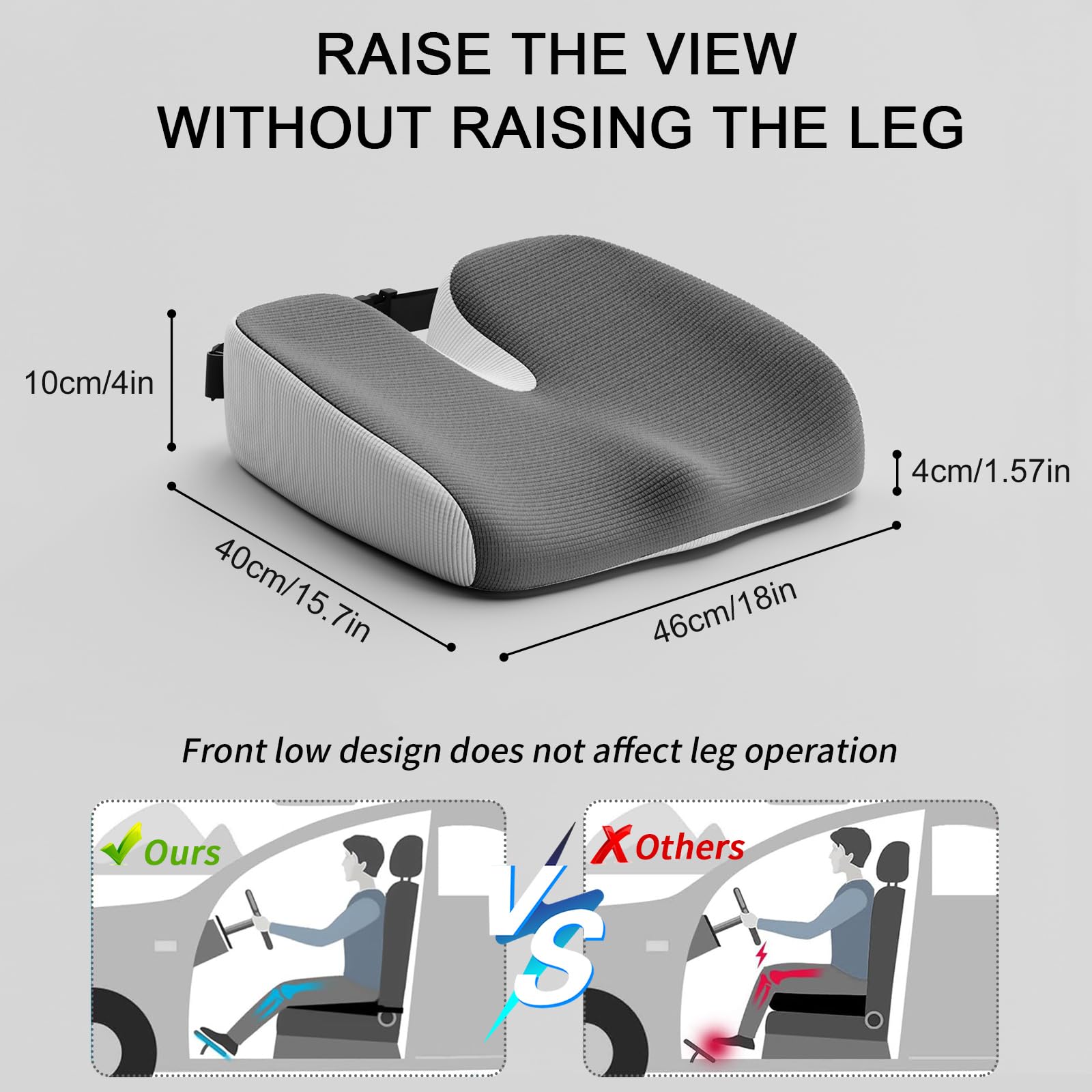
- Raise the seat so hips are level with or above knees.
- Move the seat forward so your knee stays slightly bent when pressing pedals.
- Use lumbar support. If your car lacks it, add a small cushion.
Bikes
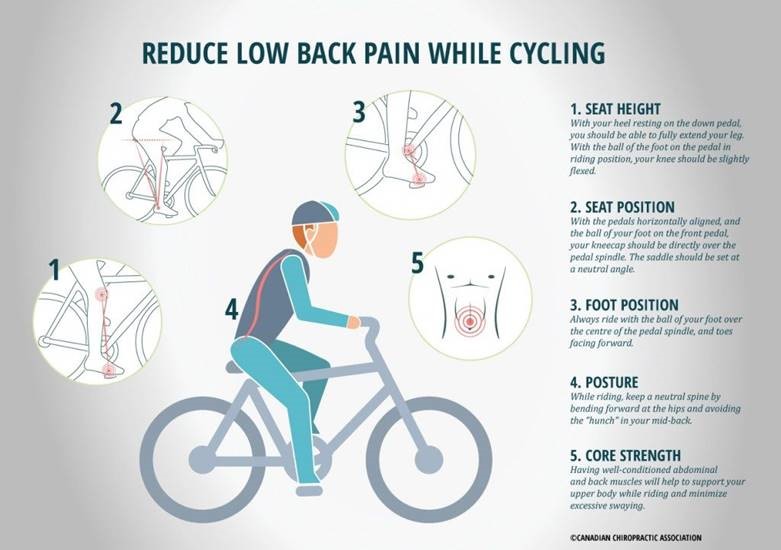
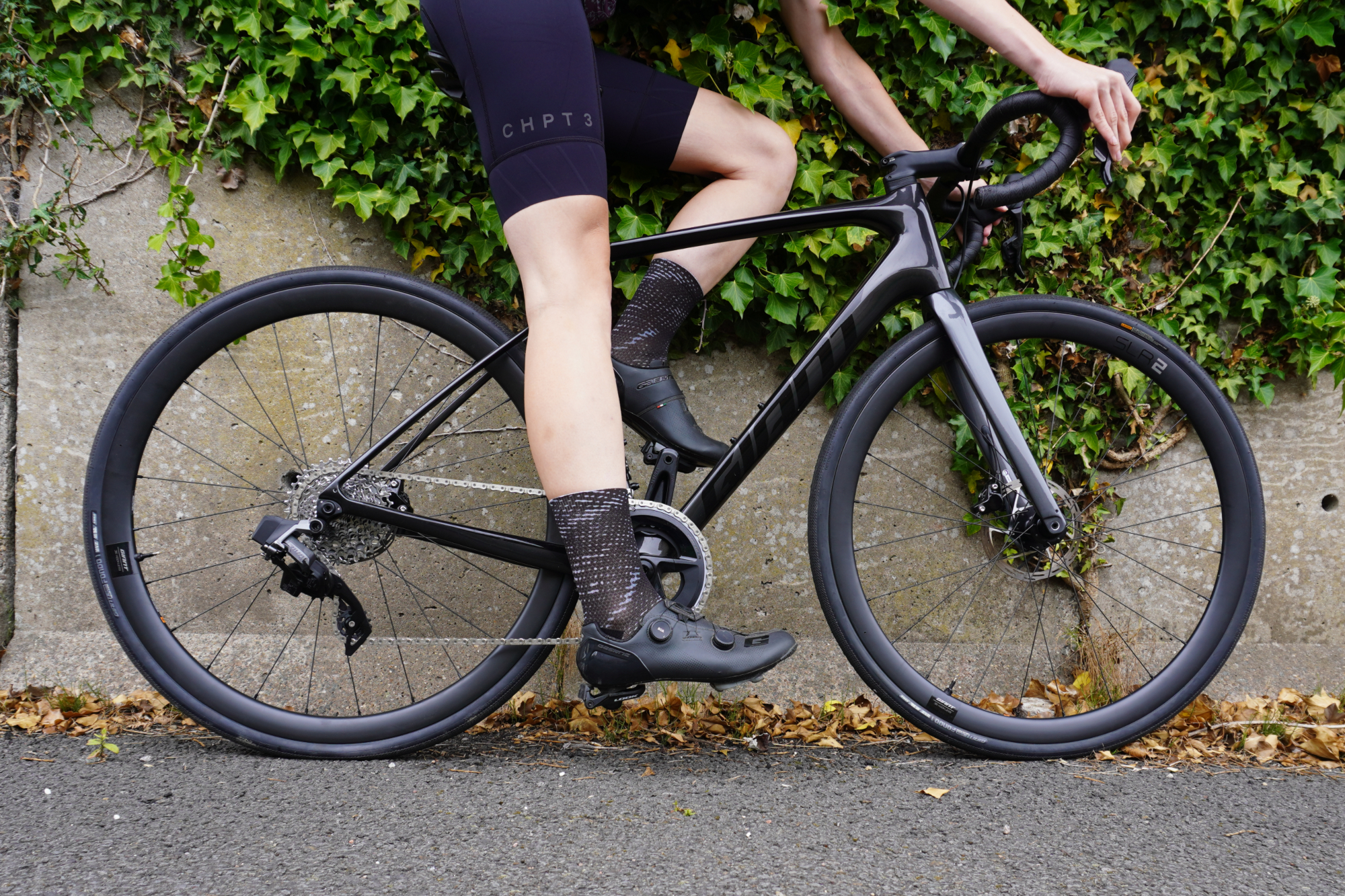
- A saddle too low forces more hip and back flex, which can spark pain.
- A saddle too high makes your hips rock side to side, which strains the lower back.
- Simple check: with your heel on the pedal at the bottom, your knee should be just straight. Then ride with the ball of your foot as normal.
Stools and high counters
- Make sure there is a footring or a footrest.
- Keep hips a little above knees to open the hips.
- Take breaks often since there is no backrest.

Source: styrkr.com
Special cases: short, tall, and people with back issues
The same question applies across body types—does seat height affect back pain if you are very short or tall? It often does more.
If you are shorter
- Even at the lowest chair setting, your feet may dangle. Use a footrest.
- Consider a shallower seat pan so the seat edge does not press on your calves.
If you are taller
- You may need a chair with a higher max height and a deeper seat pan.
- Raise the desk or use a sit-stand desk so your elbows can rest at 90 degrees.
If you have sciatica, disc issues, or SI joint pain
- Try a slightly higher seat with an open hip angle (100–120 degrees).
- Keep feet supported. This reduces pelvic tilt and eases nerve tension.
- Alternate sitting and standing to reduce static load.
Source: fics.sport
What research and practice say
You want proof. So, does seat height affect back pain based on evidence? Ergonomic research links poor seat height to increased lumbar flexion, higher disc pressure, and greater muscle load. Studies also show that foot support and an open hip angle reduce spinal load and pain reports.
From my field work, the pattern is clear. People who adjust seat height and foot support often report less end-of-day soreness within a week. It is not magic. It is mechanics.
Caveats and limits:
- No single seat height works for all. Your build, desk, and tasks matter.
- Pain is multi-factor. Stress, sleep, and movement habits matter too.
- Test changes for a few days. Keep what helps. Drop what does not.

Source: rinascltabike.com
Quick fixes and long-term habits
You asked, does seat height affect back pain, and we said yes. Here’s how to lock in gains.
Fast wins
- Raise or lower the chair until knees are at or just below hips.
- Add a footrest if feet do not reach the floor.
- Slide hips back and use a lumbar roll.
Lasting habits
- Switch positions every 30–45 minutes. Stand or walk for 2–3 minutes.
- Do micro-moves. Ankle pumps, gentle pelvic tilts, shoulder rolls.
- Strengthen your core and hips a few times a week. Even 5 minutes helps.
Source: cyclingweekly.com
Frequently Asked Questions of does seat height affect back pain
How high should my chair be to help back pain?
Set the height so your feet sit flat and knees are at or just below hip level. Aim for elbows at 90 degrees on the desk to keep shoulders relaxed.
Can a footrest reduce back pain if my chair is too high?
Yes. A footrest gives your feet support, reduces thigh pressure, and restores your lower back curve. It is a simple, low-cost fix.
What if my desk is not adjustable?
Match your chair to your body first, then raise your keyboard and mouse with a tray or riser. Use a footrest to keep feet planted.
Does seat height affect back pain in the car?
It does. Raise the seat so hips are level with or higher than knees, adjust distance to pedals, and use lumbar support.
How fast should I expect results after adjusting seat height?
Many people feel relief within days, but give it one to two weeks. Keep tweaking small details like foot support and lumbar roll.
Can a saddle height on a bike cause low back pain?
Yes. Too low increases flex and strain, while too high causes hip rocking. Set saddle height so your leg is nearly straight at the bottom of the stroke.
Is a forward-tilt seat better for back pain?
A slight forward tilt can open the hips and reduce rounding. Try a few degrees and see if your lower back feels more relaxed.
Conclusion
Seat height shapes your posture, your muscle load, and how your spine feels after a long day. You asked, does seat height affect back pain, and the answer is yes—often in clear, fixable ways. Find a height that lets your feet rest, keeps knees at or just below hips, and supports a gentle lumbar curve.
Tweak one thing today. Raise the chair a notch, add a footrest, or test a small lumbar roll. Small moves stack up fast. If you found this helpful, share it with a friend, subscribe for more practical guides, or drop a question so I can help you dial in your setup.


