
Affiliate Disclosure: This post may contain affiliate links. If you buy through them, I may earn a small commission at no extra cost to you. I only recommend products I believe in, and that reflect current ergonomic best practices. Your support helps me create free, helpful guides like this one.
This content is for informational purposes only and not medical advice.
Yes, poor sitting posture can lead to chronic pain, especially in the back, neck, and shoulders. It builds up slowly as muscles tighten and joints compress. Fixing posture, moving often, and using ergonomic support can help. If your neck feels tight or your lower back nags by noon, you are not alone. Most of us sit more than our bodies like. The result? Slow, steady strain that adds up. The good news is there are simple fixes that work. Let’s break it down so you can feel better today.
How Sitting Posture Affects Your Body
Good posture is not about standing like a soldier. It is about balance. When you sit well, your spine stacks, your muscles share the load, and your joints feel light. When you don’t, stress piles up in a few places, and pain can start.
/assets/images/provider/photos/2773503.png)
Spine alignment
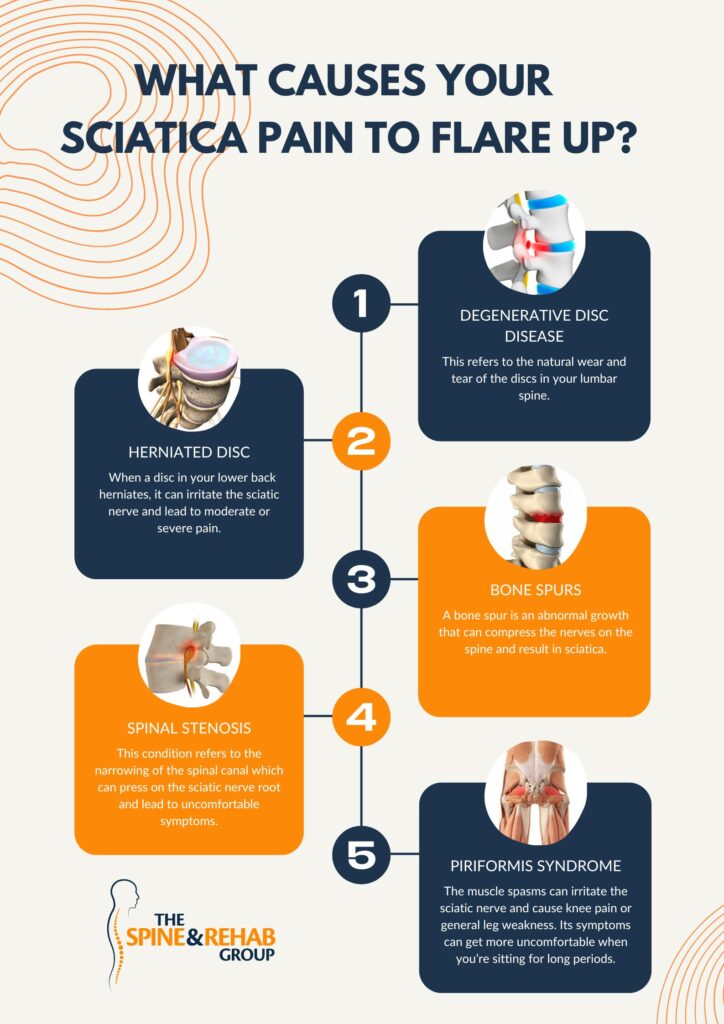
Your spine has three natural curves: neck, mid-back, and lower back. Slouching flattens or over-bends these curves. That pulls on discs and ligaments. Over time, these tissues get irritated. You may feel stiffness, dull ache, or sharp twinges when you move.
Muscle imbalance
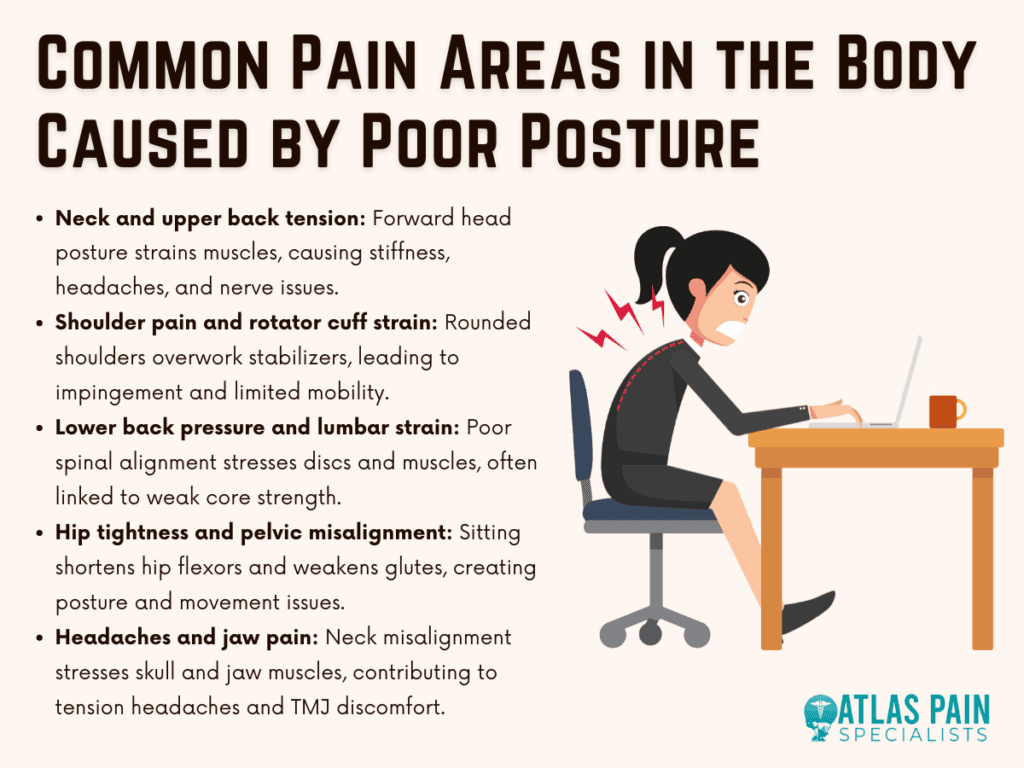
Posture is a team sport. Some muscles hold you up. Others fine-tune small moves. With poor sitting, the “helpers” overwork. The “stabilizers” get weak. Tight hip flexors, weak glutes, tense upper traps, and a lazy core are common patterns. Imbalance breeds pain and fatigue.
Pressure points
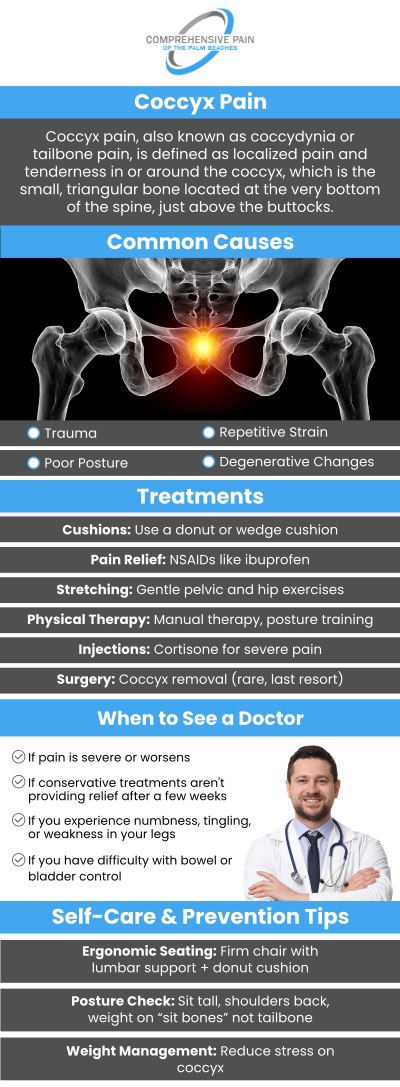
Hard edges and poor angles press on nerves and soft tissue. Think of sitting bones on a hard chair or wrists bent on a desk. That pressure makes areas sore or numb. Small shifts, like a cushion or wrist rest, can reduce hot spots fast.
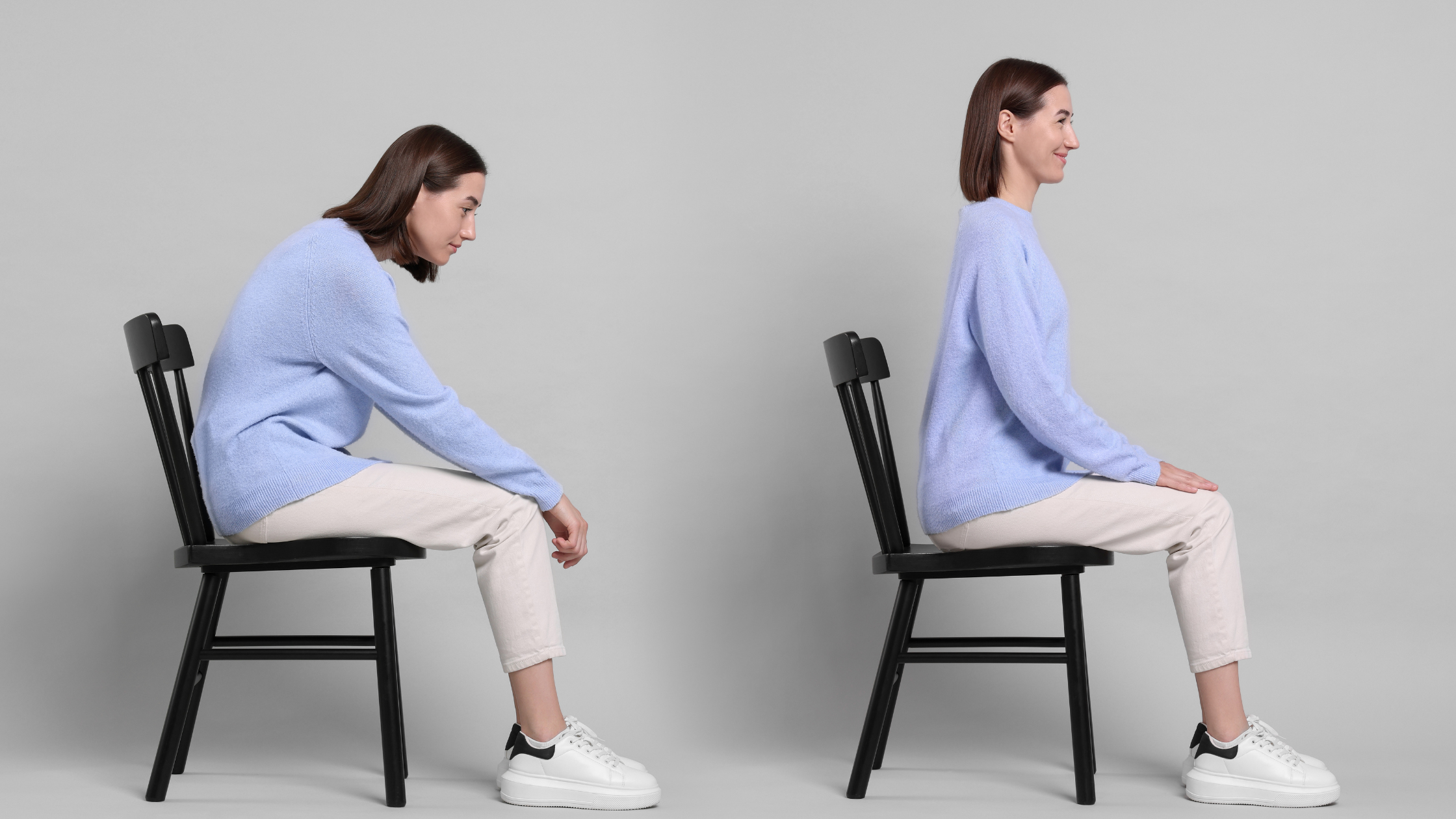
- Key idea: Alignment spreads load. Misalignment focuses load.
- When load focuses, tissues complain.
- Fixing alignment reduces pressure and tension.
Can Poor Posture Really Cause Chronic Pain?
Yes. Poor posture can slowly turn a mild ache into a chronic pattern. It does not happen overnight. It grows as daily strain outpaces recovery. Micro-stress stacks up each hour you sit the same way. One day, the pain stays even when you rest.

How it turns from ache to chronic pain
First, you feel tightness after long work days. Then you need pain cream or a massage to cope. Next, you avoid moves that hurt. Your body adapts around pain, which creates more imbalance. Nerves get more sensitive. Pain becomes your new normal.

Who is at higher risk?
- People who sit 6+ hours a day
- Desk workers who rarely move
- Gamers and coders who lean forward
- Drivers on long routes
- People using laptops without stands
- Anyone with high stress or poor sleep (slower recovery)
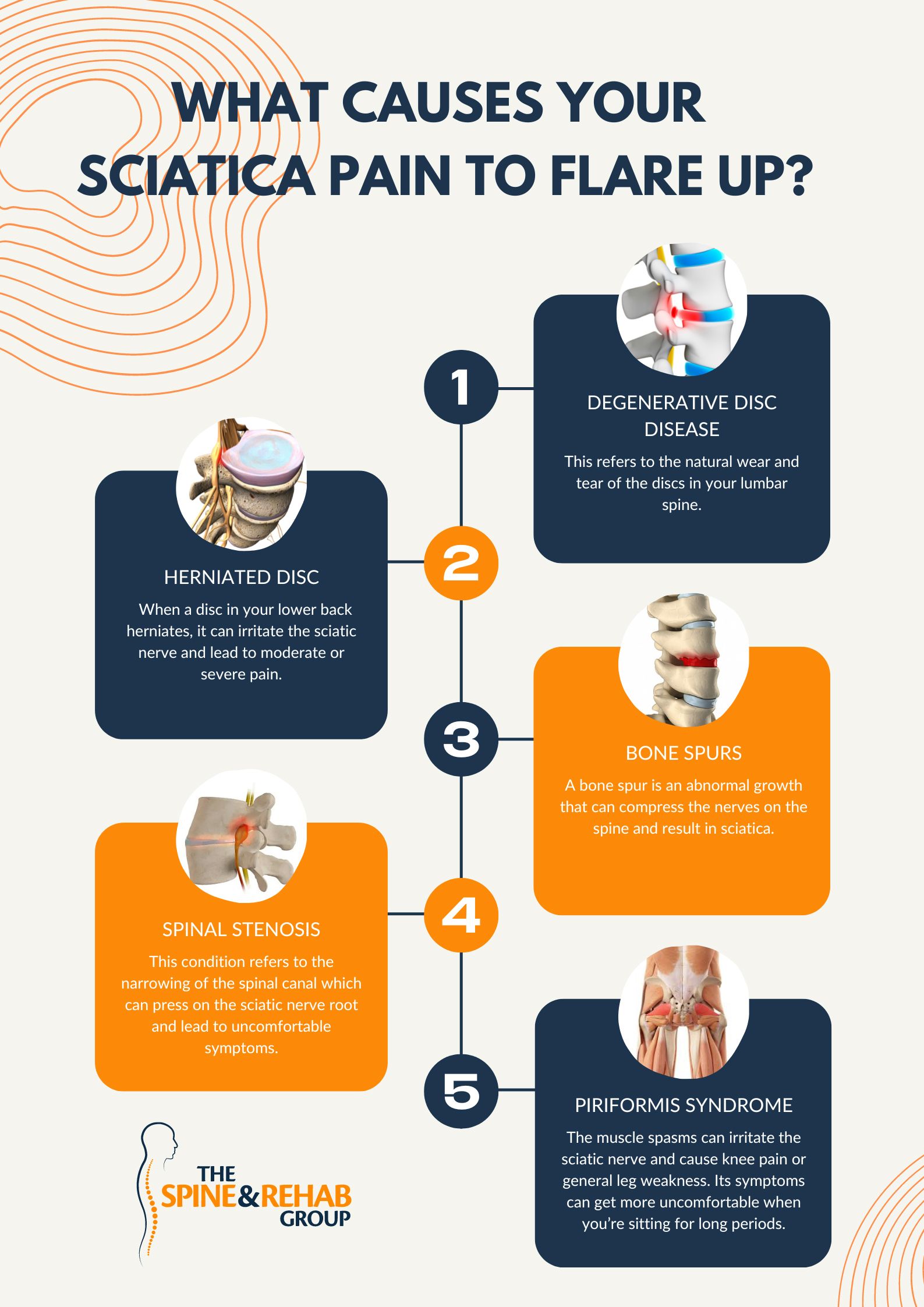
Note: Posture is one factor. Mood, sleep, fitness, past injuries, and stress also shape pain. But posture is a lever you can control today.
Early Warning Signs You Shouldn’t Ignore (CTR BOOST 🔥)
Spotting small “warning signs” early can save you months of pain. Don’t ignore this. Your body whispers before it yells. If you act now, you can reverse many issues with simple fixes that work.

- Neck stiffness or a heavy head
- A dull ache between the shoulder blades
- Lower back pain by mid-day
- Shoulder tension or “burn” near the traps
- Tingling in hands or fingers while typing
- Hip tightness when you stand up
- Headaches that start behind the eyes or at the base of the skull
- A chair that feels “fine” at first but hurts by lunch
When to see a clinician
See a licensed clinician if you have sharp, worsening pain, numbness that spreads, weakness, bowel/bladder changes, fever, or a recent fall. Also get help if pain lasts more than a few weeks despite your best changes.
Why Sitting All Day Makes It Worse
Your body loves movement. Long sitting means your joints do not get fresh lubrication. Muscles lose blood flow and get stiff. Your brain maps a “stuck” pattern. The longer you sit, the more your body forgets better ways to move and support itself.
- Less movement = less circulation = more stiffness
- Slouching compresses the front of the spine and neck
- Leaning forward overloads the shoulders and upper back
- Core goes offline; back muscles do too much
- By evening, your posture “habit” is now locked in
Simple Fixes to Prevent Chronic Pain
You do not need a full home gym. Start with posture tweaks, short breaks, and light moves. Small, steady changes add up. These are simple fixes that work for most people.
The correct sitting posture (quick setup)
- Feet flat on the floor or on a footrest
- Knees at about hip height
- Hips all the way back in the chair
- Neutral lower back with a small lumbar curve (use a support)
- Shoulders relaxed, not shrugged
- Elbows at 90–110 degrees, close to your sides
- Screen at eye level; you should not bend your neck down
Take regular breaks (the 20–8–2 rule)
Every 30 minutes: sit for 20, stand for 8, move for 2. No standing desk? Just stand and stretch. Walk to get water. Roll your shoulders. Set a timer. Consistency beats intensity.
Do gentle “micro-mobility” during the day
- Chin tucks: 10 slow reps
- Shoulder blade squeezes: 10 reps
- Seated hip marches: 20 seconds
- Ankle pumps and calf raises: 20 seconds
- Thoracic rotations: 5 each side
- Deep belly breaths: 5 slow breaths
Best Ergonomic Solutions for Better Posture 💰
You can fix a lot with chair height, lumbar support, and screen position. You do not need premium gear to start. A few smart tools can turn your desk into a body-friendly space in minutes.
Chair: adjustable and supportive
Look for seat height adjustability, firm foam, and lumbar support. Your hips should be back in the chair, with 2–3 fingers of space behind your knees. If your chair lacks support, add a cushion or a small rolled towel at your lower back.
Lumbar support: keep the natural curve
A good lumbar support keeps your lower back neutral, so your core can share the load. Place it at the small of your back, not too low. You should feel gentle support, not a poke.
Footrest: stable base, relaxed hips
If your feet do not touch the floor, use a footrest. This reduces pressure on the back of your legs and helps your pelvis sit neutral. Even a sturdy box can work in a pinch.
Extras that help a lot
- Laptop stand or external monitor to reach eye level
- External keyboard and mouse to keep wrists straight
- Monitor arm to fine-tune height and distance
- Soft-edged desk or wrist rest to reduce pressure points
- Task light to prevent neck craning toward the screen
Note: If you buy gear, choose items with trial windows. Test them for a week. Your body will tell you if it is right.
Common Posture Mistakes to Avoid
Most pain comes from repeat mistakes, not a single bad day. Spot these and fix them now. Your future self will thank you.
- Slouching: Rounding the mid-back and tucking the pelvis under
- Leaning forward: Reaching your chin or shoulders toward the screen
- Wrong chair height: Knees too high or too low changes pelvic tilt
- Perching on the edge: Loses back support within minutes
- Crossed legs for hours: Twists the pelvis and spine
- Phone in lap: Forces neck flexion, causes “tech neck”
- Keyboard too far: Shoulders creep up and forward
Easy visual cues
- Ears over shoulders, shoulders over hips
- Elbows float by your sides
- Screen top at or just below eye level
- Belly soft, breath easy—no bracing to sit
Quick Posture & Pain-Prevention Checklist
Use this 60-second reset, morning and after lunch. It is a simple routine you can do anywhere.
- Feet flat, knees at hip height
- Hips back, lumbar support snug
- Screen at eye level, arm’s length away
- Elbows near 90–110 degrees
- Shoulders down and back, neck long
- Take 3 slow breaths
- Set a 30-minute move timer
- Do 10 chin tucks and 10 shoulder squeezes
- Stand and walk for 2 minutes each half-hour
- Stretch hip flexors for 30–60 seconds after work
FAQs
Q1: How long does it take to fix posture-related pain?
Most people feel some relief in 1–2 weeks with daily breaks, simple mobility, and a better setup. Deeper changes take 6–8 weeks. Go slow. Be consistent. If pain does not improve, see a clinician.
Q2: Do I need a standing desk to avoid pain?
No. Standing desks help, but they are not magic. The key is variety. Mix sitting, standing, and short walks. Use the 20–8–2 rule. A good chair, lumbar support, and screen height matter more than standing all day.
Q3: Can exercise offset a day of bad sitting?
Exercise helps a lot, but it cannot undo eight hours of slouching. You need both: micro-moves during the day and regular workouts. Focus on core, glutes, upper back, and hip mobility for the best mix.
Conclusion
Poor sitting posture can cause chronic pain, but you can change course today. Start with the 60-second checklist, set a move timer, and fix your chair height and screen level. These simple fixes that work add up fast. If you found this helpful, share it with a friend who sits all day, and take five minutes right now to adjust your setup. Your back, neck, and shoulders will thank you.


