

The best sleeping position for neck posture is back or side with proper pillow.
If your neck aches each morning, you are not stuck with it. As a sleep coach and posture nerd, I have tested every setup on myself and with clients. In this guide, I break down the best sleeping position for neck posture with clear steps, simple checks, and gear that actually helps. You will learn what to do tonight, and how to fix common mistakes fast.
Why Neck Alignment Matters While You Sleep
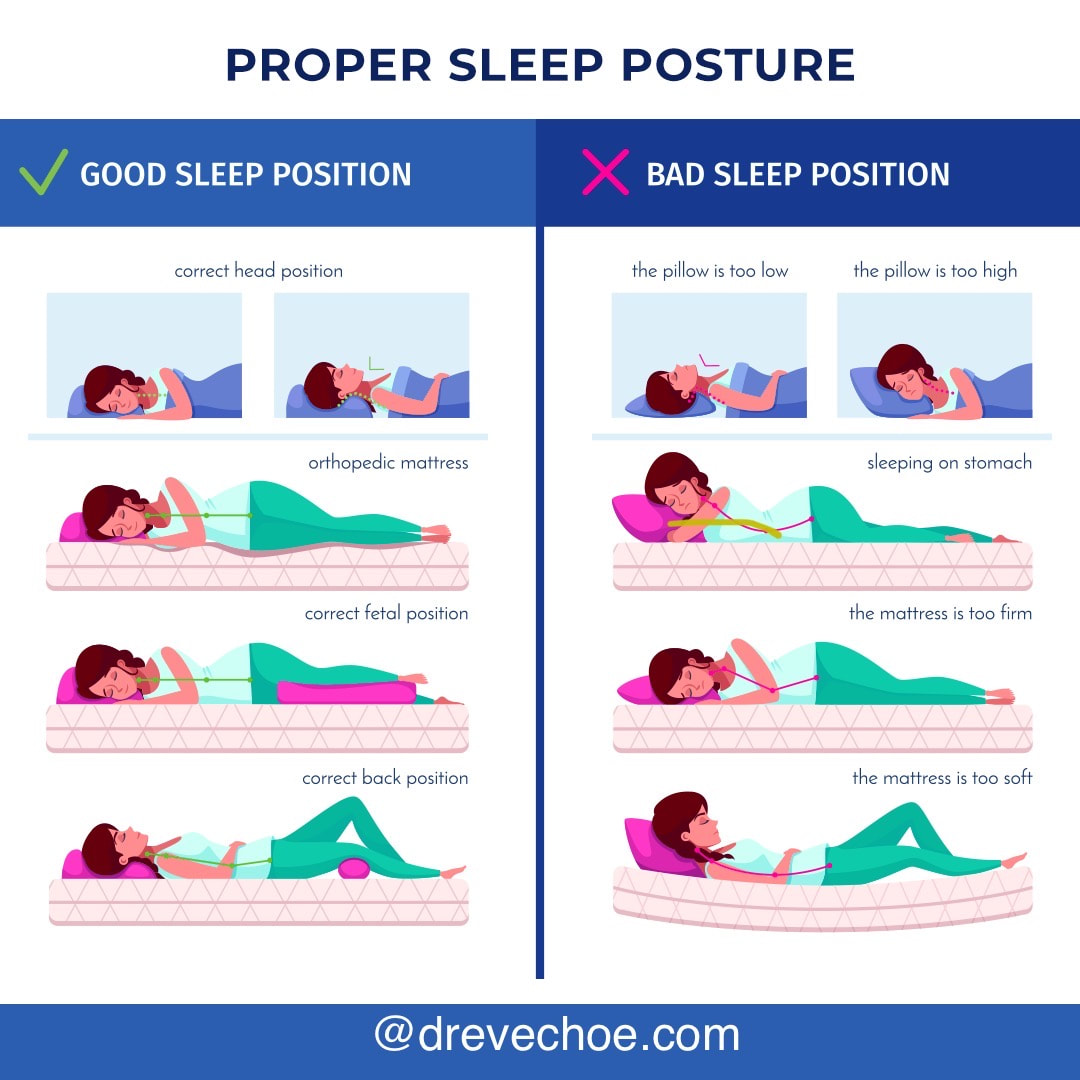
Your neck holds your head, which is about the weight of a bowling ball. At night, your joints and discs like a neutral curve. That means no sharp bend and no long twist.
Good alignment lets muscles rest. Poor alignment makes them work all night. That can spark pain, headaches, tingling, or stiff mornings. Research shows that neutral neck posture helps reduce pain and improves sleep quality. This is why the best sleeping position for neck posture is worth your effort.
The Best Sleeping Position for Neck Posture: Back vs Side
Back and side are both great when set up well. The right choice depends on your body, pillow, and any pain.
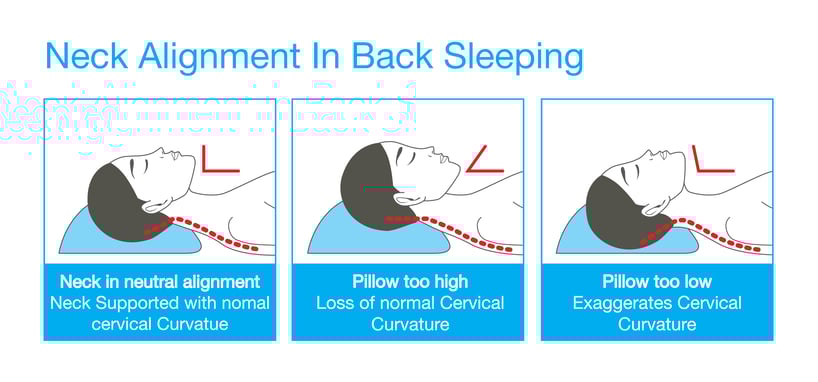
Back sleeping keeps the head level. A low to medium pillow fills the gap under the neck. Side sleeping keeps the nose, chin, and sternum in one line. A higher pillow fills the space from ear to shoulder. I guide clients to test both for one week each. The best sleeping position for neck posture is the one that keeps your neck neutral and you sleep through the night.
Back sleeping setup
- Pick a low or medium loft pillow that supports the neck curve.
- Place a small towel roll under the neck if the pillow is too flat.
- Keep the chin level, not tucked. Your eyes should face the ceiling.
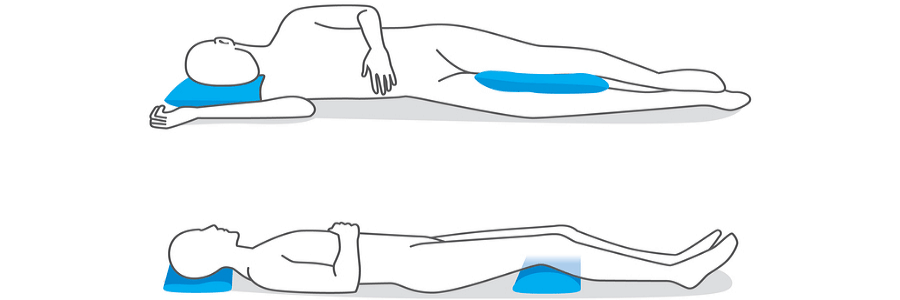
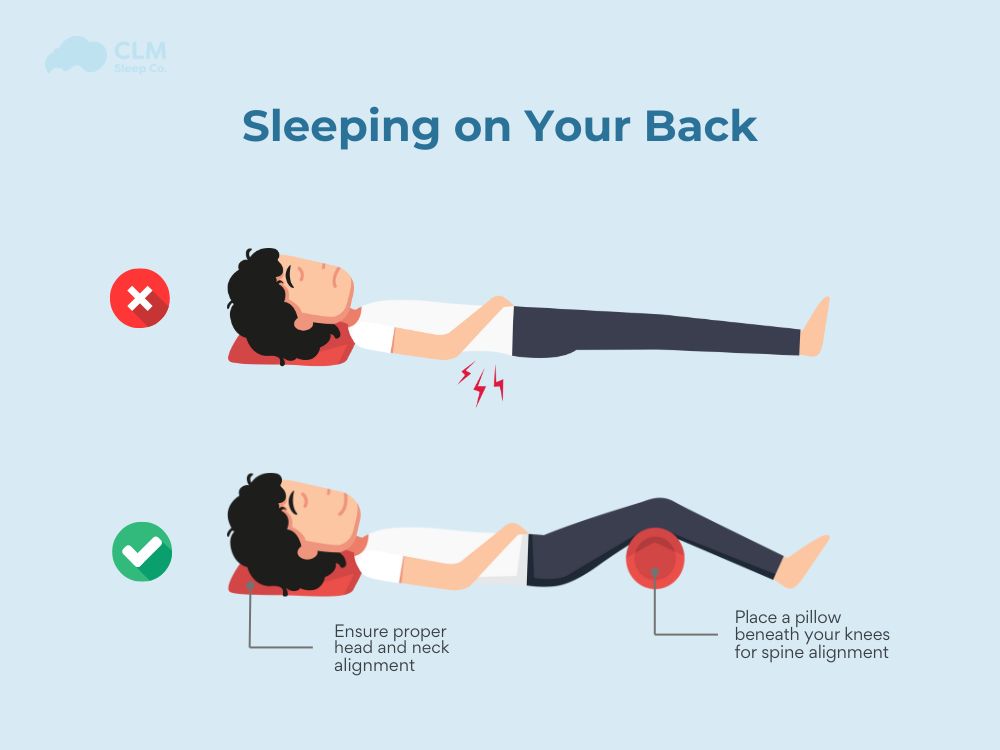
- Put a thin pillow under the knees to relax the low back.
Side sleeping setup
- Choose a pillow as thick as the distance from neck to shoulder.
- Keep the nose in line with the center of the chest.
- Hug a pillow to keep the top shoulder from rolling forward.
- Put a pillow between the knees to level the hips and spine.
Tip from practice: if you wake with numb hands on your side, your pillow is likely too low. Raise it 0.5 to 1 inch. This small tweak often changes the game. The best sleeping position for neck posture often comes down to that tiny height change.

Positions To Avoid And Smart Fixes
Stomach sleeping twists the neck for hours. It can strain joints and nerves. If you must sleep this way, use a very thin pillow, or none at all, and place a pillow under the hip. Then try to roll to side or back mid‑night with a body pillow.
Avoid stacking two big pillows. That jams the chin down. If you need height, switch to one taller, supportive pillow instead. For reading in bed, do not prop your head far forward. Sit up more, or use a wedge under the back.
If snoring or reflux pulls you to odd shapes, try back sleeping with a slight head lift on a wedge. Keep the neck neutral. The best sleeping position for neck posture is still back or side, with a calm, level neck.

Pillows That Protect Your Neck
The right pillow is the hinge for success. Here is how to choose well.
- Loft: Side sleepers often need 4 to 5 inches. Back sleepers need 3 to 4 inches. Petite frames need less. Broad shoulders need more.
- Shape: Contour pillows support the neck curve. Shredded memory foam lets you fine‑tune loft. Latex keeps spring and shape through the night.
- Feel: Medium feel works for most. Too soft lets you sink and bend. Too hard can push your chin up.
- Rule of line: When on your side, your nose and chin should point straight ahead. When on your back, your eyes should face the ceiling.
Pro move I use with clients: adjust in tiny steps. Add or remove a handful of fill. Recheck your head line. The best sleeping position for neck posture depends on a pillow that matches your body, not a one‑size pick.

Mattress And Sleep Surface Tips
Your neck follows your base. If the hips drop deep in a soft bed, the neck bends to match. A medium or medium‑firm mattress suits many people. Side sleepers may like a bit more plush on top for the shoulder. Back sleepers often do well with a flatter, even surface.
Heavier bodies may need firmer support. Lighter bodies may need a softer top layer. Test by lying down and asking: is my ribcage level, and can I breathe easy? If yes, your neck can relax into neutral. This helps lock in the best sleeping position for neck posture.
A Simple Nightly Setup Checklist
Use this quick scan before you fall asleep.
- On back: Eyes to ceiling. Chin level. Neck supported but not pushed up.
- On side: Nose, chin, and sternum aligned. No tilt down or up.
- Shoulder: Not jammed under you. Hug a pillow to open the chest.
- Hips: Pillow between knees on side. Small knee pillow on back if tight.
- Comfort: Can you breathe well and relax in 60 seconds? If not, adjust.
I keep this checklist on a sticky note by the bed for new clients. It shortens the learning curve to the best sleeping position for neck posture.
Routines Before Bed And On Waking
Calm tissue, then align. That works better than forcing posture.
Before bed:
- One minute of slow nose breathing.
- Ten gentle chin tucks. Stop before pain.
- Thirty seconds of shoulder rolls and chest opens.
On waking:
- Gentle neck nods. Look left and right. No push to end range.
- Two minutes of light walking or a warm shower.
These small moves relax muscles so the best sleeping position for neck posture feels natural, not stiff.
Special Cases And When To Seek Help
If you have a fresh injury, numbness, or sharp pain, see a clinician. For cervical disc pain, back sleeping with a small neck roll often helps. For arthritis, side sleeping with a soft top layer can reduce pressure. For sleep apnea, back sleeping may worsen snoring, so test side sleeping with a tall, stable pillow. Pregnant sleepers often find left side with a body pillow best.
If pain lasts more than two weeks, or you have weakness, get checked. A tailored plan plus the best sleeping position for neck posture works better than trial and error alone.
Daytime Ergonomics That Support Night Posture
Your day sets up your night. If you crane your neck all day, sleep will not fix it.
- Screen height: Top of the screen at eye level.
- Phone: Hold at chest height, not at your lap.
- Breaks: Stand up every 30 to 45 minutes. Do five chin tucks.
- Bag: Wear a backpack or use a cross‑body strap. Switch sides.
This keeps the neck calm so the best sleeping position for neck posture can do its job at night.
Quick Q&A (PAA Style)
Is back or side sleeping better for neck posture?
Both can work. Back sleeping is simple to set up, but side sleeping is great if you snore or have reflux.
What pillow height is best for neck posture?
Match the pillow to your body. Side sleepers need about neck‑to‑shoulder distance; back sleepers need less.
Can I train myself to stop stomach sleeping?
Yes. Use a body pillow along your front. It gives your brain a “stomach sleep” feel while you lie on your side. This helps you adopt the best sleeping position for neck posture over time.
Common Mistakes To Avoid
- Stacking pillows. One correct pillow beats two bad ones.
- Chin tucking. Keep the chin level, not forced down.
- Ignoring shoulders. A jammed shoulder will wreck side posture.
- Over‑firm beds. If your shoulder cannot sink, your neck will tilt.
- No patience. It can take one to two weeks to adapt.
I have seen folks quit after two nights. Give your body time. You will find your best sleeping position for neck posture with small, steady tweaks.
A 7 Day Plan To Find Your Best Setup
Day 1–2: Test back sleeping with a low to medium pillow. Add a small neck roll if needed.
Day 3–4: Test side sleeping on your favored side. Adjust pillow loft in half‑inch steps.
Day 5: Try the other side. Note any shoulder pressure or neck tilt.
Day 6: Pick the winner. Fine‑tune pillow height and knee pillow setup.
Day 7: Lock the habit. Place pillows where you want to land if you roll at night.
Keep notes on pain on waking, sleep time, and how easy it felt to relax. The best sleeping position for neck posture is the one that scores best on all three.
Frequently Asked Questions of best sleeping position for neck posture
How do I know my neck is aligned while I sleep?
Take a photo from the side. Your nose and chin should line up with your chest on side, and your eyes should face the ceiling on back.
Is a contour pillow better than a flat pillow?
It depends on your neck shape and comfort. Many people with neck pain prefer a gentle contour because it fills the neck curve.
What if I wake up on my stomach?
Do not stress. Roll to your side, hug a body pillow, and reset your head line. Over time, your body learns.
Can changing my pillow stop headaches?
If headaches start at the base of the skull, a better pillow can help. Aim for neutral alignment and even pressure.
How often should I replace my pillow?
Every 1 to 2 years for foam or fiber pillows. Replace sooner if it sags or you must keep fluffing it to get support.
Conclusion
Your neck wants a calm, neutral curve at night. Back or side can give you that, when your pillow and mattress match your body. Use the checklist, test both setups, and tweak in small steps. That is how you lock in the best sleeping position for neck posture and wake up clear and pain free.
Try the 7 day plan this week. Share what worked for you, ask a follow‑up question, or subscribe for more simple sleep tips.


