

Sit tall, move often, tune your setup, and protect sleep, food, and breaks.
You want simple, proven ways to feel strong at your desk. You also want to work without pain or brain fog. If you have asked how to avoid slumping at work, you are in the right place. I coach teams on posture, energy, and focus, and I have tested these tips on busy days and messy weeks. Let’s turn small moves into big wins.

Source: sandiegouniontribune.com
Why You Slump At Work
If you wonder how to avoid slumping at work, start with the cause. Slumping is a mix of muscle fatigue, stress, and a poor setup. Your brain zones in, your body zones out. After 20 to 40 minutes, your core tires and your shoulders roll.
Here is what drives it:
- Static sitting locks joints and slows blood flow.
- Screens pull your head forward, which adds neck load.
- Stress and tight deadlines shorten your breath and tense your traps.
- Low light and glare make you lean closer to see.
I learned this the hard way while closing a big project. I would “wake up” hunched over my keyboard. The fix was not willpower. It was structure, breaks, and a better fit.
Ergonomics That Hold Your Posture
Want a fast path for how to avoid slumping at work? Fix your desk. Make your setup fit you, not the other way around.
Quick steps:
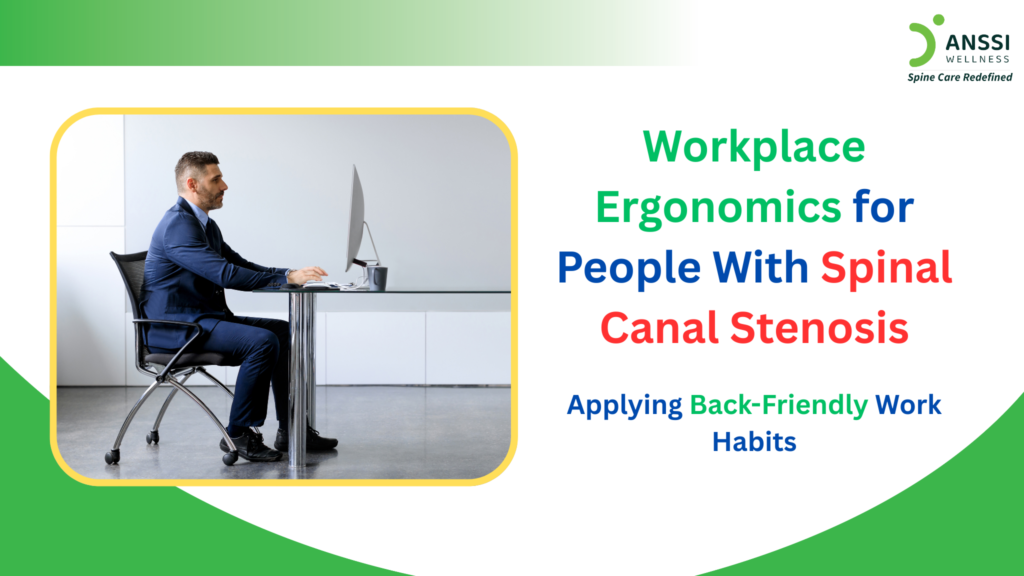
- Chair: Sit back so your hips touch the backrest. Keep hips slightly higher than knees.
- Lumbar: Place small support at the curve of your lower back.
- Elbows: Keep them at 90 to 100 degrees by raising or lowering your chair.
- Desk: Set height so forearms are level. Wrists stay straight, not bent.
- Monitor: Top of the screen at or just below eye level. Arm’s length away.
- Feet: Flat on the floor. Use a footrest if they dangle.
Check your gear:
- Use an external keyboard and mouse with a laptop.
- Tilt the keyboard flat. Avoid strong negative or positive tilt.
- Reduce screen glare. Place light to the side, not behind the screen.
These small pivots reduce strain fast. Research in ergonomics shows that neutral joints lower pain and boost typing comfort. That is the base for how to avoid slumping at work.
Source: concretenetwork.com
Micro-Movements And Breaks
The body loves rhythm. That is a key rule in how to avoid slumping at work. Short, steady moves beat one long workout at day’s end.
Try these cycles:
- 25 minutes focus, 5 minutes move. Stand, stretch, or refill water.
- 20-8-2 rule if you have a sit-stand desk: 20 minutes sit, 8 stand, 2 move.
- 20-20-20 for eyes: Every 20 minutes, look 20 feet away for 20 seconds.
Do quick moves at your desk:
- Chin nods: Gently tuck your chin and lengthen your neck. 5 reps.
- Shoulder rolls: Up, back, and down. 10 reps.
- Seated hip shifts: Rock side to side on your sit bones. 10 reps.
- Calf pumps: Lift heels, then toes. 20 reps.
- Desk squat: Stand, hinge hips back, sit down with control. 5 reps.
These take less than a minute. They wake up your core and legs. They also remind your mind to reset.
Energy: Sleep, Hydration, And Food
If you want to master how to avoid slumping at work, protect your fuel. Posture fails when energy dips.
Do the basics well:
- Sleep 7 to 9 hours if you can. Keep a steady bedtime and wake time.
- Drink 8 to 10 cups of water. Sip all day. Add a pinch of salt if you sweat.
- Front-load protein and fiber at breakfast and lunch. Add colorful plants.
- Time caffeine. One cup in the morning. One more before noon if needed.
- Go easy on heavy, greasy meals at lunch. They slow you down.
Use light to your edge:
- Morning light for 10 minutes helps focus and mood.
- Reduce harsh blue light late in the day to ease sleep.
When I fixed my late-night emails, my slump faded. I slept better, and my back stopped nagging me by 3 p.m.

Source: youtube.com
Work Flow That Fights The Hunch
Another lever for how to avoid slumping at work is task design. The way you plan work can shape your posture.
Try this:
- Batch typing tasks together. Then switch to calls you can take standing.
- Use meeting breaks. Stand for intros or recaps.
- Limit tab chaos. Fewer tabs mean less leaning in and less eye strain.
- Use shortcuts and voice dictation for long notes.
- Plan your day in blocks. Place movement between deep work and meetings.
When a task bores you, your body slumps. Add a timer and a small challenge. I like a six-song sprint playlist. When the music stops, I stand.
Source: anssiwellness.com
Tools And Workspace Tweaks
Gear will not do the work for you, but it helps. This is a gear guide for how to avoid slumping at work.
Helpful tools:
- A chair with real lumbar support or a simple cushion.
- A stable footrest if your feet do not touch the floor.
- A sit-stand desk or a converter for part of the day.
- An external monitor set at eye level.
- A headset for calls so you do not cradle the phone.
Light and air:
- Use warm, indirect light near your screen.
- Keep the room cool. Slightly cool rooms raise alertness.
- Add a small plant. Green softens the space and helps you relax your shoulders.
Set one rule: When you feel the hunch, change one thing. Stand up, stretch, or switch tasks for two minutes.
Source: chemical-concepts.com
Mindset, Stress, And Your Body
Your posture is a mood mirror. A tough day can pull you down. That is why how to avoid slumping at work also means caring for stress.
Use fast resets:
- Box breathing: Inhale 4, hold 4, exhale 4, hold 4. One minute.
- Name the task out loud. Then name the next step. This ends freeze.
- Drop your shoulders on every email send. Make it a cue.
I used to chase a perfect desk. It never came. What worked was steady care. One cue, one breath, one stretch, many times a day.
Build Habits That Last
If you want to keep gains, build simple cues. Habit science backs this. That is central to how to avoid slumping at work.
Make it stick:
- Pair moves with things you already do. Stand whenever you join a call.
- Put a water bottle by your mouse. You will sip more.
- Set 3 alarms: start, middle, and end of day for posture checks.
- Use a sticky note with three words: sit back, chin tuck, breathe.
- Track one metric: minutes moved or steps. Aim for a streak.
Run a two-week test:
- Week 1: Fix chair and monitor. Add two micro-breaks per hour.
- Week 2: Add one standing call block per day. Review how you feel.
Small wins build pride. Pride builds more wins.
Manager And Team Playbook
Leaders can guide how to avoid slumping at work for a whole team. Culture beats rules.
Helpful norms:
- Plan five-minute buffers between meetings.
- Offer stipends for a monitor, keyboard, or a footrest.
- Host walking 1:1s or stand-up kickoffs.
- Share a team stretch at the start of long workshops.
- Celebrate break-taking, not only late-night hustle.
I have seen meeting buffers cut back pain reports in a month. People used the time to stand, breathe, and reset.
A Sample Day That Keeps You Upright
Here is a simple map for how to avoid slumping at work. Use it as a base and tweak it to fit your world.
Morning
- Light stretch, water, protein-rich breakfast.
- Set up chair and monitor. Two deep breaths.
- 25 minutes deep work, 5 minutes stand and sip.
Midday
- Walk during a short call.
- Lunch with plants and protein. Ten-minute walk after.
- Reset posture on return. Chin tuck, shoulder roll.
Afternoon
- Alternate sit and stand each hour.
- Do two rounds of eye breaks.
- Wrap with a two-minute tidy. Note wins and tomorrow’s first task.
This flow is short, kind, and real. It works on busy days and travel days.
Frequently Asked Questions of how to avoid slumping at work
What is the fastest fix for a mid-day slump?
Stand up, roll your shoulders, and reset your chair and screen height. Drink water and take a 60-second walk.
How often should I switch from sitting to standing?
Aim to stand or move at least 10 minutes every hour. Short, regular changes beat long, rare ones.
Do I need a fancy chair to keep good posture?
No. A decent chair with lumbar support, or a small cushion, can work well. Fit and setup matter more than price.
Can exercise alone solve my slumping?
Exercise helps, but static sitting will still pull you down. Mix training with micro-moves during your day.
What if my job keeps me at a laptop?
Use a stand, an external keyboard, and a mouse. This brings the screen to your eyes and keeps wrists neutral.
How long until I notice a change?
Many people feel better in one week. Bigger, lasting gains often show in two to four weeks of steady habits.
Conclusion
You now have the playbook: tune your setup, add tiny moves, and protect sleep, food, and light. That is how to avoid slumping at work in a way that lasts. Start with one cue today, like a five-minute stand after each focus block.
Pick one change and try it for seven days. Notice what helps. Keep it, then add one more. Want more tips like this? Subscribe, share your wins, or ask a question so we can improve this guide together.


