
We sit more than ever. Work, study, driving, gaming—it all adds up. A good seat cushion can make long hours easier on your back, hips, and tailbone. But gel vs foam can be confusing. The real difference is not only about feel. It’s about how your body, chair, and day-to-day use match each material. This quick guide shows you which one you should choose, so you don’t waste money on the wrong one.
Affiliate Disclosure
Some product suggestions in this guide may include affiliate links. If you buy through these links, we may earn a small commission at no extra cost to you. We recommend products based on usefulness, value, and real user needs—not sponsorships. Your trust comes first.
Check Price on Amazon
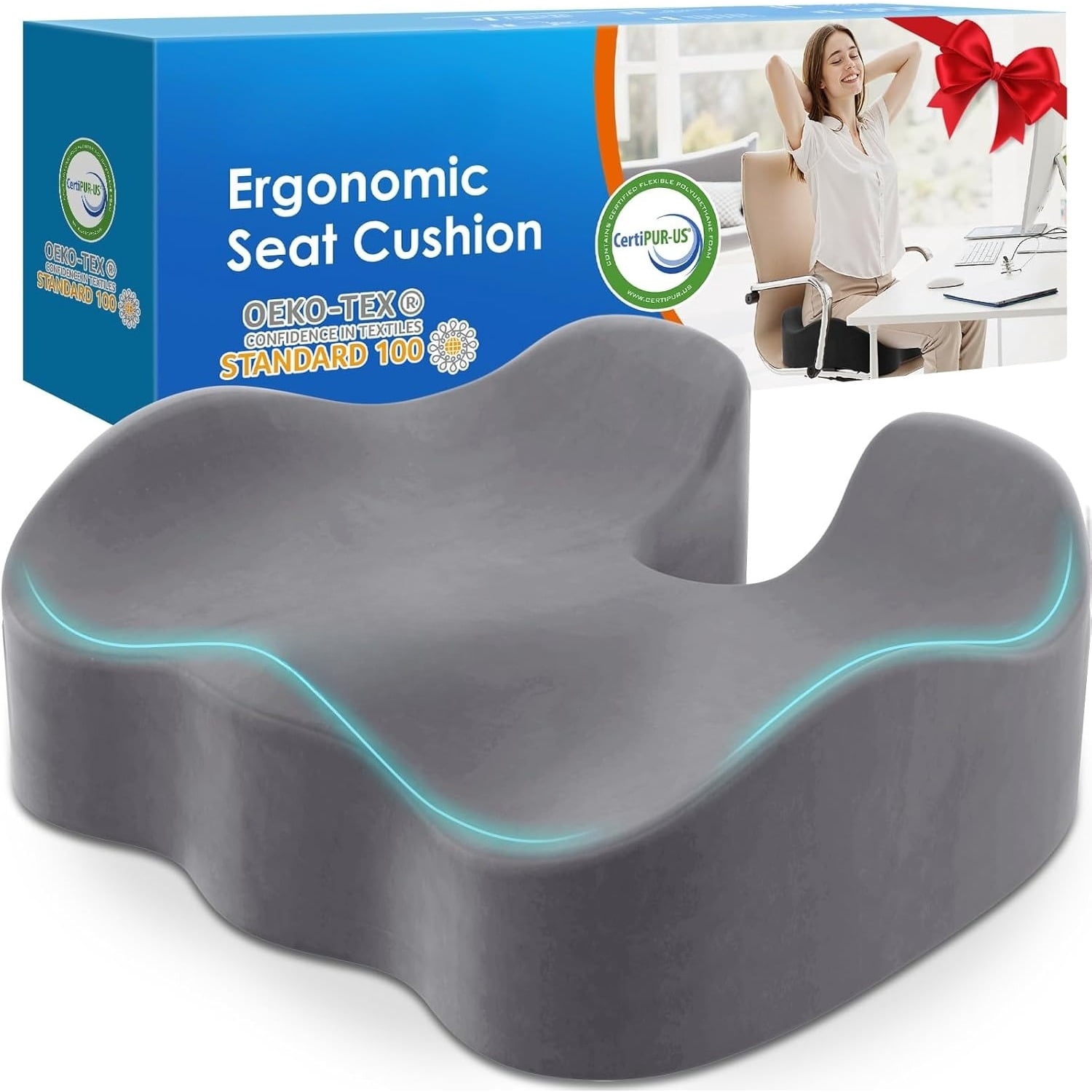
Gel cushions are better for cooling and quick pressure relief. Foam cushions (especially memory foam) are better for consistent support and posture. For long sitting, foam often wins for support. For hot weather or heat sensitivity, gel feels cooler. The best choice depends on your body, chair, and sitting time.

Check Price on Amazon
Gel vs Foam Seat Cushion (Quick Comparison)
If you want a quick snapshot, here’s the real difference: gel cools and spreads pressure fast; foam shapes to your body and holds support longer. Both can help with comfort and back strain. Your daily needs decide which one is better for you.
Check Price on Amazon
| Factor | Gel Seat Cushion | Foam Seat Cushion |
|---|---|---|
| Comfort | Cool touch, springy feel | Soft, body-hugging feel |
| Cooling | Better cooling and airflow | Warmer; can trap heat |
| Durability | Can bottom out if thin or cheap | Good if high-density; can compress |
| Support | Good quick relief | Better sustained support for long sits |
What Most People Get Wrong When Choosing a Cushion
Most people get this wrong: they choose a cushion by price or star rating alone. That can backfire. The real difference shows up after hours of sitting. Your weight, your chair, and your climate matter a lot more than you think.
Mistake 1: Choosing on Price Only
A cheap gel pad can feel great for 10 minutes, then bottom out by lunch. A bargain foam cushion may be too soft and flatten fast. Price is not the best signal. Look for density (foam), thickness (gel), and real test feedback from users who sit like you.

Mistake 2: Ignoring How Long You Sit
Short stints are easy on most cushions. Eight hours is not. Foam tends to hold support over a full workday. Gel cools fast, then may feel thinner over time if the layer is small. Match the cushion to your sitting time.

Mistake 3: Ignoring Body Weight
Your weight changes how a cushion performs. Lighter users often love memory foam because it hugs them without sinking. Heavier users may need higher-density foam or thicker gel to prevent bottoming out. Always check weight guidance when available.
Gel Seat Cushion – Pros and Cons
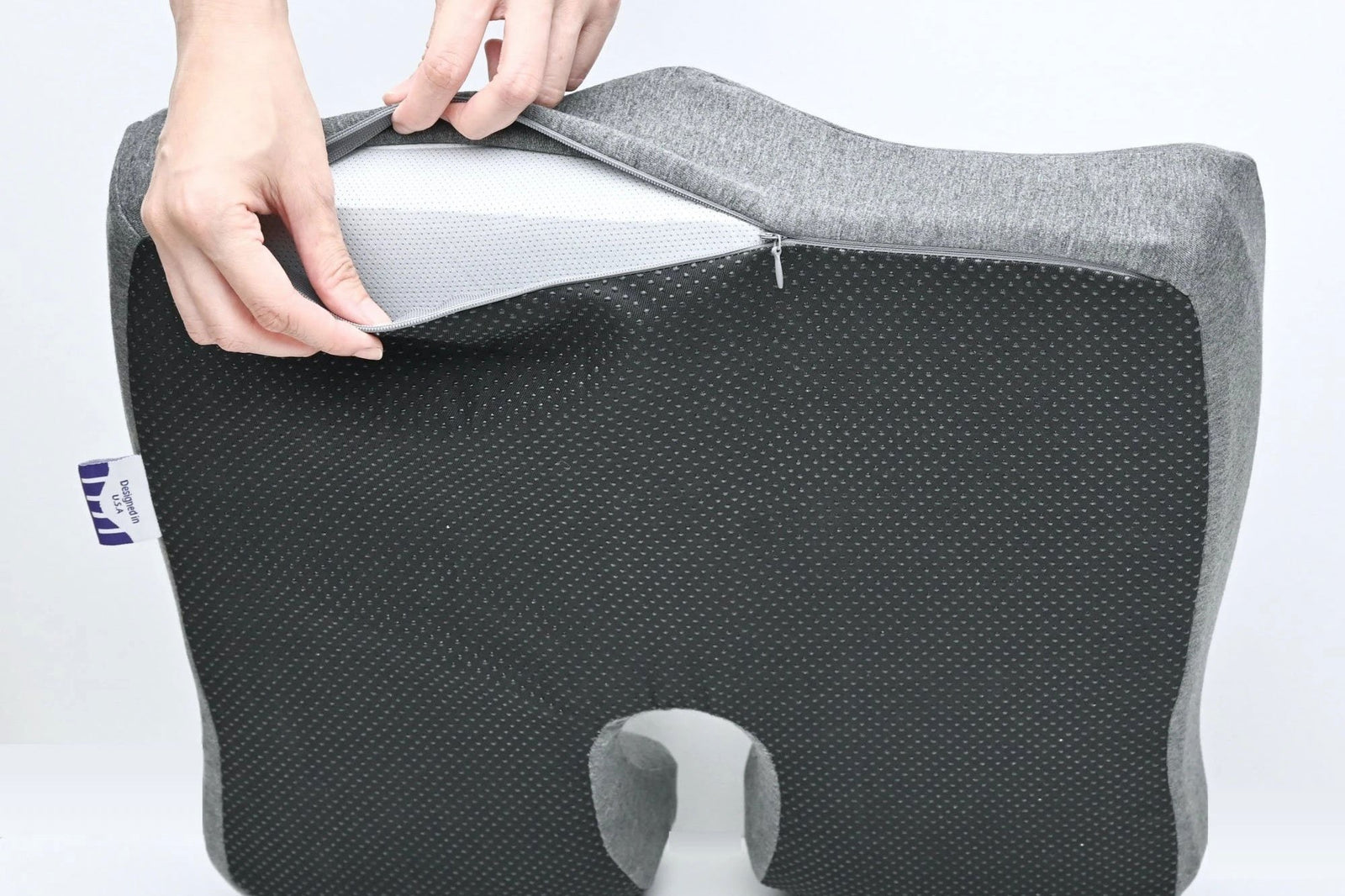
Gel cushions usually use a honeycomb grid or a gel-infused layer. They spread pressure and feel cool to the touch. People who run hot or live in warm places love them. But they can feel a bit firm, and thin gel pads may not hold up for long days.

Pros:
- Cooling airflow: Gel grids breathe well. You feel less sweaty.
- Pressure distribution: Gel spreads load across your hips and thighs.
- Easy to clean: Many come with washable covers and wipeable gel.
Cons:
- Can feel firm: Some users want more softness or contour.
- May bottom out: Thin or low-quality gel pads compress fast.
- Less posture support: Not as shape-holding as dense foam.
Best for:
- Hot weather or warm offices
- Short to medium sits
- People who overheat on memory foam
Foam Seat Cushion – Pros and Cons
Foam cushions, especially memory foam, mold to your shape. They keep support under your sit bones and help your pelvis stay even. This can help posture and reduce numbness. But foam can trap heat, and very soft foam can flatten over time.
Pros:
- Soft and supportive: Foam hugs your body while holding shape.
- Molds to body: Good for spine alignment and even pressure.
- Stable feel: Great for long sitting and focused work.
Cons:
- Can trap heat: Some foams feel warm after a while.
- Quality varies: Low-density foam wears out faster.
- Takes a moment to rebound: Not as springy as gel.
Best for:
- Long sitting days (8+ hours)
- Back and tailbone support
- Users who want stable, consistent comfort
Which One Is Better for You? (Real Use Cases)
Which one should you choose? It depends on your day, your body, and your chair. Use these real cases to match your needs.
For Long Sitting (8+ Hours)
Pick high-density memory foam. It holds you in a neutral posture. It supports your pelvis and reduces hot spots over time. If you run hot, look for gel-infused memory foam with breathable cover fabric. Many find foam the better bet for full workdays.
For Back Pain
Choose a U-shaped memory foam cushion with a cutout for the tailbone. Foam keeps your sacrum and hips level. This can ease pressure on the lower back. Gel helps with comfort, but foam offers more structure for posture. If pain is severe, talk to a clinician.
For Hot Weather
Go gel. A breathable gel grid moves air under you. It feels cool to start and stays cooler than plain foam. If you still want support, try a hybrid: gel layer on top of dense foam. That way you get cooling plus steady base support.
For Office vs Car Use
- Office: Foam often wins. It pairs well with task chairs and keeps posture steady.
- Car: Gel can help with heat and quick relief. But if your car seat is soft, a firmer foam cushion gives better alignment for long drives.
Best Gel and Foam Seat Cushions (Top Picks)
Below are four strong choices. No fluff—just clear benefits. Match them to your needs and setting.
- Top Gel Pick: Cooling Gel Grid Cushion
A thick gel honeycomb grid that allows airflow and reduces heat buildup. It spreads pressure under your sit bones and thighs. Great for hot offices and warm climates. Works well in cars too. If you need quick relief without getting sweaty, this is a solid pick. - Value Gel Pick: Gel-Enhanced Hybrid Pad
A gel top layer over supportive base foam. You get a cool touch with better long-term support than thin gel-only pads. Good for mixed use—work, driving, and home. The washable cover and anti-slip base make it easy to use on many chairs. - Top Foam Pick: High-Density Memory Foam Seat Cushion (U-Shaped)
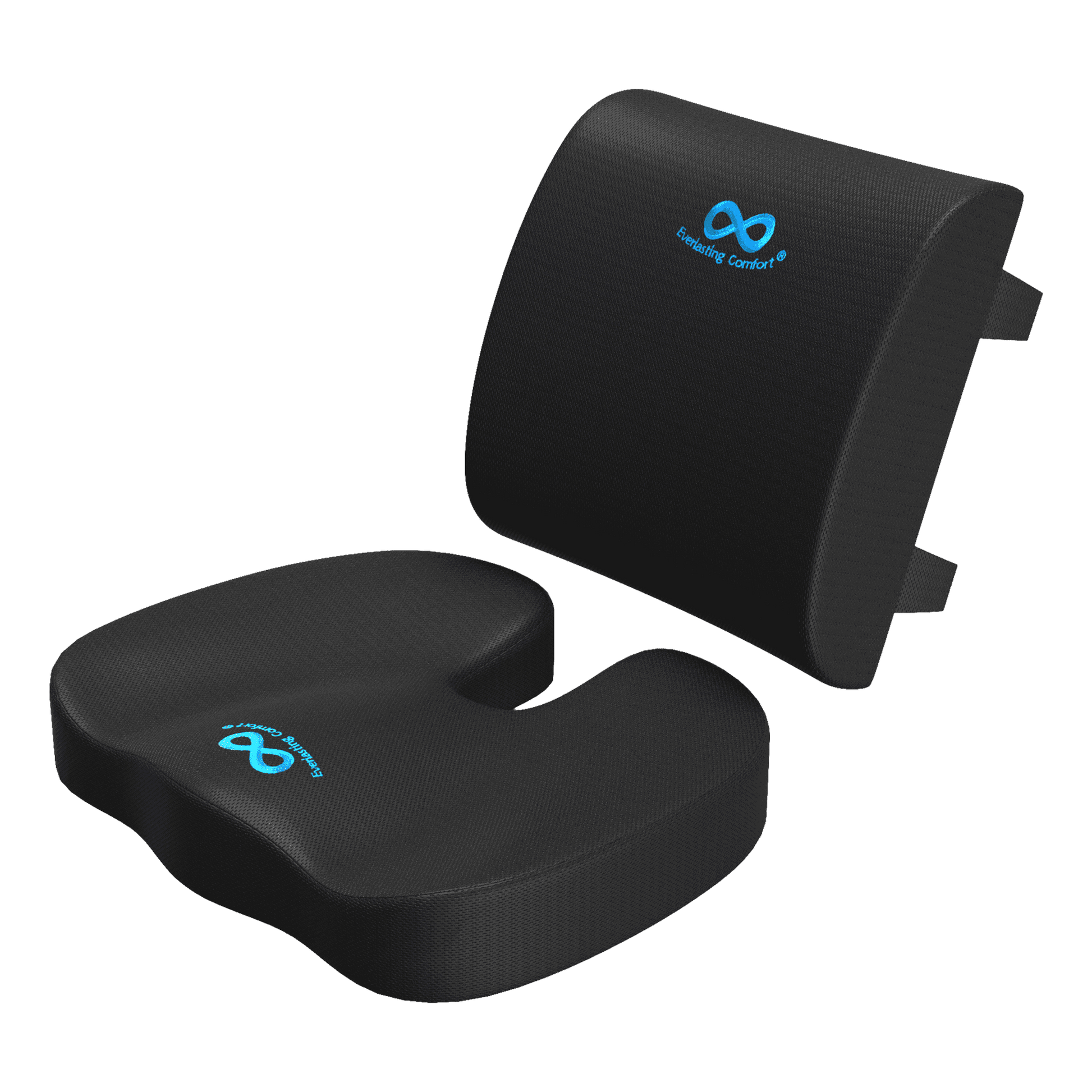
Dense memory foam molds to your body while resisting collapse. The U-cut relieves tailbone pressure, which can help reduce lower back tension over time. Ideal for 8+ hour days at a desk. Choose a breathable cover to keep the seat cooler and clean. - Ergonomic Foam Pick: Contoured Wedge Memory Foam Cushion
A slight wedge tilts the pelvis forward to support a natural spine curve. The contoured surface keeps your hips centered. Great for office chairs that feel too flat. Look for a non-slip base and removable, washable cover for daily use.
When Neither Gel nor Foam Is Enough
Sometimes a cushion is only part of the fix. If you still feel sore, use a lumbar support pillow to hold your lower back curve. Or upgrade your chair to an ergonomic model with seat depth and lumbar control. Short, hourly stand-and-stretch breaks help more than any cushion alone.
Quick Buying Checklist
Use this simple list before you buy. It saves time and money.
- Sitting time: Under 2 hours? Gel is fine. Over 6–8 hours? High-density foam is safer.
- Body weight: Heavier users need thicker gel or higher-density foam. Check the weight range.
- Heat sensitivity: Run hot? Choose gel or gel-infused foam with a breathable cover.
- Chair type: Firm chair? Softer foam works. Soft car seat? Denser foam for better support.
- Shape: Need tailbone relief? Get a U-shaped cutout.
- Cover: Removable, washable, and non-slip is best.
- Size: Measure your chair. A too-small cushion reduces support.
FAQs
Is gel better than memory foam?
Gel is better for cooling and fast pressure spread. Memory foam is better for support and posture over long hours. If heat is your main issue, go gel. If you need steady support for all-day work, go memory foam.
Do seat cushions help back pain?
They can. A well-shaped foam cushion supports your pelvis and reduces tailbone load. This may ease lower back strain. Add a lumbar pillow for even better results. If pain is sharp or lasts, see a healthcare professional.
How long do cushions last?
Good foam cushions last 1–3 years with daily use. High-density foam lasts longer. Gel pads vary: thick, quality gel or hybrids last longer; thin gel-only pads may compress sooner. Keep them clean and rotate if possible.
Conclusion
Choose gel if you run hot, live in a warm place, or need quick comfort for short-to-medium sessions. Choose foam if you sit long hours and want steady support and better posture. The best pick depends on your time, body, and chair. Don’t waste money on the wrong one—match the cushion to your real use. Pick based on your need, not the trend.


