

Most desk workers can improve posture in 30 days. You do not need fancy gear. You need consistent daily habits, an ergonomic desk setup, and simple movement breaks. Your body adapts fast when you give it clear cues. Use this plan to reset your sitting posture, reduce pain, and feel stronger at your desk.

– Alt: Person at a desk practicing upright posture with neutral spine
Affiliate Disclosure: Some links on our site may be affiliate links. If you buy through them, we may earn a small commission at no extra cost to you. We only recommend tools we trust and use. This helps us keep our ergonomic guides free and up to date.
Why Desk Workers Develop Poor Posture
Hours at a screen make your body drift. Your shoulders round. Your chin pokes forward. Your hips stiffen. Your core and glutes switch off. Over time, these patterns feel “normal.” The good news: your body is trainable. With small, steady changes, you can rebuild support and alignment.
– Alt: Illustration showing rounded shoulders and forward head from long sitting
Key drivers:
- Repetition: Same position, day after day.
- Inactivity: Muscles that hold you up get weak.
- Screen reach: Keyboard and mouse positioned too far away.
- Stress and fatigue: You slump when tired or focused.
Signs Your Desk Posture Needs Improvement
You do not need a mirror to check posture. Your body sends clear signals.
- Neck tightness or tension headaches by day’s end
- Upper back or shoulder ache while typing
- Low back pain after long meetings
- Numb fingers or tingling forearms
- Deep breath feels harder when slouched
- Chair feels “never quite right” despite adjustments
%20(1).webp)
– Alt: List of posture pain areas highlighted on a desk worker silhouette
If two or more sound familiar, a 30-day reset can help.
What Causes Bad Posture While Sitting
Bad posture is not a character flaw. It is a design and habit issue.
- Monitor too low or off to one side
- Chair too high or too low
- Feet dangling or tucked under the chair
- Keyboard too far away, causing shoulder reach
- Lack of back support near belt line
- Long, unbroken sitting blocks blood flow and weakens support
– Alt: Common ergonomic mistakes at a workstation setup
Fix the setup first. Then layer better movement and muscle cues.
Ergonomic Desk Setup Basics
Good posture starts with an ergonomic desk setup that fits you. Adjust from the feet up.
- Feet: Flat on the floor or on a footrest. Knees level with or slightly below hips.
- Seat height: Thighs roughly parallel to the floor. No pressure behind the knees.
- Seat depth: 2–3 fingers of space between the chair edge and the back of your knees.
- Lumbar support: Cushion touches the small of your back (belt line).
- Armrests: Support elbows at about 90 degrees, shoulders relaxed.
- Keyboard and mouse: Close to your body. Elbows by your sides. Wrists straight.
- Monitor height: Top of the screen at or slightly below eye level. Center of the screen about 15–20 degrees below eye gaze. Place it an arm’s length away.
Ideal ergonomic desk setup with correct monitor height and chair adjustments
Helpful reads:
- See our ergonomic chair guide for choosing proper lumbar support.
- Check our monitor height article to dial in screen level.
- Explore our desk setup articles for step-by-step layouts.
- Curious about sit-stand? Our standing desk guide can help.
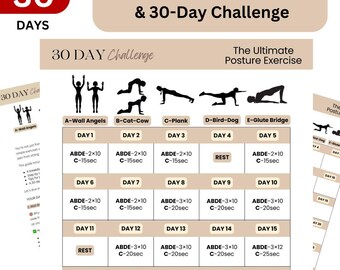
30-Day Posture Improvement Plan
Use this simple, structured plan. It blends setup tweaks, daily cues, and short posture exercises for desk workers. Set calendar reminders. Keep it light but consistent.
Week 1: Align and Aware
- Day 1–2: Set up your chair, desk, and monitor using the guide above.
- Day 3–7: Practice the “Tall-Tuck-Breathe” cue every hour.
- Tall: Grow an inch through the crown of your head.
- Tuck: Gently tuck chin to align ears over shoulders.
- Breathe: Take 3 slow belly breaths. Ribs expand all around.
- Do 2 “Movement Snacks” daily (2–3 minutes each):
- Neck retraction x10
- Shoulder blade squeezes x10 (down and back, not up)
- Seated hip marches x10/side
Week 2: Strength and Stretch
- Add these posture exercises 4 days this week (5–8 minutes):
- Wall angels x8–10
- Thoracic extension over a chair back x8
- Glute bridges x10–15
- Dead bug hold x20–30 seconds x2
- Keep Movement Snacks hourly. Keep Tall-Tuck-Breathe.
Week 3: Endurance and Breaks
- Set a 30–45 minute timer to stand, walk, or stretch for 2 minutes.
- Add a 10-minute walk after lunch.
- Posture set x3/week (8–10 minutes):
- Plank or incline plank x20–30 seconds x2
- Rows (band or cable) x10–12
- Hip flexor stretch x30 seconds/side x2
- Review desk fit. Small tweaks often help as you get stronger.
Week 4: Integrate and Maintain
- Keep hourly cues and 30–45 minute breaks.
- Practice “Active Sitting” 10 minutes per hour:
- Shift weight, small pelvic rocks, mini shoulder rolls.
- Optional: 1–2 standing sessions/day at a standing desk for 15–25 minutes, keeping the same monitor height principles.
Progress checkpoints each Friday:
- Pain levels 0–10
- Neck and shoulder ease
- Energy at 3 pm
- Ability to hold tall posture without strain
– Alt: 30-day posture improvement calendar with weekly goals
Tip: Consistency beats intensity. Five minutes done daily will change more than one long weekend session.
Daily Habits That Improve Posture Faster
Small choices stack up.
- Phone at eye level; avoid long chin-to-chest scrolling.
- Carry your bag on alternate shoulders or use a backpack.
- Sip water often. Hydration helps tissue and focus.
- Sleep on your side or back with a neutral neck pillow.
- Do a 1-minute reset before big calls or meetings.
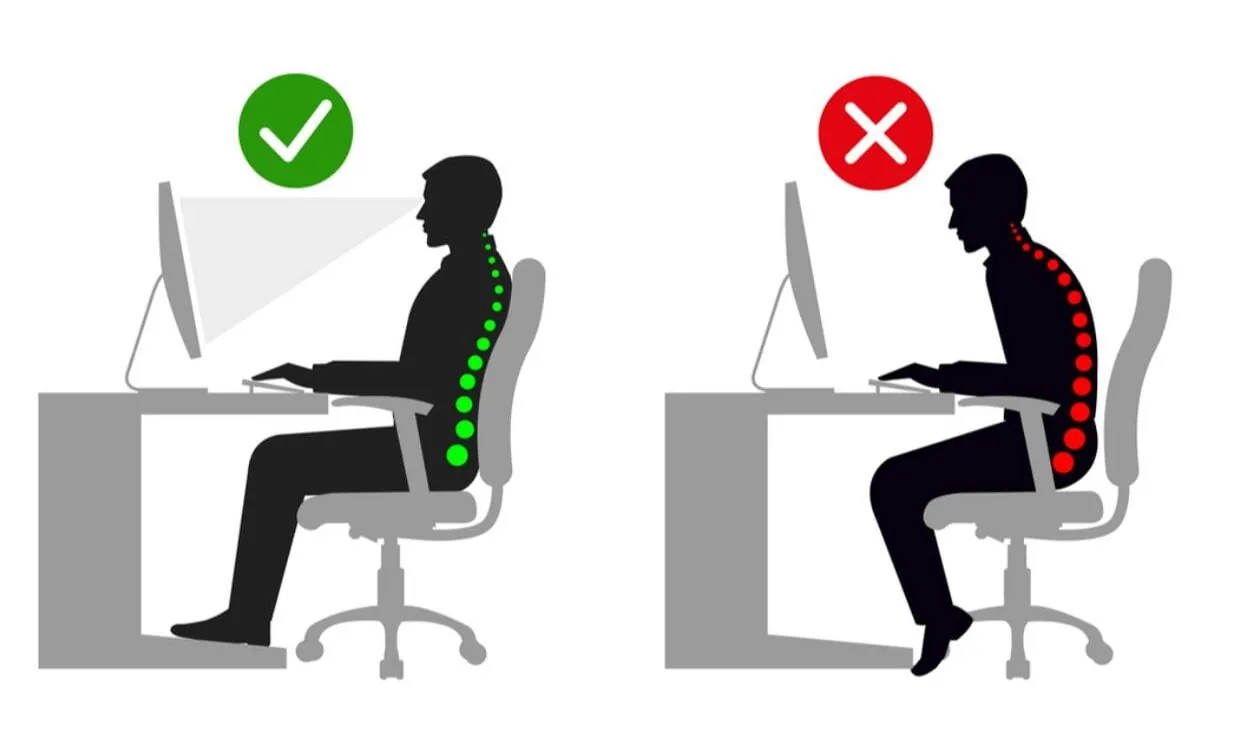
– Alt: Daily posture habits checklist for desk workers
Batch healthy friction:
- Keep a mini band at your desk for quick rows.
- Use a footrest box if your feet dangle.
- Park farther away to add steps.
Best Sitting Position for Desk Workers
Think “long spine, soft shoulders, active core.”
Checklist:
- Sit back so your pelvis contacts the backrest.
- Keep lumbar support at belt line.
- Stack ears over shoulders, shoulders over hips.
- Elbows at 90 degrees, wrists straight, mouse close.
- Knees at or slightly below hip height, feet flat.
– Alt: Best sitting posture with neutral spine and feet flat
Use the 20-8-2 pattern each half hour:
- Sit well for 20 minutes.
- Stand for 8 minutes (or walk).
- Move for 2 minutes (stretches or steps).
Common Posture Mistakes to Avoid
- Perching at the chair edge all day
- Crossing legs for long periods
- Resting wrists hard on the desk edge while typing
- Shrugging shoulders to reach keyboard or mouse
- Placing the monitor off-center
- Ignoring pain signals “to power through”

Fix one mistake per day. Small wins add up.
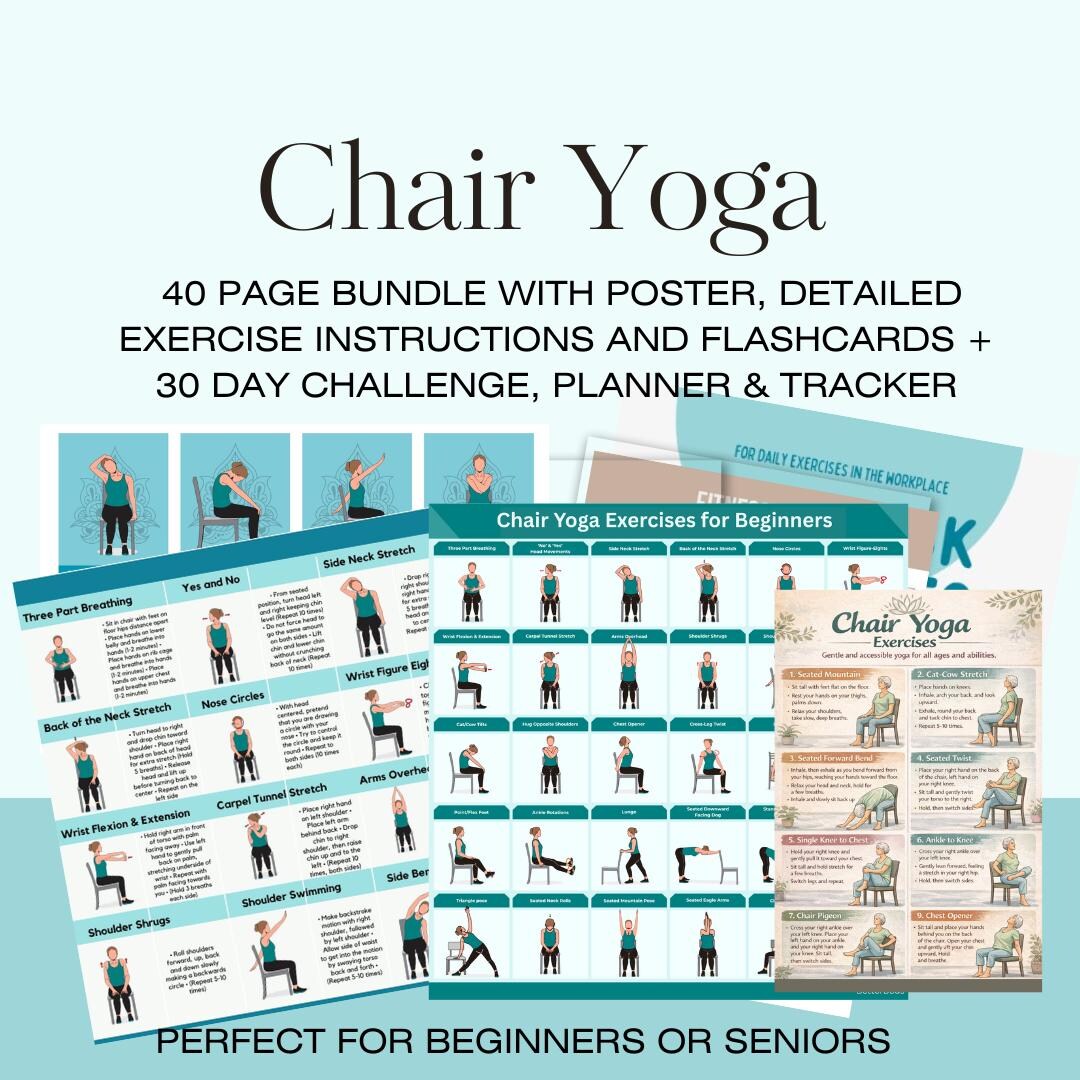
Simple Desk Stretches for Better Posture
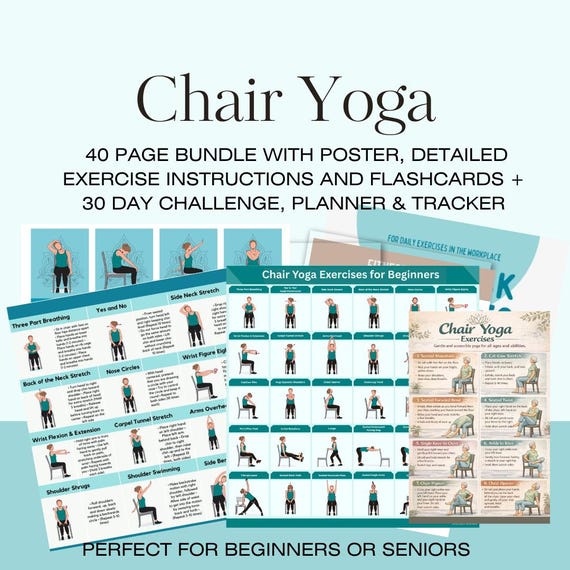
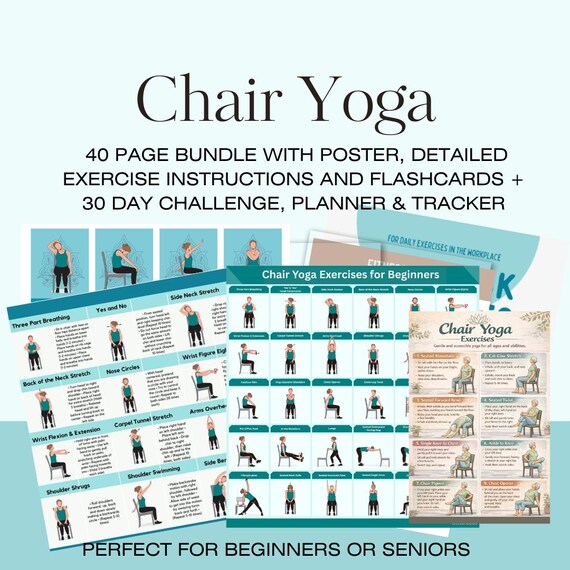
Use these quick posture exercises for desk workers. No special gear needed.
- Chin Tucks (Neck Retraction): Sit tall. Glide chin straight back like making a double chin. Hold 2 seconds. Do 10 reps.
- Doorway Pec Stretch: Place forearms on doorframe, elbows at shoulder height. Step through until you feel a chest stretch. Hold 30 seconds. Repeat twice.
- Thoracic Extension Over Chair: Sit with mid-back on the chair’s top edge. Hands behind head. Gently arch upper back over the chair. Exhale. Return. Do 8 reps.
- Seated Figure-4 Stretch: Cross ankle over opposite knee. Sit tall. Hinge forward. Hold 30 seconds/side.
- Standing Hip Flexor Stretch: One foot forward, one back. Tuck pelvis slightly. Shift forward until you feel the front-hip stretch. Hold 30 seconds/side.
- Shoulder Blade Squeeze: Sit or stand. Draw shoulder blades down and together. Hold 2 seconds. Do 10 reps.
- Alt: Collage of simple desk stretches for neck, chest, and hips
Do two or three of these every break. Rotate them through your day.
How Long Does It Take to Improve Posture?
You can feel small wins within a week: less neck strain, better focus, easier breathing. Many desk workers see clear posture changes in 30 days with a steady plan. Deep changes take longer. Expect 8–12 weeks to build lasting strength and mobility. Keep going.
- Alt: Timeline showing posture improvement from 1 week to 12 weeks
Final Tips for Maintaining Good Posture
- Treat posture like brushing teeth: short, daily, non-negotiable.
- Keep your monitor height and chair fit consistent across home and office.
- Train the back of your body: rows, glutes, and core hold you up.
- Breaks are posture medicine. Schedule them like meetings.
- Refresh your setup every quarter as your body changes.
- Alt: Checklist for maintaining good office posture long term
FAQ
Q1: Can posture correction fix my back pain?
A1: Often it helps a lot. Good alignment reduces strain. Add breaks, gentle strength, and stretches. If pain is sharp, numb, or lasts weeks, see a clinician.
Q2: How often should I take breaks from sitting?
A2: Every 30–45 minutes. Even 2 minutes of walking or stretching resets muscles and focus.
Q3: Is a standing desk better for posture?
A3: It helps if used well. Alternate sitting and standing. Keep monitor height and keyboard position the same rules as when seated.
Q4: What is the best chair adjustment for posture?
A4: Start with feet flat, seat height so knees are level with hips, lumbar support at belt line, and armrests at elbow height with relaxed shoulders.
Q5: How can I stop slouching while focused?
A5: Use hourly reminders, the Tall-Tuck-Breathe cue, and a backrest that supports you. Place your keyboard and mouse close to avoid shoulder reach.
Conclusion
Better desk posture is built in small steps. Align your setup, move often, and train key muscles. Use the 30-day plan and stick with the cues. You will feel lighter and more stable at your desk. Stay consistent, track progress, and keep the wins going—one break and one breath at a time.


