
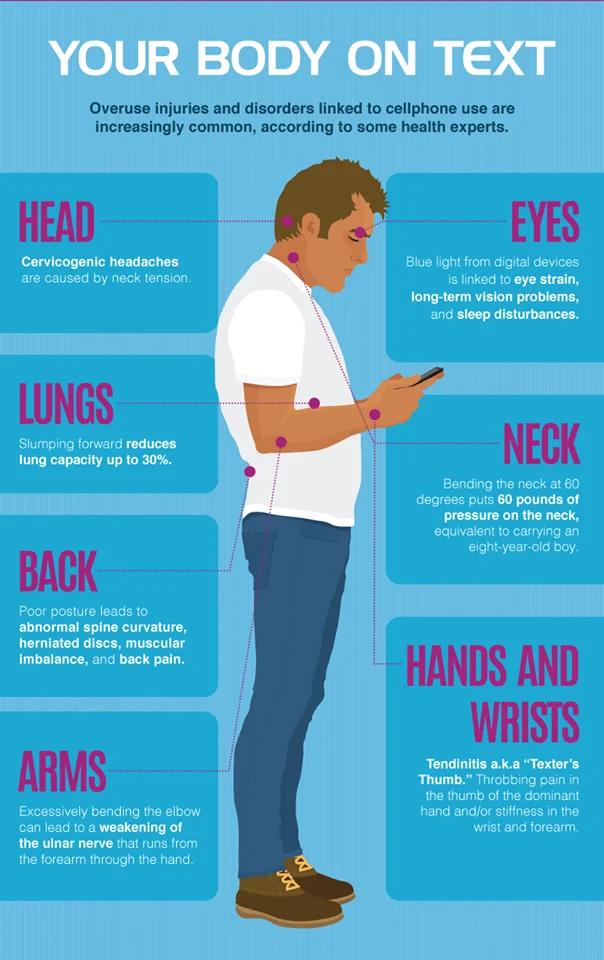
Yes. Bad posture can cause chest pain. Slouching rounds the shoulders and strains chest and back muscles. Tight, overworked tissues can ache, burn, or feel sharp when you move or breathe. Nerves may get irritated too. The result can feel scary, but posture-related pain is common and usually improves with simple steps.
Chest discomfort can come from many causes. Heart, lung, and gut issues are the big ones. But posture is another key factor that people overlook. Hours of sitting, phone use, or gaming can change how your chest and upper back feel. This can create dull aches or sharp twinges. The good news is, simple posture fixes often help fast.
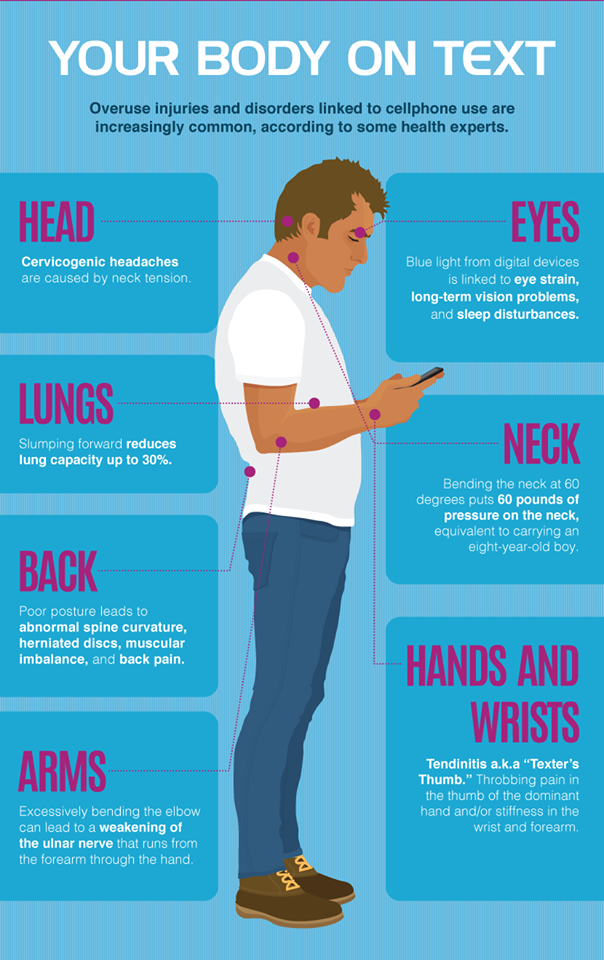
Can Bad Posture Really Cause Chest Pain?
Yes. Poor posture can tighten the front of your chest and strain the upper back. This mix can lead to pain around the breastbone or ribs. It can also trigger pain that spreads to the shoulder or armpit. So, does bad posture cause chest pain? It can, and it is quite common in desk work.

How Poor Posture Leads to Chest Pain
Prolonged slouching changes how muscles, joints, and nerves work together. This can lead to chest pain from slouching, especially after long static sitting. Here are the main ways posture causes discomfort.

Muscle strain
When you hunch, your upper back works hard to hold your head forward. Your chest muscles help pull the shoulders in. Over time, these muscles get tired and sore. Strained muscle fibers can cause sharp pain with certain moves, like reaching or twisting. The pain often eases with rest and light heat.
Tight chest muscles
Rounded shoulders make the pectoral muscles short and tight. Tight pecs pull on the breastbone and ribs. This can make deep breaths feel tender or tight in the front of the chest. You may also feel a pulling ache at the front of the shoulder. Gentle stretching often brings quick relief.
Nerve pressure
Poor posture can irritate nerves in the neck and upper back. These nerves run to the chest wall and arm. When compressed, they can cause burning, tingling, or a sharp, electric pain. Sometimes you feel it under the shoulder blade or along the ribs. Changing position may ease the symptoms.

Slouching effects
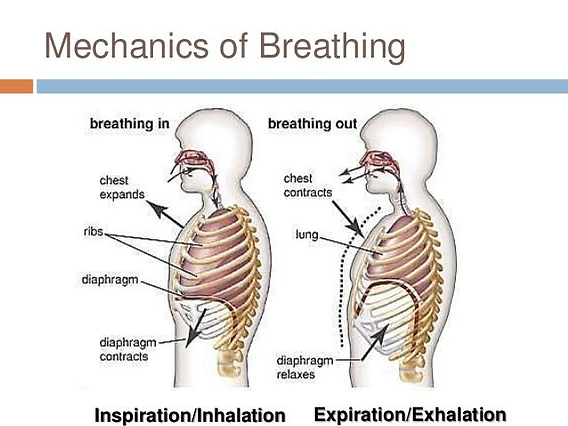
Sitting slumped reduces rib movement and shallow breathing. You may brace your core less and overuse small chest muscles. That pattern can make the chest feel heavy or stiff. It can also make you more aware of each breath. Standing tall and moving more often usually calms these signals.

Symptoms of Chest Pain from Bad Posture
Posture related chest pain symptoms can look different from person to person. The pain may be dull, sharp, or a burning ache. It often links to certain positions or long sitting. You may also notice it more at the end of the day.
Common signs include:
- Pain or tightness across the front of the chest after sitting
- Tender spots along the ribs or breastbone
- Pain that changes when you slouch, twist, or take a deep breath
- Soreness near the collarbone or front of the shoulder
– A pulling feeling when you stretch your chest open - Upper back ache with forward head posture
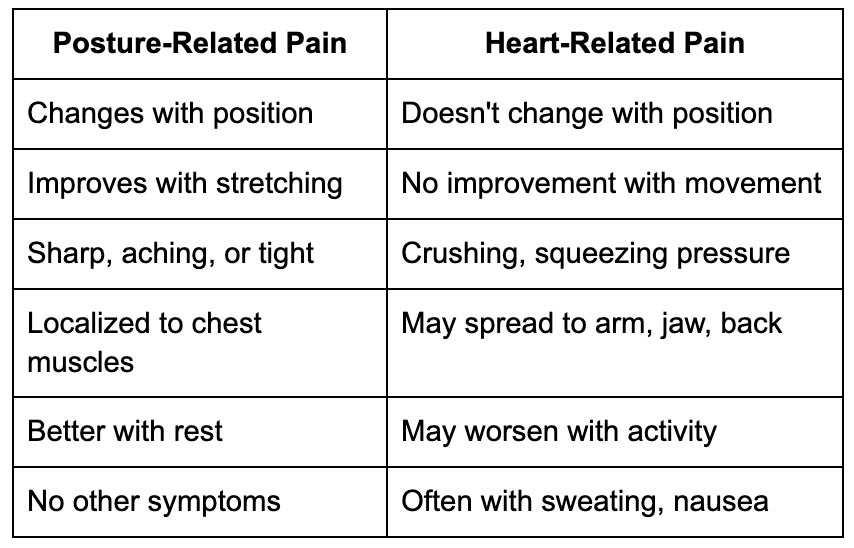
Posture vs Heart-Related Chest Pain (Important)
Posture pain often links to position. It may ease when you stand tall, move, or stretch. You might feel tender points on the chest wall. Heart pain is different. It is often deep, heavy, or squeezing. It may come with shortness of breath, sweating, nausea, or jaw and left arm pain. Note: Seek medical help right away if chest pain is severe, sudden, spreading to the arm or jaw, or paired with breath trouble, fainting, or cold sweat.

How to Relieve Chest Pain Caused by Poor Posture
Small changes add up fast. A few posture tweaks, short breaks, and simple stretches can help ease pain. Move more during the day and vary positions. Think “tall and open” for your chest and “long neck” for your head.
Try these tips:
- Sitting posture: Sit tall with feet flat and hips back. Keep a small gap behind your knees. Ears over shoulders. Shoulders relaxed and down.
- Screen height: Place your screen at eye level. Keep it an arm’s length away.
- Keyboard and mouse: Keep elbows near your sides. Wrists neutral. Use a chair with armrests if it helps you relax your shoulders.
- Breaks: Stand up every 30–45 minutes. Walk, roll your shoulders, and take five deep breaths.
- Phone habits: Lift your phone to eye level. Do not bend your neck down for long.
- Heat and self-massage: Warm a heat pack on tight chest or upper back muscles for 10–15 minutes. Follow with gentle stretches.
- Sleep setup: Use a pillow that keeps your neck in line. If you side sleep, hug a pillow to open your chest.
Simple Exercises to Improve Posture
These easy moves open the chest, wake up the back, and calm nerve tension. Start light. Stop if pain is sharp or worsening. Aim for one to two sets per day.
- Doorway chest stretch
- Stand in a doorway. Forearms on the frame. Step one foot forward.
- Lean your body forward until you feel a stretch in your chest.
- Hold 20–30 seconds. Breathe slow. Repeat 2–3 times.
- Seated scapular squeeze
- Sit tall. Gently squeeze your shoulder blades down and back.
- Hold 5 seconds. Relax. Do 10–12 reps.
- Keep your shoulders away from your ears.
- Thoracic extension over a towel
- Roll a towel and place it across your upper back.
- Lie on it and support your head. Open your arms out to the sides.
- Breathe slow for 60–90 seconds. Do not force the arch.
- Chin tucks
- Sit or stand tall. Gently draw your chin straight back, like making a double chin.
- Hold 3 seconds. Repeat 10–12 times.
- Keep the neck long. Do not tilt up or down.
- Wall angels
- Stand with your back against a wall, feet a few inches out.
- Press your low ribs in. Slide arms up and down like a snow angel.
- Move slow for 8–10 reps. Keep pain free.
Common Posture Mistakes to Avoid
A few habits make chest pain from slouching more likely. Spot them early and adjust. Small wins each day protect your chest and back.
- Hunching over laptops on couches or beds
- Cradling the phone between ear and shoulder
- Letting the head drift forward for long periods
- Resting forearms without wrist support at the desk
- Skipping breaks during long work or gaming sessions
Safety disclaimer: This guide is for education only. It is not a diagnosis. If you have new, severe, or unexplained chest pain, seek medical care.
FAQs
Q1: Can bad posture lead to chest pain even if I exercise?
Yes. You can be fit and still strain chest and back muscles at a desk. Long sitting and phone use add up. Good workouts help, but daily posture habits matter too. Mix movement breaks, stretches, and a better setup for the best results.
Q2: How long until posture-related chest pain improves?
Many people feel better within days to a few weeks. Relief is faster with frequent breaks, daily stretches, and an ergonomic setup. If pain does not improve in two to four weeks, or it gets worse, see a clinician or physical therapist.
Q3: What if the pain is on one side only?
One-sided chest wall pain is common with muscle strain or rib joint irritation. It can link to posture or an awkward lift. If the pain is sharp, severe, or paired with shortness of breath, dizziness, or spreading pain, get medical help right away.
Conclusion
Bad posture can cause chest pain, but the fix is often simple. Move more, sit tall, and open tight chest muscles. Strengthen your upper back and keep screens at eye level. Listen to your body and ease in. If symptoms are severe, sudden, or unclear, seek care to stay safe.


