
Set a sturdy yoga block under both feet to level knees and ease pressure.
If you need fast comfort at your desk, this guide is for you. I’ve tested and taught how to use a yoga block as a temporary footrest in home offices, studios, and coworking spaces. You’ll learn what works, what to avoid, and how to tweak the setup so your hips, knees, and lower back feel better in minutes.

Source: adsnovia.com
Why a yoga block works as a footrest
A footrest brings the floor up to you. That simple change can ease low back strain and leg fatigue. A yoga block does this well because it is firm, light, and has three usable heights.
When you learn how to use a yoga block as a temporary footrest, you improve posture without buying new furniture. It supports the feet so your knees sit near hip height. That helps blood flow and reduces pressure under the thighs.
For best results, use the block for both feet at once. Support for both feet keeps your pelvis level. That prevents twisting and keeps your core and back relaxed.
Source: bedbathandbeyond.com
Choose the right yoga block
Not every block feels the same. Pick one that matches your surface, your weight, and your desk height.
- Material
- EVA foam gives soft support and light grip. Good for hard floors.
- Cork feels firmer and heavier. It grips well on carpet.
- Wood is very firm but can slip on smooth floors without a mat.
- Size and orientation
- Standard blocks are about 3 x 6 x 9 inches.
- Use the 3-inch side for small lifts.
- Use the 6-inch side for medium lifts.
- The 9-inch side is tall and can feel unstable; use with care.
- Grip and stability
- Look for grippy textures or beveled edges.
- Add a thin yoga mat or rug if your floor is slick.
- Load and wear
- Quality blocks hold body weight during yoga, so they handle feet well.
- Check for dents over time. Replace if it compresses too much.
If your desk is high, you’ll use the taller sides. If it’s low, turn the block flat. This simple choice is core to how to use a yoga block as a temporary footrest.
Source: walmart.com
Step-by-step: how to set it up fast
Follow these steps to learn how to use a yoga block as a temporary footrest with comfort and safety.
- Set your chair so your hips are level with or a bit above your knees.
- Place the block under your desk where both feet can rest on it.
- Start with the 3-inch height. Raise only if your knees sit above your hips.
- Put both feet flat on the block, about hip-width apart.
- Scoot forward so the front of your thighs rest light on the seat, not pressed hard.
- Sit tall with a soft curve in your low back. Relax your shoulders.
- Test for 2–3 minutes. If your knees sit too high, lower the block. If they drop below 90 degrees, raise it.
- Move your ankles often. Point and flex, then circle each foot 10–20 times every hour.
- After 30–60 minutes, stand up or change posture for a few minutes.
I teach clients how to use a yoga block as a temporary footrest with one rule: small changes first. Most people feel better after a one-inch change, not six.
Source: bedbathandbeyond.com
Ergonomics and posture made simple
Good desk posture is about angles and support. Aim for neutral joints and steady contact points.
- Hips and knees near 90 degrees. A slight open angle at the hips (100–110 degrees) can help the back.
- Feet flat on the block. Even pressure between heels and forefoot.
- Lower back supported. If your chair lacks support, add a small cushion.
- Monitor at eye height. Keep your chin level and neck long.
- Elbows near 90 degrees with forearms level.
When you know how to use a yoga block as a temporary footrest, you can lock in these angles. A small lift under your feet often fixes three posture issues at once: slouching, seat-edge pressure, and hip tilt.
Source: bestbuy.com
Safety first: limits and red flags
A yoga block is a stopgap, not a forever fix. Keep these rules in mind.
- Skip the tallest orientation if it feels wobbly.
- Do not perch with only the toes on the edge. Place the whole foot.
- Socks can slip on smoother blocks. Go barefoot or wear grip socks if needed.
- On rolling chairs, check that the block does not jam the wheels.
- If you have foot, knee, or circulation issues, get advice from a clinician first.
If the block compresses, tilts, or slides, pause and reset. When teaching workers how to use a yoga block as a temporary footrest, I call this the 10-second check: tap the block, press both feet, and feel for wobble.
Source: walmart.com
Smart alternatives and easy upgrades
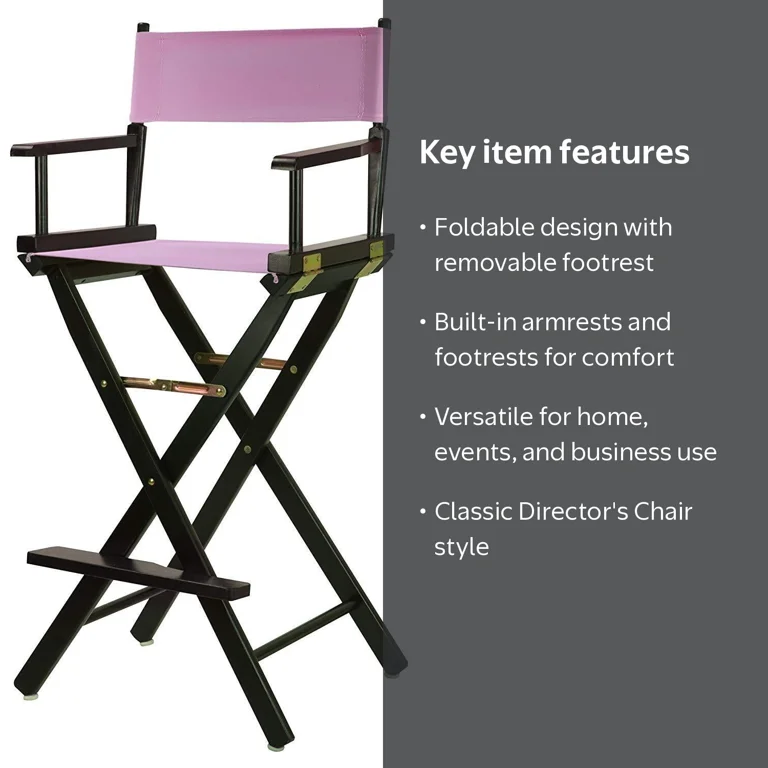
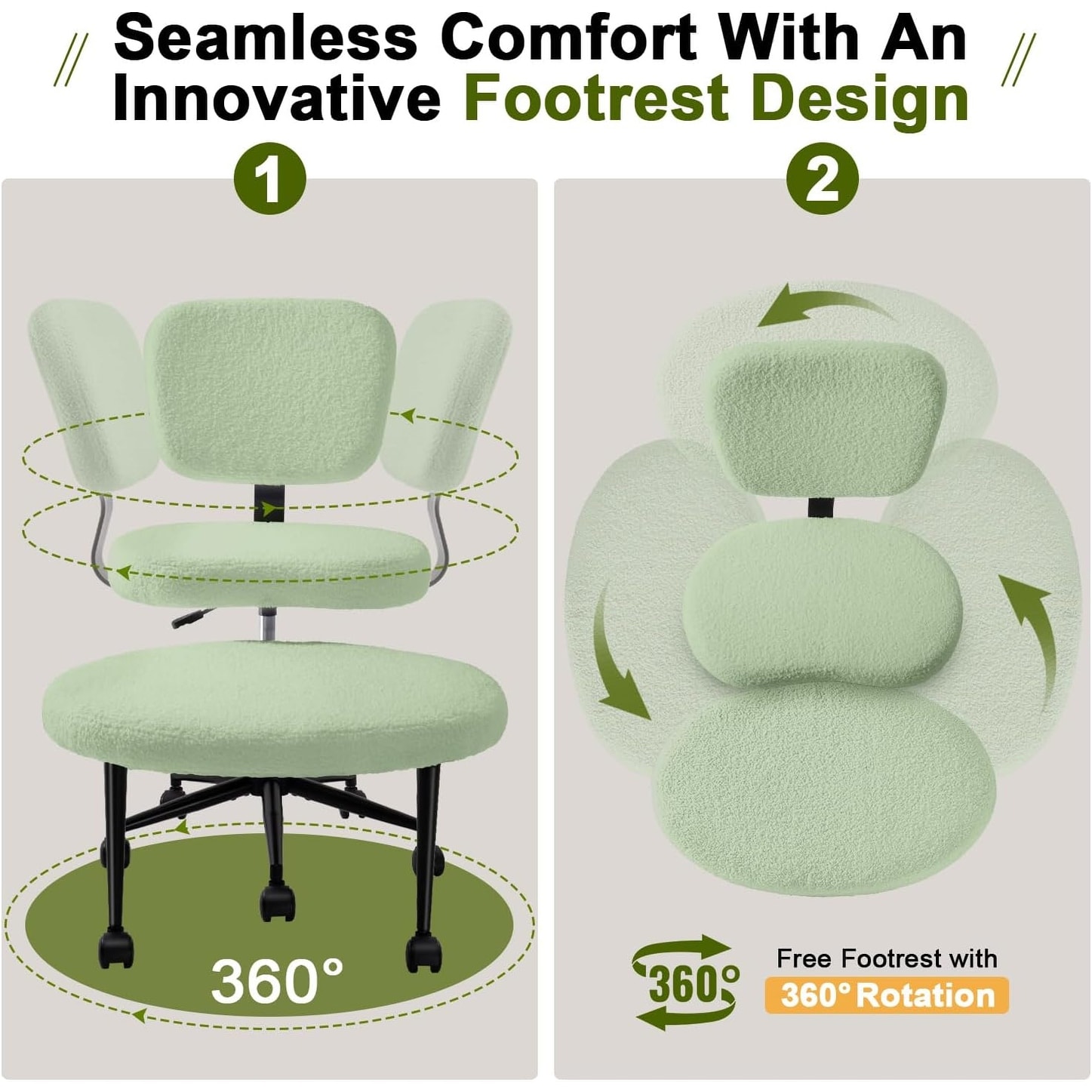
A yoga block is a bridge. A dedicated footrest will serve you better long term.
- Adjustable under-desk footrests let you dial height and tilt.
- Rocker footrests allow micro-movement for better blood flow.
- A small platform made from plywood with a rubber mat adds width and grip.
DIY ideas if you are in a pinch:
- Two blocks side by side with a strap holding them together.
- A stack of thick books wrapped in a towel for grip.
- A low step stool with a non-slip pad.
No matter the tool, the setup follows the same idea as how to use a yoga block as a temporary footrest: lift the floor until your knees and hips relax.
Source: overstock.com
Care and cleaning tips
A clean block lasts longer and smells better under a warm desk.
- Wipe foam and cork with mild soap and water. Air-dry fully.
- Avoid harsh chemicals that break down foam or cork binders.
- Rotate the block sides to spread wear.
- Store it flat so it does not warp.
These small habits support daily comfort and keep how to use a yoga block as a temporary footrest simple and safe.
Source: walmart.com
Real-world setups and lessons learned
In my first work-from-home office, my desk was too high. I learned how to use a yoga block as a temporary footrest the hard way. I started with the tall side and felt wobbly, then dropped to the 3-inch side. The change was instant and steady.
What worked:
- Using both feet on the block, not one.
- Adding a thin yoga mat under the block for grip.
- Moving my ankles every call.
What failed:
- Cork block on tile without a mat. It skated forward.
- Tall 9-inch setup. My knees rose too high and my hips tucked.
- Wearing slick socks. Grip socks fixed it.
These small tweaks saved my back. They also taught my clients how to use a yoga block as a temporary footrest with confidence.

Troubleshooting common issues
- My knees still sit high. Lower the block or raise your chair. Aim for a gentle open hip angle and feet well planted.
- The block slides on my floor. Place a yoga mat, rug, or drawer liner under it. Check shoes and socks for grip.
- My ankles ache. Lower the height and use the 3-inch side. Do slow ankle circles and calf stretches.
- My thighs go numb. Reduce seat-edge pressure. Slide forward a bit and confirm the block lifts the feet enough.
- It feels cramped under the desk. Move the block slightly forward. Keep knees and toes pointing ahead.
Keep these quick fixes in mind as you learn how to use a yoga block as a temporary footrest day to day.
Frequently Asked Questions of how to use a yoga block as a temporary footrest
Is using a yoga block as a footrest safe for daily work?
Yes, if it feels stable and you use the lower heights. Check grip, avoid the tallest side if it wobbles, and move often.
What height should I start with?
Start with the 3-inch side and test for five minutes. Raise only if your knees sit below your hips or you still feel seat-edge pressure.
Can I use only one foot on the block?
Short bouts are fine, but avoid hours of asymmetry. Support both feet to keep your hips level and your back relaxed.
Will a yoga block work on carpet or tile?
Yes, but add a non-slip layer if needed. Cork grips carpet well; foam benefits from a mat on tile.
How long can I rely on a yoga block before buying a footrest?
Use it as a short-term fix for days or weeks. If you sit many hours daily, an adjustable footrest is a better long-term choice.
Which is better: foam or cork for a footrest?
Foam is softer and lighter, which helps on hard floors. Cork is firmer and more stable on carpet, and it resists sliding.
Can this help with lower back pain?
A footrest can reduce strain by improving hip and knee angles. If pain persists, consult a clinician to review your full setup.
Conclusion
You now know how to use a yoga block as a temporary footrest with calm, clear steps. Pick a stable block, start low, support both feet, and move often. Small posture changes deliver big comfort wins.
Try the setup today and note how your hips, knees, and back feel after an hour. If it helps, consider a proper adjustable footrest for the long haul. Want more practical ergonomics tips? Subscribe, share your questions, or leave a comment with your desk setup.


