
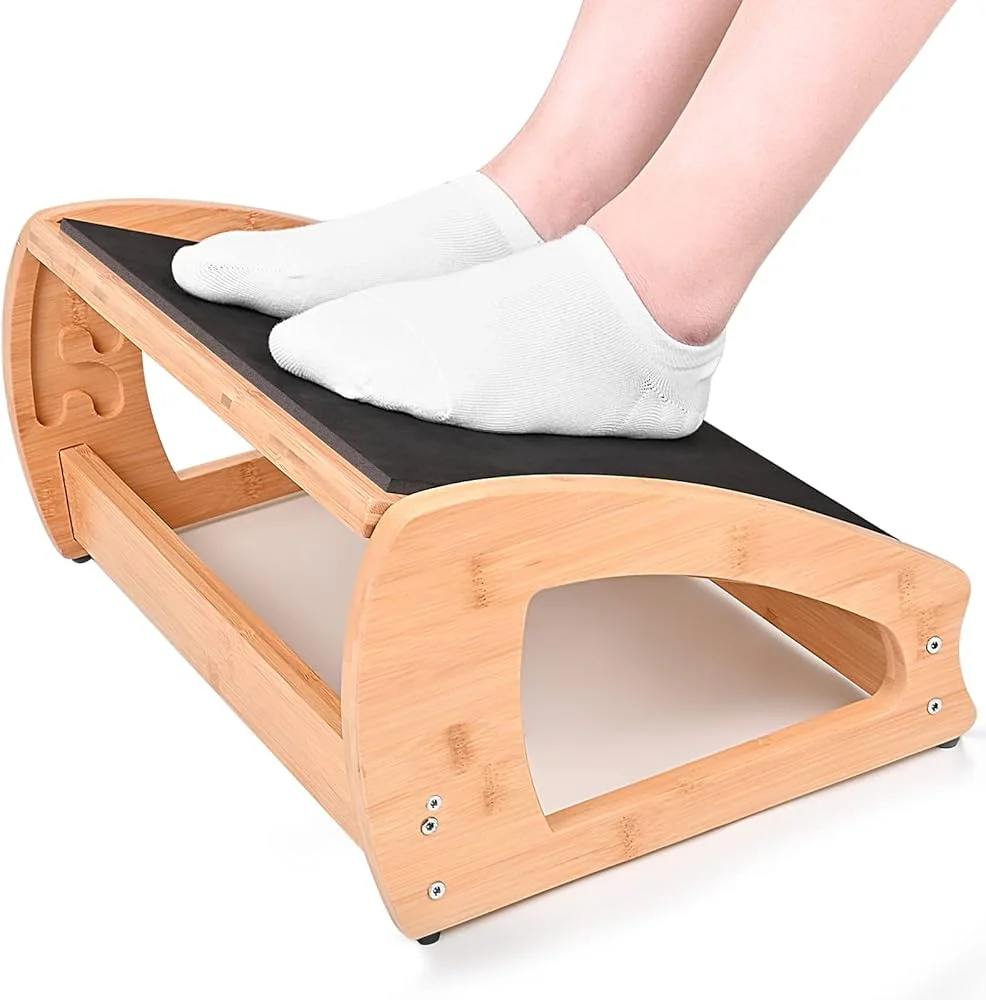
Disclosure: This post contains affiliate links. If you click and buy, I may earn a small commission at no extra cost to you. I only suggest gear I would use myself. The goal is to help you sit better and feel better with simple, proven setup tips.
Featured Snippet Answer: Yes—short people benefit from a footrest. It gives stable support when feet can’t reach the floor, helps keep knees near a 90-degree angle, and reduces pressure under the thighs. This simple fix improves posture, comfort, and circulation during long sitting at a desk.
If you’re on the shorter side, a standard office desk can feel like a tall bar counter. Your feet dangle. Your hips tilt. Your back strains. A footrest is a small tool that makes a big difference. It is a simple fix that works, and most short people ignore this.
With the right setup, you can sit with your feet supported, your knees at a friendly angle, and your spine more relaxed. The best part? You can do a quick setup in minutes.
Why Short People Struggle with Desk Setup
Many desks and chairs are built for taller users. That leaves short users to fight the setup all day. When the chair is high enough for the desk, the floor feels too far away. Balance suffers. Pressure builds.
- Feet don’t reach the floor, so legs dangle.
- Thighs press hard into the seat edge, cutting off comfort.
- Hips roll forward, and the lower back starts to round.
- Shoulders rise toward the ears while typing.
- Over time, small strains add up. You feel tired and tight.
How a Footrest Helps Short People
A footrest fills the gap between you and the floor. It gives your feet a home base and brings your body back into a stable shape. This improves posture and comfort without changing your whole desk.
- Proper leg support: Your feet rest flat, not in midair.
- Healthier knee angle: Aim for about 90 degrees at the knee.
- Less thigh pressure: Weight spreads across the feet, not just the seat edge.
- Better posture: With a stable base, your spine stacks with less effort.
- Improved comfort and circulation: Less pressure means fewer pins and needles.
Ideal Footrest Height for Short Users
What height should you pick? The right height supports your feet while keeping your knees near 90 degrees. You should feel grounded, not perched or scrunched. Adjustable models make this easy.
- Feet flat on the footrest, not on tiptoes.
- Knees near 90 degrees, or a hair more open (90–100°).
- Hips level or slightly above knees.
- If you use a thick seat cushion, you may need more footrest height.
- Check chair and desk alignment: Raise the chair for keyboard height first, then bring the footrest up to meet your feet.
How to Set Up a Footrest (Step-by-Step)
You can dial in your ergonomic setup fast. Follow this simple guide for a quick setup in minutes.
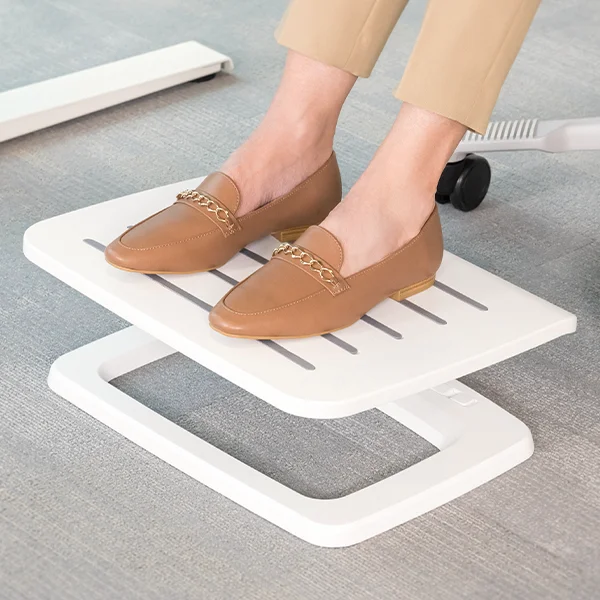
- Raise your chair so your elbows bend near 90 degrees when typing.
- Place the footrest under the desk where your feet land.
- Rest both feet fully on the footrest, toes and heels supported.
- Adjust footrest height until knees are near 90 degrees.
- If the model tilts, fine-tune the angle so ankles feel relaxed.
Pro tip: After 10 minutes, recheck. Your body will tell you if it needs a small tweak.
What Most Short Users Get Wrong (CTR BOOST 🔥)
Don’t let small mistakes steal your comfort. These are the common traps—and how to fix them fast.
Check Price On Amazon
- Footrest too high: Knees jam up toward your chest. Lower it.
- Feet still dangling: If your heels hang off, raise the platform.
- Wrong chair position: Don’t drop the chair to reach the floor. Keep it high for the desk, then raise the footrest.
- Footrest too far away: Move it close so your knees don’t lock out.
- Ignoring the angle: A slight tilt can ease ankles and calves.
Who Should Definitely Use a Footrest
If any of these describe you, a footrest can help right away. It’s a simple fix that works.
- Short office workers who type for hours
- Students who study at shared or tall desks
- Remote workers using dining tables as desks
- Gamers and creators in long sessions
- Anyone whose feet don’t sit flat on the floor
Best Footrests for Short People (Top Picks)
Look for adjustable height or tilt. Stable, non-slip bases are key. Here are proven, user-loved choices that suit short users well.
1) Adjustable Tilt Footrest (Ergo Platform)
Great all-around choice. Most have a textured surface, a wide base, and a tilt range of about 0–20°. They let you rock your feet a bit, which boosts blood flow and reduces stiffness. Best for daily desk use.

2) Height-Adjustable Footrest (Stackable or Locking Levels)
These models offer fixed height steps or a lift-and-lock system. They’re ideal if your chair sits higher or your desk is tall. Look for grippy rubber feet and a platform large enough for both feet.
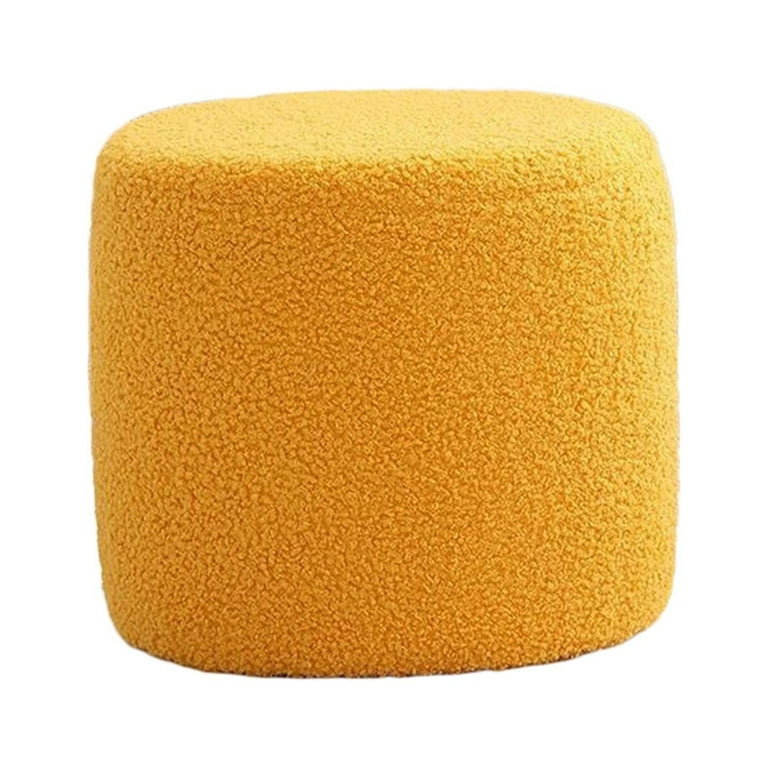
3) Memory Foam Footrest (Under-Desk Cushion)
Soft, supportive, and light. Many flip to serve as a rocker. Not as height-adjustable as hard platforms, but very comfy for long days. Choose one with a washable cover and a non-slip bottom.
Tip: If you want a brand starting point, search for “adjustable ergonomic footrest,” “tilt footrest,” or “height-adjustable under-desk footrest.” Match your chair height first, then pick the model that fills your floor gap.
Quick Checklist for Short Users
Use this fast list to lock in your desk comfort today.
- Chair high enough for typing at 90° elbows
- Feet fully on a footrest, heels included
- Knees near 90°, hips level or slightly higher
- Back supported by the chair, shoulders relaxed
- Monitor at eye level, not too far away
- Take short breaks every 30–60 minutes
Bonus: Visuals to Add for Even Better Results
Enhance your setup with simple visuals. Images help you see the difference in seconds.
- Desk setup diagram for short users: Show chair height, knee angle, footrest height, and monitor position.
- Before/after posture image: Compare dangling feet vs. supported feet. Show the 90° knee angle and relaxed shoulders.
FAQs
Q1: Do short people need a footrest if their feet touch the floor?
A: You might still benefit. If your heels barely touch or your thighs press hard into the seat, a footrest can spread pressure and improve posture. Aim for flat feet and a relaxed 90° knee angle.
Q2: Is a footrest better than lowering my chair?
A: Yes, most of the time. Keep the chair high for keyboard and mouse height. Then bring the footrest up to meet your feet. This keeps your wrists, shoulders, and back in a safer, more neutral position.
Q3: Will a footrest help with leg numbness?
A: Often, yes. A footrest can reduce pressure under the thighs and improve circulation. It is not a medical treatment, but many users feel fewer pins and needles when their feet are supported.
Conclusion
Short people can absolutely benefit from a footrest. It supports your feet, balances your posture, and eases pressure fast. Start with your chair height, add a stable footrest, and fine-tune the angle. Try one of the adjustable picks above. Your body will thank you—today and every workday.


