

Practice mindful cues, breathe, and repeat good alignment until it feels automatic.
If you want a straight, relaxed spine that holds all day, you must train your brain. This guide shows how to train your mind to maintain upright posture with simple steps, clear science, and daily habits. I have used these tools with desk teams and athletes. You will learn the mental cues, drills, and setups that make tall posture feel easy and normal.
Why your brain is the boss of your posture
Posture is a brain habit. Your nervous system runs a body map. It stores the position you repeat most. If you slump often, your map flags that as normal. If you stack tall often, your map updates.
Here is the core idea. Attention builds awareness. Awareness guides action. Action, done often, becomes a habit. That is how to train your mind to maintain upright posture.
Simple science, in plain words:
- Proprioception is your sense of joint position. You can train it.
- The brain loves cues. A small cue can unlock a big change.
- Reps drive plasticity. Short, frequent practice beats long, rare sessions.
Pain note. If any cue sparks pain or tingling, ease off and ask a pro. Good posture should feel light and calm.
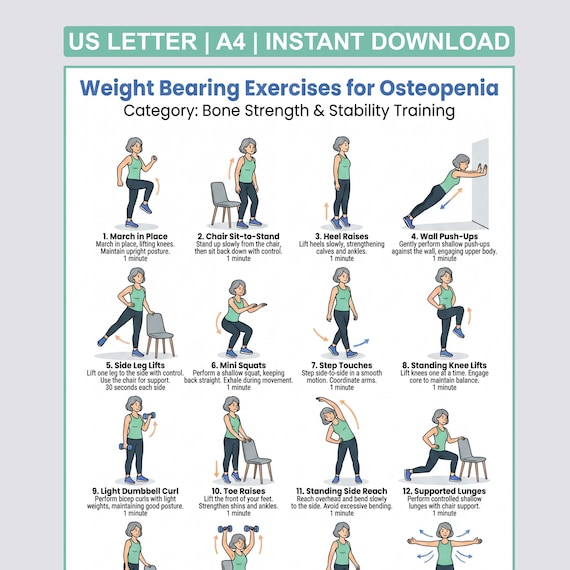
Find your baseline and define upright
You must know your start point. You also need a clear target. This helps your brain compare, learn, and adjust.
Try quick checks:
- Wall test. Feet a hand length from a wall. Back of pelvis, mid-back, and head touch. Keep a small neck and low-back curve. Breathe slow.
- String test. Imagine a string lifts your crown. Your chin nods slightly. Your ribs stay soft.
- Foot test. Feel three points of each foot. Heel, base of big toe, base of small toe. That is your tripod.
Write down what you feel. Upright should feel tall, not tense. Clear senses are the base for how to train your mind to maintain upright posture.

The mental training toolkit
You can teach your brain with tiny, smart reps. Here are tools I use with clients and in my own day.
Cues you can set today:
- Habit stacking. Link posture to a fixed act. Every time you open your laptop, reset your stack. Every time you stand from a chair, reset again.
- Environmental cues. Place a sticky dot near your screen. Each time you see it, you grow an inch taller.
- Time cues. Set a gentle chime every 30 minutes. Stand, breathe, reset.
Awareness drills:
- Box breath. Inhale 4. Hold 4. Exhale 4. Hold 4. Do three rounds. Then align head, ribs, and hips.
- Body scan. Name three spots that feel tight. Name three that feel light. Adjust until both feel even.
Visualization:
- Think “crown up, sternum soft, tail heavy.” Short words help the brain act fast.
- Picture your spine as a stack of coins. Move so they do not fall.
Biofeedback:
- Use your phone camera for 20 seconds. Check ear, shoulder, and hip lines.
- Use posture sensors if you like gadgets. Nudges help form early habits.
Use this stack three to five times per day. That is how to train your mind to maintain upright posture without strain. With practice, your default will shift. Your mind will pick tall as the new normal. This is the heart of how to train your mind to maintain upright posture.
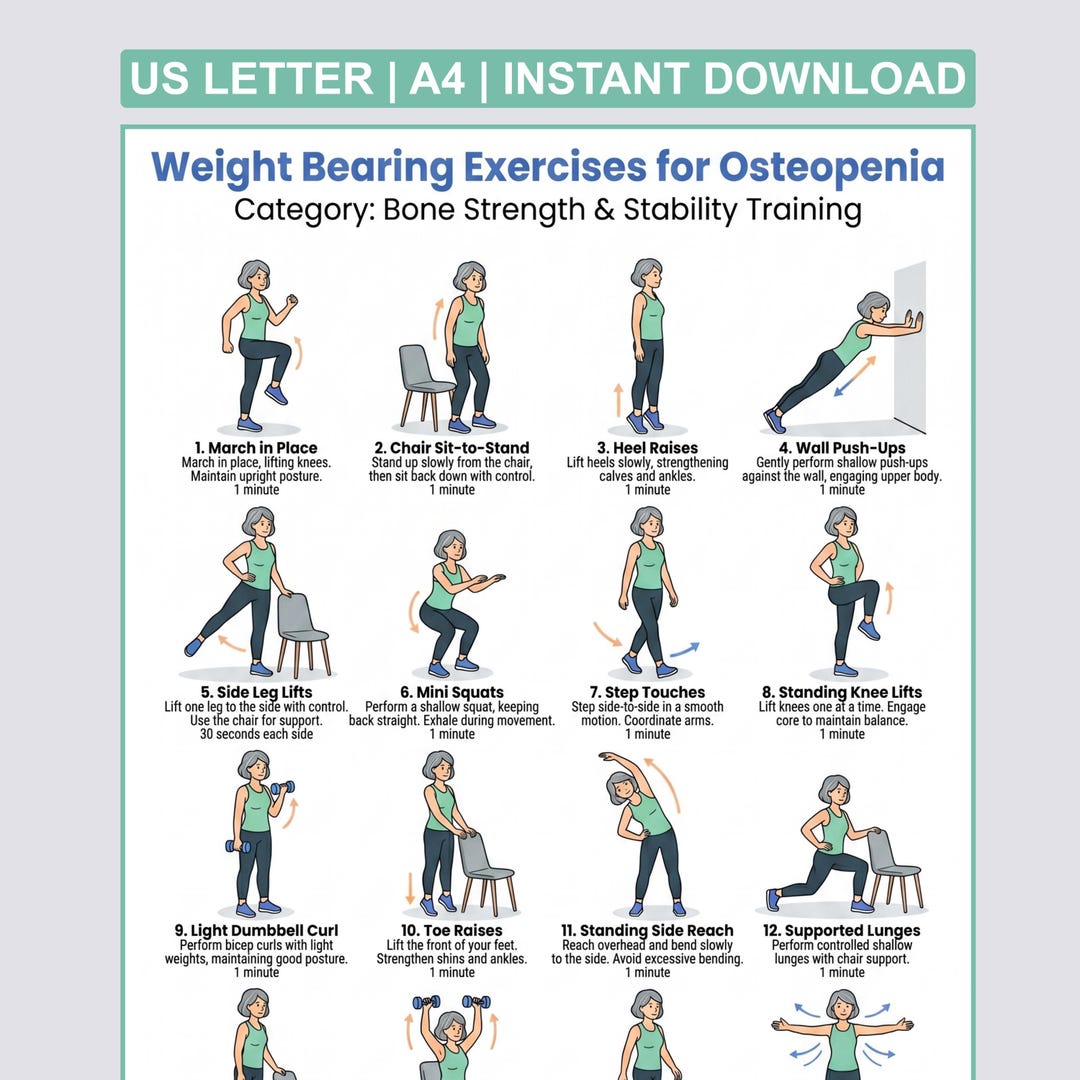
A daily playbook for sitting, standing, and moving
I coach people who sit for long hours. Small wins add up. Use this simple playbook to keep your brain engaged.
Morning reset, 2 minutes:
- Stand tall. Crown up. Chin nod. Ribs over hips. Exhale slow.
- Reach arms up. Drop shoulders down. Shake out hands and jaw.
During work:
- Every 30–45 minutes, take a microbreak. Stand. Roll shoulders back and down. Do 5 slow breaths.
- When you send an email, do a chin nod. When you sip water, lengthen your spine.
Walking cues:
- Think “push the ground away.” Let your glutes power each step.
- Keep eyes on the horizon. Swing arms from the shoulder, not the neck.
Phone and screen:
- Raise the screen to eye level. Your neck will thank you.
- Use voice notes instead of long texts when you can.
These tiny loops are how to train your mind to maintain upright posture in real life. The goal is steady, easy reps. Over time, your brain will cue tall posture on its own. That is how to train your mind to maintain upright posture all day.
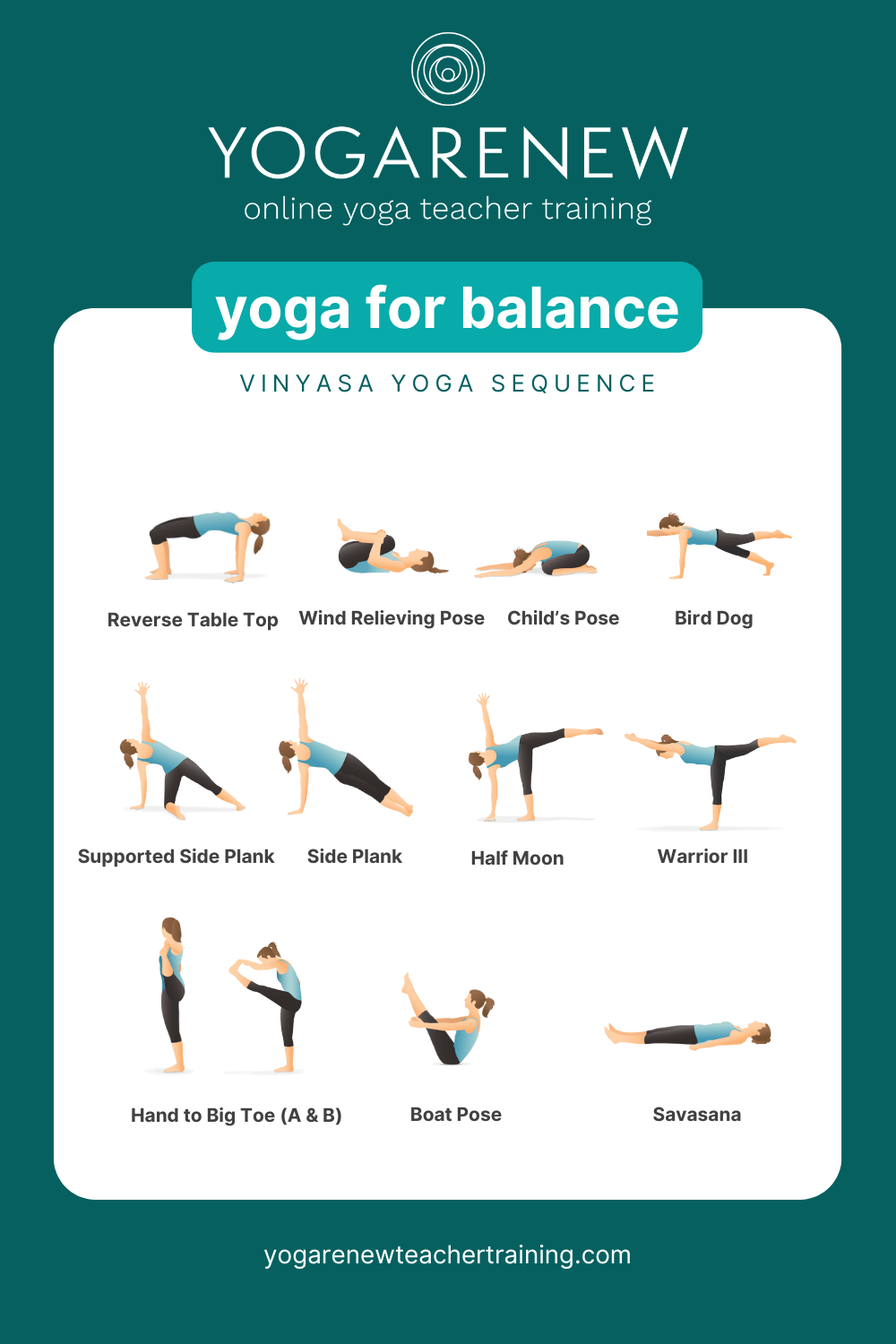
Brain-friendly drills that make upright feel natural
You do not need hard workouts. You need smart drills that teach your brain with clear input.
Try this 7-minute set:
- Diaphragm reset, 1 minute. Lie on your back. One hand on chest, one on belly. Inhale through the nose so the lower hand rises more.
- Chin nods, 1 minute. Lie down. Gently nod yes. Do 10 slow reps. Feel length in the back of the neck.
- Wall angels, 2 minutes. Back and head on a wall. Slide arms up and down. Keep ribs soft.
- Hip hinge taps, 2 minutes. Stand tall. Push hips back a bit. Keep spine long. Tap a chair with your glutes. Stand tall again.
- Scap squeeze, 1 minute. Pinch shoulder blades back and down. Hold 3 seconds. Release slow.
Keys that boost results:
- Move slow. Your brain learns best with clear, calm signals.
- Stop before fatigue. Quality beats quantity.
- Pair a drill with a cue. After wall angels, set your screen height.
Do this once in the morning and once mid-day. This is a fast way for how to train your mind to maintain upright posture.
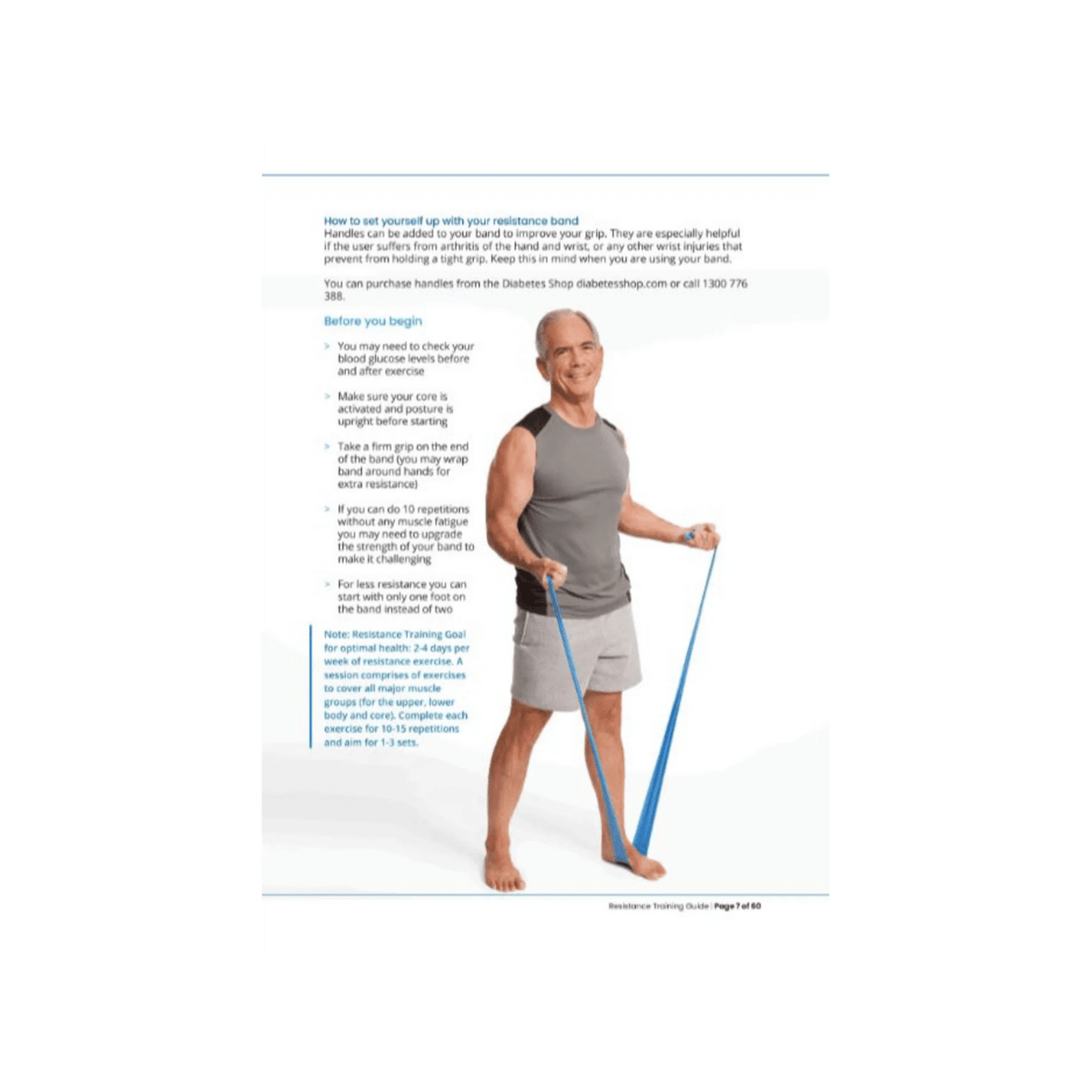
Set up your space so your mind can win
Good setup removes friction. It also gives your brain clean signals.
Desk and chair:
- Seat height lets your hips be a touch higher than knees.
- Sit on your sit bones, not your tailbone. Add a small lumbar pad if it helps.
- Keep keyboard close. Elbows near your sides.
Screen and tools:
- Top of the screen at or just below eye level.
- External keyboard and mouse for laptops.
- Place the mouse close to your body line.
Home and travel:
- Use a backpack with two straps, not one.
- In the car, bring the wheel close. Keep ribs over hips.
A better setup is how to train your mind to maintain upright posture without willpower. Your space does half the work for you.

Track, reflect, and adjust your plan
What you track, you tend to improve. Make it light and simple.
Score your day:
- Posture check marks. Aim for 8–12 resets per day.
- Two-line note. What helped. What hurt.
Use tools with care:
- Set phone nudges. Keep them kind and not nagging.
- A posture photo once a week. Same spot, same stance, same time.
Progress signs:
- Less neck and back tension at day’s end.
- Easier breaths when you sit tall.
- Upright feels natural during calls and walks.
This review loop is how to train your mind to maintain upright posture with steady gains. Adjust one thing per week. Keep it simple and consistent.

Common mistakes and easy fixes
These traps slow results. The fixes are simple.
Mistakes to avoid:
- Forcing a military chest. This locks ribs and strains your back.
- Holding your breath to sit tall. This adds tension.
- Chasing perfect posture all day. Your body needs small shifts.
Easy fixes:
- Think long, not rigid. Tall spine, soft ribs, heavy tail.
- Breathe through the nose. Long, quiet exhales calm the neck.
- Move often. Small, frequent resets beat long, rare sessions.
Use these fixes as part of how to train your mind to maintain upright posture. They keep the process smooth and pain free.
Frequently Asked Questions of how to train your mind to maintain upright posture
How long does it take to make upright posture a habit?
Most people feel change in 2–3 weeks with daily cues. Strong habits form in 8–12 weeks with short, steady practice.
Can I improve posture without exercise equipment?
Yes. Breath work, chin nods, and wall drills need no tools. Consistent cues and microbreaks do most of the work.
What if I sit all day for work?
Use a 30–45 minute timer for resets. Change positions often and raise your screen to eye level.
Does stress affect posture?
Yes. Stress shortens breaths and tightens neck and shoulders. Slow nasal breaths and soft ribs help reset the loop.
Will standing desks fix my posture?
They help, but they are not magic. You still need cues, good screen height, and movement breaks.
Is pain a normal part of posture training?
Mild muscle awareness is fine, but sharp pain is not. Reduce range, slow down, or consult a pro.
Can I use wearables or apps to help?
Yes, gentle reminders can work well. Pick tools that nudge, not nag, and track simple wins.
Conclusion
Upright posture is a brain habit, not a rigid pose. Use short, daily cues, calm breaths, and smart setup to make tall feel normal. That is how to train your mind to maintain upright posture and keep it with ease.
Start today. Set one cue, do one drill, and adjust one part of your space. Share your progress or questions, and subscribe for more simple guides that work in real life.


