

Choose pet-safe zones, ergonomic gear, and routines to balance comfort, safety, and focus.
You want a calm desk, a happy dog, and a body that feels great at 5 p.m. I’ve built and tested this at home and in client offices. This guide shows how to create a dog friendly ergonomic office space that protects your posture, keeps your pup safe, and supports deep work without stress. Let’s design a setup that both you and your dog will love.
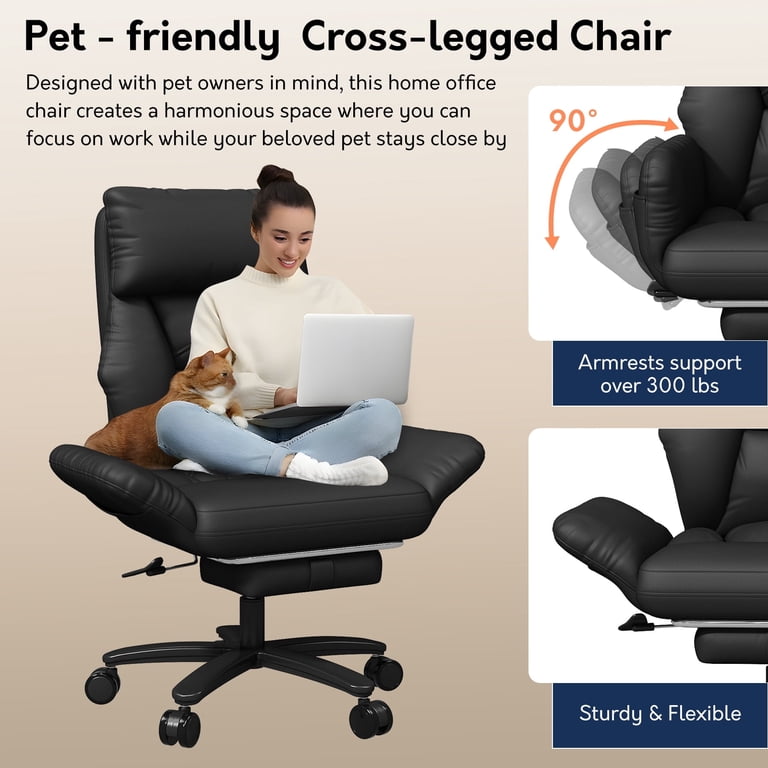
Why a dog friendly ergonomic office space matters
A good setup helps your spine, wrists, eyes, and mind. It also supports your dog’s needs for rest, safety, and choice. When both needs meet, focus rises and stress drops. That is the promise of a dog friendly ergonomic office space.
Dogs nap a lot. Most need 12 to 14 hours of rest each day. They also scan for noise and smell. If their spot is loud or cramped, they pace. That can pull you out of flow. A calm, set space reduces that pull and boosts your deep work time.
I coach remote teams on posture and space use. I see fewer breaks for barking and more steady work when people design with the dog in mind. A dog friendly ergonomic office space is not a trend. It is a simple system for a smoother day.

Map the space: zones, flow, and light
Start with a quick room scan. Note doorways, windows, vents, and cords. Plan three zones: your desk zone, your dog’s rest zone, and a shared play zone. Keep clear paths to the door and water.
Place your dog’s bed to the side of your desk, not under your feet. That keeps your chair free to move. Face your desk so you can spot your dog without twisting your neck. That small shift saves your back over time.
Use light well. Place your monitor at a right angle to windows to cut glare. Give your dog shade and airflow. A good dog friendly ergonomic office space lets you both breathe and move.
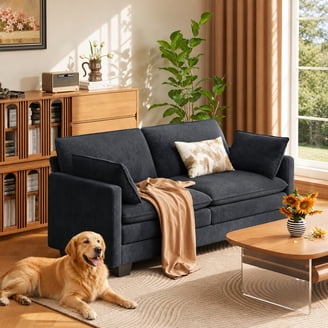
Source: walmart.com
Ergonomics for you: chair, desk, and tech that fit
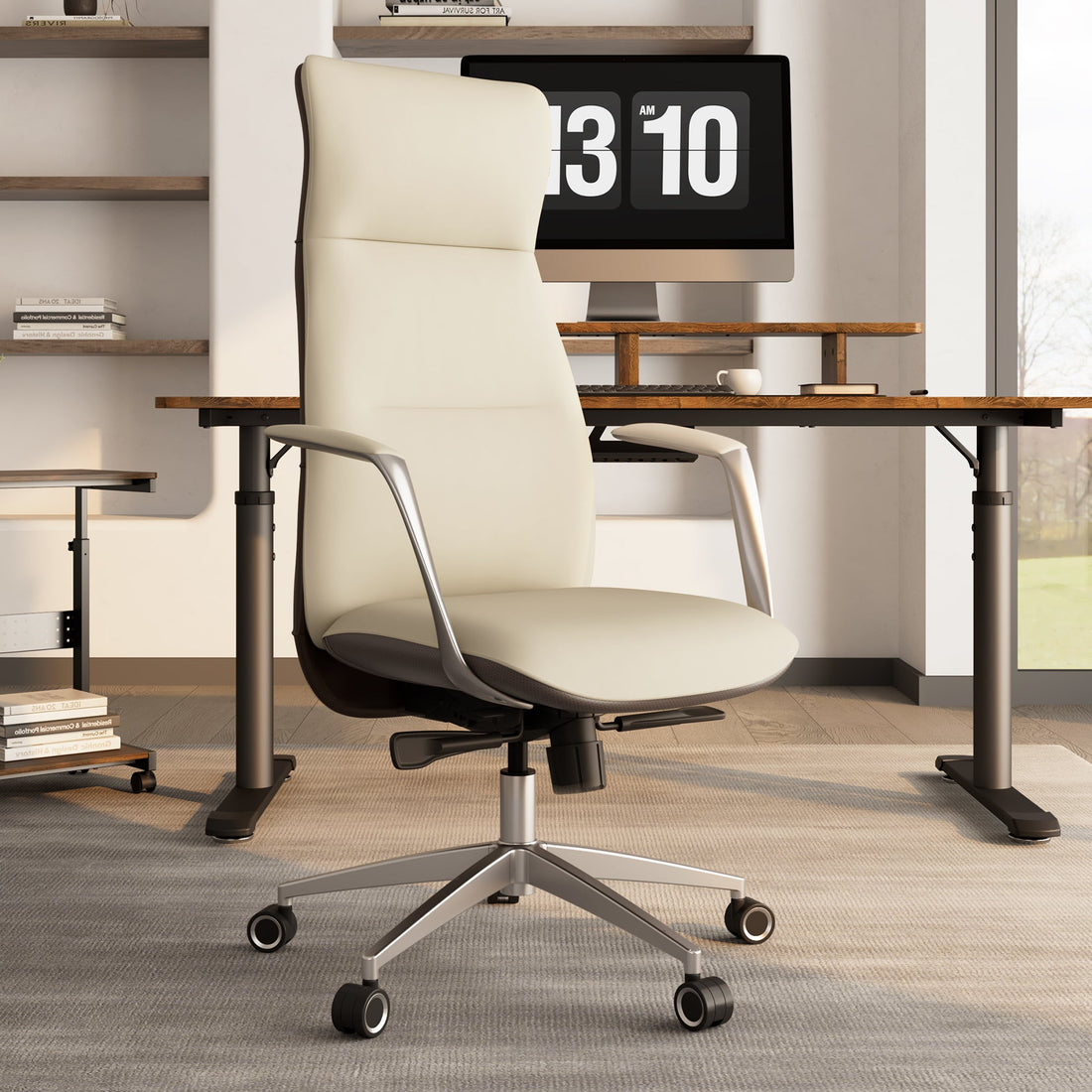
Set chair height so feet rest flat. Your knees should be near 90 degrees. Keep a fist’s space between the chair edge and the back of your knees. Add lumbar support so your low back keeps its natural curve.
Place the keyboard so elbows bend at 90 to 100 degrees. Keep wrists straight. The top of your screen should sit near eye level, at arm’s length. If you use two screens, keep the main one centered. These steps reduce neck and shoulder strain.
Watch out for dog-driven bumps. A wagging tail can nudge cords. Use a stable monitor arm and a heavy base. Tie cords along the desk frame. A dog friendly ergonomic office space keeps tech steady even during zoomies.

Ergonomics for your dog: comfort, safety, and choice
Pick a bed that fits your dog’s size and joints. For older dogs, an orthopedic foam bed helps. For hot climates, choose a cooling mat. For cold rooms, add a low, safe heater set far from the bed.
Provide choice. Place a main bed near you and a quiet backup spot across the room. Some dogs like a covered crate as a calm cave. Offer both a chew and a soft toy. Rotate them to keep interest high.
Mind noise and smells. Use soft rugs or panels to damp sound. Avoid strong diffusers. Dogs smell more than we do. A gentle, clean space is key in a dog friendly ergonomic office space.
Pet-proofing: wires, plants, and small hazards
Hide or lift cords. Use cable sleeves and desk-mounted trays. Keep chargers and headset wires off the floor. A floor-level cord looks like a chew toy to a curious pup.
Choose pet-safe plants. Skip toxic ones like pothos, philodendron, and lilies. Place a lid on the trash can. Keep snacks, gum, and pills in a closed drawer. A gate at the door can block quick escapes during deliveries.
Add a stable water bowl with a non-slip mat. Spills are trip risks. A clean, safe room is a core part of a dog friendly ergonomic office space.

Source: amazon.com
Clean air, light, and hygiene
Use a HEPA air purifier to reduce dander and dust. Clean filters on schedule. Vacuum rugs and dog beds twice a week. Wash soft covers on a gentle cycle. Quick, steady care beats big cleanups.
Set light for focus. Use warm light for the lounge zone. Use neutral light for the desk. Keep a day-night rhythm. Dogs settle better when the room tells a clear story of work, then rest.
Use a small paw towel near the door. Wipe paws on wet days. This keeps your chair wheels, floor, and your dog’s bed clean in a dog friendly ergonomic office space.
Source: eurekaergonomic.com
Training, routine, and boundaries
Teach a place cue. Point to the bed, reward calm, and release with a clear word. Practice in short bursts. Over time, your dog learns that the bed is the default during calls and deep work.
Set a daily rhythm. Start with a brisk walk, then breakfast, then work. Add short play breaks at set times. Dogs love patterns. Clear cues reduce barking and demand nips for attention.
Use baby gates, not scolding, to shape behavior. Give a food puzzle for long calls. This turns work time into calm time in your dog friendly ergonomic office space.
Source: bestbuy.com
Gear checklist: what actually helps
- Supportive chair with lumbar support and easy to clean fabric
- Sit-stand desk or a stable fixed desk at the right height
- Monitor arm, keyboard tray, and a compact wrist rest
- Cable sleeves, desk-mounted power strip, and cord clips
- Orthopedic dog bed, quiet crate, or covered den option
- Non-slip rug under the chair area and dog zone
- Spill-proof water bowl and a tether point for the leash
- HEPA air purifier and a small fan for airflow
- Toy rotation bin, snuffle mat, and a safe long-lasting chew
- Gate for the doorway and a secure storage drawer for treats
Pick the few items that solve your top pain points first. In my own dog friendly ergonomic office space, the biggest wins were a cable tray and a second dog bed. My dog stopped pacing, and I stopped fishing cords from under the desk.

Budget and small-space tips
Work with what you have. Fold a towel to fine-tune lumbar support. Use books to raise the monitor. A yoga mat can quiet chair noise and add grip.
Create vertical storage. Mount shelves for gear and treats. Use an over-door hook for leashes and headphones. Keep the floor open so your chair and dog can move with ease.
If you rent, choose clamps and adhesive hooks. They hold strong and come off clean. A tight room can still be a great dog friendly ergonomic office space with simple tools.
Measuring success and making tweaks
Track your day for a week. Note bark events, spill events, and stretch breaks. Also note when your dog sleeps and when they pace. Patterns will pop fast.
Adjust one thing at a time. Move the bed, then wait two days. Change the light, then wait. Small, steady tweaks avoid overwhelm and make wins clear.
Your best dog friendly ergonomic office space will evolve. As seasons shift or your dog ages, update the plan. A living system beats a one-time setup.
Frequently Asked Questions of how to create a dog friendly ergonomic office space
How big should the dog zone be?
Give space for full-body stretch plus turning room. As a guide, aim for a bed at least as long as your dog from nose to base of tail.
Where should I place the dog bed in a small office?
Place it to the side of your chair, not behind the wheels. Keep it clear of door swings and heater vents for safety and comfort.
How do I stop barking during calls?
Meet needs first with a walk and a quick training game. Then use a place cue and a food puzzle to keep your dog calm and busy.
What is the best desk height for good posture?
Set desk height so elbows bend near 90 to 100 degrees when typing. If the desk is fixed, adjust the chair and add a footrest.
Are standing desks safe with dogs around?
Yes, if cords are secure and the base is stable. Use a mat with bevelled edges and keep the dog bed out of the lift path.
Which plants are safe for a dog friendly office?
Consider spider plant, areca palm, or calathea. Avoid pothos, philodendron, and lilies, which can be toxic if chewed.
How do I handle shedding without constant cleaning?
Use a HEPA purifier and brush your dog outside or over a mat. Vacuum high-traffic spots twice a week and wash the bed cover often.
Conclusion
A great setup blends posture, safety, and calm. Map your zones, lock down cords, tune your chair and screen, and give your dog a clear, cozy place to rest. Small steps stack fast.
Start today. Pick one fix from this guide and test it for a week. Ready for more ideas and tools for your dog friendly ergonomic office space? Subscribe, share your wins in the comments, and keep building a workspace both you and your dog adore.


