
Use non-slip pads, rug grippers, or a rubber mat, then add weight and adjust legs.
If you want to know how to stop footrest from sliding on carpet, you are in the right place. I have tested quick hacks and pro fixes in homes and offices. This guide explains the cause, the best products, and step-by-step methods that work on both low-pile and plush carpets. You will learn proven ways to lock your footrest in place without harming your carpet or your posture.
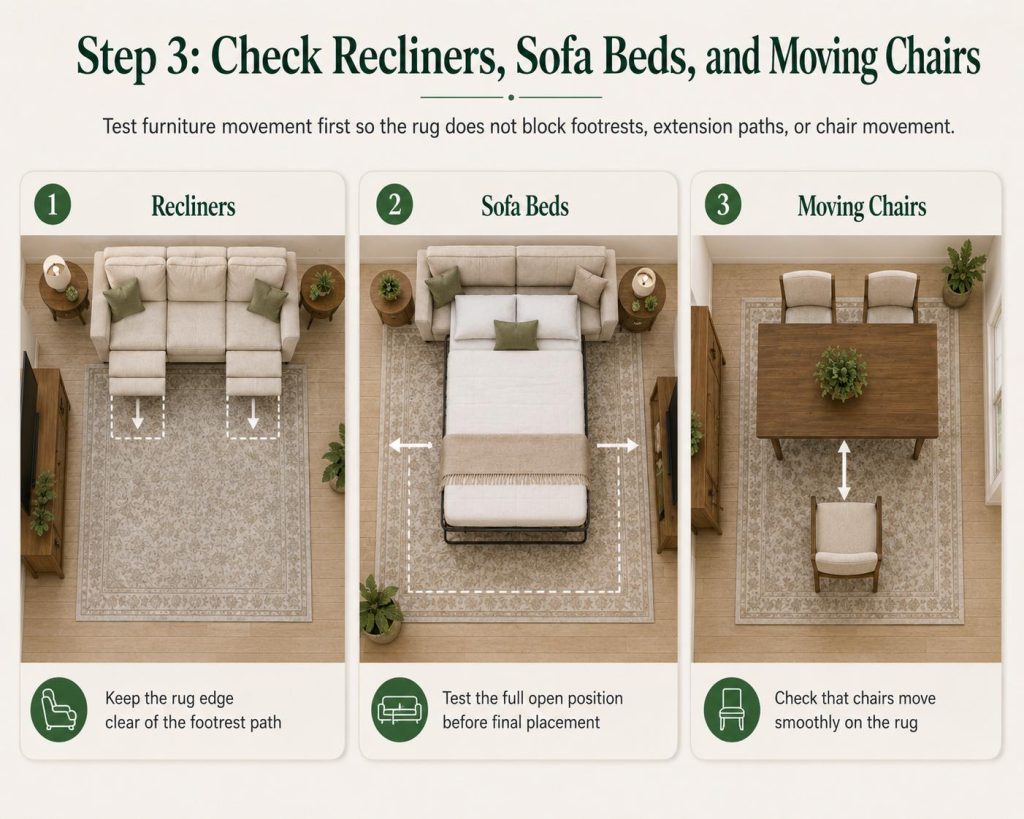
Why footrests slide on carpet
Carpet is soft and springy. That can lower friction at the contact points. When a footrest has smooth plastic glides or a narrow base, it can skate on compressed fibers.
The angle of the footrest matters too. A steeper tilt shifts your weight forward. That push makes the base creep. Uneven floors, deep pile, and caster movement from your chair can all add to the slide.
Knowing these causes helps you plan how to stop footrest from sliding on carpet with the least effort. Match the fix to the surface and the footrest style, and you will get stable results.

Fast fixes you can try today
Start with simple methods. These take minutes and often solve the problem.
- Clean the contact points. Wipe the footrest feet with isopropyl alcohol. Oil and dust cut grip on carpet.
- Add rubber furniture pads. Stick pads under each foot. Pick pads with a textured face. This is a fast way how to stop footrest from sliding on carpet for most users.
- Use rug gripper tape. Place short strips under the feet, sticky side to the footrest, grippy side to carpet. Choose carpet-safe, residue-free tape.
- Try a rubber shelf liner. Cut a piece to the footprint. It adds friction and spreads load on plush pile.
- Use hook-and-loop (Velcro) squares. The hook side can bite into many loop-style carpets. Test first on a small area.
- Reposition the footrest. Place it so your feet press down, not forward. Small angle changes can stop creep.
In my home office, a dense rubber shelf liner solved sliding on a low-pile carpet. It took five minutes and cost a few dollars. It is a great first step if you want a low-risk way how to stop footrest from sliding on carpet.
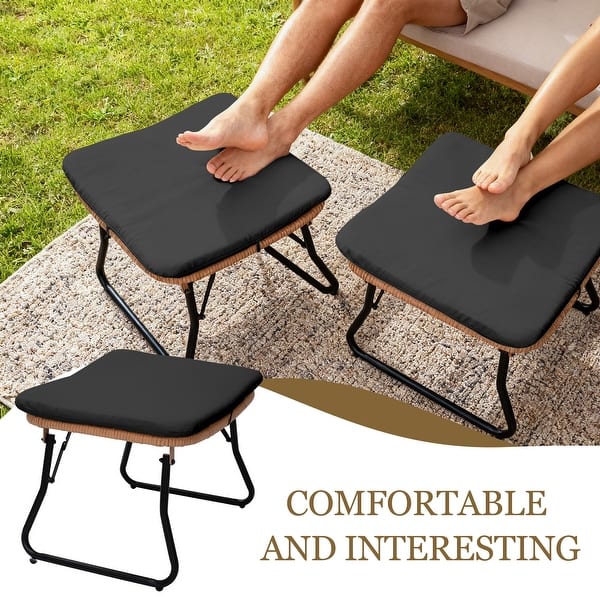
Semi-permanent solutions for daily use
If quick fixes help but do not last, try these upgrades. They hold up under daily use.
- Anti-slip furniture cups. Choose wide rubber cups. They increase surface area and add a high-friction face to the carpet.
- Full rubber mat underlay. A natural rubber mat with a waffle pattern grips carpet well. Size it to match or exceed the footrest base.
- Carpet-safe gripper pads. Some pads use a tacky, acrylic adhesive that is safe on most fibers. They resist shear better than felt.
- Replace hard glides with rubber feet. Many footrests use press-in or screw-in feet. Swap to rubber or TPR feet with a soft durometer for more grip.
- Add weight to the base. A slim plate or small sandbag under the platform increases normal force. More downward force often means less slide.
In client setups, rubber cups under each foot have been the most reliable way how to stop footrest from sliding on carpet for thick pile. They also protect the carpet from dents.
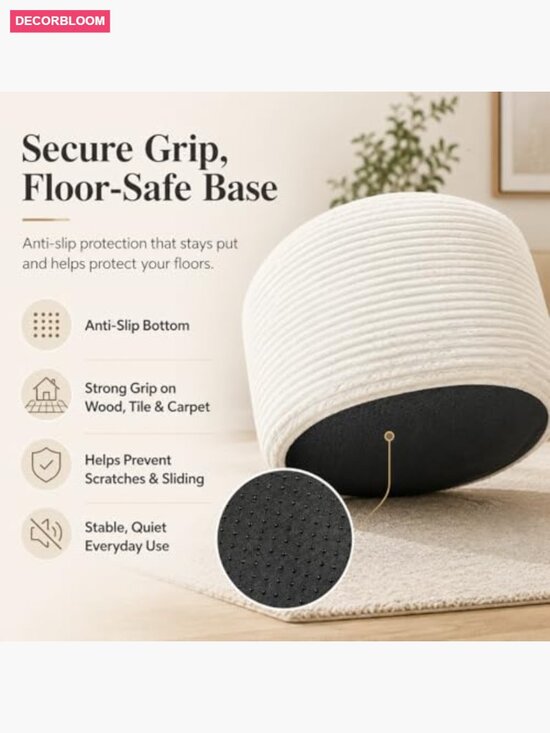
Permanent and custom approaches
For high-traffic areas or shared spaces, you may want stronger measures. These reduce maintenance but need care.
- Screw-on rubber feet or plates. Use larger diameter feet and stainless screws. Pre-drill to avoid splitting wood bases.
- Threaded inserts and machine feet. Add metal inserts to the base and install anti-slip swivel feet. This allows fine height tuning and high grip.
- Link the footrest to a chair base. A discreet bracket can keep relative position fixed. Confirm the chair warranty before drilling.
- Build a platform base. A plywood base wrapped in rubber mat spreads load and adds friction. Add a fabric edge to protect carpet fibers.
- 3D-print TPU feet. Custom feet can match odd shapes and maximize contact area.
Always test on a scrap area. Check for color transfer or carpet pile crush. This is a durable route how to stop footrest from sliding on carpet, but it should not void warranties or mark floors.

What to look for when buying anti-slip products
Pick products that match your carpet and footrest.
- Material. Natural rubber or high-grade TPR grip better than hard plastics. A durometer around 60–70A balances grip and durability.
- Footprint size. Wider pads spread weight and resist shear. Match or exceed the footrest foot size.
- Adhesive. Acrylic adhesives hold longer and leave less residue than cheap rubber glues. Look for carpet-safe claims.
- Mat texture. Waffle or raised patterns increase bite on fibers. Solid mats with a tacky face can help on low-pile carpet.
- Safety and ergonomics. Ensure the footrest angle stays between 10–20 degrees for comfort. Stable grip supports neutral posture.
- Testing and ratings. Vendors may share friction or load data. Higher static friction and shear resistance are good signs.
When I advise offices on how to stop footrest from sliding on carpet, I look first for natural rubber mats and rubber feet with a wide, textured base. These hold well without damaging the pile.
Maintenance and safety checklist
Keep your setup steady and healthy for the long term.
- Vacuum the carpet under and around the footrest often. Dirt acts like tiny rollers and lowers grip.
- Inspect pads monthly. Replace flattened or glossy pads. Shiny rubber is a sign of wear.
- Check angles and height. Hips and knees should form open angles. Your heels should rest without strain.
- Watch for humidity changes. Heat and moisture can soften adhesives. Press pads back into place as needed.
- Review chair movement. Lock casters or use a chair mat if the chair push is moving the footrest.
Routine checks reduce the need for big fixes. This habit is a quiet but powerful way how to stop footrest from sliding on carpet over time.

Frequently Asked Questions of How to stop footrest from sliding on carpet
Will rug gripper tape damage my carpet?
Good gripper tape uses an acrylic adhesive that is safe for most carpets. Test a small hidden spot first and avoid tapes labeled for hard floors only.
Can I use Velcro to hold a footrest on carpet?
Yes, the hook side can catch on some loop carpets. Use small squares at each corner and test removal to ensure there is no snagging.
Do rubber furniture cups work on plush carpet?
They do, but choose wider cups to avoid sinking. A thin rubber mat under the cups can add even more stability on deep pile.
Is adding weight to the footrest safe?
Yes, if weight is low and evenly spread. Keep added weight secure and avoid sharp edges that could mark the carpet.
What is the quickest fix before a meeting?
Place a piece of rubber shelf liner or a small yoga mat under the base. It takes seconds and adds instant grip.
Will a chair mat help with sliding?
A chair mat adds a firm surface with higher friction. It can help both the chair and the footrest stay put.
How often should I replace anti-slip pads?
Plan on every 6–12 months with daily use. Replace sooner if pads become smooth, hard, or lose tack.
Conclusion
Stopping a footrest from sliding is simple when you match the fix to the cause. Clean contact points, add high-friction materials, spread the load, and adjust the angle. For tougher cases, upgrade to rubber cups, replace feet, or build a stable base. These steps are safe, low-cost, and proven.
Try one small change today. Pick a rubber pad or mat and test your setup for a week. If it holds, you have learned how to stop footrest from sliding on carpet the easy way. Want more ergonomic tips like this? Subscribe for updates or share your results in the comments.


