

Stand tall, move often, strengthen core and back, and set up your workspace.
If you want to know how to avoid posture imbalance the right way, you are in the best place. Over the past decade coaching desk workers and athletes, I have tested what works in real life. This guide blends simple daily habits with expert tips you can use today. Stick with me and you will learn how to avoid posture imbalance without guesswork.
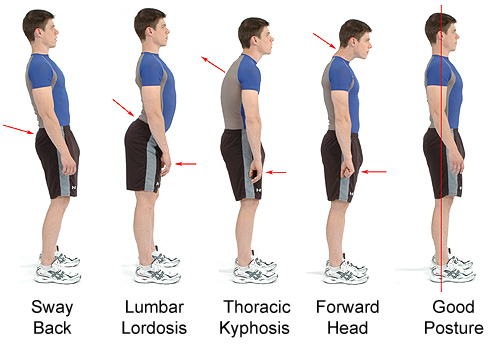
What posture imbalance means and why it happens
Posture imbalance is when some muscles work too hard while others switch off. Your joints then sit out of line. Think rounded shoulders, a forward head, or a tilted pelvis.
Small habits create big drifts. Long sitting, poor screen height, weak glutes, tight hip flexors, and stress all play a part. Research shows that strength, mobility, and better load management can ease pain and improve alignment. This is the base of how to avoid posture imbalance.

How to avoid posture imbalance: a simple daily checklist
Use this short plan. It takes less than 20 minutes across your day. It is built on what I use with clients.
Morning reset
- Do 5 deep nasal breaths while reaching arms up. This wakes the rib cage.
- Do 10 chin tucks. Keep eyes level and neck long.
- Do 10 glute bridges. Squeeze at the top for 2 seconds.
- Do a 30-second hip flexor stretch per side.
Workday rhythm
- Set a 30-minute move timer. Stand, walk 60 steps, or do 10 bodyweight squats.
- Keep water nearby. Sip often. Hydration supports tissues and focus.
- Use the 20-8-2 rule. Sit 20 minutes, stand 8, move 2.
Evening unwind
- Do 1 minute of thoracic extensions over a rolled towel.
- Do 30 seconds per side of doorway pec stretch.
- Do 1–2 sets of rows or band pulls, 12–15 reps.
Repeat this checklist daily. This is the core of how to avoid posture imbalance for busy people.

The ergonomic desk setup that prevents drift
Set up your space so good posture is the easy choice. Small tweaks reduce strain on your neck, shoulders, and low back.
- Hips slightly above knees. Sit on your sit bones, not your tailbone.
- Backrest supports the curve in your low back.
- Feet flat, or use a footrest if your feet dangle.
Monitor
- Top of screen at eye level. Arm’s length away.
- Center the screen you use most.
Keyboard and mouse
- Elbows near your sides at about 90 degrees.
- Wrists straight. Use a mouse that fits your hand.
Laptop users
- Raise the laptop on a stand and add a keyboard and mouse.
- If you must be mobile, follow a 20-minute cap per session.
This layout makes how to avoid posture imbalance much easier at work.

Movement habits and exercises that balance muscles
The goal is to wake sleepy muscles and relax tight ones. You want strong back and glutes, mobile hips and mid-back, and a calm neck.
Two-minute microbreak routine
- 10 wall slides. Keep ribs down. Move slow.
- 10 sit-to-stands. Push through heels. Squeeze glutes at the top.
- 20-second calf stretch per side.
Five-minute posture reset
- Chin tuck hold for 30 seconds.
- Side-lying open books, 6–8 per side.
- Hip flexor stretch, 30 seconds per side.
- Band rows, 2 sets of 12–15.
- Dead bug or bird dog, 2 sets of 6–8 per side.
Weekly strength and mobility plan
Do this 2–3 days per week.
- Rows or pull-downs for the upper back.
- Romanian deadlifts or hip thrusts for the posterior chain.
- Split squats for hips and knees.
- Side planks for lateral core.
- Farmer carries for grip, core, and gait.
These moves are proven in clinics and studies to cut pain risk and improve control. They build the base of how to avoid posture imbalance over time.

Sleep, walking, and phone habits that matter
Sleep
- Use a pillow that keeps your neck in line. Side sleepers need higher fill.
- Keep the mattress medium to firm if you have back pain.
- Place a pillow between knees for side sleep, or under knees for back sleep.
Walking
- Swing arms. Look ahead, not down.
- Take shorter, brisk steps to reduce heel strike shock.
- Walk daily, even 10 minutes. It resets tight hips.
Phone use
- Bring phone to eye level. Do not crane your neck.
- Use voice notes and earbuds to avoid one-shoulder holding.
- Cap long scrolls. Stand or walk while you listen.
These small wins add up. They support how to avoid posture imbalance outside the office.

Red flags, limits, and when to see a pro
Pain that wakes you at night, numbness, weakness, or sudden loss of control needs care. See a clinician fast. If home work stalls after 4–6 weeks, get help from a physical therapist.
Not all asymmetry is bad. Your body adapts to sport and life. The goal is tolerance, not perfect lines. Evidence shows that graded loading and movement confidence beat fear and rigid bracing. Use experts to fine-tune how to avoid posture imbalance in your case.

What I learned coaching clients on posture
I once tried to fix everything at once. People quit. Now I add one habit per week. Wins stick. One client had neck pain from laptop work. We raised her screen, added 10 chin tucks, and two 60-second band pull-aparts daily. Her pain dropped in two weeks.
Mistakes to avoid
- Chasing perfect form all day. Aim for variety, not stiff poses.
- Skipping strength work. Mobility alone will not hold changes.
- Doing long stretch sets but never moving more in the day.
Start small, stack wins, and stay kind to yourself. That is how to avoid posture imbalance for the long haul.
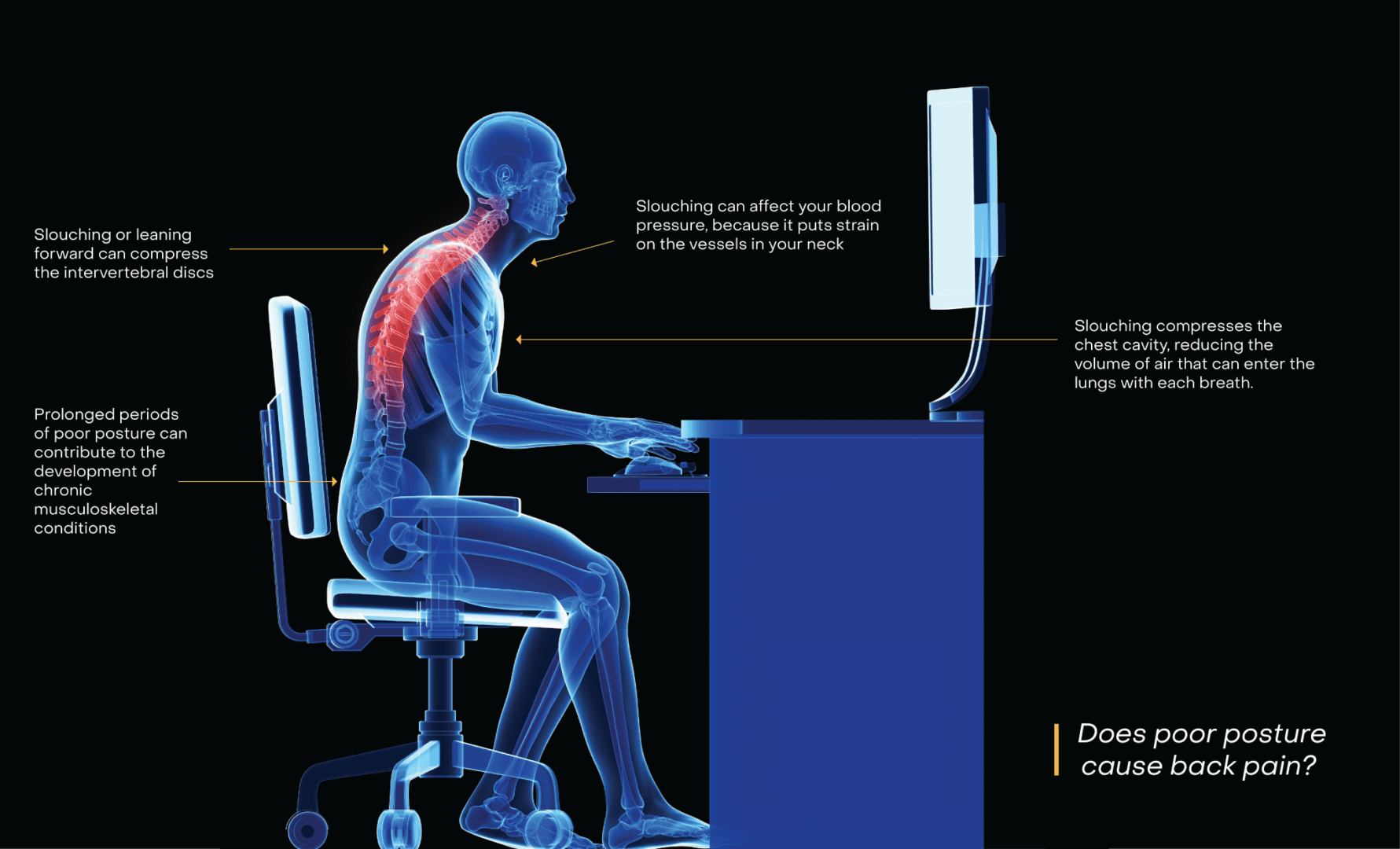
Frequently Asked Questions of how to avoid posture imbalance
How long does it take to fix posture imbalance?
Most people feel better in 2–6 weeks with daily habits. Lasting change often takes 3–6 months of steady practice.
Can I reverse rounded shoulders from sitting?
Yes. Mix pec stretches, rows, and thoracic mobility work. Raise your screen and take microbreaks to lock in gains.
Do I need special posture braces?
Braces can cue you, but they do not build strength. Use them short term while you train your back and core.
What exercises help most for how to avoid posture imbalance?
Band rows, glute bridges, bird dogs, and chin tucks are a strong start. Add hip flexor and chest stretches.
Is standing all day better than sitting?
Not by itself. The best posture is your next one. Switch between sitting, standing, and walking across the day.
Conclusion
You can change your posture with small, steady steps. Set up your desk, move every 30 minutes, and train your back, core, and hips. Sleep well, walk daily, and keep your phone at eye level.
Pick one habit today and do it for one week. Then add the next. That is how to avoid posture imbalance without stress. Want more guides like this? Subscribe, share your wins, or ask a question in the comments.


