
Affiliate Disclosure:
This post may contain affiliate links, which means I may earn a small commission if you purchase through these links, at no extra cost to you. I only recommend office chairs that are well-reviewed, ergonomically designed, and suitable for scoliosis support based on research and user feedback. Your support helps keep this site running and allows me to create helpful content.
The best office chairs for scoliosis balance lumbar fit, adjustability, and movement.
If you live with scoliosis, a bad chair can turn a normal day into a long fight with pain. Your spine needs steady support. It also needs room to move. I have tested many chairs over the years. The right one can change how your back feels by noon. In this guide, I share the Best Office Chairs for Scoliosis that help you sit with less strain. I focus on real fit, clear benefits, and simple choices you can make today.
Herman Miller Aeron Size B with Lumbar Support
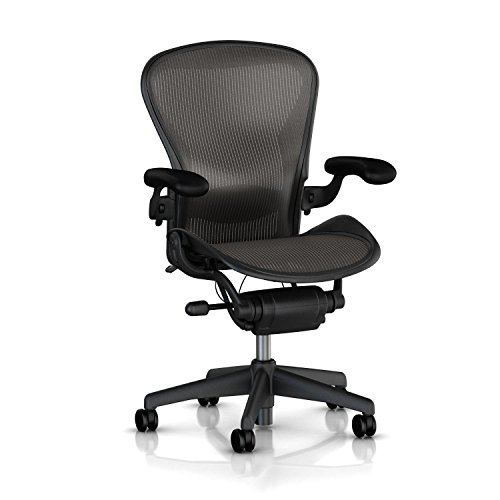
The Aeron is a classic for a reason. It offers a firm, steady lumbar option that stays in place. Size B suits many people between small and large builds. The mesh seat keeps you cool and helps you sit upright. The tilt lets you move often without losing support.
For scoliosis, the Aeron’s PostureFit-style lumbar (when included) makes a big difference. It guides your pelvis into a neutral tilt, which can ease mid and low back stress. The arms adjust well, so your shoulders can relax. The build is strong, quiet, and made to last for many years.
Pros:
- Consistent lumbar support chair that fits the natural curve
- Breathable mesh reduces heat and pressure
- Smooth tilt that keeps the spine aligned as you move
- Highly adjustable arms reduce neck and shoulder strain
- Exceptional build quality and long-term durability
Cons:
- Premium price, even when open box
- Seat feel is firm; some may want more cushion
- Headrest is not standard and may need an add-on
My Recommendation
If you want a gold-standard pick among the Best Office Chairs for Scoliosis, the Aeron is hard to beat. It gives steady support and allows safe movement. I suggest Size B for average builds, but check your height and weight for best fit. The seat is firm, but it keeps your posture on track all day.
| Best for | Why |
|---|---|
| All-day desk work | Stable lumbar and smooth tilt ease long sitting |
| Hot offices | Mesh seat and back keep you cool and dry |
| Users who value longevity | Top materials and parts made to last years |
SIHOO M18 Ergonomic Chair with Headrest and Lumbar

The SIHOO M18 hits a sweet spot for price and features. You get a height-adjustable headrest, flexible lumbar, and a tall mesh back. The 2D arms help you keep elbows close to your sides. The tilt and lock give your spine small breaks during the day.
For many users with scoliosis, the M18’s lumbar feels supportive yet soft. The mesh gives a light hold across the back, which can help mild curves. The wide seat fits many body types. The 330 lb capacity adds peace of mind and a sturdy frame feel.
Pros:
- Adjustable headrest supports the neck during breaks
- Gentle lumbar support is easy to dial in
- Breathable mesh reduces sweat and hot spots
- 2D armrests improve arm and shoulder placement
- Strong weight rating and stable base
Cons:
- Armrests could use more range for some users
- Seat cushion is moderate, not plush
- Tilt tension may feel light for heavier users
My Recommendation
On a budget, this is one of the Best Office Chairs for Scoliosis in its class. It supports daily work without fuss. If you want a headrest and mesh back, it delivers solid value. It is a smart choice for home offices and lighter frames.
| Best for | Why |
|---|---|
| Budget-conscious buyers | Great feature mix at a fair price |
| Light to medium builds | Mesh support and 2D arms fit most users |
| Neck support needs | Adjustable headrest helps during reading or calls |
PatioMage Big & Tall Chair with Lumbar and Seat Depth

The PatioMage Big and Tall chair stands out for two things. It has a sliding seat and an adjustable lumbar pad. These are key for custom fit. The high back holds you well in the mid and upper spine. The mesh frame feels airy and firm.
Seat depth control matters for scoliosis. Your feet should plant flat while your back stays in contact. This chair lets you set that sweet spot. The lumbar pad can ease uneven load on the lower back. The base, wheels, and hardware feel stable for larger users.
Pros:
- Seat depth adjustment for thigh and back fit
- Dedicated lumbar pad for targeted lower back support
- High back design supports the whole spine
- Strong frame for big and tall users
- Mesh keeps airflow steady across long days
Cons:
- Footprint is large and needs space
- Arm adjust range could be wider
- May take time to dial in seat and lumbar
My Recommendation
I like this chair for larger frames who need precise fit. Among the Best Office Chairs for Scoliosis, it shines for seat depth. If your legs go numb or your back loses contact, this can help. Take time to tune it on day one for the best results.
| Best for | Why |
|---|---|
| Big and tall users | Sturdy build and wide seat |
| Custom lower back support | Adjustable lumbar pad targets pain points |
| Knee and thigh comfort | Seat depth helps blood flow and posture |
Branch Ergonomic Chair with Adjustable Lumbar

The Branch Ergonomic Chair offers a clean look and a balanced sit. The lumbar moves up and down to match your curve. The mesh back gives a light cradle feel. The casters roll smooth on most floors.
I find the Branch chair easy to fit for many users. It is simple to set up and adjust. The lumbar is not too hard or too soft. For mild to moderate scoliosis, that blend can reduce daily flare-ups.
Pros:
- Adjustable lumbar height for better curve matching
- Breathable backrest suits warm spaces
- Easy setup and intuitive controls
- Smooth-rolling casters for quick moves
- Clean style fits modern offices
Cons:
- Seat cushion may feel average for very long days
- No advanced arm adjustability listed
- Headrest version may be separate or limited
My Recommendation
This is a solid mid-range option in the Best Office Chairs for Scoliosis list. It suits users who want a fresh look and steady support. If you need simple lumbar height tuning, it works well. It is a great match for light to medium builds and modern setups.
| Best for | Why |
|---|---|
| Minimalist workspaces | Clean lines and neutral colors |
| Mild to moderate curves | Balanced lumbar feel without harsh pressure |
| Quick setup | Easy controls and smooth adjustments |
TRALT Ergonomic Mesh Chair, 330 lb Capacity

The TRALT chair blends a gaming style with office needs. It offers a high back mesh and strong capacity. The tilt range is comfortable for breaks. The seat has a simple contour that suits many users.
For scoliosis, a supportive mesh back can keep the spine aligned. This chair feels stable when you lean and move. The arms keep your shoulders from creeping up. It is a good pick if you switch from typing to calls often.
Pros:
- High 330 lb rating for added safety
- Mesh back helps posture and airflow
- Comfortable tilt range for micro-breaks
- Simple contour seat fits many body types
- Good value for a full-back design
Cons:
- Fewer fine-tuned arm adjustments
- Seat foam may compress over time
- Headrest not listed; neck support may be limited
My Recommendation
For a firm, stable mesh chair, the TRALT holds its own. In the Best Office Chairs for Scoliosis group, it works for users who want a taller back. If you like a light, supportive feel and simple setup, this is a smart buy. It suits home offices and shared spaces.
| Best for | Why |
|---|---|
| Sturdy support | High weight rating and stable base |
| All-day airflow | Mesh back reduces heat and sweat |
| Budget-friendly ergonomics | Solid features at a fair price |
ELABEST X100 Mesh Chair with Footrest and 5D Arms
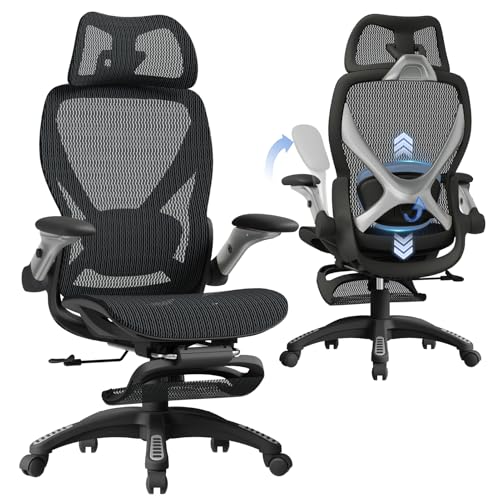
The ELABEST X100 packs features rare at this price. It has a retractable footrest for breaks. The arms move in five ways to match your desk and tasks. The 3D lumbar adjusts to match your curve.
For scoliosis, arm and lumbar control are key. The X100 lets you bring your arms close and level. That can cut shoulder and neck strain. The adjustable lumbar can decrease uneven load, which helps during long edits or calls.
Pros:
- 5D arms support many arm and wrist angles
- 3D lumbar can match unique curves
- Footrest helps quick rest breaks
- Breathable mesh back and seat
- Good adjustability for the price
Cons:
- Footrest suits short rests, not naps
- Assembly takes some time due to features
- Seat may feel firm for very light users
My Recommendation
If you want more control without a high price, this is a great pick. It stands out in the Best Office Chairs for Scoliosis because of its 5D arms and lumbar. Use the footrest for short micro-breaks. It works for content creators, coders, and long video calls.
| Best for | Why |
|---|---|
| Heavy keyboard use | 5D arms keep wrists and elbows aligned |
| Back curve matching | 3D lumbar targets your spine’s shape |
| Active break takers | Footrest supports quick recovery breaks |
BestOffice Mid-Back Ergonomic Swivel Chair

This BestOffice chair is a lean, simple pick. It has a mid-back mesh, basic lumbar contour, and height adjust. The seat uses sponge foam for a soft first feel. It works well for short tasks or light users.
For scoliosis, this is a starter option. It can help students or part-time workers. The mesh encourages upright sitting. If you need deep lumbar control, you may look higher, but this fits tight budgets.
Pros:
- Very budget-friendly
- Breathable mesh supports a neutral posture
- Compact size for small rooms
- Light and easy to move
- Simple assembly and controls
Cons:
- Limited lumbar adjustability
- Not ideal for long daily sessions
- Armrests may be fixed or have limited range
My Recommendation
If you need a basic chair now, this is a fine entry point. As part of the Best Office Chairs for Scoliosis, it suits short shifts and light frames. For full workdays, consider adding a lumbar pillow. It is also a nice spare chair for guests.
| Best for | Why |
|---|---|
| Students and interns | Low cost with essential support |
| Small rooms | Compact size fits tight spaces |
| Short tasks | Comfortable for brief, focused work |
How I Picked the Best Chairs for Scoliosis
I looked for strong lumbar control, arm adjustment, and tilt. These help your spine find a neutral spot. I also valued mesh backs for airflow and pressure spread. A stable base and high weight rating matter for safety and feel.
For scoliosis, the chair should allow small moves all day. I seek tilt that keeps support during recline. I also check seat depth. Your feet should rest flat while your back stays in contact. Finally, I note build quality. Loose parts make noise and break focus.
Key Tips to Set Up Your Chair for Scoliosis
Raise your seat so your hips are level or slightly above knees. This helps tilt the pelvis forward a bit. Keep feet flat on the floor or a footrest. Set lumbar to meet the deepest curve in your lower back.
Keep elbows close to your sides. They should bend near 90 degrees. Set the screen at eye level to avoid a forward head. Use the tilt to change posture every 20–30 minutes. Little moves help your back stay fresh.
Signs a Chair Fits Your Scoliosis
You should feel even pressure across the seat. No hot spots under the thighs or sit bones. Your lower back should feel supported, not poked. Your shoulders should drop down and feel light.
Your neck should not reach forward to see the screen. You should be able to lean back without losing lumbar contact. If the chair keeps you stable and free to move, you found a great fit. These are the signs of the Best Office Chairs for Scoliosis.
FAQs Of Best Office Chairs for Scoliosis
Do I need firm or soft lumbar support?
Most people do best with medium-firm support. It should hold your curve without pain. If it feels sharp, lower the pressure or change height.
Is mesh better than a padded back for scoliosis?
Mesh can spread pressure and keep you cool. A padded back can feel plush. Choose the one that holds your curve without heat build-up.
How high should my chair be?
Set it so hips are level or a bit above knees. Feet should rest flat. This helps your lower back stay neutral.
Do I need a headrest?
A headrest helps on calls or breaks. It is not required. It is useful if your neck gets tight.
How often should I move while seated?
Shift every 20–30 minutes. Use the tilt for small reclines. Short breaks add up and reduce pain.
Final Verdict: Which Should You Buy?
The SIHOO M18 Ergonomic Chair is the top pick if you want proven, lasting support. It sets the bar for posture, movement, and build.
For value, the SIHOO M18 and ELABEST X100 offer smart features at fair prices. Each earns a place among the Best Office Chairs for Scoliosis.


Interesting to see how ergonomic chairs are evolving for scoliosis. Do they really make a noticeable difference in comfort?