
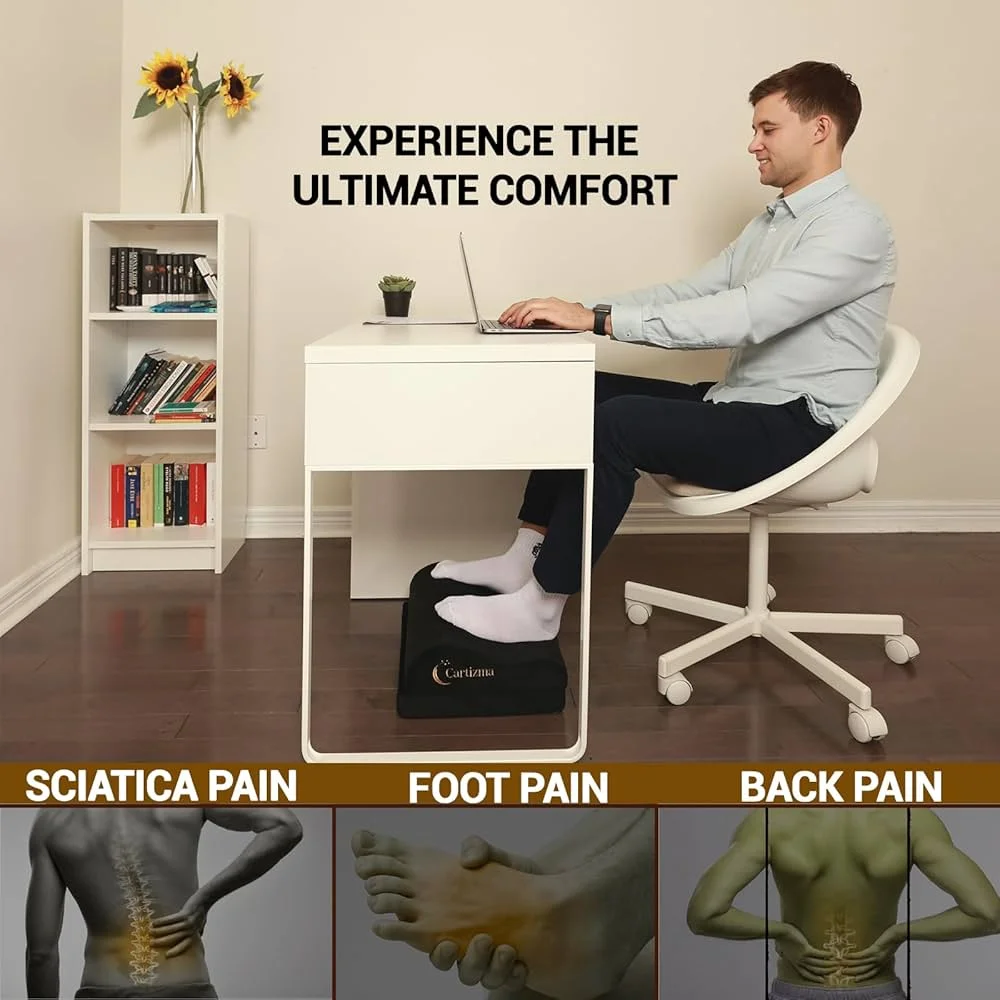
Yes, a footrest can help reduce lower back pain by supporting the legs, keeping the pelvis in a neutral position, and lowering strain on the lumbar spine. When your feet are fully supported, spinal pressure decreases, posture improves, and muscle fatigue is reduced during long hours of sitting. A footrest help back pain by aligning your posture and reducing lumbar strain.
If you sit for long hours, your body begs for better support. I’ve helped hundreds of people fix desk pain with simple, science-backed tweaks. This guide explains how footrest helps back pain, why it works, and how to set it up right. You will learn practical steps, research insights, and real stories you can trust.

Source: homedelart.be
Why a footrest relieves back pain
Your feet set the base for your whole body. When your feet hang or press into the floor, your hips tip and your spine works harder. A footrest lifts and supports your legs. This brings your hips into a neutral tilt and eases stress on your lower back.
A footrest reduces pressure under the thighs. That boosts blood flow and cuts numbness. It also invites small moves in the ankles. Those tiny shifts relax tight muscles in your hips and back.
Here is how footrest helps back pain in daily life:
- It reduces forward lean by supporting your base.
- It keeps your pelvis level to protect the lumbar curve.
- It improves circulation, so tissues stay calm and fed.
Research in ergonomics links lower limb support with less spinal load and less discomfort. That is the science behind how footrest helps back pain.

Source: arthritissupplies.com
Posture, alignment, and the chain effect
The body moves as one chain. If the feet lack support, the knees and hips rotate. The pelvis tilts. The spine bends. A footrest gives your feet a stable ground so your spine can stack tall.
This steady base helps your head sit over your ribs. Your shoulders relax. Your core can switch on with less effort. These gains add up over hours and days.
If you want a clear, simple plan for how footrest helps back pain, start at the base. Support the feet. Align the hips. Let the spine do less work. This feels small, but the relief is real and repeatable.

Types of footrests and how to choose
Footrests come in many styles. Choose what fits your body, desk, and habits.
- Fixed platform Good for simple, sturdy support.
- Adjustable tilt Lets you set ankle angle for comfort.
- Rocking or rolling Encourages micro-moves that ease stiffness.
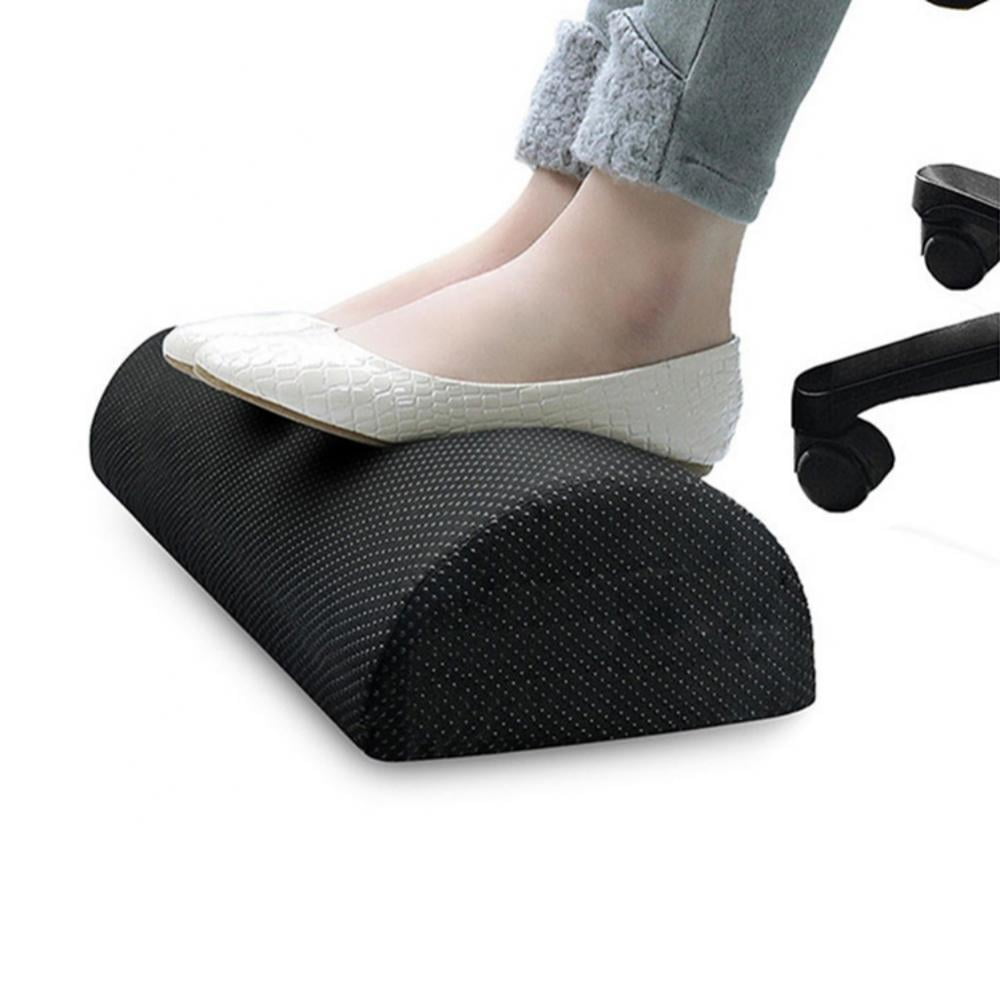
- Memory foam or cushioned Adds comfort for long sits.
- Textured surface Boosts grip and active foot play.
- Portable wedge Slim and easy to carry for remote work.
- Tall models Help shorter users reach support with high desks.
Key tips:
- Match height to your chair and desk setup.
- Check that feet rest flat with knees near 90–110 degrees.
- Aim for a surface wide enough for both feet.
- Test both a firm and a rocking style if you can.
A good choice is one you use all day. That is the best way to feel how footrest helps back pain in real time.

Source: backgood.com
Set up your footrest the right way
Follow these steps to dial in your setup:
- Adjust your chair first. Set hip height so your hips are at or just above knee level.
- Place the footrest where both feet sit flat. Your toes should not hang off the edge.
- Set knee angle near 90–110 degrees. Avoid pressure behind the knees.
- Keep the ankles relaxed. A small tilt can feel great.
- Sit back into the chair. Let the backrest support your lumbar curve.
- Test for a few days. Tune height or tilt if you feel strain.
If you feel numbness in the legs, lower the platform or change the angle. If pain is sharp or new, pause and check with a clinician. These small checks help you prove how footrest helps back pain without guesswork.

Source: amazon.com
Daily habits that boost relief
A footrest is a tool, not a cure. Pair it with small habits to amplify relief.
- Use the 20-8-2 rhythm Sit for 20 minutes, stand for 8, move for 2.
- Shift your feet often Rock, flex, and point your ankles.
- Breathe and reset Drop shoulders, tuck chin, and lengthen through the chest.
- Stretch tight spots Try gentle calf, hip flexor, and hamstring stretches.
- Support the low back Use lumbar support or a small cushion when needed.
Each habit stacks benefits. Over time, you will feel how footrest helps back pain and boosts energy too.

com.br
What the research and experts say
Ergonomic guidelines advise full foot support for desk work. Studies show that lower limb support can reduce spinal compression and muscle load. People report less low back pain and less leg strain with proper foot support.
Physical therapists also back this change. They see better pelvic alignment and improved sitting tolerance. Still, a footrest is not a fix for all causes. If pain is severe, radiates, or wakes you at night, seek care. Used with good chair fit and breaks, the evidence supports how footrest helps back pain in a safe, simple way.
Who Benefits Most From a Footrest?
-
Shorter users with high desks
-
People with deep office chairs
-
Sciatica sufferers
-
Desk workers sitting 6+ hours

Real-world lessons from my practice
A software lead came to me with daily back pain, level 7 out of 10. He is five foot six with a tall desk he could not change. His feet dangled, and he leaned forward to code.
We added a mid-height, rocking footrest and raised his chair. Within two weeks, his pain fell to a 3. He also felt less leg numbness at night. His words It felt like my spine finally had permission to relax.
I have seen this pattern many times. Shorter users benefit, but taller folks do too, especially with deep seats. Real life use confirms how footrest helps back pain when the fit is right.
Comparison Table:
| Without Footrest | With Footrest |
|---|---|
| Pelvis tilts backward | Neutral pelvis |
| Lower back strain | Reduced strain |
| Leg numbness | Improved circulation |
peterloon.org
Buying checklist and smart use
Use this quick checklist when you shop or set up.
- Height range Fits your leg length and chair height.
- Surface size Wide enough for both feet to rest flat.
- Tilt and motion Allows small ankle moves without strain.
- Grip features Non-slip top and base for safety.
- Build quality Solid frame that does not wobble.
- Easy care Surface that wipes clean.
- Portability Light enough to move between rooms.
- Warranty and returns Gives time to test at home.
Smart use tips:
- Adjust often during the first week.
- Pair with a lumbar roll if your chair lacks support.
- Keep a small notebook. Track what settings reduce pain most.
When these boxes are checked, you can feel how footrest helps back pain day after day.
Common mistakes to avoid
Avoid these common pitfalls so you do not trade one pain for another.
- Footrest too high Hips tip back and strain the low back.
- Toes only on edge Causes calf tension and poor support.
- Ignoring chair height Fix the chair first, then the footrest.
- Locked knees Cuts blood flow and raises fatigue.
- Staying still too long Movement is the real magic.
- Thick, squishy pads that press the calves Can numb your legs.
Skip these traps and you will see faster gains in how footrest helps back pain.
Frequently Asked Questions of how footrest helps back pain
Can a footrest really reduce lower back pain?
Yes. A footrest supports the legs so the pelvis stays neutral and the spine relaxes. Many people feel relief within days.
Do taller people need a footrest too?
Sometimes. If your seat is deep or your desk is high, a footrest can still help. It encourages small ankle moves and eases lumbar load.
How high should my footrest be?
Aim for knees near 90–110 degrees with feet flat. Adjust until your hips feel level and your backrest supports your lower back.
Will a rocking footrest be better than a fixed one?
Rocking models invite small moves that fight stiffness. If you get fidgety or tight, a rocking style may feel best.
Can a footrest replace lumbar support?
No. They work together. Support your feet and your lumbar curve for the best comfort and posture.
Is a footrest helpful if I use a standing desk?
Yes, use a small foot rail or block. Shifting one foot up reduces back strain while you stand.
What if my legs feel numb with a footrest?
Lower the height or change the angle. If numbness persists, stop and check with a clinician.
Conclusion
You do not need a full desk overhaul to ease pain. A simple footrest can align your base, relax your spine, and lift your energy. With smart setup, small moves, and steady habits, your chair time can feel good again.
Start today. Test a footrest for one week, track your comfort, and tune your setup. If this helped, explore more ergonomic tips, subscribe for updates, or leave a comment with your questions.


