Set your footrest so knees are near 90°, hips level, and feet fully supported.
If you work at a desk, this small change can save your back, hips, and legs. In this guide, I break down how high should a footrest be under a desk using real-world steps, expert ergonomics, and lessons from many office setups. I will help you set a height that fits your body, your chair, and your desk, so you feel better fast.
Source: worksiteinternational.com
What the right footrest height looks like
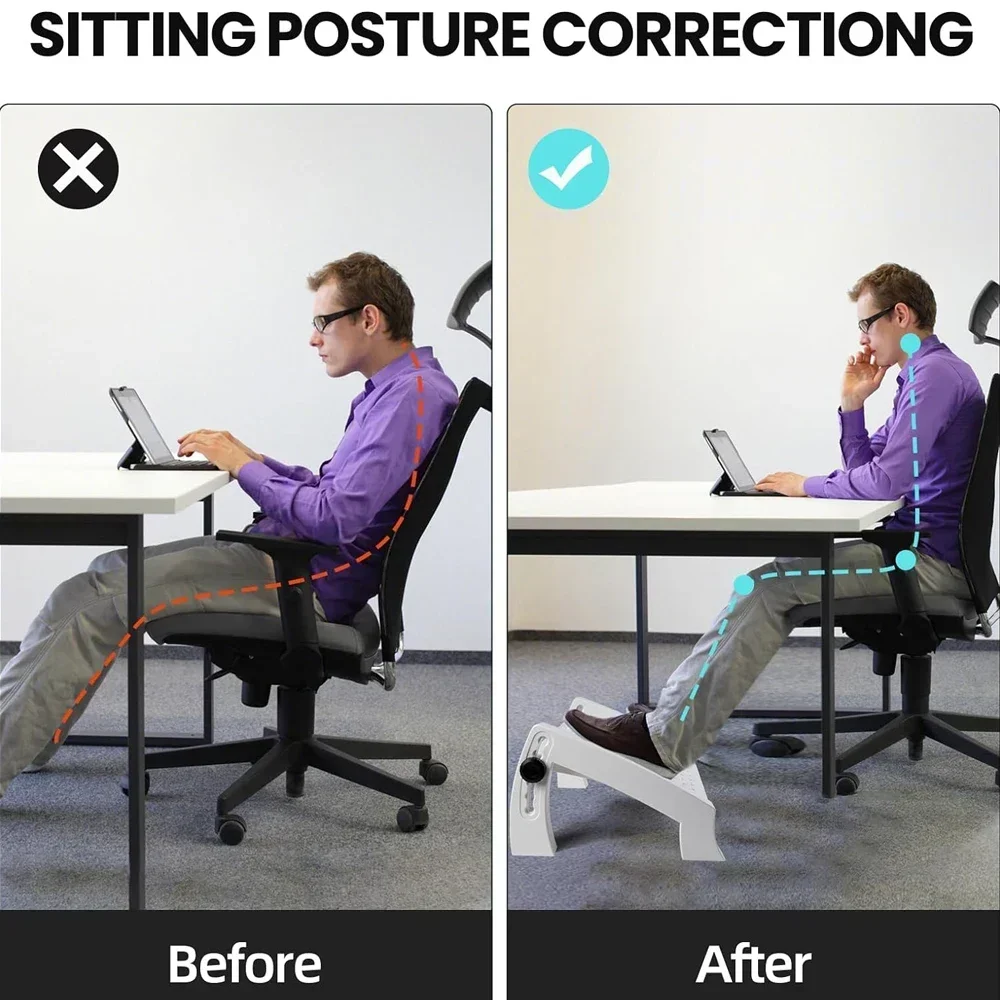
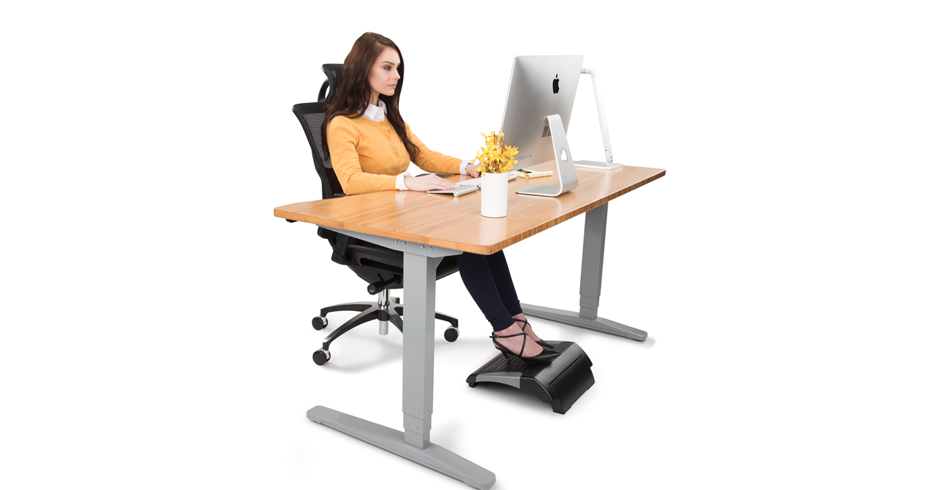
The best height keeps your knees near 90 to 100 degrees. Your thighs feel light on the seat. Your feet rest flat with no strain in the ankles. Your hips stay level or a touch above your knees.
For most people, the range is 2 to 6 inches. The surface angle can be 10 to 20 degrees. This lets your ankles move and boosts blood flow. If you ask how high should a footrest be under a desk, start in that range, then fine tune by feel.
A good height eases low back load. It reduces pressure at the back of the thighs. It can help with swelling in the feet. It also helps you sit upright with less effort.
Source: templedavid.org
Step-by-step: Set your footrest height in 5 minutes
Follow these steps. You only need your chair, desk, and a stack of books.
- Set chair and desk height. Sit close. Raise or lower your chair so your elbows sit level with the desk, and your shoulders are relaxed.
- Sit back. Keep your back supported. Keep hips level with or slightly above your knees.
- Check your feet. If your heels do not sit flat, you need a footrest.
- Build the floor up. Stack books under your feet until your knees reach about 90 to 100 degrees. Your heels should feel planted. Your thighs should feel light.
- Measure the stack. That stack height is your ideal footrest height. This is the practical answer to how high should a footrest be under a desk.
- Swap books for a real footrest. Set it to that height. Set the angle so your ankles can move with ease.
Pro tip: Wear your usual work shoes. Shoe thickness changes the result.

Source: amazon.com
Height ranges by body size and desk style
Body size and desk height both matter. So does chair shape. Here is a quick guide that I use on real teams.
- If you are 5’0″ to 5’4″ at a 29 inch desk: 4 to 6 inches works best.
- If you are 5’5″ to 5’8″: 2 to 4 inches is common.
- If you are 5’9″ and taller: 0 to 2 inches. You may still want a small rocker to move.
- Thick shoe soles: add up to 0.5 inches.
- Deep, bucket seat or thick cushion: add 0.5 to 1 inch so your thighs stay free.
These are start points only. Your body rules. If you still wonder how high should a footrest be under a desk, use the stack-and-measure step for a precise fit.

Source: vecelo.com
Signs it is too high or too low
You can feel height errors within minutes. Watch for these clues and fix fast.
Too high
- Knees push up toward your chest.
- Hips tilt back. Low back feels tight.
- Toes press hard while heels lift.
Too low
- Heels hang off the edge.
- Thighs feel heavy on the seat front.
- You slouch to find support.
If any sign shows up, adjust one notch. Ask yourself again: how high should a footrest be under a desk for my body today? Small changes work wonders.

Source: amazon.com
Footrest types and how they affect height
Not all footrests set the same. The type changes how high you should go.
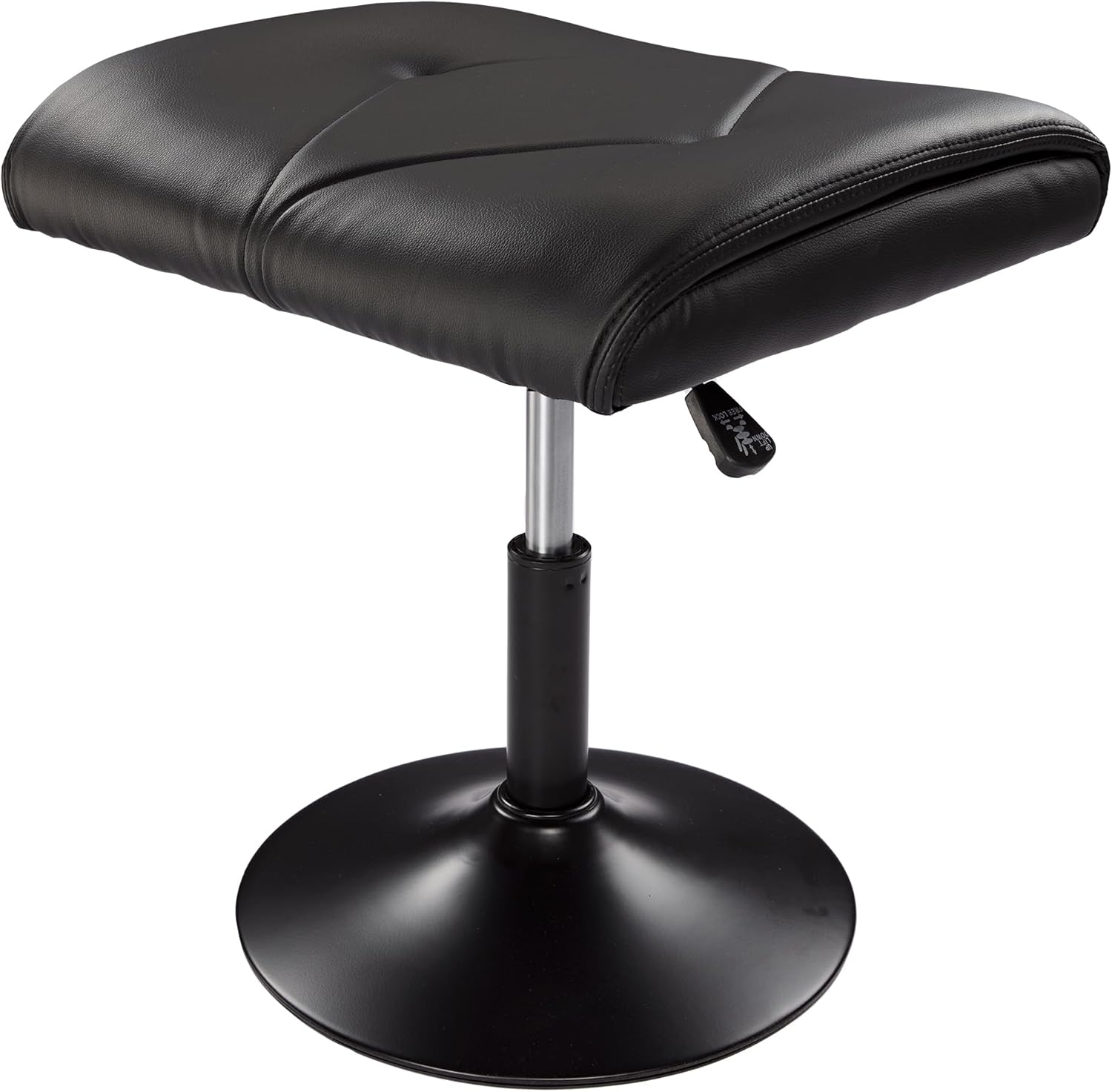
- Fixed wedge footrests. Pick the size that matches your measured stack. Good for simple needs.
- Height and angle adjustable footrests. Best for shared desks. Set height first. Then set angle for free ankle movement.
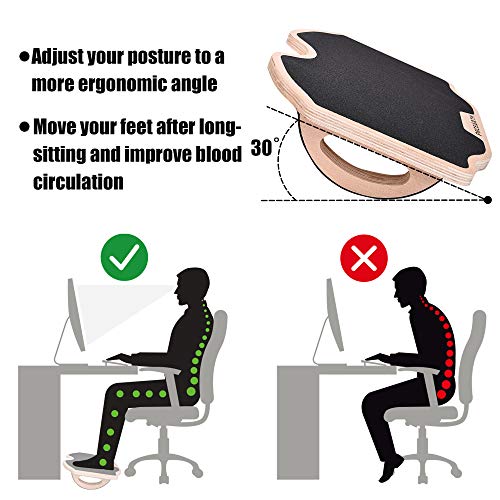
- Rocker footrests. Great for fidgeters. Set a lower base height, then use motion to shift load.
- Inflatable or foam blocks. Cheap and fine for travel. Check height weekly as they can sink.
- DIY boxes or books. Good to test how high should a footrest be under a desk. Upgrade once you know your number.
Source: lepaystchad.com
Special cases and pro tips
Real life is messy. Here is what has worked for many of my clients.
- Shorter users. Start at 4 to 6 inches. Keep thighs free. Consider a deeper angle to reduce calf strain.
- Taller users. You may not need height. Use a low rocker to move and ease your back.
- Pregnancy or belly pressure. Use a bit more height so hips stay open. Keep angle gentle to reduce calf cramps.
- Knee pain. Avoid deep knee flexion. Keep knees near 90 degrees. Lower the footrest if pain starts.
- Circulation or swelling. Use a slight angle and a rocker. Move your ankles often. This is still part of how high should a footrest be under a desk because height and motion work together.
- Heels at work. Measure with the shoes you wear most. Keep a flat pair at your desk for long tasks.
Source: vecelo.com
Sit-stand and active setups
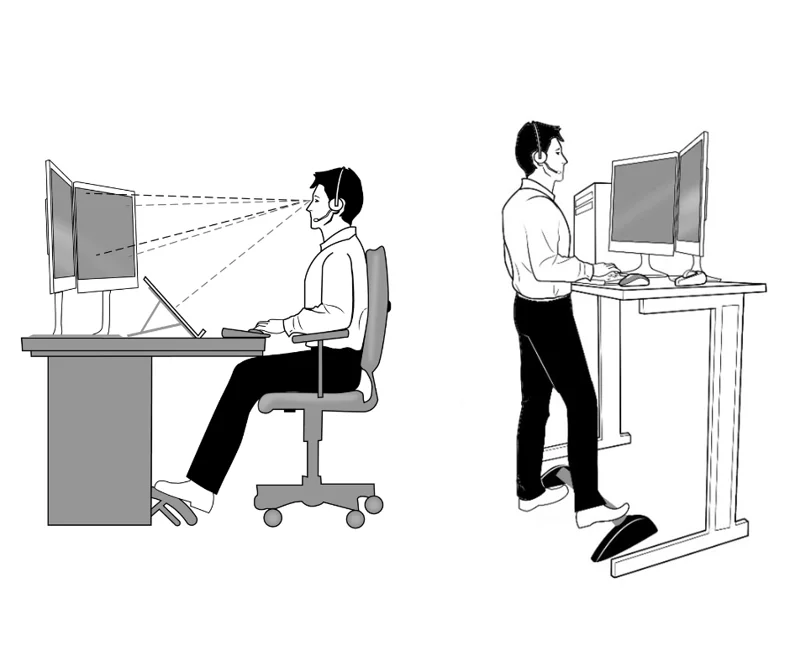
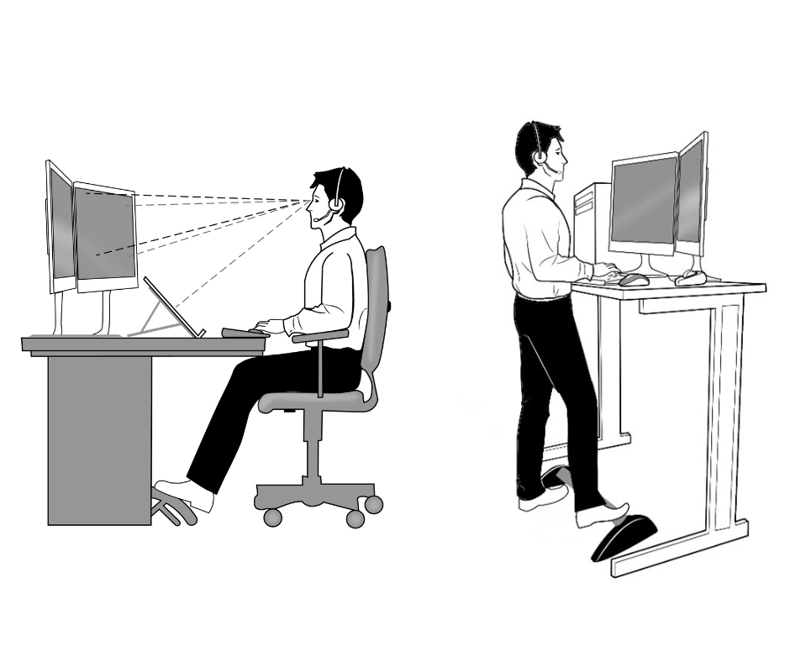
Yes, footrests help while standing too. A small bar or rocker lets you shift weight and rest one foot. This unloads your back.
At a sit-stand desk, mark two settings on your footrest. One for sitting height. One for standing use as a bar. When people ask how high should a footrest be under a desk if I stand, I say keep it low and use it to move, not to prop.

Source: amazon.com
Measure once, dial it in with a simple formula
You can get a precise number with a tape. It is easy.
- Sit with your chair set for the desk.
- Measure the gap from your heel to the floor while your thighs are light and knees near 90 degrees.
- That gap equals your footrest height. This is the most practical way to set how high should a footrest be under a desk.
Quick math option for the curious
- Ideal footrest height ≈ Seat pan height minus your lower leg length plus shoe sole thickness.
- If math feels too much, use the gap method. It is fast and very accurate.
Test and tweak for one week. Note how you feel at 10 am and 3 pm. If you still ask how high should a footrest be under a desk after that, lower or raise it by half an inch and test again.
Source: thehumansolution.com
Mistakes to avoid and simple maintenance
Avoid these traps. They cause most comfort issues I see.
- Setting chair low to reach the floor. Raise the chair for your arms first. Then bring the floor up with the footrest.
- Planting only toes on the rest. Keep heels down to reduce calf strain.
- Letting the thighs press hard on the seat front. Raise the footrest or scoot back into the chair.
- Locking ankles still. Use a light angle or a rocker. Movement feeds blood flow.
- Ignoring shoes. Measure and set height with the shoes you wear most.
- Never re-checking. Bodies change. Pads compress. Re-check height every month.
Wipe surfaces often. Tighten any loose parts. If foam sinks, replace. A stable platform helps you keep the exact answer to how high should a footrest be under a desk day after day.
Frequently Asked Questions of How high should a footrest be under a desk
Is there a universal number for footrest height?
No. Bodies, chairs, and desks vary. Use the gap under your heel when your arms and hips are set as your number.
What angle should my footrest be at?
Start at 10 to 20 degrees. Keep ankles free to move without strain or pinching.
Do I still need a footrest if my feet touch the floor?
Maybe. If your thighs feel heavy or your back gets tired, a small rocker helps. It adds movement and eases pressure.
How often should I adjust the height?
Check it when you change chairs, shoes, or desk height. Re-check monthly since pads can compress over time.
Can a footrest help with lower back pain?
Yes, for many people. It sets your hips in a better spot and reduces strain from dangling feet.
How high should a footrest be under a desk for short people?
Start at 4 to 6 inches and test from there. Use the stack method to find your exact height.
Will a footrest work with a standing desk?
Yes. Use a low bar or rocker to shift weight. It reduces back load while you stand.
Conclusion
Set your chair for your arms. Then bring the floor up to your feet. That simple order answers how high should a footrest be under a desk with precision and comfort. Use the stack-and-measure trick, note your number, and fine tune by half an inch.
Give it one week of small tweaks. Your back, hips, and legs will tell you when you hit the sweet spot. Want more tips like this? Subscribe, share your setup, or ask a question in the comments.