
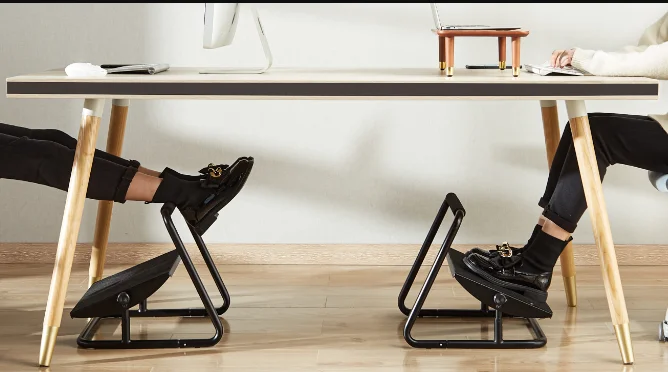
You spend hours at your desk. Your chair feels fine. Your screen looks sharp. Yet something still feels off. Your legs ache. Your lower back gets tight. Your feet search for a place to rest. A simple desk footrest can change that. It looks small. But it makes a big difference. It fills the gap between you and the floor. It helps your body sit right. It can help your mind focus. And it can help you feel better at the end of the day.
Think of a footrest like a tiny bridge. Your feet are the travelers. Your chair and desk are the land. When the gap is off, your body strains. Your feet dangle. Your knees lock. Your back tilts. Your blood flow slows. That leads to pain and fatigue. With a footrest, the bridge is smooth. Your feet rest. Your body unlocks. Your posture improves. Your work gets easier.
You do not need a fancy setup. You need good support. A footrest does that in a simple way. It finds your natural angle and holds it. It lets your legs move in small ways. It spreads pressure from your lower back. It helps your hips and knees sit at friendly angles. It keeps blood moving. Your body thanks you.
Let’s explore what a footrest is. Then we will see what it does. We will cover posture and comfort. We will see who needs one most. We will avoid common mistakes. We will end with simple answers to common questions. By the end, you will know if a footrest is right for you. You will also know how to use it well.
What is a footrest?
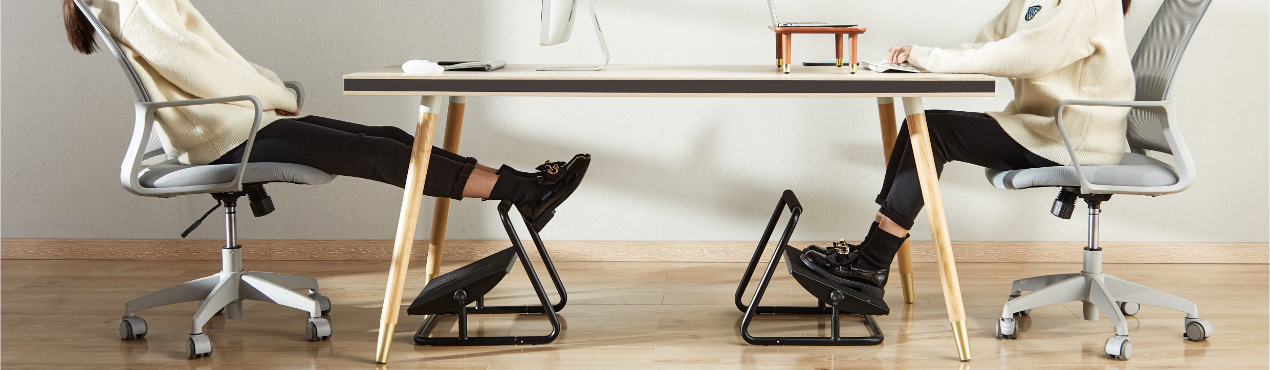
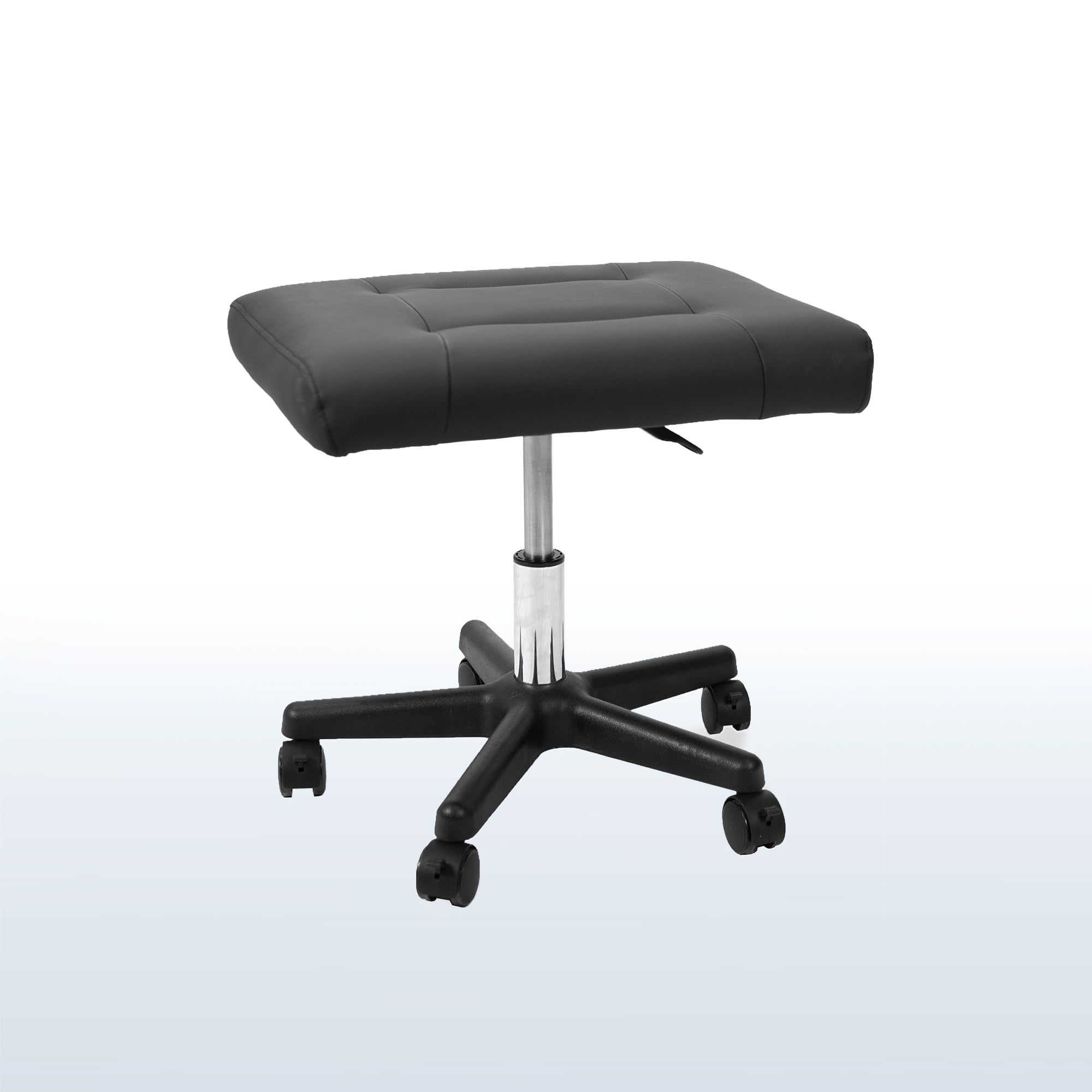
A footrest is a platform for your feet. It sits under your desk. It lifts and supports your feet while you sit. It helps you find a healthy leg and back position. It can be fixed, tilting, or rocking. It can be soft or firm. It can be simple or advanced. The right one depends on your needs and desk.

A desk footrest is not just a block. It is a tool for fit. It fills space between your feet and the floor. It keeps your legs and hips in a natural line. It lets your ankles flex with ease. It can help your body stay calm and alert. It is one of the most low-cost, high-gain items for an office.
Types of footrests
Footrests come in many forms. Each form solves a different need. It helps to know the main types. Once you do, you can match one to your workspace.
- Fixed platform footrest
– A simple raised board.- Often has a non-slip top.
- Best for steady support at one height.
- Adjustable height footrest
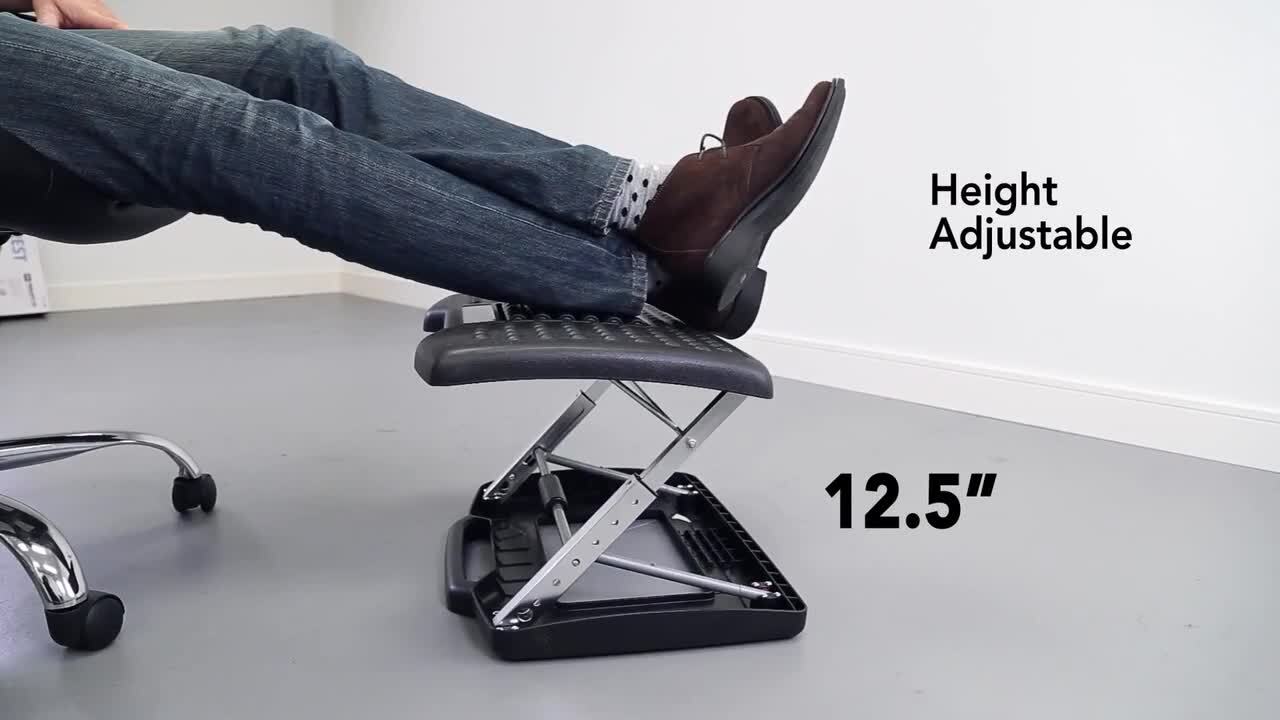
- Lets you change the height.
- Good for shared desks.
- Helps you fine-tune your angle.
- Tilt or rocking footrest
- Top board tilts or rocks.
- Keeps ankles moving.
- Helps reduce leg stiffness.
- Textured massage footrest
- Has bumps or ridges on top.
- Stimulates feet and soles.
- Can feel great for bare or socked feet.
- Memory foam footrest
- Soft cushion block.
- Good for pressure relief.
- Can be flipped to change height.
- Hammock or sling footrest
- Hangs under the desk top.
- Light and portable.
- Good for casual setups.
- Under-desk bar footrest
- A metal bar to place feet on.
- Often used with standing desks.
- Encourages posture shifts.
Each style has pros and cons. Rocking types promote movement. Foam types feel cozy. Adjustable types fit more bodies. The best one is the one you will actually use.
Key features to look for
A good footrest should fit your body and desk. It should not slip. It should allow small movements. It should be easy to clean. Think about the details before you buy.

- Height and range
- Aim for a setting that keeps hips and knees near level.
- Shorter users need more lift.
- Look for 3 to 6 inches adjustability.
- Tilt or motion
- A 0–20 degree tilt is common.
- Rocking helps blood flow.
- Static is fine if you move often.
- Size and footprint
- A wider platform fits folks who splay feet.
- Make sure it fits under your desk.
- Surface grip
- Non-slip top is a must.
- Rubber feet keep it in place.
- Material and feel
- Hard plastic is durable.
- Wood looks nice and feels warm.
- Foam is soft and quiet.
- Cleaning and care
- Smooth tops wipe clean.
- Fabric covers should be washable.
- Weight capacity
- Check the max load.
- Heavy users need solid builds.
What does a footrest do under a desk? (direct answer)
A footrest lifts and supports your feet. It fills the gap between your feet and the floor. It sets friendly angles at your ankles, knees, and hips. It takes strain off your lower back and thighs. It improves blood flow in your legs. It reduces pressure on your tailbone. It helps your body sit in a neutral posture. It encourages small leg and ankle moves during the day. In short, it boosts comfort and reduces pain while you work.
A footrest is like a base for your body. Good base, good posture. Your feet tell your spine what to do. If your feet hang or press too hard, your back reacts. That is why a footrest helps your back. It starts with your feet.
The quick list of what it does
A footrest brings many wins. Here is a short list. These are the main actions you will notice fast.

- Stops feet from dangling.
- Supports a neutral spine.
- Reduces lower back strain.
- Promotes ankle movement.
- Improves leg circulation.
- Eases pressure under thighs.
- Encourages healthier knee angles.
- Helps shorter users reach the floor.
- Reduces fidgeting that strains posture.
- Adds a stable, comfy base.
How a footrest improves sitting posture
Posture starts at the ground. In a chair, your feet are the ground. A footrest gives you a solid base. With support, your pelvis can stay neutral. Your spine can stack with ease. Your shoulders drop. Your neck relaxes. The change feels small but strong.

A footrest also controls angles. Your knees and hips find a friendly bend. Your ankles move often. Your weight spreads across more areas. This creates a chain of comfort. Your body holds a good shape without effort.
Pelvic tilt and a neutral spine
Your pelvis is your seat foundation. When your feet hang, your pelvis tips back. This flattens your lower spine. It adds stress to discs and ligaments. When your feet are supported, your pelvis can tilt forward a bit. This restores the natural curve in your lower back.
Neutral does not mean stiff. It means your spine sits in its normal curves. A footrest makes this easier. You need less muscle effort to hold yourself tall. Your core engages in a gentle way. You feel balanced, not tense.
Knee and hip angles that help
Your knees like a soft bend. Your hips do too. When your chair is high, your knees hang low. That pulls on your thighs. When your chair is low, your knees rise too high. That compresses your hips. A footrest fixes both by setting your feet at the right height.

Aim for a 90–120 degree bend at both hips and knees. This range suits most people. Your feet should rest flat on the footrest. Your ankles should move with ease. That setup reduces joint stress. It also helps you relax into the chair.
Pressure relief under the thighs
Pressure under the thighs can cut circulation. It can also cause numbness. This happens when your chair seat edge presses into your legs. A footrest lifts your feet. That reduces the edge pressure. Your weight spreads to your feet and the back of your hips.
When pressure spreads, nerves and blood vessels have space. Your legs feel lighter. Tingling fades. You can sit longer without discomfort. You also avoid that “pins and needles” rush when you stand.
Dynamic micro-movements
Stillness is the enemy of comfort. Your body loves small moves. A tilting or rocking footrest helps this. Your ankles pump as you rock. Your calves squeeze and release. This sends blood back up your legs.
These small moves also wake your core. Your belly and back muscles respond to the shifts. This prevents stiffness. It also helps you stay alert. You can fidget with purpose without losing posture.
Benefits of using a footrest at a desk
A footrest packs many benefits into a small space. It boosts comfort. It protects your back. It helps your legs and feet. It can even help your focus. Below are the main gains you can expect.
People often feel the change in a day or two. Tension drops. Swelling decreases. Your chair feels kinder. You leave work with more energy. Small tool, big effect.
Better blood flow and less swelling
When you sit, blood can pool in your legs. Pressure under your thighs can slow veins. Your ankles can puff up. A footrest eases those issues. It lifts your feet and lets your ankles move. Your calf muscles act like a pump.
Rocking the footrest helps even more. Each tilt signals your calf pump. That pushes blood upward. This reduces swelling. It also lowers the risk of vein issues. Your legs feel warm and alive.
Less lower back pain and fatigue
Lower back pain often starts with bad support. Dangling feet drag your pelvis back. Slouching creeps in. A footrest returns support to the chain. Your feet anchor. Your pelvis finds neutral. Your spine unloads.
Less strain means less pain. Muscles work within a gentle range. Discs bear a fair share of load. This adds up to less fatigue by late day. Many users notice this change fast.
Comfort for shorter users and high desks
Not all desks fit all bodies. If you are shorter, your feet may not reach the floor. If your desk is fixed and high, you may raise your chair. That leaves your feet hanging. A footrest solves both cases. It brings the floor up to you.
Your thighs stop pressing on the seat edge. Your hips and knees align. Your legs can rest. You stop tucking your feet under the chair. You stop perching on the seat. Everything feels safer and steadier.
Helps with focus and calm
Your brain is part of your body. When your body is tense, your brain knows. A footrest helps reduce that noise. Your legs stop searching for support. Your back stops bracing. Your body can relax into work.
Some footrests invite gentle fidgeting. This can help people who need movement. It gives their legs a job that does not break posture. The result is a calm, steady focus.
Good for standing desks too
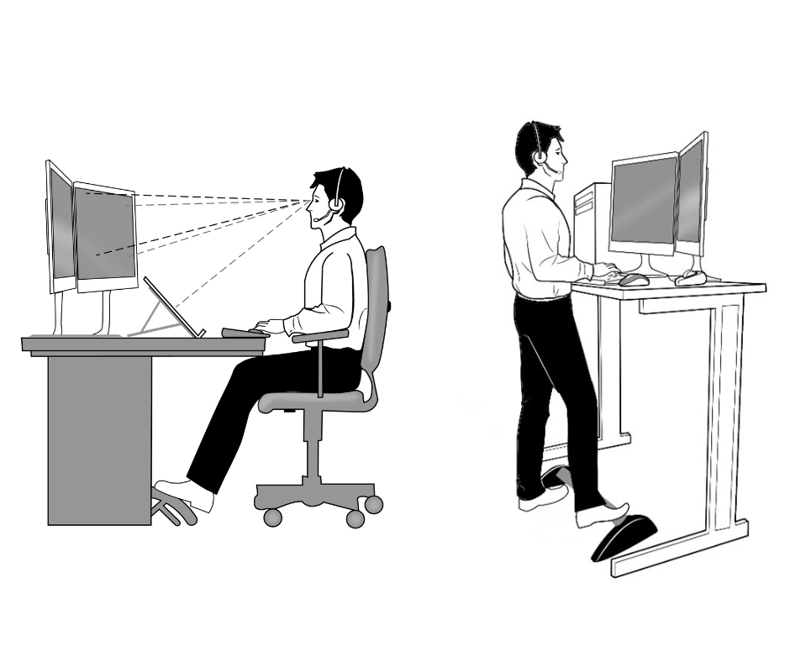
A standing desk is great. But standing still can also strain you. A footrest bar under a standing desk helps. It lets you prop one foot. This eases the load on your back. It changes hip angles and offloads pressure.
Switch feet often. This keeps joints happy. It also reduces lower back compression. Many bar stools have this bar for a reason. Your standing desk can too.
Eases joint stress and stiffness
Healthy joints like gentle motion. A footrest creates room for motion. Your ankles flex. Your knees shift. Your hips open. With support, these moves feel easy. The stiffness you feel mid-day can fade.
People with knee or hip aches may feel relief. It is not a cure. But it helps with alignment and pressure. Small changes add up with each hour.
Reduces risk of leg discomfort
Long sits raise the risk of leg pain. Your legs can feel heavy. You may get cramps. A footrest keeps blood moving and nerves free. Pressure is not trapped under your thighs. Your calves keep pumping.
This reduces the chance of numbness. It can also reduce the risk of vein bulges over time. Movement is key, and a footrest invites it.
Supports footwear choices
High heels change leg angles. Boots can limit ankle flex. A footrest gives both a stable base. You can find a gentle angle that compensates. Your feet feel more secure.
If you must wear heels, try a rocking footrest. It lets your ankle move within the shoe’s limit. This can cut calf strain. Your posture will also feel steadier.
Raises productivity and energy
Comfort impacts work. Less pain frees your mind. You spend less time shifting and rubbing sore spots. That time goes back to your tasks. Energy lasts longer. You finish strong.
Many teams add footrests for this reason. The cost is low. The returns are real. It helps bring the whole setup into balance.
Who should use a footrest?
Most people can benefit from a footrest. But some people benefit more. If your feet do not rest flat on the floor, you should get one. If you have back or leg pain from sitting, you should try one. If your desk is not adjustable, a footrest helps close the gap.
Below are groups that gain the most. If you see yourself here, a footrest may be a quick win. It is low risk, low cost, and easy to test.
Shorter users or people with small frames
If you are shorter, chairs and desks rarely match you. Your feet dangle. Your knees drop. Your hips tilt back. This is hard on your back and legs.
A footrest brings the floor to you. It supports your feet at a height that stops dangling. Your thighs relax. Your spine can stack in a neutral way. The change is clear in minutes.
Users with fixed-height desks
Fixed desks often run high. To type well, you raise the chair. Now your feet lose contact with the floor. Pressure builds under your thighs. A footrest solves this gap.
It lets you keep the chair high for your arms. But it also gives your legs a base. That protects your back and circulation. Your whole setup works better.
People with circulation concerns
If your legs swell, a footrest may help. It reduces thigh pressure. It encourages ankle pumps. It keeps blood moving. It can reduce end-of-day puffiness.
If you have vein issues, ask your doctor. A footrest is not a cure. But it can support your plan. Daily gentle movement adds up.
Pregnant workers
Pregnancy adds load to the hips and back. It can also increase leg swelling. A footrest helps ease both. It supports a kinder hip angle. It encourages small ankle moves.
This can reduce strain on your lower back. It can help with calf cramps and swelling. It also gives you a stable base when getting up or down.
People with lower back or hip pain
Back and hip pain can flare with bad posture. A footrest encourages a neutral spine. It helps align hips and knees. It reduces the need to perch or slump.
This does not replace care. But it reduces daily strain. Many people feel a clear drop in pain with this small change.
People who wear heels or stiff shoes
Heels and stiff shoes limit ankle motion. That can lead to tight calves and sore feet. A footrest gives a stable, forgiving surface. You can find an angle that suits your footwear.
Rocking footrests are great here. They let your ankles move within the shoe. This cuts stiffness and keeps blood flowing.
Remote workers and home offices
Home setups can be improvised. The desk may be a table. The chair may not adjust. A footrest helps you make it work. It brings support to a less-than-ideal space.
It is also easy to move. You can carry it to a couch or bar stool. It keeps your legs happier in many spots.
Gamers and long-session users
Gaming sessions can last hours. Small posture flaws grow into pain. A footrest supports your base. It helps your back stay neutral. It eases thigh pressure.
It also gives you a place to rest and shift. Rocking models add motion that reduces stiffness. Your body lasts longer, and so does your focus.
Teens, students, and kids
Younger users often have desks that do not fit. Feet dangle. Legs tuck under. A footrest helps them sit better. It can improve focus during study.
It also sets a good habit early. They learn how comfort helps learning. Their bodies thank them now and later.
How to set up and use a footrest the right way
A good footrest only helps if set well. The setup is simple. It does not take long. A few small steps make a big difference. Follow this quick guide.
- Step 1: Adjust your chair
- Set seat height so your elbows are at desk height.
- Your forearms should be level as you type.
- Step 2: Place the footrest
- Put it under the desk where your feet land.
- Keep it centered with your seat.
- Step 3: Set the height
- Raise it until your knees are near hip height.
- Your thighs should feel light on the seat.
- Step 4: Set the tilt
- Start with a slight tilt toward you.
- Adjust until your ankles feel free.
- Step 5: Test and tweak
- Sit back in the chair.
- Rest your feet flat on the footrest.
- Breathe and scan for pressure points.
- Make small changes until it feels natural.
Pro tips for all-day comfort
These small habits increase the gains. They keep you comfortable. They protect your body from static loads. Make them part of your day.
- Move often
- Rock your ankles every few minutes.
- Shift your foot position often.
- Alternate shoes
- If possible, use flexible shoes at your desk.
- Or try socks for short periods at home.
- Keep hips back
- Sit back and use the chair’s backrest.
- Let your pelvis rest in a neutral tilt.
- Take micro-breaks
- Stand up once an hour.
- Do three calf raises and sit again.
- Use a foot bar when standing
- At a standing desk, rest one foot on a bar.
- Switch sides often.
Common mistakes when using a footrest
A footrest is simple. But some people still set it wrong. This can undo the benefits. Avoid these common mistakes to get the most value.
If something feels off, adjust it. Small changes often fix the issue. Your body should feel supported and free, not trapped.
Setting it too high
Too much height can lift your knees too far. This jams your hips. It can also tilt your pelvis too far back. That strains your lower back.
Fix: lower the height. Aim for knees near hip level. Keep thighs light, but not floating. Comfort will return fast.
Keeping it too far away
If it is too far, you will point your toes. This tightens calves and shins. It also pulls your knees straight. That stiffens your legs.
Fix: bring it closer. Your feet should rest flat. Ankles should have room to move. Your toes should relax.
Using a slippery platform
If your feet slip, you will tense your legs. Your ankles will claw for grip. This adds strain to your shins and feet.
Fix: choose a textured top. Add a rubber mat if needed. Stability is key for calm posture.
Locking your ankles
Some users hold still after setup. Stillness invites stiffness. Ankles freeze. Blood flow slows. Fatigue builds.
Fix: allow frequent micro-moves. Rock the platform. Flex and extend your ankles often. Small moves, big gains.
Ignoring shoe choice
Very thick soles or rigid shoes can block ankle moves. This reduces the benefits of a footrest. Your calves work harder.
Fix: wear flexible shoes when you can. Or adjust the tilt to match your footwear. Consider socks at home for short spells.
Using a footrest instead of fixing desk height
A footrest is not magic. If your desk is far too high or low, fix that first. Ergonomics is a full picture.
Fix: set desk or chair height for your arms. Then fine-tune with a footrest. Balance both for best comfort.
Ignoring seat depth and edges
A long seat can dig into your thighs. A sharp edge can cut circulation. A footrest helps but may not be enough.
Fix: check seat depth. You want about two to three fingers between seat edge and knee. Consider a waterfall edge or cushion if needed.
Buying guide: choosing the right under-desk footrest
A little research pays off. The right footrest will feel natural. It will last. It will match your work style. Here’s a simple guide to help you choose.
Think about your body, your desk, and your habits. Consider who else will use it. Then pick the feature mix that suits your situation.
Match the footrest to your job tasks
Your work affects your needs. Typists and designers may sit long. Call workers may rock or move more. Plan for your typical day.
- Long typing sessions
- Choose a stable, adjustable footrest.
- Slight tilt and wide platform.
- Frequent calls or meetings
- Tilt or rocking helps move while listening.
- Textured top can boost alertness.
- Creative or gaming setups
- Rocking motion can reduce leg fatigue.
- Foam comfort tops feel nice for long sessions.
Consider body size and flexibility
Your height and weight matter. So does your ankle motion. A one-size device may not suit you. Adjustability helps most people.
- If you are shorter
- Look for higher max height.
- Foam blocks or stacked platforms can work.
- If you are taller
- Low-profile or angled boards may fit best.
- Wide surface helps with stance.
- If you have limited ankle motion
- Use gentle tilt.
- A memory foam top may reduce strain.
Materials, durability, and care
A footrest sits in a busy spot. It gets lots of foot traffic. Choose materials that can handle it. Make cleaning easy.
- Hard plastic
- Durable and budget-friendly.
- Often has grippy textures.
- Wood
- Strong and warm to the touch.
- Looks good in home offices.
- Metal frame with rubber top
- Very robust and stable.
- Great for heavy use.
- Foam
- Cozy and pressure-relieving.
- Look for washable covers.
Budget and value
You can find a good footrest at many price points. Budget models can be fine. Premium models add features and finish. Pick the right value for your needs.
- Entry level ($20–$40)
- Basic plastic or foam.
- Great for first-time users.
- Mid-range ($40–$90)
- Better adjustability and materials.
- Rocking or tilt features common.
- Premium ($90+)
- Quality wood or metal.
- Smooth mechanisms and long life.
Eco and health considerations
Your workspace is your daily environment. You may care about materials and off-gassing. Choose safe and clean options.
- Low-VOC materials
- Reduce smells and chemical exposure.
- Natural wood finishes
- Avoid harsh coatings when possible.
- Washable covers
- Keeps your setup fresh and hygienic.
Maintenance and hygiene tips
A footrest touches shoes and socks all day. It can collect dust and dirt. A clean footrest feels better. It also lasts longer. Care is simple.
- Wipe weekly
- Use a damp cloth on hard surfaces.
- Mild soap works for grime.
- Wash fabric covers
- Follow care labels.
- Air-dry to keep shape.
- Check screws and feet
- Tighten loose parts.
- Replace worn rubber pads.
- Watch for cracks
- Swap if the structure weakens.
- Safety first, always.
When to replace your footrest
Even good gear wears out. If it wobbles or slips, replace it. If it no longer holds position, it is time. Your body’s comfort is worth it.
Old foam can compress and lose support. Plastic can crack. Bearings in rockers can wear. Keep an eye on these signs. A fresh footrest can bring back lost comfort.
Alternatives and complements to a footrest
A footrest helps a lot. But it is one part of the setup. Other changes can help too. Combine tools for the best result.
- Chair with a foot ring
- Bar-height chairs often have foot rings.
- Great for high counters or lab desks.
- Desk height adjustments
- Lower the desk or raise it as needed.
- Keep elbows level with the work surface.
- Seat cushions or wedges
- Can fix seat angle or pressure.
- Works well with a footrest.
- Active sitting options
- Balance stools or kneeling chairs.
- Use with caution and mix with breaks.
- Standing desk use
- Alternate sitting and standing.
- Add a foot bar and anti-fatigue mat.
Simple movement habit stack
Ergonomics is not only gear. It is also habit. Add small moves to your day. They pair well with a footrest.
- Every 20–30 minutes, shift feet.
- Do 10 ankle pumps per side.
- Stand for 2 minutes each hour.
- Roll your shoulders while seated.
- Look away from the screen often.
FAQs
How high should a footrest be?
Aim for your knees to be near hip height. Your thighs should rest light on the seat. Start with 3–6 inches of lift. Adjust until your back and legs feel relaxed.
Can a footrest help lower back pain?
Yes, for many users. It supports your feet and aligns your pelvis. This helps your spine find a neutral curve. It reduces strain on lower back tissues.
Is a rocking footrest better than a fixed one?
It depends on your needs. Rocking supports movement and circulation. Fixed is stable and simple. Many people prefer a tilt or rock for comfort over long hours.
Do tall people need a footrest?
Sometimes. If your desk is too high, you may raise your chair. That can cause dangling feet even for tall users. A low-profile or angled footrest can help.
Can I use a footrest with a standing desk?
Yes. Use a foot bar or a raised platform. Rest one foot at a time. Switch sides often. It can reduce lower back load while standing.
What if my feet slip off the footrest?
Choose a model with a grippy top. Make sure the angle is not too steep. Wear shoes with better traction, or use socks only if the top is textured.
Will a footrest help with leg swelling?
It can help reduce swelling by improving blood flow. Ankle movement is key. Rocking models help with that. For medical concerns, talk to your doctor.
Can I make a DIY footrest?
Yes. A sturdy box with a non-slip mat can work. Ensure it holds your weight and does not slide. Check the height and stability often.
Should kids use a footrest for homework?
Yes, if their feet do not reach the floor. It helps posture and focus. It also builds healthy ergonomic habits early.
Is a foam footrest better than a hard one?
Foam is softer and reduces pressure. Hard tops are stable and easy to clean. Choose based on your comfort and cleaning needs.
Does a footrest replace an ergonomic chair?
No. It complements the chair. Set your chair and desk first. Then add a footrest to complete the setup.
How wide should a footrest be?
Wider is usually better for comfort. It lets you shift foot positions. Make sure it fits under your desk and between chair legs.
Can a footrest help if I cross my legs a lot?
Yes. A footrest gives your legs a comfortable base. This can reduce the urge to cross legs. It also makes it easier to keep a neutral spine.
What angle should I set on a tilting footrest?
Start small, around 10–15 degrees. Adjust until your ankles feel free and your feet do not slip. Comfort is your guide.
Does a footrest help with focus?
For many people, yes. Comfort reduces distraction from pain and fidgeting. Rocking can also satisfy the need to move without breaking posture.
Conclusion
A footrest under a desk seems simple. Yet it can shift your whole day. It supports a healthy base. It sets kind angles for your legs and hips. It helps your spine stay neutral. It keeps blood moving. It turns strain into steady comfort.
You do not need a perfect office. You need better support. A footrest offers that for a low cost. It works for short users and tall ones. It helps during long sits and at standing desks too. Pair it with smart habits. Move a little and move often.
Set it up with care. Avoid common mistakes. Choose features that match your body and job. Then listen to your body. Comfort will guide your tweaks. Your feet will feel grounded. Your back will feel lighter. Your focus will last longer. That is what a footrest does under a desk. It makes work feel more human, one step at a time.


