

Set your screen near eye level, keep neutral wrists, sit tall, and move often.
If you spend long hours on a laptop, small tweaks can unlock big comfort. In this guide, I’ll show ergonomic laptop desk setup properly using simple steps, clear visuals in your mind, and gear that works. I’ve set up hundreds of stations for teams and clients. You’ll get proven tips, quick fixes, and friendly advice you can use today.
Source: budokanweb.com
Why ergonomic laptop setups matter
A laptop is great for work on the go. But the screen and keyboard are too close. That pulls your head down and rounds your shoulders. Over time, that can cause neck pain, shoulder tightness, and wrist strain.
Research shows better posture cuts pain and boosts focus. When you do ergonomic laptop desk setup properly, you reduce load on joints and muscles. You also get more energy and better work quality. It is a small shift with big payoffs.
I learned this the hard way while shipping a product launch. My neck locked up after weeks of poor posture. A stand, an external keyboard, and two minutes of setup changed my day. The fix was fast and cheap.

Source: integr8mps.com
The core principles of a healthy workstation
You do not need fancy gear. You need alignment and movement. Follow these core rules to guide ergonomic laptop setup properly.
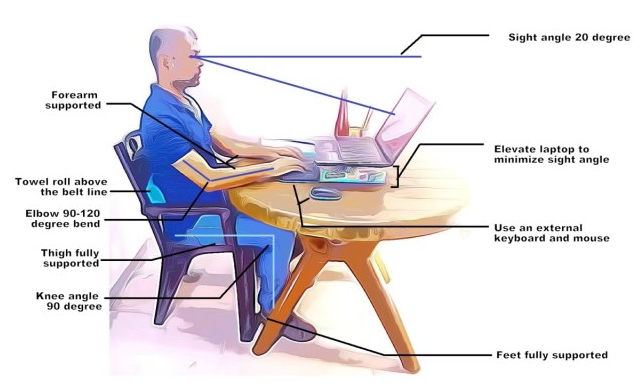
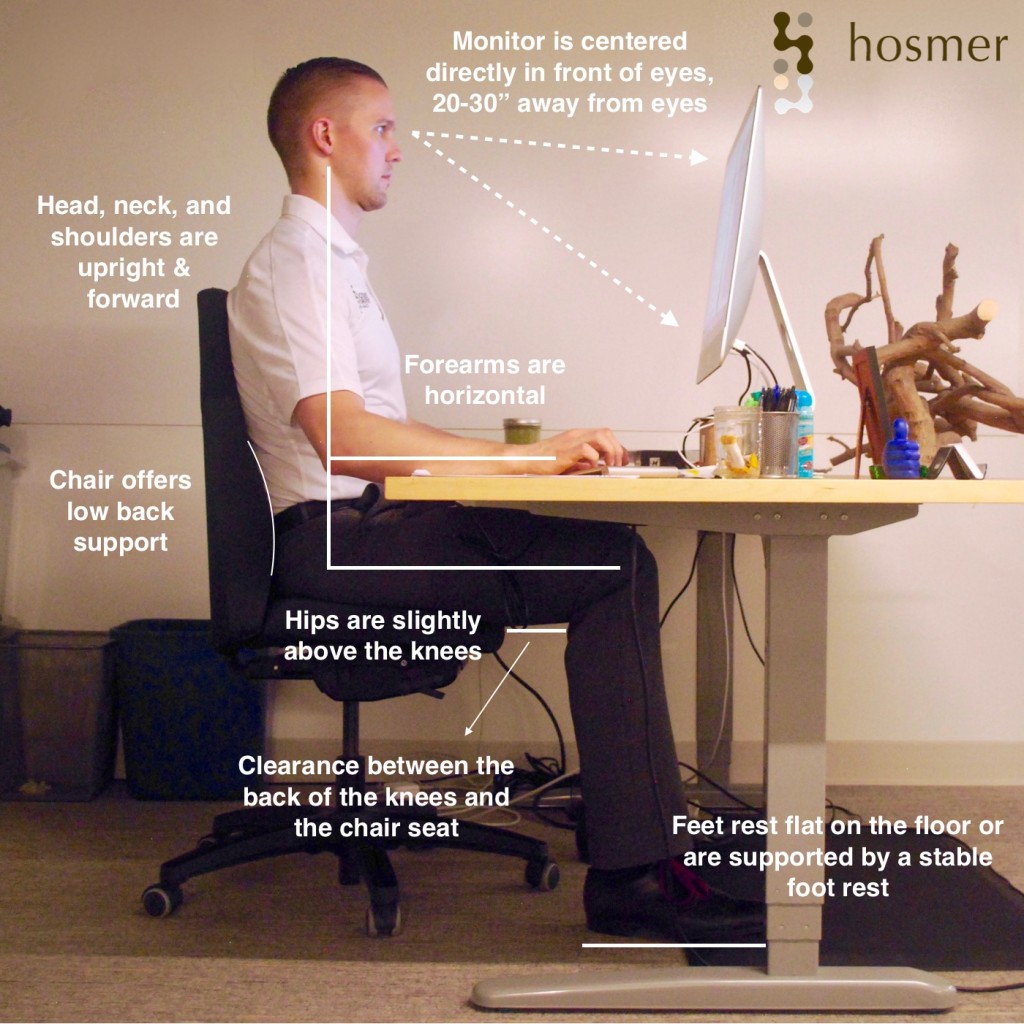
- Neutral head and neck Keep your head stacked over your shoulders.
- Screen at or near eye height Top of the screen near eye level works well for most.
- Elbows close to the body Aim for about 90 degrees with relaxed shoulders.
- Neutral wrists Keep wrists flat, not bent up or down.
- Feet flat and supported Knees near hip height, with hips back in the chair.
- Move often Sit, stand, and shift. Your best posture is your next posture.
Think of your body like a stack of blocks. When the stack is straight, it holds weight with ease. When one block tilts, the rest must work harder.

Source: desky.com
Step-by-step: ergonomic laptop desk setup
Use this quick process. It works at home, in the office, or at a café.
- Set chair height
- Raise the seat so your elbows sit near 90 degrees when you type.
- Keep feet flat on the floor. Use a small box or footrest if needed.
- Adjust back support
- Sit back so your lower back touches the chair.
- If your chair lacks support, add a small cushion.
- Lift the laptop screen
- Use a laptop stand or a few sturdy books.
- Put the top of the screen near eye level. Tilt it slightly back.
- Add an external keyboard and mouse
- Place the keyboard so your shoulders relax and your wrists stay flat.
- Keep the mouse close to the keyboard to avoid reaching.
- Set screen distance
- Place the screen at arm’s length.
- Increase text size if you lean forward to read.
- Tame cables and desk clutter
- Keep the area clean so you can move freely.
- Store water on the non-mouse side to reduce spills.
- Test and tweak
- Type for two minutes. Notice any strain.
- Make small changes until everything feels easy.
This is ergonomic laptop desk setup guide practice. It is quick, repeatable, and easy to teach to others.

Recommended gear and budget options
You do not need to spend much to do ergonomic two laptop desk setup properly. Start with the basics you will use every day.
Essentials
- Laptop stand Any stable model that lifts the screen to eye height.
- External keyboard A low-profile model helps keep wrists flat.
- External mouse Choose a shape that fits your hand size.
- Footrest A stack of books or a small box works if your feet dangle.
Nice-to-haves
- Adjustable chair Look for height, backrest, and seat pan controls.
- External monitor Bigger screens reduce eye strain and improve posture.
- Compact sit-stand desk Use for short standing blocks, not all day.
Budget tips I use with clients
- Books as a stand Free and solid if stacked well.
- Towel for lumbar support Roll it and place it behind your lower back.
- Sticky notes for reminders Use them to prompt posture resets and breaks.
Source: hosmerchiropractic.com
Common mistakes and easy fixes
Many people think they have ergonomic laptop desk setup properly, but small gaps remain. Here are the classic traps and simple fixes.
- Screen too low Raise it until you do not tilt your head down.
- Chair too low Raise it so elbows are near 90 degrees when typing.
- Reaching for the mouse Bring it close. Keep elbows by your sides.
- Hovering wrists Rest your palms lightly when not typing. Keep wrists neutral while typing.
- Perching on the chair Sit back and use the backrest. Let the chair support you.
- Never moving Set a timer for micro-breaks every 30 to 45 minutes.
Source: compassbank.us
Workstation tweaks for home, office, and travel
Your setup should fit your life. Here is how to apply ergonomic laptop desk setup across places.
Home office
- Make the setup stable and repeatable. Mark settings with tape if you share the desk.
- Store your keyboard and mouse in a drawer to keep the desk clear.
Corporate office
- Use the same stand and input devices at every desk you use.
- Save your display scale and brightness for quick reuse.
On the go
- Use a foldable laptop stand and a small keyboard.
- If space is tight, lift the laptop on a bag and type with an external keyboard on your lap.
Café or client site
- Choose a table with enough depth to keep the screen at arm’s length.
- Sit with your back to a wall to avoid twisting in busy spaces.

Source: goldtouch.com
Daily habits, breaks, and micro-movements
Even with ergonomic laptop desk setup properly, you still need movement. Your body is built to move, not freeze in one pose.
- The 20–8–2 pattern Every 30 minutes, sit for 20, stand for 8, move for 2.
- Micro-breaks Every 30 to 45 minutes, look far away for 20 seconds, shrug and roll shoulders, and wiggle fingers.
- Walk-and-talk calls Take phone calls on your feet if you can.
- Gentle resets Chin nods, shoulder rolls, and wrist circles help blood flow.
These tiny actions clear brain fog. They cut stiffness before it starts.
:max_bytes(150000):strip_icc()/How-to-Set-Up-an-Ergonomic-Desk-and-Sit-Properly-While-WFH-2-723027754d2c4eb2bc0b9e3a29c60050.jpg)
Source: com.pe
Troubleshooting pain with quick adjustments
Use these fast checks if something feels off. They help you reach ergonomic laptop desk setup properly without guesswork.
Neck pain
- Raise the screen and bring it closer. Relax the shoulders.
Shoulder tightness
- Lower the keyboard height. Keep elbows near your sides.
Wrist pain
- Use a flat keyboard angle. Keep wrists neutral and light on the keys.
Lower back ache
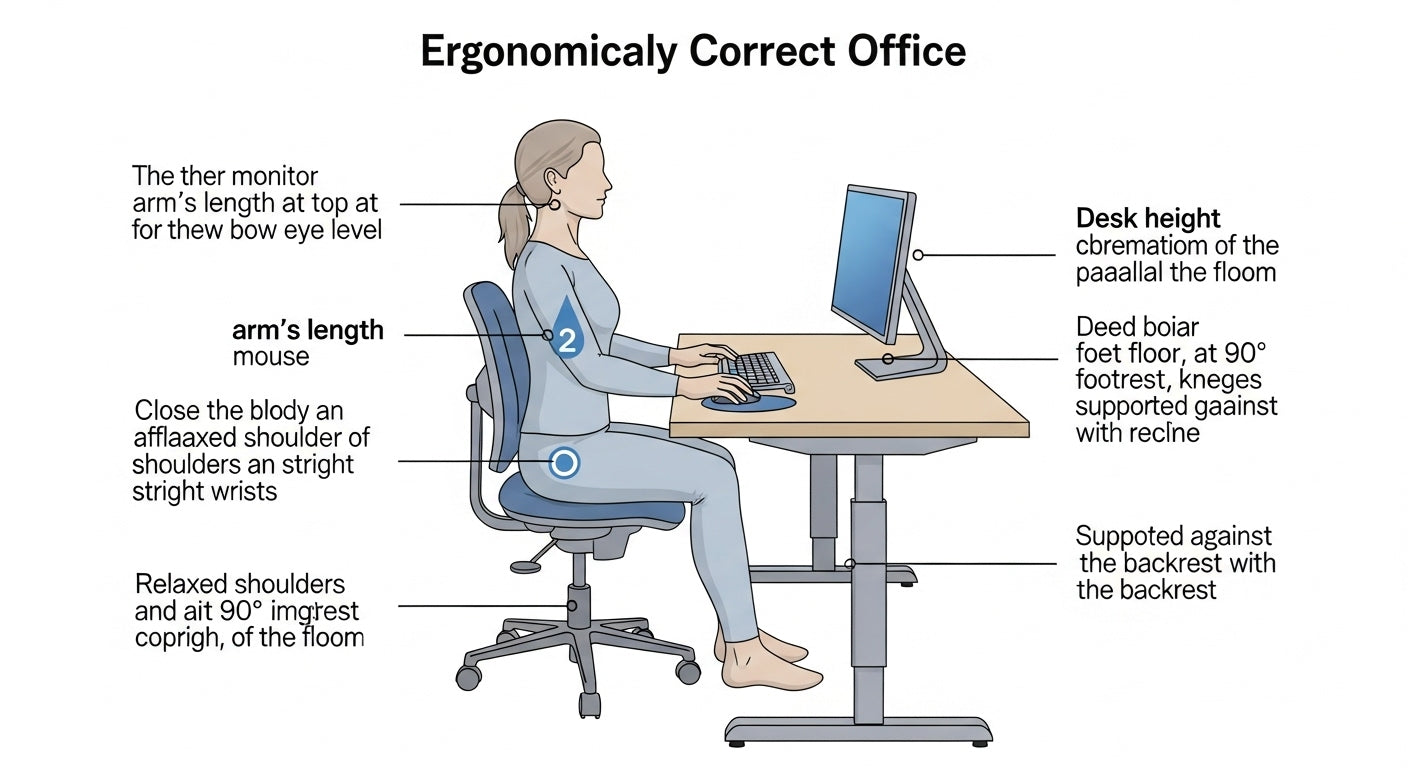
- Sit back into the chair. Add lumbar support and keep feet flat.
Eye strain
- Increase text size. Raise brightness to match the room and blink often.
If pain persists, talk to a clinician. Gear helps, but medical advice guides the rest.
Source: posturepro.co
Pro tips from real setups I’ve done
After years of helping teams, these are the small wins that stick. They turn an okay station into ergonomic laptop desk setup properly and stress-free.
- Anchor your posture Start from the chair, not the screen. Chair first, then desk, then tech.
- Reduce friction Keep your stand, keyboard, and mouse always ready to go.
- Use two presets One for deep work, one for meetings. Meetings might be more relaxed, but still aligned.
- Night mode and warm light Ease eye strain late in the day.
- Weekly reset Spend five minutes each Friday to tidy, wipe, and check heights.
These habits compound. They keep you comfortable when work speeds up.
Advanced tweaks for power users
If you want to push ergonomic laptop desk setup properly even further, try these ideas.
- Dual screens Use the main screen in front and the second to the side at the same height.
- Shortcuts and macros Reduce mouse time with hotkeys for heavy apps.
- Text expansion tools Cut typing load with snippets for common phrases.
- Voice input Use voice for notes or messages to rest your hands.
- Cable management Keep slack for easy adjustments without pulling devices.
Keep each change simple. Test one tweak at a time for a full day.
Frequently Asked Questions of ergonomic laptop desk setup properly
What is the fastest way to fix my laptop posture?
Raise the screen, add a keyboard and mouse, and relax your shoulders. This covers the biggest posture gaps in minutes.
Do I need an expensive chair for good ergonomics?
No. A basic chair with height control and some lumbar support can work. Add a cushion or towel if needed.
How high should my laptop screen be?
Place the top of the screen near eye level and at arm’s length. Tilt it slightly back to keep your head neutral.
Is standing all day better than sitting?
No. Alternate between sitting and standing and keep moving. Aim for short standing blocks, not marathons.
Can I do ergonomic laptop desk setup properly in a café?
Yes. Use a portable stand and compact keyboard. Choose a table with enough depth and keep your mouse close.
Conclusion
Small changes can transform how you feel at work. Lift the screen, keep wrists neutral, sit tall, and move often. That is the heart of ergonomic laptop desk setup properly and it works in any space.
Make one change today. Stack a few books, grab a spare keyboard, and test the setup for 30 minutes. If it helps, share this guide, subscribe for more tips, and leave a comment with your best desk tweak.


