
Yes. Ergonomic chairs can improve posture when adjusted and used with good habits.
If you sit for long hours, posture is a daily battle. I help teams set up workstations, and I’ve seen small tweaks turn pain into relief. In this guide, we’ll dig into do ergonomic chairs help posture with clear steps, research-backed tips, and real stories. If you’ve ever asked do ergonomic chairs help posture, you’re in the right place. Let’s make your chair work for you.

How ergonomic chairs influence posture
Posture is how your body stacks your head, spine, and hips while you sit. A good chair helps your spine stay close to its natural S-shape. The key is support where your body needs it most, not forcing a rigid, military sit.
Peer-reviewed studies show that lumbar support can reduce back muscle load and disc pressure. Recline, arm support, and seat depth also change how much your body has to work to sit. So, do ergonomic chairs help posture in the lab and at home? Yes, when they match your body and you move often.
From my field work, the biggest wins happen when people set the chair to fit their shape. When people ask do ergonomic chairs help posture, I show how a well-placed lumbar pad can calm a tight back within days. Small changes matter.
Key ergonomic chair features that help posture
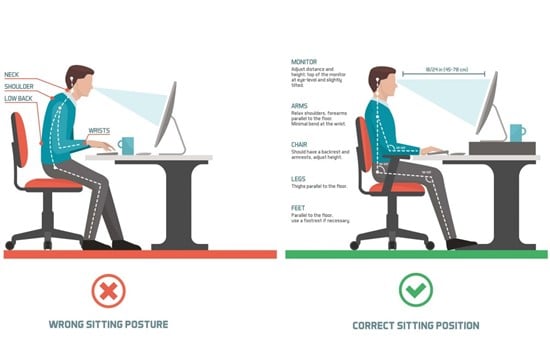
Which features explain why do ergonomic chairs help posture? Look for parts that adjust to you. A chair should meet you where you are, not force you into someone else’s shape.
Lumbar support
- Aim for a small, firm pad that meets the curve of your lower back.
- Height should sit around the belt line.
- Depth should feel present, not pushy.
Seat height and depth
- Height should let your feet rest flat.
- Knees should be at hip height or a touch lower.
- Seat depth should leave 2 to 3 fingers between the seat edge and your calves.
Backrest recline and tilt
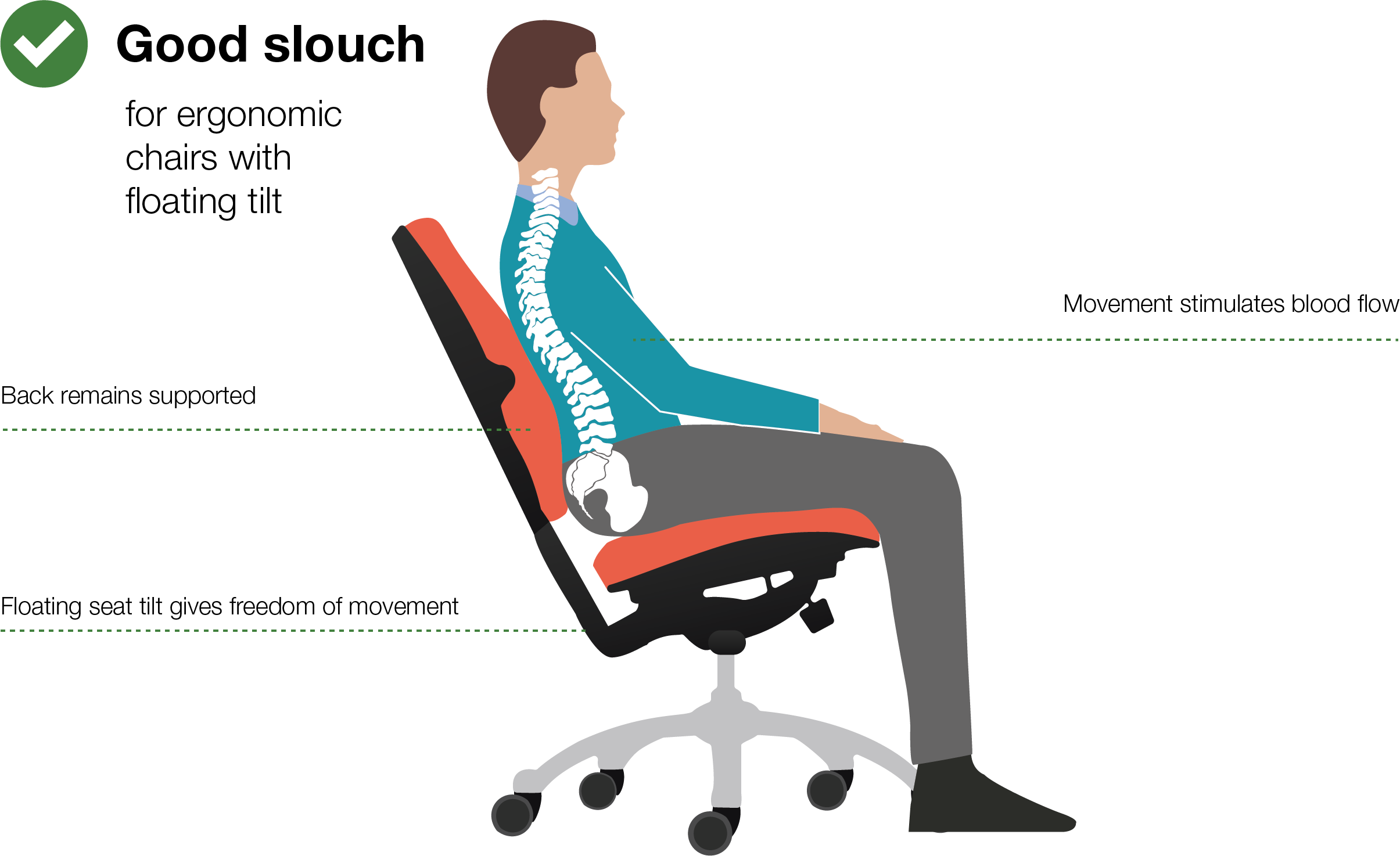
- A slight recline, around 100 to 110 degrees, can cut spinal load.
- Dynamic tilt lets you move through the day.
- Lock when needed; move when you can.
Armrests
- Height should support your forearms with relaxed shoulders.
- Width should let your arms rest close to your sides.
- If armrests push your shoulders up, lower them or slide them back.
Seat cushion and front edge
- Medium-firm foam spreads pressure well.
- A waterfall front edge eases pressure behind the knees.
Headrest (optional)
- Useful if you recline a lot or have neck strain.
- Align it to the base of your skull, not your neck.
If a feature does not adjust, test it longer. Your back will tell you fast if the fit is wrong.

Step-by-step setup: Make your chair fit your body
Follow this setup to make sure do ergonomic chairs help posture for you. It should take five minutes. It can save you months of strain.
- Set seat height. Feet flat. Knees at or just below hip level.
- Set seat depth. Keep a small gap behind your knees.
- Place lumbar support. Sit back. Slide the lumbar pad to your belt line.
- Set backrest recline. Open the angle a bit. Aim for easy breath and relaxed shoulders.
- Adjust armrests. Elbows at your sides. Forearms supported. Shoulders down.
- Align desk and screen. Top of screen near eye level. Keep keyboard close.
- Test and tweak. Sit, type, and turn. Listen to your body.
Bonus tip: Stand up for 1 to 2 minutes every 30 to 45 minutes. Your best posture is your next posture.

Do ergonomic chairs help posture better than alternatives?
People try stools, yoga balls, kneeling chairs, and standing desks. Each tool can help in short bursts. But support and adjustability matter over long days.
- Yoga balls spark micro-moves, but they can tire your back. They lack back and arm support.
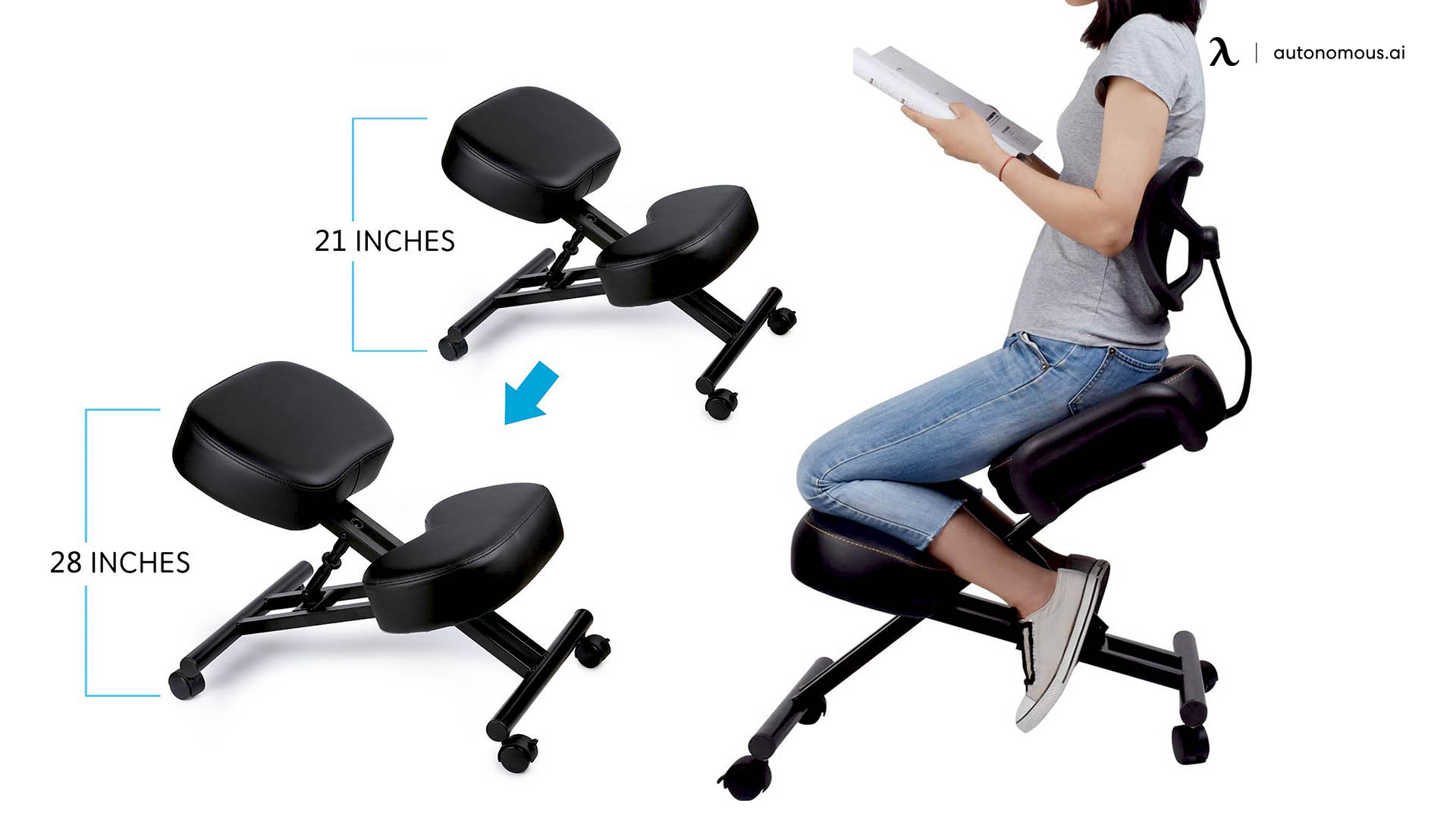
- Kneeling chairs tilt your pelvis forward. Some love them. Many feel knee pressure.
- Active stools keep you moving, which is good. Yet they can strain if used all day.
- Standing desks break sitting time. A mix of sit and stand is ideal.
So, do ergonomic chairs help posture more than these options? For long, focused tasks, yes. They spread load, align joints, and let you rest. Do ergonomic chairs help posture all by themselves? No. Pair them with movement and breaks for the best results.
Common mistakes, myths, and limits
Do ergonomic chairs help posture if you make these errors? Not as much. Avoid these traps.
- Mistake: Setting seat depth too long. This pushes you to slouch forward.
- Mistake: Armrests too high. This lifts your shoulders and strains your neck.
- Mistake: Sitting still for hours. Your tissues crave change.
- Myth: A pricey chair fixes pain for everyone. Fit beats price.
- Myth: Perfect posture is rigid. Your body needs small shifts all day.
- Myth: One chair fits all. Height, hip width, and back shape vary.
Limits to note:
- If you have a medical issue, see a clinician.
- If pain lasts more than a few weeks, get help.
- Even the best chair cannot replace movement.
In short, do ergonomic chairs help posture within real-life limits? Yes, but they work best with good habits and a sensible setup.

Real-world examples and tips from my field notes
I helped a software team with long sprint cycles. One engineer had mid-back pain by noon. We raised his chair, moved the lumbar pad up a notch, and brought his screen closer. His pain dropped by day three.
Another client asked me, do ergonomic chairs help posture for tall people? We swapped a short seat for a deeper one and added height-adjustable armrests. His hips opened up, and his shoulders relaxed.
Simple habits that stick:
- Use a phone timer for quick stand breaks.
- Drink water to nudge movement.
- Switch between recline and upright during the day.
- Save a 30-second stretch playlist.
Do ergonomic chairs help posture in busy workweeks? Yes, when you pair fit with small, steady habits.

Buying checklist and budget guidance
Before you buy, test the chair for at least 15 minutes. Your back will give honest feedback. Use this checklist.
- Seat height range that fits your leg length
- Adjustable lumbar height and depth
- Seat depth that leaves a small knee gap
- Backrest with smooth recline and locking options
- Armrests that adjust in height, width, and depth
- Breathable fabric or mesh, medium-firm cushion
- Return policy with no hassle
Budget notes:
- Entry level: Look for basics done well. Height, lumbar, and tilt matter most.
- Mid-range: Add refined lumbar and better armrests.
- Premium: Expect fine-tuned controls and durable parts.
Do ergonomic chairs help posture across price points? Yes, if the fit is right. Try before you buy when possible.
Frequently Asked Questions of do ergonomic chairs help posture
Do ergonomic chairs help posture without lumbar support?
Some do, but lumbar support makes it easier to keep a natural curve. If your chair lacks it, add a small cushion at the belt line.
How long before I notice posture changes?
Many feel relief within days. Deeper changes in muscle habits can take a few weeks.
Do ergonomic chairs help posture if I’m short or very tall?
Yes, if the chair adjusts to your body. Focus on seat height, seat depth, and armrest range.
Can a chair fix my back pain?
A chair can lower load and reduce strain. If pain persists, see a clinician for a full check.
Do ergonomic chairs help posture if I work at a kitchen table?
They help, but desk height matters too. Raise the chair and use a footrest, or adjust the table setup.
Should I get a headrest?
If you recline often or feel neck strain, it can help. Set it to support the base of your skull.
Conclusion
Ergonomic chairs can support your posture, cut strain, and help you work longer with less pain. The real gains come from a good fit, smart setup, and steady movement. Do ergonomic chairs help posture on their own? They help a lot, but your habits seal the deal.
Try the setup steps today and note how your body feels this week. If you found this useful, share it with a friend, subscribe for more tips, or leave a question so I can help you dial in your workstation.