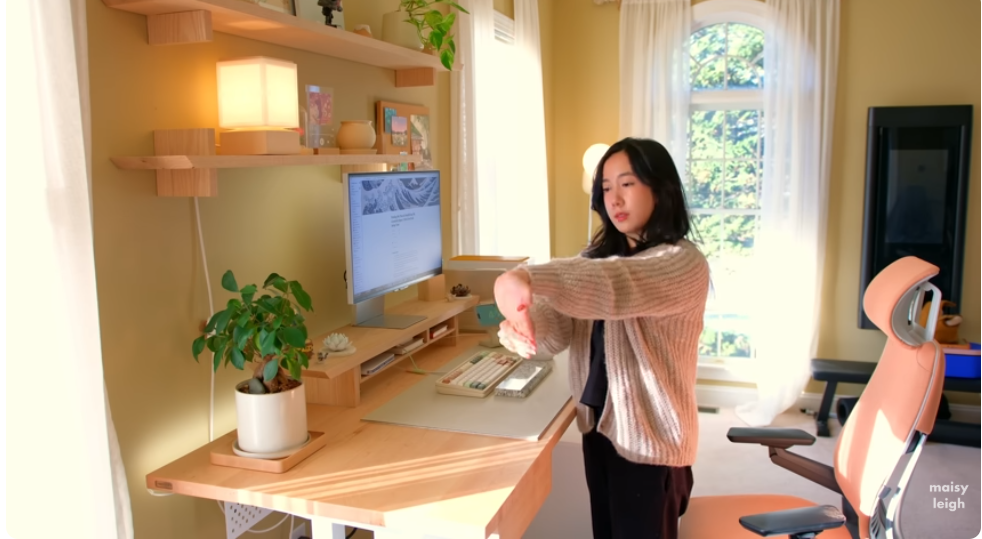
Most home office pain comes from poor chair fit, screen height, and no breaks.
If your neck aches or wrists tingle, you are not alone. I help teams audit workspaces and fix small issues that cause big pain. In this guide, I break down the common ergonomic mistakes in home office setup and show simple, low-cost fixes. You will learn clear steps that work in real life, backed by proven ergonomics and many home office makeovers I have done.
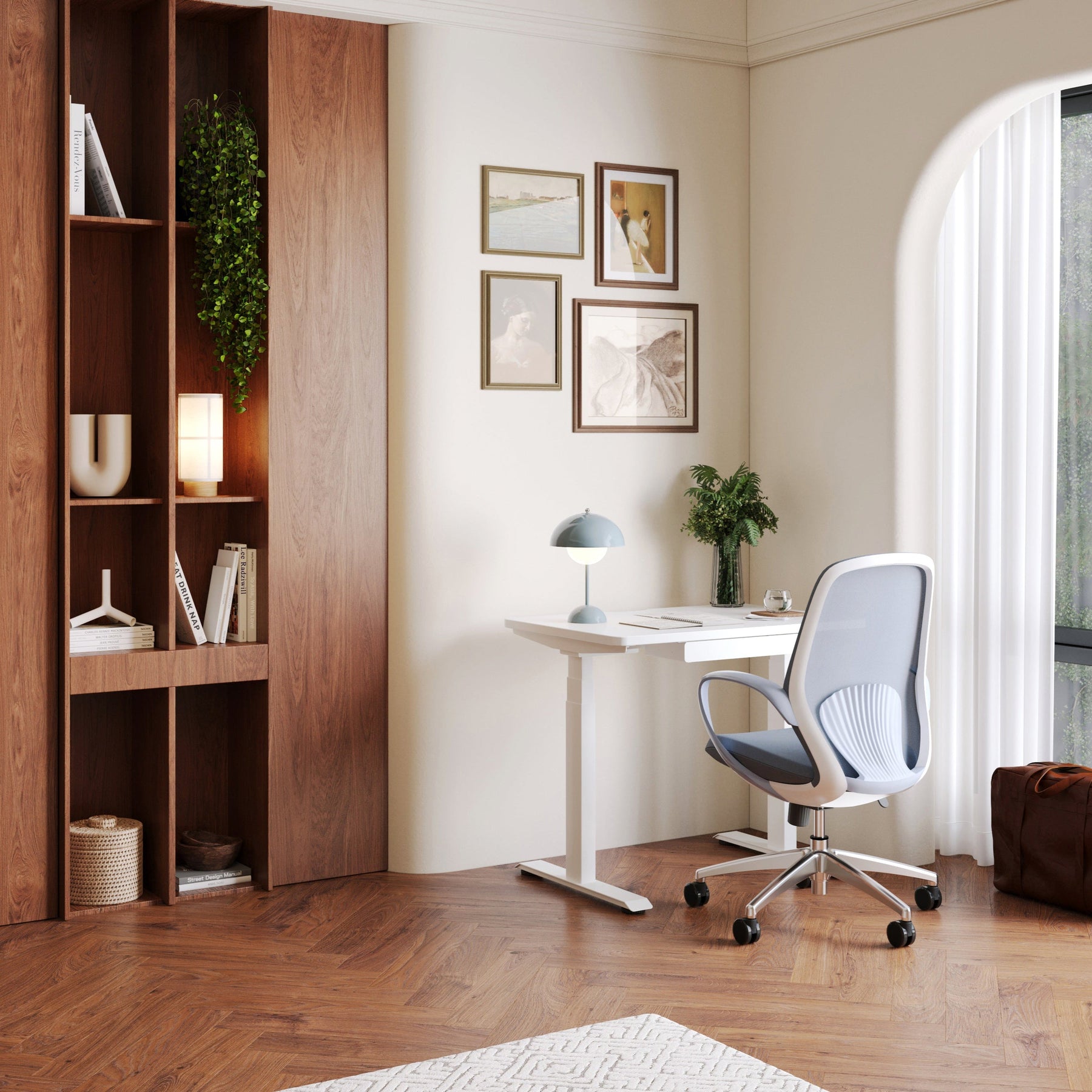
Why ergonomics matters at home
Good ergonomics lowers strain and boosts focus. It helps you last a full day without pain. Studies in occupational health show that small posture tweaks cut injury risk. The right setup can even improve energy and mood.

Check On Amazon
Common ergonomic mistakes in home office setup
Most problems come from fit, height, and habits. The room may look fine, yet your body tells another story. Here is what I see most when I audit spaces. Each issue builds stress over time.

Chair height and seat depth are off
If the seat is high, feet dangle. If low, knees push up. Both strain hips and back. This tops the list of common ergonomic mistakes in home office setup.
Monitor too high or too low
A high screen forces chin lift. A low screen pulls the neck down. Both load the spine. This is one of the common ergonomic mistakes in home office setup.
Using a deep recline or rigid upright all day
Locked upright tires the back. Too much recline makes you crane forward. Your spine wants neutral. This is among the common ergonomic mistakes in home office setup.
Laptop-only setup on a table
Typing high and looking low bends your neck and wrists. A laptop needs a riser and external input. This is a classic case in the common ergonomic mistakes in home office setup.
Keyboard and mouse too far or too wide
Reaching flares shoulders and neck. Wide elbows twist wrists. You want elbows near your sides. It is one of the common ergonomic mistakes in home office setup.
Wrist extension on hard edges
Desk edges press tendons. Cocked wrists compress nerves. A soft front edge or pad helps. This shows up in many common ergonomic mistakes in home office setup.
Poor lighting and glare
Bright backlight or glare makes you lean in. Squinting adds neck strain. You need even, indirect light. This relates to common ergonomic mistakes in home office setup.
No arm support
Floating arms pull on the neck. Your forearms need support during typing and mousing. Lack of support is tied to common ergonomic mistakes in home office setup.
Standing desk misuse
All-day standing is not the goal. Poor shoe choice and no mat add foot pain. You need a sit-stand rhythm. This is common in the common ergonomic mistakes in home office setup.
Ignoring your feet
No footrest when a chair is high leads to pressure. Dangling feet stress the back. Foot support matters. This often appears in common ergonomic mistakes in home office setup.
Skipping breaks and micro-moves
Long static sits stiffen tissue. Joints need motion. Short, regular breaks protect you. This habit error is part of common ergonomic mistakes in home office setup.
How to fix each mistake fast
You can fix most issues in one hour. Use what you have. Improve one area at a time, and your body will feel the change. These steps target the common ergonomic mistakes in home office setup.

- Set chair height so feet rest flat. Use books or a footrest if feet dangle.
- Slide your hips back. Use a small pillow at the lower back for support.
- Adjust seat depth so three fingers fit between seat edge and calf.
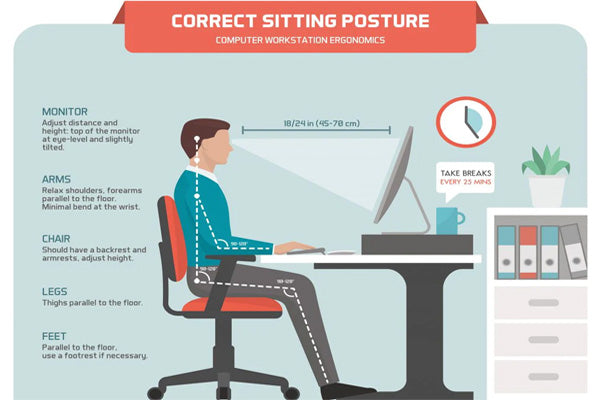
- Place screen so the top is at or slightly below eye level.
- Keep the screen about an arm’s length away. Increase text size if needed.
- Use a laptop riser plus an external keyboard and mouse.
- Keep keyboard close. Elbows at your sides. Wrists neutral, not cocked.
- Move the mouse close and at the same height as the keyboard.
- Support forearms with armrests set just under elbow height.
- Use task lighting from the side. Reduce glare with a matte screen or shade.
- Follow the 20-20-20 rule. Every 20 minutes, look 20 feet away for 20 seconds.
- Stand for 10 to 20 minutes each hour. Use a cushioned mat and supportive shoes.
A simple ergonomic checklist for your day
Make these checks a habit. It takes two minutes and saves hours of pain later. This quick scan helps prevent the common ergonomic mistakes in home office setup.
- Posture check: Hips back, chest open, shoulders down, chin level.
- Chair fit: Feet flat, back supported chair, seat depth correct.
- Screen check: Top at eye level, one arm’s reach, no glare.
- Input check: Keyboard close, mouse close, wrists neutral.
- Breaks: Set a 30-minute move reminder. Stand or walk for three minutes.
- Vision: Use larger text. Clean the screen. Wear task glasses if needed.
- Energy: Sip water. Stretch calves, hips, and chest.
Real-world examples and lessons learned
I once coached a video editor with daily neck pain. We lowered his monitor by one inch, added a footrest, and set break timers. The pain dropped within a week. Small changes work fast. I have seen this across many home offices and many common ergonomic mistakes in home office setup.
- Developer case: Wrist pain from a sharp desk edge. Added a soft edge and neutral wrist angle. Pain eased in days.
- Analyst case: Shoulder ache from a wide mouse reach. Moved mouse in and raised armrests. Relief was instant.
- Designer case: Glare from a window. Shifted the desk 90 degrees and used a task lamp. Eyestrain fell.
- Freelancer case: All-day standing. Switched to a sit-stand mix. Feet and lower back improved.
- Manager case: Laptop on kitchen table. Riser and external keyboard fixed neck bend. Focus and comfort rose.
Budget gear that makes a big difference
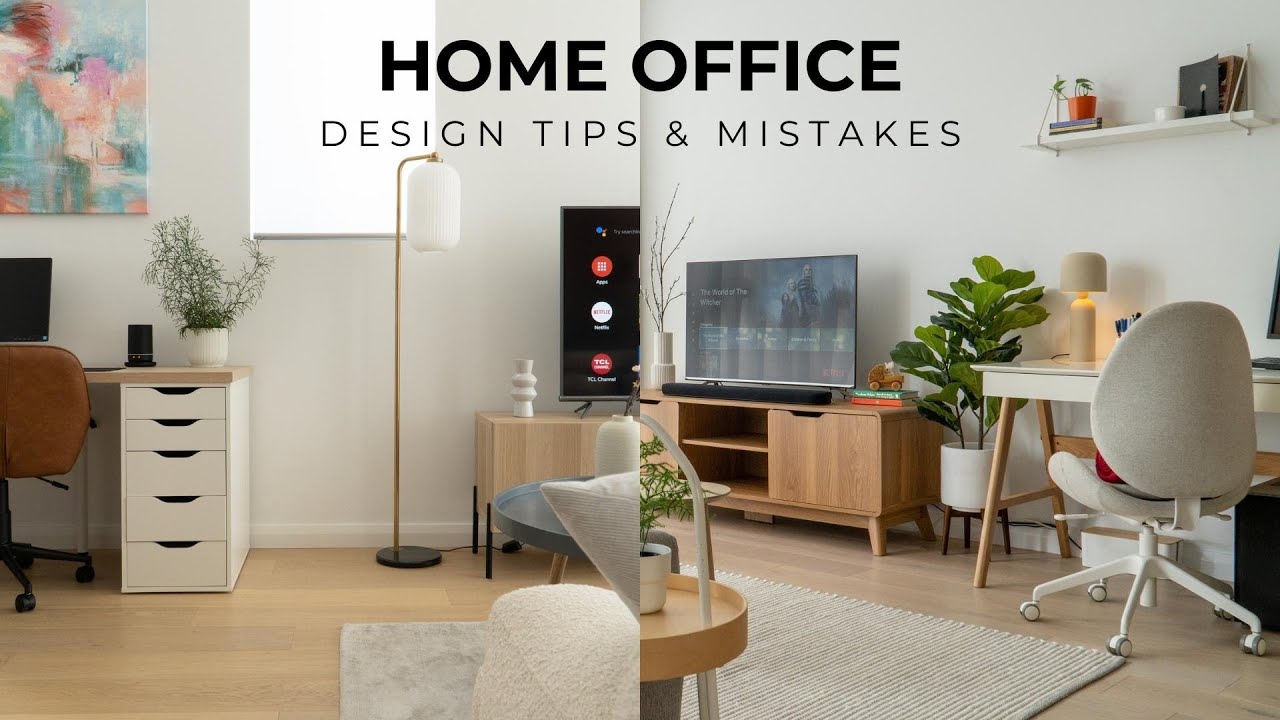
You do not need a new desk. Start small and aim for fit and support. These parts deliver a big return.
- Laptop stand: Lifts screen to eye level.
- External keyboard and mouse: Keeps wrists neutral and elbows close.
- Lumbar pillow or towel roll: Supports the lower back curve.
- Footrest or firm box: Gives feet a stable base.
- Desk edge pad: Saves wrists from hard edges.
- Task lamp with warm, even light: Cuts glare and squinting.
- Anti-fatigue mat: Eases standing time.
- Monitor arm: Fine-tunes height and depth without a full desk swap.
- Cable ties: Clears clutter so gear sits in the right place.
Advanced tweaks for small spaces
Tight rooms still can fit you well. Think vertical, folding, and mobile. Aim for easy reset so work does not take over your home.
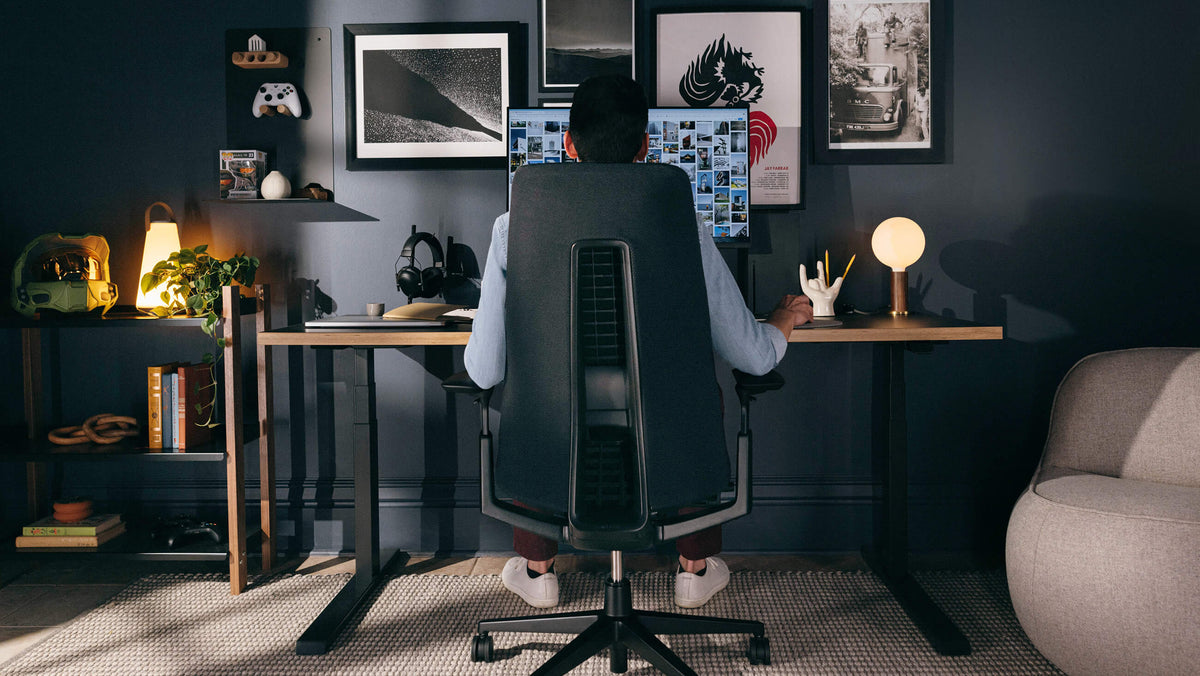
- Use a wall-mounted shelf as a monitor perch to free desk space.
- Pick a folding keyboard tray to set elbow height on any table.
- Try a slim, height-adjustable stool with a small footprint.
- Choose a clamp-on task light to save surface space.
- Store a compact footrest under the chair when not in use.
- Mount a power strip under the desk to reduce cable drag.
- Keep a “setup kit” bin with your riser, keyboard, and mouse for fast setup.
Frequently Asked Questions of Common ergonomic mistakes in home office setup
What is the fastest fix for neck pain at my desk?
Lower or raise the screen so the top meets your eye line. Pull the screen to one arm’s length and increase text size.
How high should my chair be?
Set height so feet are flat and thighs are level. If the desk is high, raise the chair and add a footrest.
Is a standing desk better than sitting?
Neither is best all the time. Use a mix of sitting and standing, and move every 30 to 60 minutes.
Do I need an expensive chair to be ergonomic?
No. You need basic adjustability, support, and the right fit. A lumbar pillow and footrest can make a budget chair work.
How do I prevent wrist pain while typing?
Keep wrists straight and float the hands over the keys. Avoid hard desk edges and place the keyboard close to your body.
Can lighting really affect posture?
Yes. Glare and dim light make you lean in and crane your neck. Use side lighting and reduce screen glare.
What is the 20-20-20 rule?
Every 20 minutes, look 20 feet away for 20 seconds. It helps relax your eye muscles and reduces strain.
Conclusion
Ergonomics is about fit, not fancy gear. Tweak chair height, screen level, and input reach. Add short breaks and steady light. These simple moves prevent pain and raise your focus. Start with one fix today and build from there. Your body will thank you tomorrow. Want more tips and quick setup guides? Subscribe, share your questions, or drop a comment with your biggest challenge.