
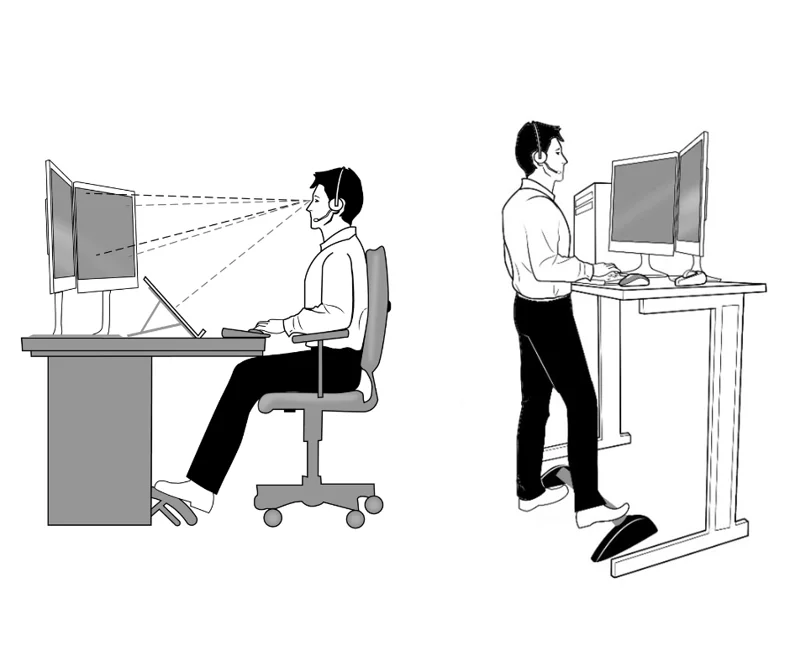
An ergonomic footrest supports feet and posture, easing pressure, pain, and fatigue.
If you’ve ever asked what is an ergonomic footrest used for, you’re in the right place. I’ve set up hundreds of desks and helped many people fix nagging aches. In this guide, I’ll explain what is an ergonomic footrest used for, how it works, and how to use one well. You’ll get clear steps, real examples, and tips that save money and pain.
Source: youtube.com
What an ergonomic footrest actually does
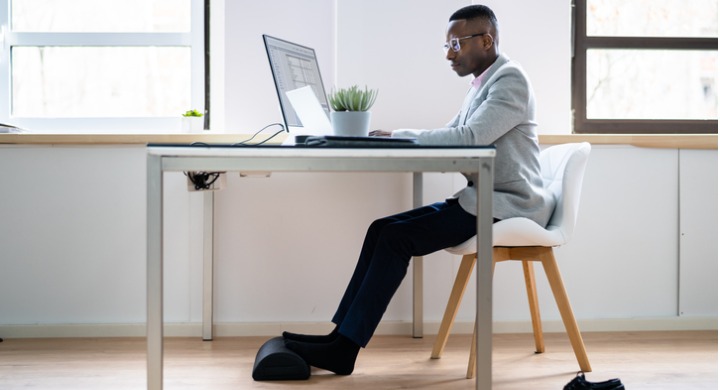
Think of a footrest as the missing link between your chair and the floor. It fills the gap so your feet rest flat and stable. This takes pressure off your thighs and lower back. It also helps your body keep a neutral, relaxed posture.
So, what is an ergonomic footrest used for in day-to-day work? It keeps your knees and hips at better angles. It supports micro-movements during long sits. It improves comfort when the desk is a bit too high or your chair can’t go lower.
When people ask what is an ergonomic footrest used for, I say this: stable support, better angles, less strain. It is simple gear with a big effect. That is why many ergonomic teams include it in standard setups.
Source: com.au
Health benefits backed by research
Your legs need blood flow. When your feet dangle or your thighs press into the seat edge, blood flow drops. A footrest eases that pressure and keeps circulation steady. That can reduce tingling and swelling over time.
Evidence links supported feet with less lower back load. When your feet are steady, your pelvis stays more neutral. That means fewer awkward bends and twists in your spine. Many users report less pain after two to four weeks of steady use.
What is an ergonomic footrest used for in terms of health? It is used to reduce contact stress, improve posture, and promote small movement. Rocking footrests increase ankle motion. That small motion acts like a pump for your calves and feet.

Source: amazon.com
Who benefits most
Not every desk or chair fits every body. A footrest fills the gap fast. Shorter users often need one to reach ideal angles. Tall users may also benefit when a surface is too high.
Here is where I suggest one most:
- People whose feet do not reach the floor with the chair at the right height
- Anyone with knee, hip, or lower back discomfort at the desk
- Pregnant users who need better circulation and support
- People with edema or mild varicose issues, with doctor approval
- Remote teams using kitchen tables or fixed-height desks
If you wonder what is an ergonomic footrest used for in shared offices, the answer is flexibility. One tool that adapts to many bodies and setups.
src=”https://cdn.shopify.com/s/files/1/0267/6906/4024/files/Benefits_Of_Use_2_a88f6af1-154f-4576-a230-2473630d0270.jpg?v=1722327919″
alt=”Types and key features”
style=”max-width: 100%; height: auto; border: 2px solid black; border-radius: 10px; display: block; margin: 0 auto;”
loading=”lazy”
/>
Source: duronic.com
Types and key features
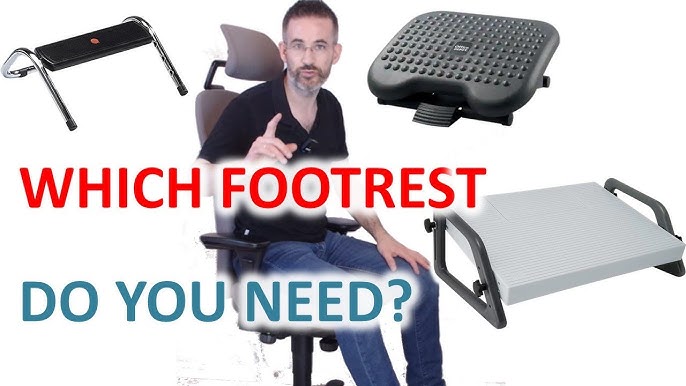
There are many types. Your choice matters. Pick a model that fits your body and your desk.
Main types:
- Fixed platform footrests Good for simple height needs and stable support.
- Tilting footrests Great for angle changes and ankle motion during the day.
- Rocking/motion footrests Best for active feet and reducing stiffness.
- Foam or cushion footrests Comfortable for bare or socked feet; less precise height.
Key features to look for:
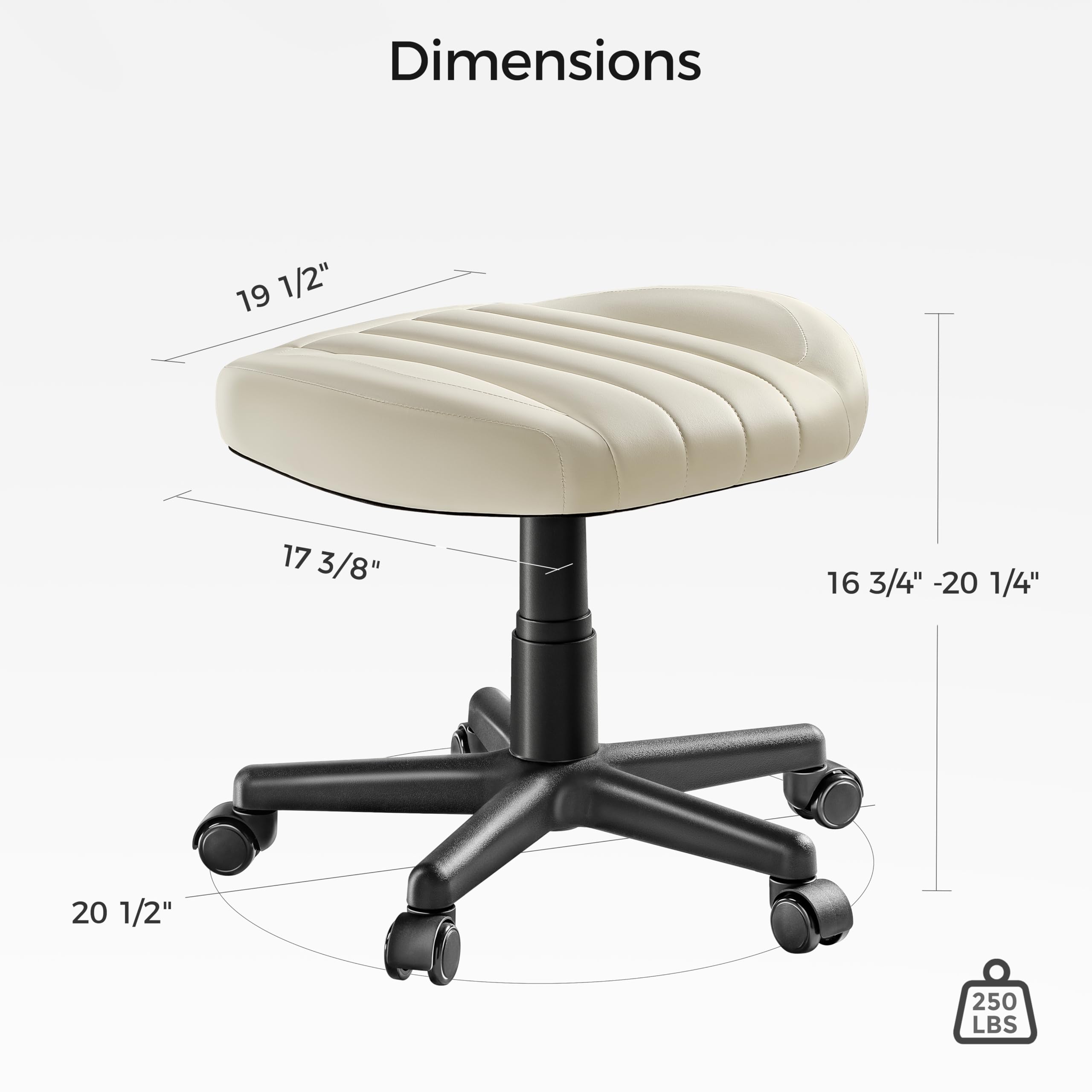
- Height range Aim for feet flat and knees near 90 degrees.
- Tilt or rocking motion For gentle movement and comfort shifts.
- Non-slip surface Keeps feet planted; avoids strain.
- Wide base and weight rating Prevents tipping and wobble.
- Easy adjust knobs or levers Quick changes reduce hassle.
What is an ergonomic footrest used for in small spaces? Slim models slide under low desks. Foam blocks work well with compact setups. Choose the one you will actually use every day.
Source: amazon.com
How to set it up step-by-step
Small setup tweaks pay off fast. Follow these steps.
- Set chair height so your elbows are at desk height. Keep shoulders relaxed.
- Place the footrest so both feet sit flat. Knees near 90 degrees. Hips level or slightly open.
- Adjust tilt so ankles rest in a neutral zone. A slight forward tilt often feels best.
- Keep the footrest close. Your shins should not reach or strain.
- Test for 10 minutes. Fine-tune height and tilt until it feels natural.
What is an ergonomic footrest used for during long tasks? It helps you shift posture without slumping. Try small ankle rocks every few minutes. It keeps your legs fresh.

Source: duronic.com
Real-world lessons and mistakes to avoid
From my own setups, the biggest mistake is “set and forget.” Bodies change through the day. You need micro-adjustments as you type, read, and call. Make small tweaks to height and angle.
Another mistake is placing the footrest too far forward. That leads to toe-pointing and calf strain. Keep it close so your heels rest too. If your feet slide, add a textured surface or wear shoes with grip.
What is an ergonomic footrest used for in hybrid work? It brings a repeatable setup. I keep one under my home desk and another in my backpack. It gives me the same feel at client offices.

Source: amazon.com
Buying guide and budget
You do not need to spend a lot. But quality matters. Look for strong build, easy adjust, and a non-slip deck. A simple, sturdy model often beats a complex one.
Price ranges:
- Entry level Affordable, light, often fixed height. Good for trials.
- Mid range Better materials and tilt. Best value for most.
- Premium Heavier, wider, smoother motion. Great for all-day use.
What is an ergonomic footrest used for when budgets are tight? Avoidation of pricey chair swaps. A footrest can fix a bad desk height for a fraction of the cost.

Source: amazon.com
Common problems and quick fixes
Feet keep sliding off:
- Choose a grippy surface. Clean dust and oil often.
- Adjust tilt to a gentler angle.
Ankles feel sore:
- Reduce tilt. Lower height. Take micro-breaks each hour.
Knees lock or ache:
- Bring the footrest closer. Keep knees soft, not locked.
- Add small ankle rocks to keep blood moving.
If you still ask what is an ergonomic footrest used for when pain lingers, remember this. It is a helper, not a cure. Pair it with breaks, stretches, and good chair setup.
Complements and smart habits
A footrest works best with other healthy moves. Add short stand breaks. Use a reminder to move each hour. Keep water nearby to nudge you to get up.
Good companions:
- Adjustable chair with lumbar support
- Keyboard and mouse at elbow height
- Monitor at eye level
- A standing mat if you alternate standing
What is an ergonomic footrest used for with a sit-stand desk? It helps during sitting phases. Some users also rest one foot on a low rail while standing to ease lumbar load.
Frequently Asked Questions of What is an ergonomic footrest used for
What is an ergonomic footrest used for in a home office?
It supports your feet so your knees and hips stay in good angles. That reduces strain and helps with comfort during long sessions.
Do I need a footrest if my chair is adjustable?
Maybe. If your feet do not rest flat when your elbows match desk height, a footrest still helps. It also allows small movements your chair cannot.
Can a footrest help with circulation?
Yes. By easing pressure under your thighs, it helps blood flow. Small ankle movements on a tilting footrest boost that effect.
How high should my footrest be?
Set it so both feet rest flat and relaxed. Aim for knees near 90 degrees and hips level or slightly open.
Is a rocking footrest better than a fixed one?
It depends. Rocking models encourage movement and can feel great. Fixed models give steady support if you prefer stillness.
Conclusion
A footrest looks simple, yet it solves big desk flaws fast. It supports steady feet, better angles, and healthy micro-movements. That means less strain, more focus, and comfort that lasts.
If you came here asking what is an ergonomic footrest used for, now you know it is a daily tool for posture, blood flow, and calm focus. Try one for a week. Tweak height and tilt. Notice how your body feels by Friday.
Ready to build a better desk? Test a footrest, share your results, and subscribe for more ergonomic tips and step-by-step guides.


