
How to train your mind to maintain upright posture: use awareness, cues, and daily practice.
If you want a clear plan for how to train your mind to maintain upright posture, you are in the right place. I work with teams and clients who sit, stand, lift, and move all day. The right mindset, clear cues, and a few simple drills can reshape your posture habits fast. This guide explains how to train your mind to maintain upright posture with steps you can use today, backed by research and real-world wins.
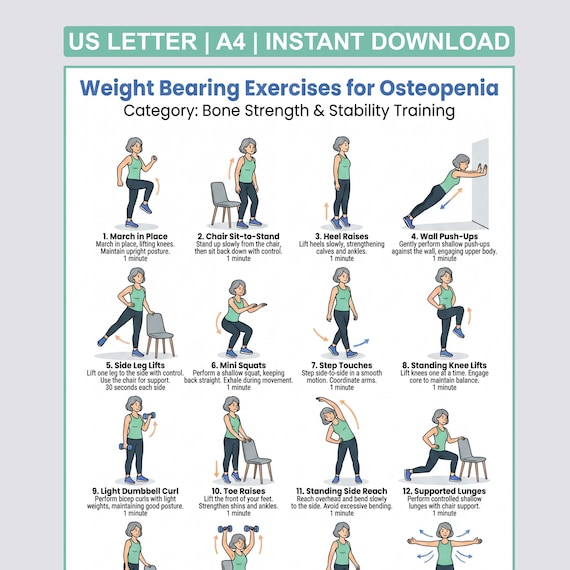
The mind–posture connection: why your brain is the missing link
Upright posture is not a pose. It is a brain-led habit loop. Your nervous system watches your joints and muscles through sensors. It adjusts your spine, ribs, and pelvis all day long.
Stress, screens, and long sits dull this loop. The brain starts to think slouch feels normal. To fix it, you must teach the brain a new normal. That is the heart of how to train your mind to maintain upright posture. You build awareness, add feedback, and repeat it until it sticks.
What upright feels like, in simple terms:
- Feet grounded and even
- Hips stacked under ribs
- Ears in line with shoulders
- Soft belly breath, not chest-only breath
- Gaze level, jaw relaxed
When this shape feels safe and easy, your brain will hold it with less effort.

Core principles to train posture like a skill
Think of posture like learning to ride a bike. You need reps, feedback, and simple wins. Here is how to train your mind to maintain upright posture with a skill-first approach.
- Awareness before correction. Notice first. Fix second. Name how you feel without judgment.
- Small levers, big change. Breath, gaze, and foot pressure shape the whole chain.
- Make it automatic. Use triggers that fire all day. Let the environment do the work.
- Feedback is fuel. Mirrors, photos, or a sticky note can teach the brain fast.
- Consistency beats intensity. Two minutes, many times, wins over one long session.
In my coaching, these ideas cut slouch time by half in the first two weeks.
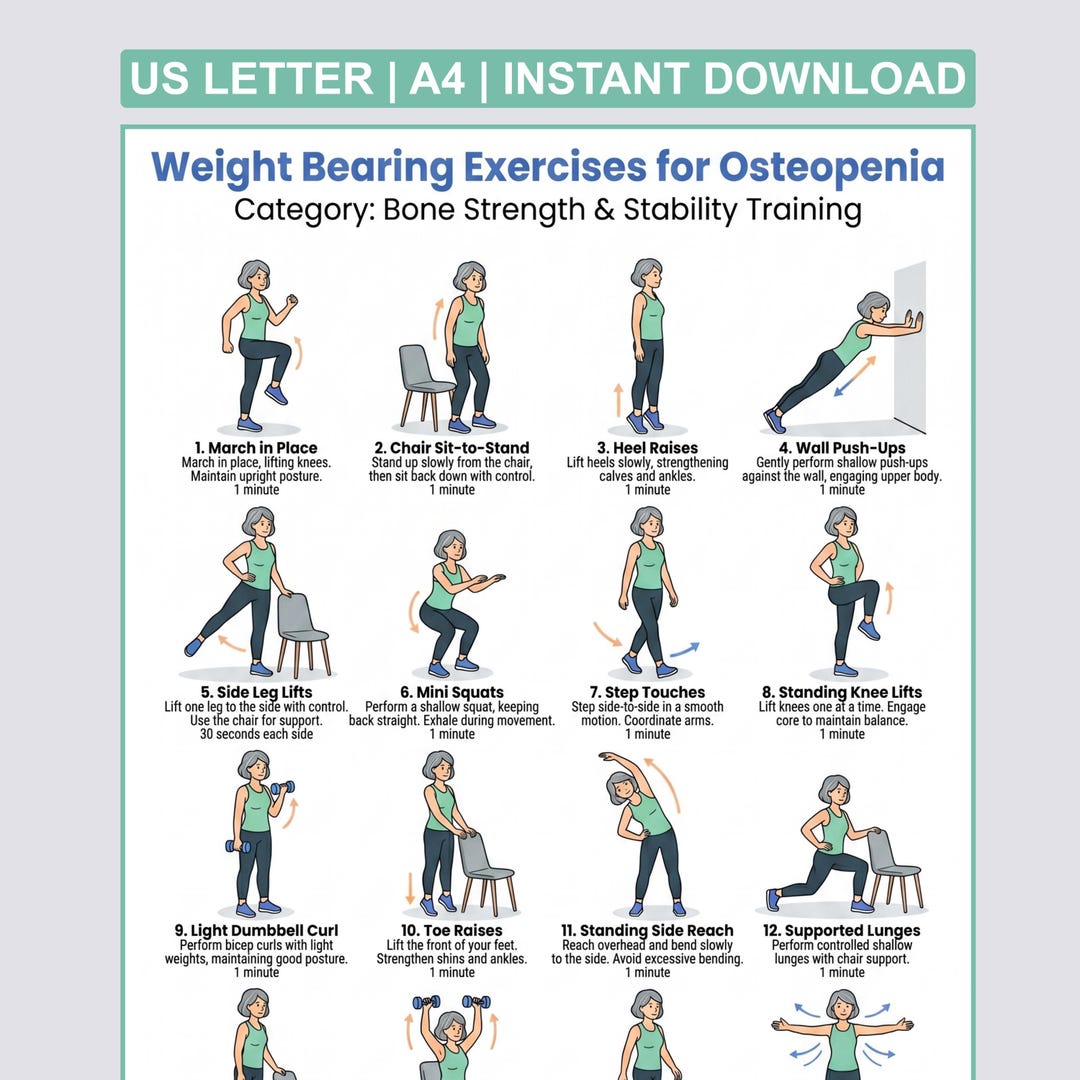
A simple 4-week plan to reset your posture habit
Use this plan to learn how to train your mind to maintain upright posture in small steps. Keep notes. Track how it feels.
Week 1: Notice and reset
- Set four phone alarms. When they ring, pause, breathe, and align.
- Do three breath cycles: inhale through nose, exhale longer.
- Check feet, ribs over hips, head over shoulders.
Week 2: Build cues
- Link posture to tasks. Stand tall when you sip water or hit Send.
- Add a screen note: “Soft ribs. Long neck.”
- Use a mirror check at lunch.
Week 3: Add strength snacks
- Do 10 scapular squeezes, 2 times a day.
- Do 30-second wall angels.
- Do a 60-second hip flexor stretch per side.
Week 4: Automate
- Remove two chairs that invite slouch.
- Raise your laptop with books. Use an external keyboard.
- Record a 10-second selfie check, morning and night.
This plan shows how to train your mind to maintain upright posture by stacking tiny wins. If you miss a day, you did not fail. You just start again.
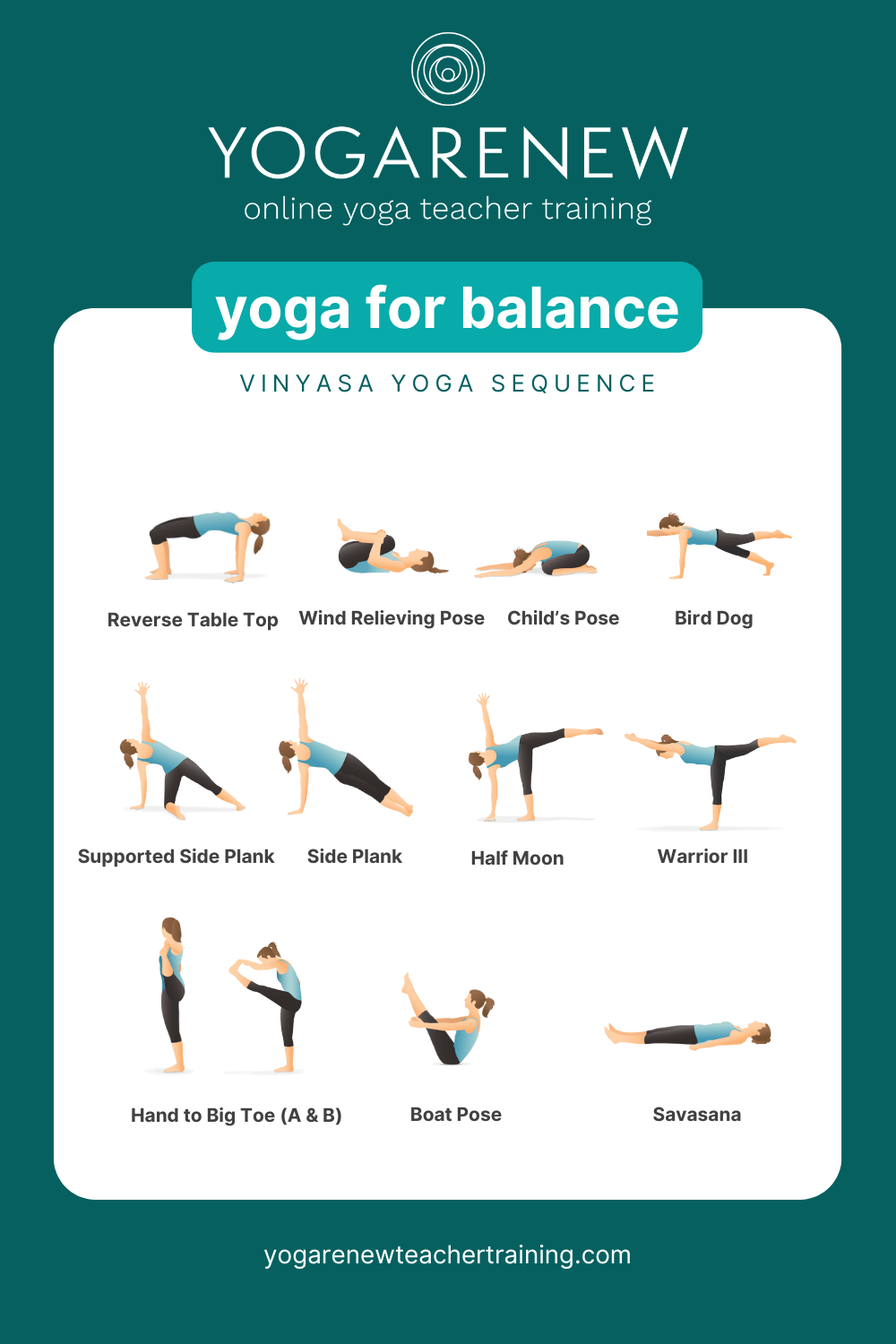
Cues and triggers: design an environment that sits you up
Your space can remind your brain to stack you tall. Use visual, physical, and digital cues. This is a fast way for how to train your mind to maintain upright posture without willpower.
- Visual cues. Put a colored dot at the top edge of your screen. When you see it, lift your chest and lengthen your neck.
- Physical cues. Sit on the front half of the chair. Feel both sit bones. Place feet flat, hip-width apart.
- Digital cues. Calendar nudges each hour. Use short labels like “Breathe tall.”
- Social cues. Agree on a team signal. Touch your ear when you catch a slouch. Make it fun, not shame.
My desk teams love the water-cue rule: every sip, reset posture. It works because you drink often.
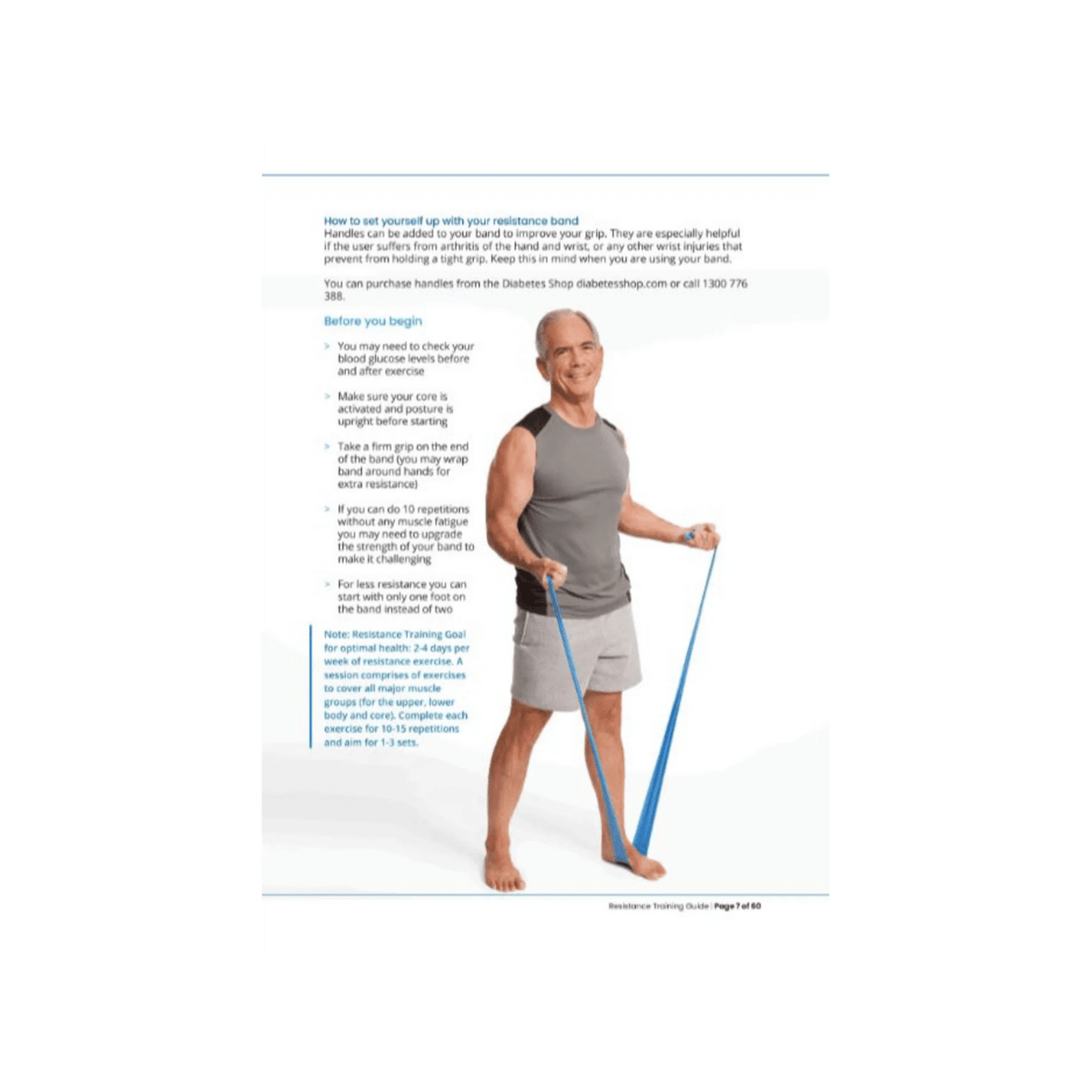
Breath, gaze, and ground: three switches that change posture now
Breath sets rib position. Gaze sets head and neck. Ground sets hips and spine. Use these three switches often. This is how to train your mind to maintain upright posture in seconds, not minutes.
Try this 30-second stack:
- Ground. Press big toes and heels into the floor. Feel even weight.
- Breath. Inhale through your nose. Exhale longer by two seconds. Let ribs drop softly.
- Gaze. Look at the horizon. Tuck your chin a little. Grow tall from crown to sky.
Repeat this before calls, while waiting for coffee, or at red lights. The brain loves short, safe reps.

Movement snacks and strength that support your brain
You do not need a hard workout to support upright posture. You need small moves that wake key muscles. This helps the brain hold shape with less effort.
Do these daily:
- Chin nods. 10 slow reps. Teaches neck alignment.
- Scapular retractions. 10 reps, gentle. Feeds your mid-back.
- Wall slides. 8 reps. Opens chest, sets ribs.
- Hip flexor stretch. 30 seconds each side. Frees the pelvis.
- Calf raises. 12 reps. Improves foot and ankle support.
Three minutes, two times a day, can shift your baseline. It is a core piece of how to train your mind to maintain upright posture.

Mindfulness and somatic drills to lock in awareness
Your brain learns posture when you feel it from the inside. Use short somatic drills to teach that sense. This is the quiet part of how to train your mind to maintain upright posture.
- 60-second body scan. Start at feet. Move up to knees, hips, ribs, shoulders, head. Notice, do not judge.
- Box breathing. Inhale 4, hold 4, exhale 4, hold 4. Two rounds. This calms neck and jaw tension.
- Micro-check-in journal. Write one line: “Posture felt easy/hard because…” This builds metacognition.
When stress spikes, posture crashes. Calm the system, and upright feels safe again.
Tools, tech, and trackers: use them, don’t rely on them
Tech can help, but it should coach, not nag. Here is how to train your mind to maintain upright posture with tools that fade out as you learn.
- Posture apps. Use a 10-day streak to build the habit. Then reduce alerts.
- Simple gadgets. A lumbar roll or seat wedge can guide your spine.
- Wearables. Haptic feedback can cue you to sit tall. Keep alerts kind and rare.
Rule of thumb: if a tool makes you tense, drop it. Tension breaks posture.

Posture across your day: work, commute, home, and sleep
Real life is messy. Plan for many settings. This keeps practice alive and easy.
At work
- Screen at eye level. Keyboard close. Forearms level.
- Stand up for two minutes every 30–45 minutes.
- Take calls while standing tall with soft ribs.
On the commute
- Sit back and lengthen your spine. Feet flat if you can.
- Lightly engage your lower abs on exhale.
- If standing, stack ears over shoulders and hold the rail with soft elbows.
At home
- Use the coffee-break reset. Ground, breath, gaze, grow tall.
- Read with a pillow under elbows, not head forward.
- Use floor time. Sit on a cushion, switch positions often.
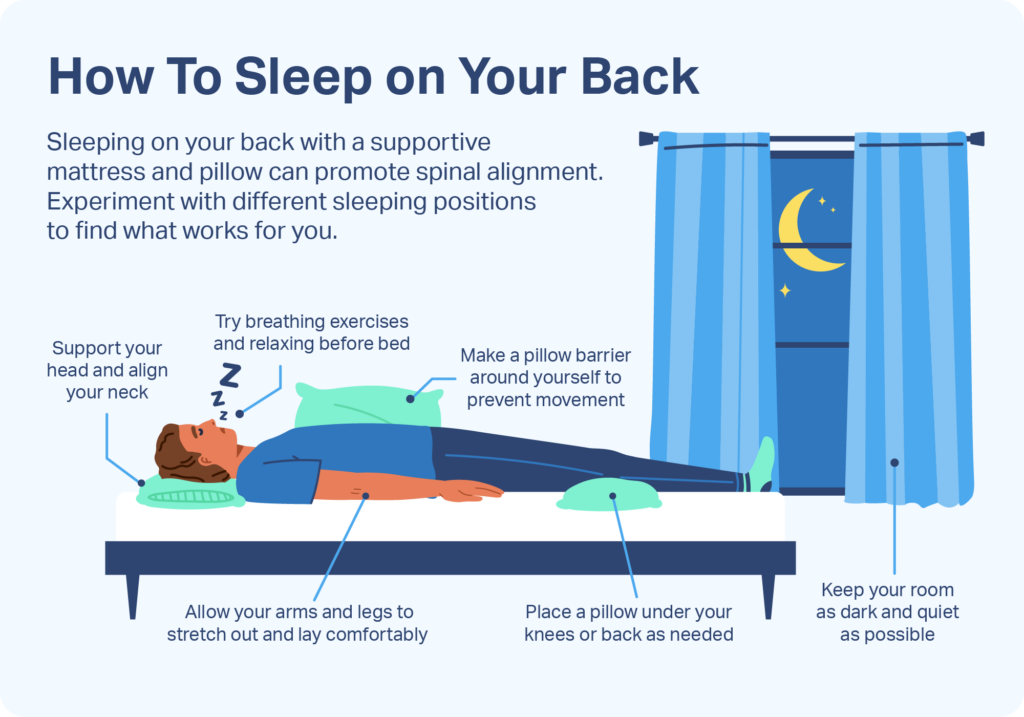
Sleep
- Side sleeping with a knee pillow can help your spine rest.
- Back sleeping with a small pillow under knees eases the low back.
These real-life checks show how to train your mind to maintain upright posture without extra time.
Troubleshooting, safety, and when to get help
If pain spikes when you sit or stand tall, ease off. Start smaller. Use breath to calm tension. Upright should feel stable, not rigid.
Seek help if you notice:
- Numbness, tingling, or sharp pain that does not fade
- Headaches linked to neck strain most days
- A history of spine injury or surgery
Pros like physical therapists or ergonomic specialists can tailor drills. That keeps training safe and fast. This balanced view is key to how to train your mind to maintain upright posture with care.
Frequently Asked Questions of how to train your mind to maintain upright posture
How long does it take to see results?
Most people feel a change in one to two weeks. Visible, lasting change often shows in four to six weeks with daily practice.
Do I need special gear to improve my posture?
No. Your best tools are breath, ground, and gaze. Simple props like a lumbar roll can help, but they are optional.
Can I fix posture if I sit all day?
Yes, if you move often and add micro-resets. Stand, walk, and use movement snacks every 30–45 minutes.
Will strength training alone fix my posture?
Strength helps, but habit and awareness lead. Blend light strength, breath, and cues for best results.
What is the fastest daily drill I can do?
Do the 30-second stack: ground, long exhale, level gaze, grow tall. Repeat three times a day.
Is “military posture” a good goal?
No. Over-braced posture is stiff and tiring. Aim for tall, relaxed, and breathable alignment.
How do I stop phone-neck?
Raise the screen to eye level. Use short check-ins: chin nods, shoulder rolls, and a long exhale.
Conclusion
Your posture is a trainable habit, not a lucky trait. Use breath, gaze, ground, and smart cues to teach your brain a new normal. Practice in short bursts, many times a day, and let your space remind you to stand tall.
Start today. Pick one cue, one drill, and one change to your setup. Share your progress, subscribe for more guides, and leave a comment with what works for you.


