

An active sitting chair is a seat that encourages gentle movement while you work.
If you have asked yourself what is an active sitting chair and whether it helps your back and focus, you are in the right place. I test ergonomic gear for a living and help teams set up healthier workstations. In this friendly, research-backed guide, I break down what is an active sitting chair, how it works, who it helps, and how to choose one you will actually love.
Affiliate Disclosure: This article may contain affiliate links. ErgonomicZone may earn a commission at no extra cost to you if you purchase through these links.

Source: qor360.com
Definition and core idea
Let’s start with what is an active sitting chair in simple terms. It is a chair or stool that lets your body make small, safe moves while seated. Think tiny tilts, gentle rocks, and micro-shifts that keep your core, hips, and back awake. It fights the rigid stillness that makes long desk hours feel painful.
Here is the key difference from a classic office chair. A standard chair locks you into one shape. An active sitting chair adds controlled motion so you can fidget with purpose. This light motion helps blood flow, posture, and comfort across the day.
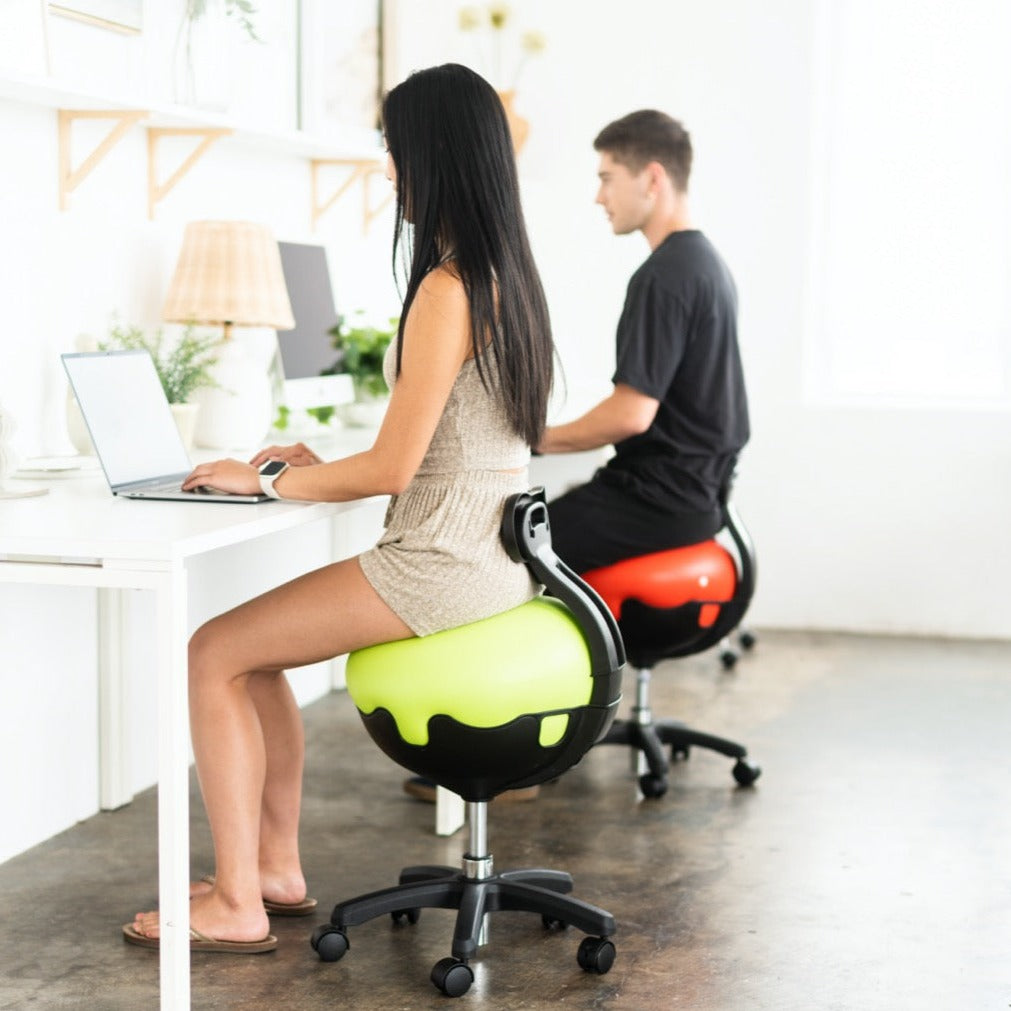
Many readers ask what is an active sitting chair compared with a balance stool or a ball. They all aim for the same goal: more movement and better body alignment while you sit. The best pick is the one that fits your task, space, and body.
Source: aeromats.com
How active sitting works
To grasp what is an active sitting chair, look at how the seat moves. The base or seat pan offers a small range of motion. Your body makes tiny corrections to stay upright. That pattern builds gentle activity in your core and hips.
Common motion designs include:
- Wobble bases that tilt in all directions for 360-degree micro-moves.
- Saddle seats that open your hip angle and promote a tall spine.
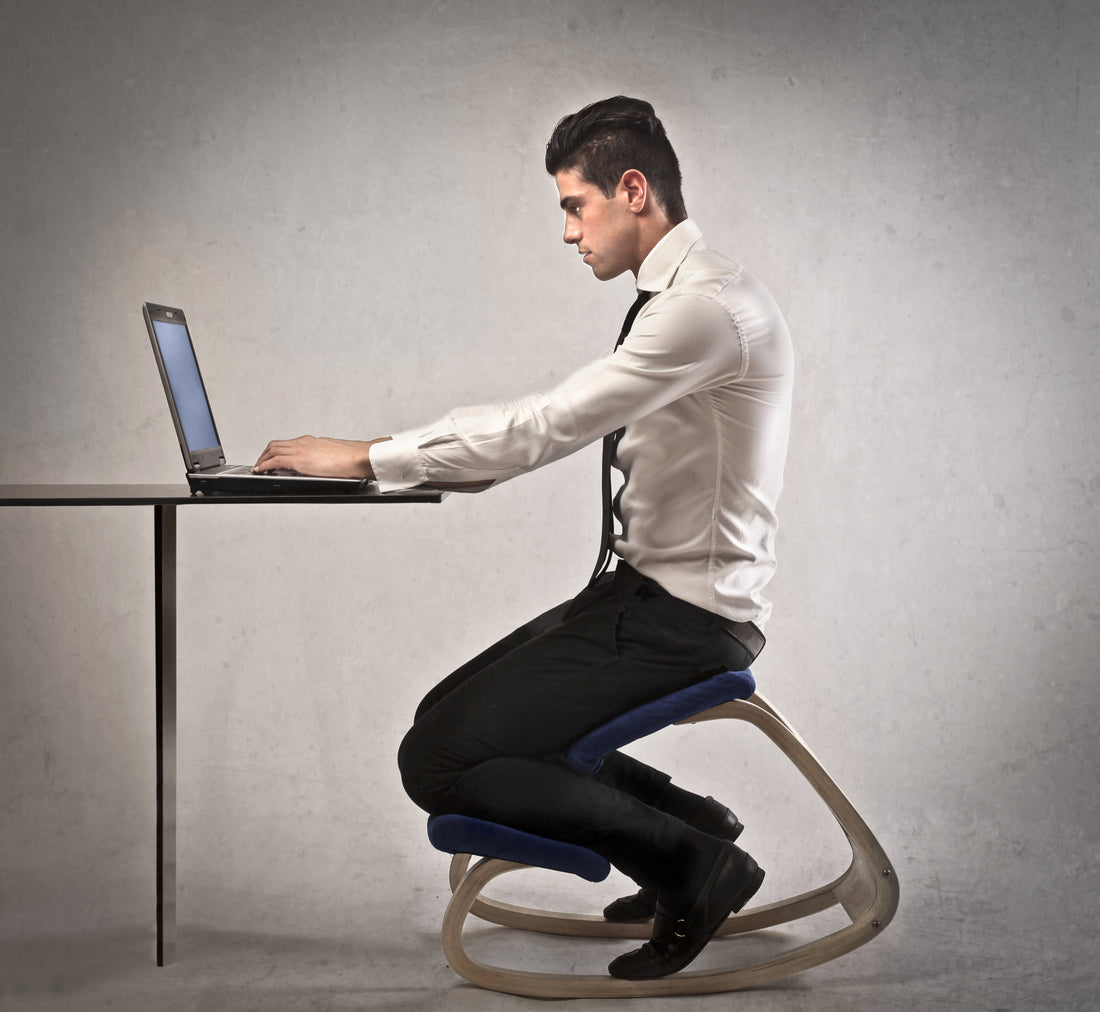
- Kneeling chairs that shift load from your lower back to your shins.
- Balance ball chairs that add bounce and sway but need good form.
- Perch stools for sit-stand desks that let you lean and pivot.
This motion is not a workout. It is light and steady. Over hours, that light activity can add up and help you feel less stiff.

Source: workplacesolutionsllc.com
Benefits backed by research and real use
If you wonder what is an active sitting chair supposed to improve, start with posture and comfort. Studies in ergonomics labs show dynamic chairs can raise low-level muscle activity and reduce perceived stiffness for many users. People often report better focus, since small motion helps alertness.
From my own desk trials, a wobble stool cut my late-day back soreness within two weeks. I noticed more calm energy on long calls. Clients who fidget a lot tell me they feel less trapped and more creative.
Other common gains include:
- More natural spinal alignment when you set the seat height right.
- Less pressure on the tailbone due to small position shifts.
- Better circulation from gentle movement and open hip angles.
Active seating is not a cure-all. You still need breaks, walking, and simple stretches. But as part of a healthy setup, it can make desk time much kinder to your body.

Types of active sitting chairs
When people ask what is an active sitting chair option for different tasks, I share these popular types:
- Wobble or balance stools. Great for short bursts and creative work. Small footprint, easy to move, but can tire you if overused.
- Saddle stools. Open your hips and cue a long spine. Good for drafting and labs; seat shape may take a week to adapt to.
- Kneeling chairs. Shift load away from the low back. Some users love them; others dislike shin pressure or getting in and out often.
- Balance ball chairs. Add soft bounce and sway. They need good form; some offices do not allow them for safety.
- Perch stools for sit-stand. Pair well with a standing desk. Reduce leg fatigue while keeping you upright and mobile.
- Task chairs with tilting seat pans. Look like classic chairs but add subtle movement. Nice if you want support and motion in one.
Try more than one style if you can. Comfort is personal, and your desk height and tasks matter.
How to choose the right one
Before you buy, decide what is an active sitting chair that fits your body and work. Start with the basics:
- Height range. Your hips should sit at or above knee level. Aim for a 100–120 degree hip angle.
- Base stability. Check non-slip materials and a wide base if you move a lot.
- Seat shape and padding. Saddle for upright posture, round for freedom, light cushion for longer sits.
- Adjustability. Height is a must. Tilt and tension are a plus if you share the seat.
Also check:
- Weight rating and warranty for safety and value.
- Return window, since fit is personal.
- Footprint for small spaces or shared offices.
- Budget. Quality motion usually starts mid-range.
If you keep asking what is an active sitting chair that feels good all day, the answer is the one that you can adjust and that supports your task mix.

Setup, posture, and daily use tips
The first rule in what is an active sitting chair setup is good height. Sit so your feet land flat or on a stable mat. Keep your ribs stacked over your hips and your screen at eye level.
Simple steps:
- Start slow. Use the chair for 30–60 minutes a day at first.
- Mix positions. Alternate between your active seat, a standard chair, and standing.
- Move gently. Think tiny sway and tilt, not big swings.
- Use a routine. Try a 30-5 habit: sit 25 minutes, move 5 minutes.
Add two easy moves:
- Ankle rocks to boost blood flow.
- Shoulder rolls to ease neck tension.

Source: amazon.com
Who should use one (and who should be careful)
What is an active sitting chair good for in real life? Desk workers who sit long hours, creatives who like to fidget, students, and folks who want more movement at work. It is also helpful for people who switch often between sitting and standing.
Use care or talk to a clinician if you have balance issues, recent spine or knee surgery, advanced osteoporosis, or vestibular disorders. Pregnant users should pick stable bases and avoid deep wobble. Always stop if you feel pain or numbness.

What the science says
People ask what is an active sitting chair evidence base, and here is the short take. Lab studies show small but meaningful boosts in light muscle activity and comfort for many users. Some trials note improved posture cues and less reported stiffness over weeks.
There are limits. Results vary by person and chair style. A few studies warn that ball chairs without back support may increase spinal load if you slump. Kneeling chairs can ease low-back load but may stress the shins in long bouts.
Across reviews, the clear pattern is this. Active seating works best as part of a full plan that includes breaks, walking, and strength work. Most studies are short term, so more long-term data would help.
Common mistakes and how to avoid them
Common slip-ups when learning what is an active sitting chair include:
- Using it all day on day one. Build up time to avoid fatigue.
- Wrong height. Too low makes you slump; too high lifts your feet.
- Big, fast moves. Keep it small and smooth.
- Skipping breaks. No chair replaces walking and stretching.
- Slick floors. Add a rug or mat to prevent slips.
Set a timer for short breaks. Check your height weekly. Small tweaks pay off.
Cost, brands, and value
What is an active sitting chair price range? Expect these tiers:
- Budget: 50–150 dollars. Simple wobble stools and basic balls. Fine for short use.
- Mid-range: 150–400 dollars. Better bases, adjustability, and materials. Good for daily work.
- Premium: 400–1,200 dollars. Refined motion, high build, strong warranties.
Value tips:
- Pay for fit and stability, not flashy looks.
- A fair return policy is worth it.
- If you share the chair, adjustability saves the day.
Related concepts you should know
If you search what is an active sitting chair, you will also see these ideas:
- Neutral spine. Ears over shoulders, shoulders over hips, soft curve in the low back.
- Open hip angle. Hips a bit higher than knees to reduce hip and back strain.
- Sit-stand rhythm. Blend sitting, standing, and short walks for less fatigue.
- Support gear. Anti-fatigue mats, footrests, and monitor risers help a lot.
- Active accessories. Under-desk cycles or balance boards add gentle motion in short bouts.
These tools work best together. A smart mix beats any single product.
Frequently Asked Questions of what is an active sitting chair
What is an active sitting chair in one sentence?
It is a seat that lets you move in small, safe ways while you work. That light motion supports posture, comfort, and focus.
Is an active sitting chair better than a regular office chair?
It can be better for comfort and alertness if you use it right. Many people still keep a regular chair for long, focused tasks.
How long should I use an active sitting chair each day?
Start with 30–60 minutes and add time over one to two weeks. Aim to mix sitting, standing, and short walks across your day.
Will an active sitting chair fix back pain?
It can help reduce stiffness and support better posture. For lasting relief, pair it with breaks, simple strength work, and good desk setup.
Are balance ball chairs safe for office work?
They can be safe with good posture and a stable base. Some offices do not allow them, and they may not suit people with balance issues.
Do I need a mat or special floor for a wobble stool?
A non-slip rug or mat helps a lot, especially on smooth floors. It boosts safety and keeps the base steady.
Conclusion
Active seating turns sitting from a static chore into a gentle, body-friendly habit. Now that you know what is an active sitting chair, how it works, and which type fits your needs, you can test one with confidence. Start slow, keep moves small, and build a simple sit-stand-walk rhythm.
If this guide helped, share it with a coworker, subscribe for more ergonomic tips, or leave a comment with your top question. Your body will thank you for every small move you make.


