
Incident response training reduces risk, speeds recovery, and strengthens your overall security posture.
If you want to understand how incident response training improves security posture, you are in the right place. I have led dozens of tabletop drills, live-fire exercises, and post-incident reviews. In this guide, I will show practical steps, real stories, and clear metrics you can use today.
What incident response training is and why it matters
Incident response training is structured practice for bad days. Your team learns what to do when ransomware hits, a cloud key leaks, or an insider misuses data. The goal is fast, calm action based on a tested plan.
Good training blends people, process, and tools. It covers roles, decision paths, and clear handoffs. It builds muscle memory so the first time is not during a crisis.
This work aligns with leading standards. It maps to NIST incident handling, SOC 2 for change and monitoring, and ISO 27001 for incident management. It also supports CIS Controls on logging and response.
How incident response training improves security posture
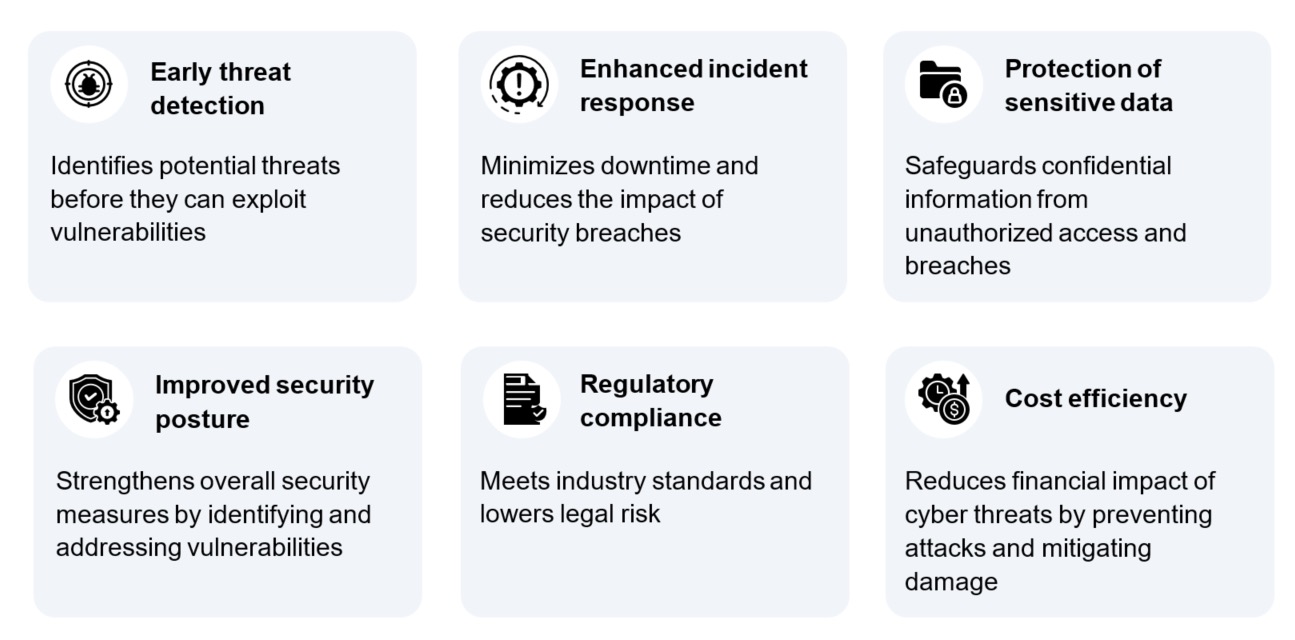
Let’s get to the heart of how incident response training improves security posture. Training reduces detection time, speeds containment, and cuts recovery costs. It also raises confidence and trust across the business.
Here is how incident response training improves security posture in practice:
- Faster detection. Drills sharpen alert triage and tuning, so you see real threats sooner.
- Faster response. Teams practice runbooks and cut mean time to respond.
- Smaller blast radius. Segmentation and isolation steps get rehearsed, so spread is limited.
- Better decisions under stress. Roles, checklists, and comms trees prevent chaos.
- Stronger controls. Exercises reveal gaps in logging, EDR coverage, and backups.
- Clear handoffs. Legal, HR, PR, vendors, and regulators know when and how to engage.
- Culture shift. People report issues sooner because they know what “normal” looks like.
These effects explain how incident response training improves security posture at scale. You see fewer high-severity events, less downtime, and tighter audits. You also improve audit readiness for PCI, SOC 2, and other frameworks.
PAA-style quick answers:
What is the main benefit of incident response training?
It reduces time to detect and contain threats. That single gain slashes damage and cost.
How often should teams train?
Run small drills monthly and full exercises at least twice a year. Update plans after each run.
Does training help with compliance?
Yes. Training gives evidence for risk, logging, and incident controls. It eases audits and due diligence.
These direct gains show how incident response training improves security posture across people, process, and tech. When teams repeat realistic drills, results improve fast. You build a calm, repeatable playbook for hard days.
Core components of an effective incident response training program
A great program covers three pillars.
People
- Clear roles. Incident commander, comms lead, tech lead, and scribe.
- Cross-team practice. Security, IT, cloud, legal, HR, PR, and business owners.
- Contact lists. One source of truth for on-call, vendors, and regulators.
Process
- Playbooks. Simple steps for malware, phishing, DDoS, data loss, and cloud breach.
- Decision trees. What to isolate, who to inform, and when to escalate.
- After-action reviews. Capture lessons and track fixes to closure.
Technology
- Tools access. EDR, SIEM, IAM, ticketing, and backup consoles ready with least privilege.
- Logging. Coverage, retention, and time sync to support root cause work.
- Test restores. Prove backups work, including immutable copies.
Training types to mix:
- Tabletop exercises. Low-stress walk-throughs that reveal process gaps fast.
- Live-fire drills. Safe but real simulations to validate tools and runbooks.
- Purple teaming. Red plus blue to test detection and improve rules together.
- Crisis comms drills. Practice press, customer, and regulator messages.
These parts work together and show how incident response training improves security posture day by day. You do not need fancy tools to start. You need a plan, a time box, and honest review.
A step-by-step plan to launch or level up training
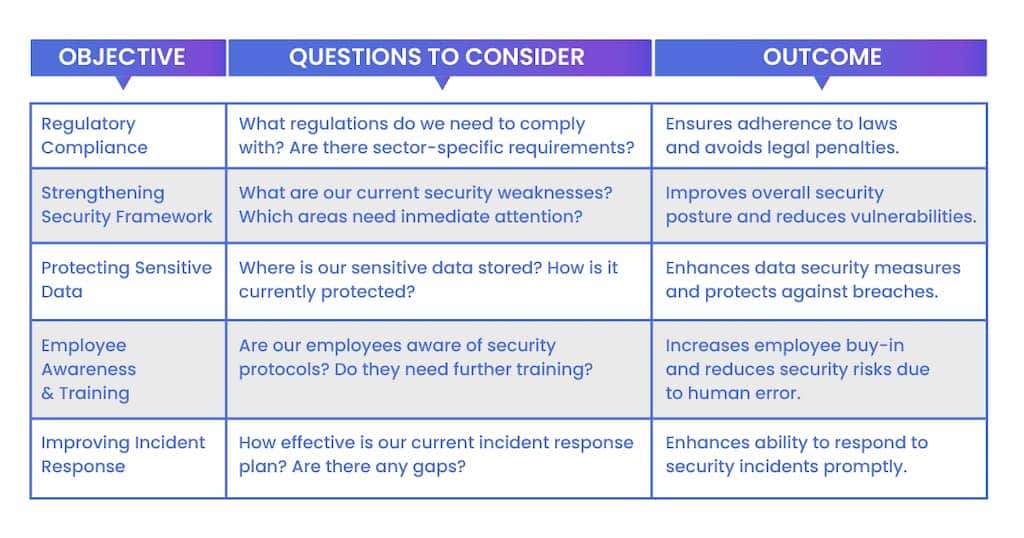
- Set objectives. Pick two or three goals like reduce MTTR or test ransomware runbook.
- Choose scenarios. Use recent threats in your sector and your tech stack.
- Define roles. Name the commander, tech lead, comms lead, and scribe.
- Prepare data. Create safe logs, alerts, and mock evidence for the drill.
- Run time-boxed sessions. Keep to 60–90 minutes and stay on script.
- Capture actions. Note gaps, decisions, and tool issues in real time.
- Review and improve. Share a short report and assign owners and dates.
- Rinse and repeat. Scale from tabletop to live-fire and cross-region tests.
This repeatable loop is how incident response training improves security posture without guesswork. It builds skill with each cycle. It turns plans into habits.

Metrics that prove it works and the ROI
Leaders want proof. Track these metrics before and after training:
- Mean time to detect and respond. Aim for steady cuts over each quarter.
- Dwell time. Reduce the window an attacker stays in your network.
- Containment time. Measure from detection to full isolation.
- False positive rate. Better tuning lowers alert fatigue.
- Playbook coverage. Percent of top risks with a tested runbook.
- Recovery success. Tested backup restores and RPO/RTO targets met.
Cost impact you can model:
- Fewer high-severity incidents.
- Shorter downtime and fewer fines.
- Smaller legal and breach response bills.
Independent research and breach reports show trained teams cut time and cost. In my programs, teams often reduce MTTR by 30 to 50 percent in two quarters. That clear trend is how incident response training improves security posture and ties to business value.

Common mistakes and how to avoid them
Avoid these traps that slow progress:
- No executive support. Fix it with a sponsor and a simple KPI dashboard.
- Overly complex drills. Start small, with one system and one clear goal.
- Skipping after-action reviews. Make them standard and track fixes to done.
- Ignoring third parties. Include MSPs, SaaS vendors, and cloud providers in drills.
- Weak documentation. Keep runbooks short, versioned, and easy to find.
- Not testing off-hours. Run a night or weekend drill to test paging and access.
Solving these issues is part of how incident response training improves security posture in the real world. Simplicity wins. Consistency wins more.

Field notes from my playbook
A ransomware tabletop changed one client’s path. In the drill, they found their backups shared the same domain and could be hit. We fixed backup isolation, set immutable copies, and tested restores. Three months later, a real attack hit. They contained it in under two hours and restored cleanly.
At a cloud-first startup, we ran a key-leak simulation. The team learned to rotate keys, block risky IAM roles, and trace use with logs. They later caught a real token misuse in minutes, not days. These wins show how incident response training improves security posture when it mirrors real risks, not theory.
My biggest lesson is this. Make it easy to train, and people will show up. Keep drills short, honest, and frequent. Progress compounds.
Compliance and framework alignment
Training supports major frameworks and audits:
- NIST CSF. Respond and Recover functions improve with tested runbooks.
- NIST SP 800-61. Aligns with the guide to handling incidents.
- ISO 27001. Supports Annex A incident management and business continuity links.
- SOC 2. Helps with monitoring, change, and incident controls.
- PCI DSS. Maps to incident response plan and testing duties.
When you can show tested plans, clear roles, and results, auditors smile. This proof is another way how incident response training improves security posture and reduces audit friction.
Related practices that amplify results
Combine training with these efforts for best gains:
- Threat modeling. Find weak spots before attackers do.
- Vulnerability and patch management. Reduce the attack surface you must defend.
- Threat intelligence. Feed your SIEM and playbooks with current TTPs.
- Zero Trust. Limit lateral movement and reduce blast radius.
- Business continuity and disaster recovery. Align comms, restores, and RTO/RPO.
Bringing these together is how incident response training improves security posture across the whole stack. You prevent more, detect faster, and recover smarter.
Frequently Asked Questions
How often should we update our incident response plan?
Review it after every drill and real incident. Do a full update at least once a year.
Who should lead an incident during training?
Appoint an incident commander with clear authority. They coordinate actions while tech leads solve issues.
What tools are essential for effective training?
You need a SIEM or log tool, EDR, ticketing, and a comms platform. Access and least privilege must be set before drills.
How long should a tabletop exercise last?
Aim for 60 to 90 minutes. Keep focus on one scenario and clear outcomes.
Can small teams run meaningful training?
Yes. Start with simple tabletop drills and one-page runbooks. Grow scope as confidence rises.
How do we keep executives engaged?
Report simple metrics like MTTR and drill outcomes. Tie results to uptime, revenue, and audit wins.
What scenarios give the best return first?
Phishing-led malware, cloud key leaks, and ransomware are top picks. They match common, high-impact threats.
Conclusion
Strong security is about speed, clarity, and trust when things go wrong. Regular, realistic drills build those habits and prove what works. That is how incident response training improves security posture in a measurable, repeatable way.
Pick one scenario. Run a short drill next week. Share the lessons and schedule the next one. Want more guides like this? Subscribe, share your biggest training question, or tell me what scenario you want covered next.


