
A neutral posture stacks your ears, shoulders, hips, knees, and ankles in relaxed alignment.
If you have wondered what is the best description of a neutral posture, you are in the right place. I coach teams, athletes, and desk workers on posture every week. In this guide, I share clear steps, real examples, and expert tips you can use today. You will learn what is the best description of a neutral posture, why it matters, and how to keep it in daily life without strain.

What Is Neutral Posture?
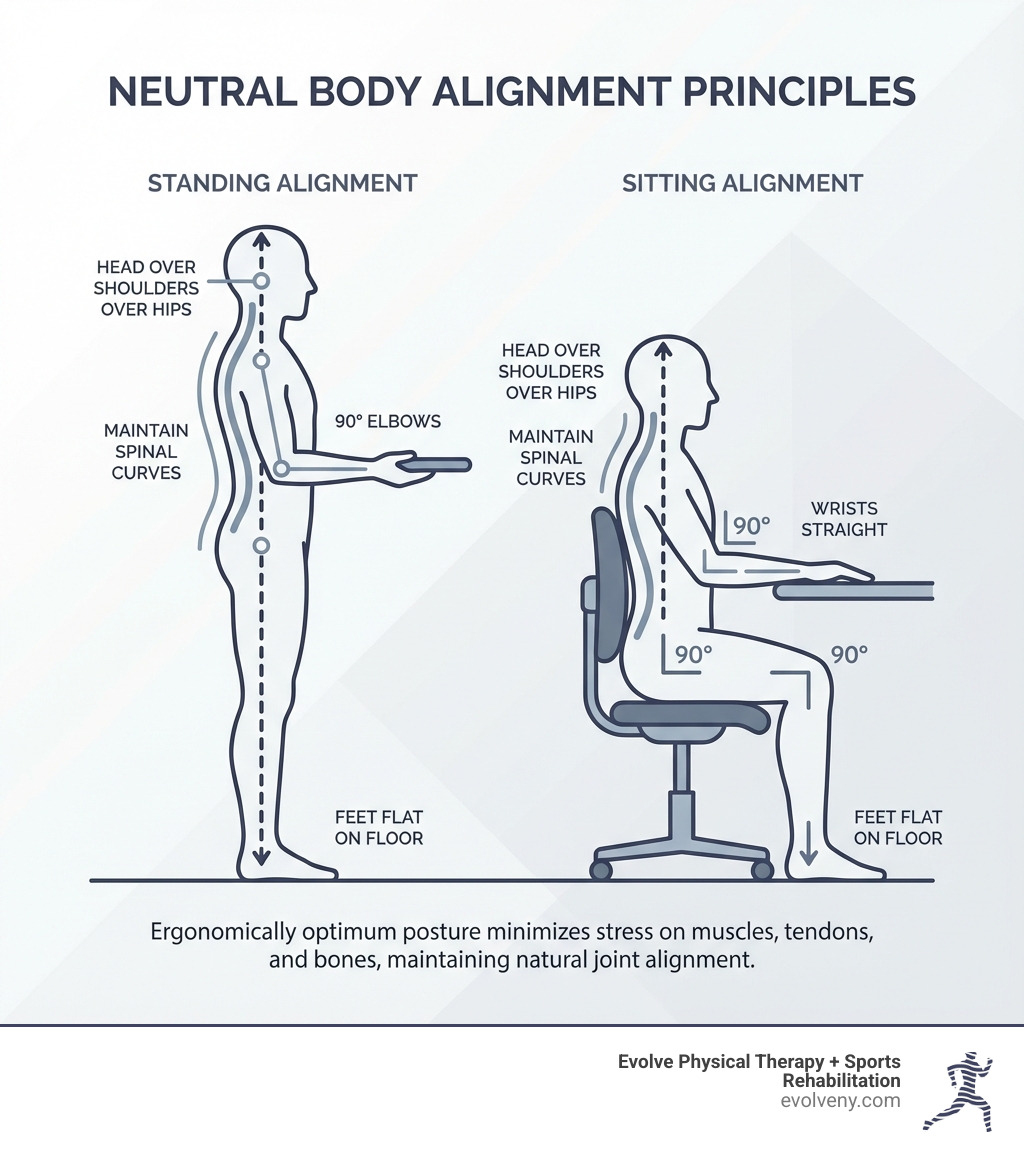
Neutral posture is your body’s natural alignment when your joints are centered and your muscles share the load. Think tall but easy. Your spine keeps its gentle curves. Your ribs rest over your pelvis. Your head floats over your shoulders, not in front of them. Your weight spreads through your feet or seat without pressure hot spots.
A simple way to explain what is the best description of a neutral posture is this: your skeleton does most of the work, and your muscles do not have to fight to hold you up. The goal is comfort, not stiffness. You feel stable, and you can breathe deep without effort.
Key alignment cues
- Head: Ears in line with shoulders. Chin level. Neck long in back.
- Shoulders: Gently back and down. Shoulder blades flat, not pinched.
- Ribs and core: Ribs stacked over pelvis. Belly soft but active.
- Pelvis: Neutral tilt, like a bowl that does not spill.
- Hips and knees: In line with feet. Knees soft, not locked.
- Feet: Arches active. Weight even from heel to forefoot.
When someone asks what is the best description of a neutral posture, I say it is a quiet body. Nothing feels pulled. Nothing feels jammed. You are ready to move in any direction.
Why Neutral Posture Matters
Neutral posture reduces wear and tear on joints and soft tissue. Research links neutral alignment to fewer aches in the neck, back, and shoulders. It can improve breathing, focus, and energy by easing muscle tension and letting your diaphragm move well. Poor posture can raise disc pressure, strain tendons, and slow blood flow to working muscles.
Practical wins you may feel
- Less neck and low back pain at the end of the day
- Easier deep breaths and steadier voice on calls
- Fewer headaches from muscle tension
- Better balance and less fatigue while standing
There is nuance. Posture is one piece of comfort. Movement breaks, load, sleep, and stress also matter. But when people ask what is the best description of a neutral posture, we always include the health gains that come with balanced alignment.

How to Find Neutral Posture: Step-by-Step
Use these quick resets. They work at a desk, in the gym, or while standing in line.
Standing
- Place feet hip-width. Spread toes. Shift weight until it is even.
- Unlock knees. Imagine your thighs point straight ahead.
- Tip your pelvis forward and back. Settle in the middle.
- Stack ribs over pelvis. Exhale. Feel your abs turn on a bit.
- Reach the crown of your head up. Tuck chin a touch. Ears over shoulders.
- Roll shoulders up, back, and down. Let your arms hang.
Sitting
- Sit on your sit bones, not your tailbone. Adjust your chair height.
- Place feet flat. Knees at hip level or a little lower.
- Keep a fist-wide gap between the front of the seat and your calves.
- Stack ribs over pelvis. Ears over shoulders.
- Rest forearms on the desk with shoulders relaxed.
At a desk
- Screen at eye level. Arm’s length away.
- Keyboard and mouse keep elbows near 90 degrees.
- Chair supports your low back curve. Use a small cushion if needed.
Lying down
- On back: Small pillow under head. Pad under knees.
- On side: Pillow fills space from shoulder to ear. Pillow between knees.
- On stomach: Best to avoid. If needed, small pillow under hips.
If someone asks what is the best description of a neutral posture in real life, show them this routine. It takes under a minute and feels great.
Ergonomic Setup Checklist for Neutral Posture
Use this list to lock in good alignment at work and at home.
- Chair height: Hips level with or slightly above knees.
- Back support: Small lumbar support fits your low back curve.
- Desk height: Allows elbows near 90 degrees, shoulders relaxed.
- Monitor: Top third of the screen at eye level.
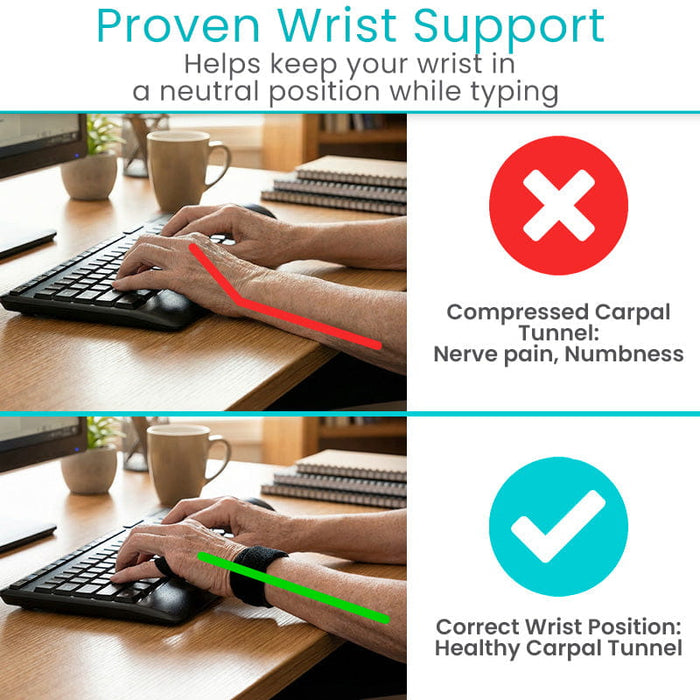
- Keyboard and mouse: Close to body, wrists straight and neutral.
- Phone: Use a headset. Avoid neck tilt and shoulder pinch.
- Car seat: Hips level, seat reclined about 100–110 degrees, headrest behind head.
- Bag: Use both straps. Keep load light and high.
This setup answers what is the best description of a neutral posture at a desk: stacked joints plus tools that meet your body where it is.
Common Mistakes and How to Fix Them
Forward head
- Cue: Imagine a string lifts the crown of your head up.
- Fix: Chin nods. Screen to eye level. Take micro breaks.
Rounded shoulders
- Cue: Show your shirt logo to the room.
- Fix: Gentle rows, chest stretches, and lower trap work.
Pelvis tucked under
- Cue: Sit on your sit bones, like two marbles.
- Fix: Raise chair height. Use a small lumbar roll.
Locked knees
- Cue: Soften your knees. Feel weight in mid-foot.
- Fix: Micro bends. Shift weight between feet.
Overcorrection
- Cue: Tall and easy, not rigid.
- Fix: Breathe. On each exhale, keep length but drop tension.
In simple terms, what is the best description of a neutral posture is not a soldier stance. It is calm balance.

Movement, Mobility, and Strength to Support Neutral
Posture holds better when muscles are strong and flexible. Try these simple drills.
- Chin nods: Lie down. Nod yes with small moves. 10 slow reps.
- Wall angels: Back to wall. Slide arms up without arching. 8–10 reps.
- Thoracic rotations: Kneel or sit. Rotate ribcage side to side. 10 reps.
- Hip flexor stretch: One knee down lunge. Tuck tail. 30 seconds each side.
- Glute bridge: Heels down. Lift hips, ribs stacked. 10–12 reps.
- Farmer carry: Hold weights. Walk tall. 30–60 seconds.
These moves teach your body what is the best description of a neutral posture feels like while you move.
How to Test and Monitor Your Posture
You can check your posture in minutes. You do not need fancy tools.
Simple tests
- Wall test: Heels, butt, and back to the wall. Head touches with a small space under your neck. If not, adjust chin and ribs.
- Photo check: Side photo. Look for ears over shoulders, ribs over pelvis, knees soft.
- Breath test: Take a deep breath. If your neck strains, reset your stack.
Tracking tips
- Set a reminder every 30–60 minutes to stand, breathe, and reset.
- Use a timer for 20–8–2 breaks: 20 minutes sitting, 8 standing, 2 moving.
- Try a wearable. Use it as a nudge, not a rule.
Remember, what is the best description of a neutral posture includes motion. The best posture is the next one. Shift often.

People Also Ask: Quick Answers
Is neutral posture the same for everyone?
No. Bone shapes and past injuries change what feels neutral. Use the cues, then fine-tune for comfort.
Does neutral posture mean standing straight all day?
No. It means a balanced base you return to often. Move and change positions.
Can a neutral posture fix back pain?
It can help reduce strain and support healing. But pain is complex and may need care from a clinician.

Real-Life Lessons From Coaching Clients
Over the years, I have helped hundreds of people find ease at work. One client, a video editor, asked me what is the best description of a neutral posture for long edits. We raised his monitor, set a lumbar roll, and taught him the 20–8–2 pattern. His neck pain eased in a week.
What I have learned
- Quick resets beat long lectures. Small, repeatable cues win.
- Tools matter. A cheap footrest or a rolled towel can change everything.
- Strength keeps posture honest. Strong glutes and mid-back hold the stack.
- Beware perfection. Rigid posture can cause new pain.
Mistakes to avoid
- Forcing shoulders down hard. That can pinch nerves.
- Clenching abs all day. Breathe and let them share the work.
- Ignoring feet. Stable feet guide hips and spine.
If a friend asked me what is the best description of a neutral posture, I would show them how it feels, not just how it looks.
Frequently Asked Questions of what is the best description of a neutral posture
What is the best description of a neutral posture in one sentence?
Your ears, shoulders, ribs, pelvis, knees, and ankles stack in a relaxed line. You feel tall, easy, and ready to move.
How do I know if my posture is neutral at my desk?
Your screen is at eye level, elbows near 90 degrees, and feet flat. Your shoulders feel heavy and calm, not lifted.
How long does it take to improve posture?
Most people feel change in a few days with regular resets. Steady gains build over weeks with strength and habit cues.
Can I hold a neutral posture without pain?
Yes, it should feel easier than slouching or bracing. If you feel pain, adjust and check your setup or see a pro.
Does neutral posture help athletes?
Yes. It boosts force transfer and reduces strain. It also improves breathing under load.
Is neutral spine the same as neutral posture?
Neutral spine is part of neutral posture. It includes the whole body, not just the back.
What if my bones or curves are different?
Neutral is personal. Work within your range and aim for comfort and balance.
Conclusion
Neutral posture is calm balance you can return to all day. Stack joints, breathe, and move often. Start with one cue today: ears over shoulders and ribs over pelvis. Then build the habit with short breaks and a simple desk setup.
If this helped you understand what is the best description of a neutral posture, try the steps for a week. Share your wins or questions in the comments, and subscribe for new guides and checklists.


