

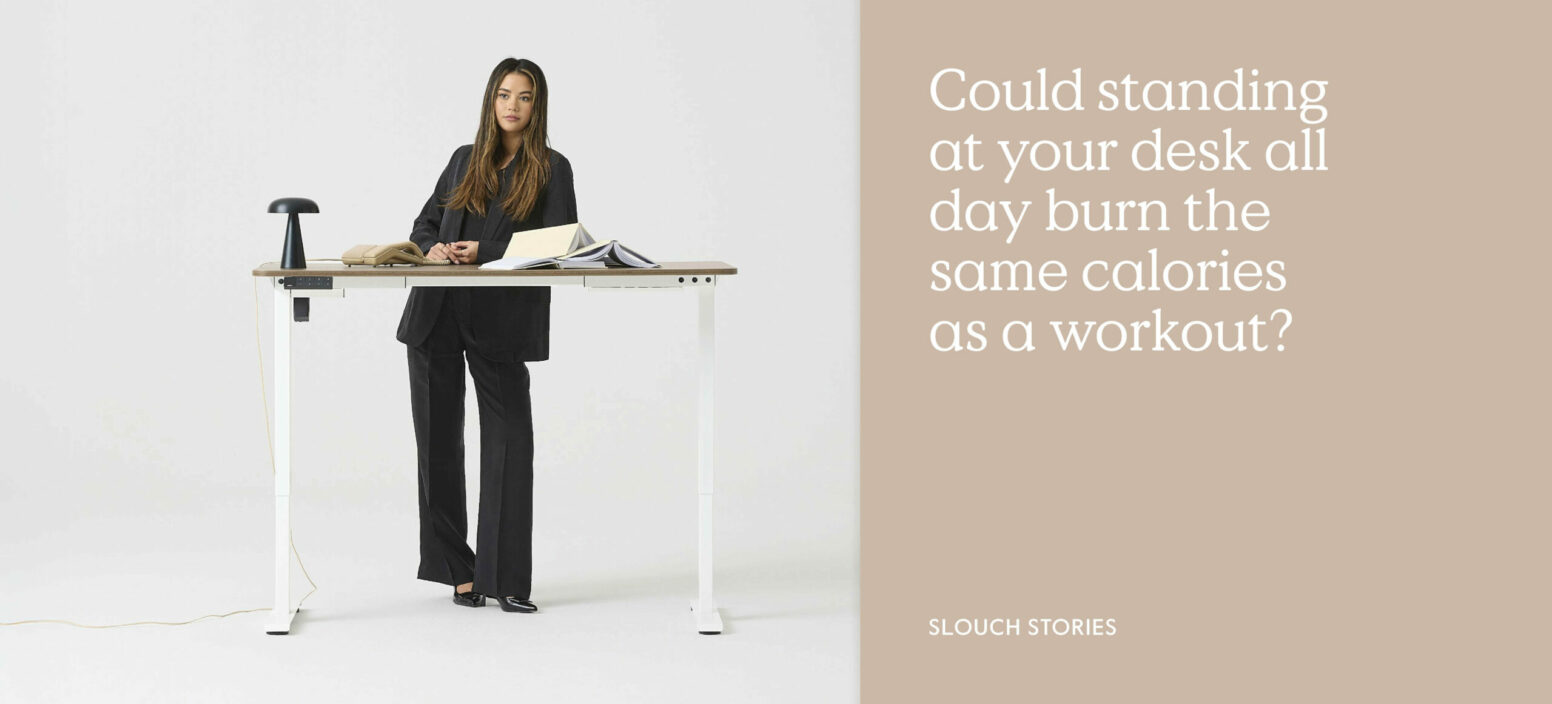
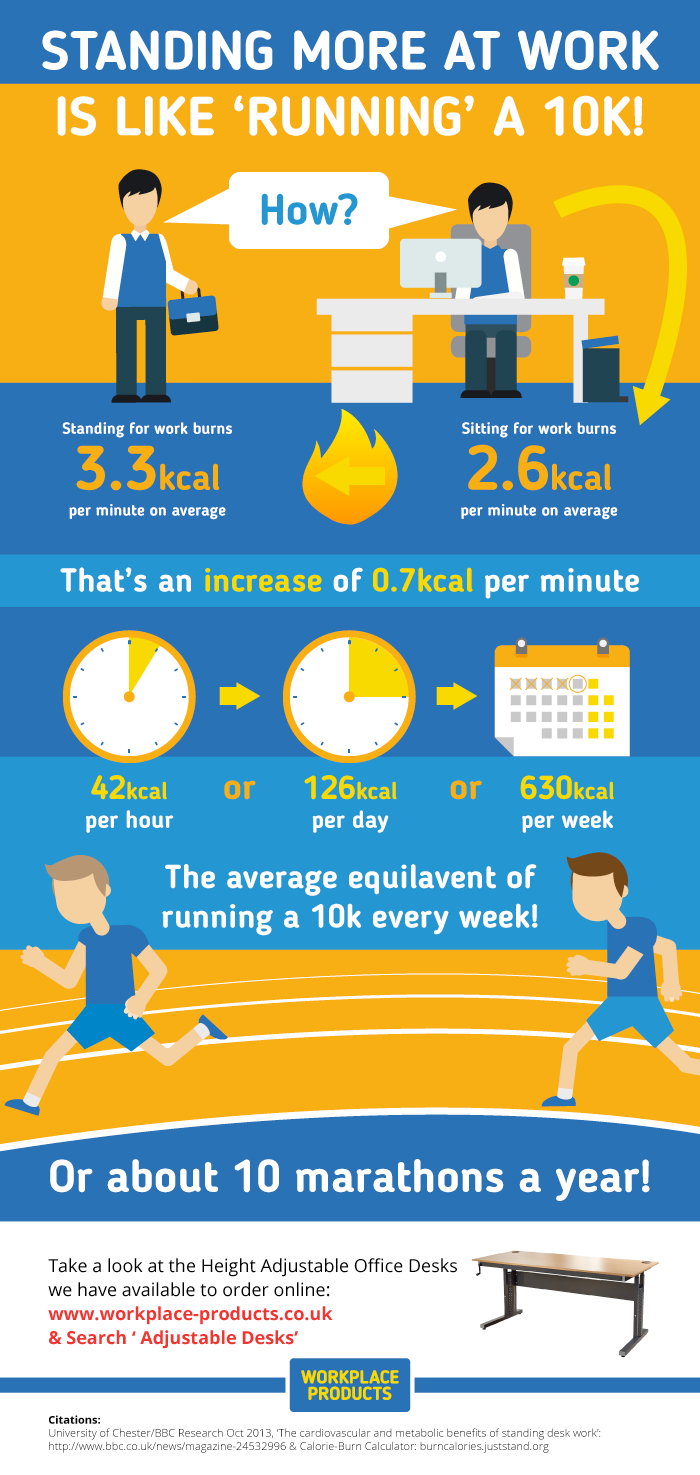
Standing at a desk burns about 20–50 more calories per hour than sitting.
Curious whether this small change matters? You’re in the right place. I’ve helped many teams adopt sit-stand setups, and I’ve tracked my own routine for years. In this guide, we’ll unpack calories burned standing at desk with simple math, clear examples, and practical tips you can use today.

What “calories burned standing at desk” really means
Calories burned standing at desk refers to the extra energy you use while upright at work. It comes from NEAT. That stands for non-exercise activity thermogenesis. NEAT is the energy you spend outside of workouts and sleep.
Standing raises energy use above sitting. The lift is small per minute. Over many hours, it can add up. Pair it with light movement, and the effect gets bigger.
The goal is not a workout at your desk. It is to replace long sitting with more light activity. That is a safe way to nudge daily burn and feel better while you work.

How many calories do you burn standing at a desk?
Scientists use METs to estimate energy use. MET means metabolic equivalent of task. Sitting at a desk is about 1.3 MET. Standing quietly is about 1.5 to 1.8 MET. Small fidgets push it higher.
Here is the standard formula:
Calories per minute = MET × 3.5 × body weight (kg) ÷ 200.
Practical examples for one hour:
- 150 lb person (68 kg): Sitting (1.3 MET) ≈ 93 kcal. Standing (1.8 MET) ≈ 129 kcal. Extra ≈ 36 kcal per hour.
- 200 lb person (91 kg): Sitting (1.3 MET) ≈ 124 kcal. Standing (1.8 MET) ≈ 172 kcal. Extra ≈ 48 kcal per hour.
- If you add light fidgets or gentle sways, expect a bit more.
What this means for you:
- Two to four hours of standing can add 70–200 kcal per day.
- That is like a small snack. Not huge, but real over time.
- The calories burned standing at desk change with your weight and how much you move.
Quick Q&A:
- How do I estimate calories burned standing at desk fast? Use the MET formula above or a calculator.
- Will everyone get the same calories burned standing at desk? No. Body size and movement change the math.
- Is it worth it if I stand only one hour? Yes. Small wins add up over a week.
Factors that change your burn
Many things shape calories burned standing at desk. The biggest ones are in your control.
Key drivers:
- Body weight and height Heavier bodies burn more at the same task.
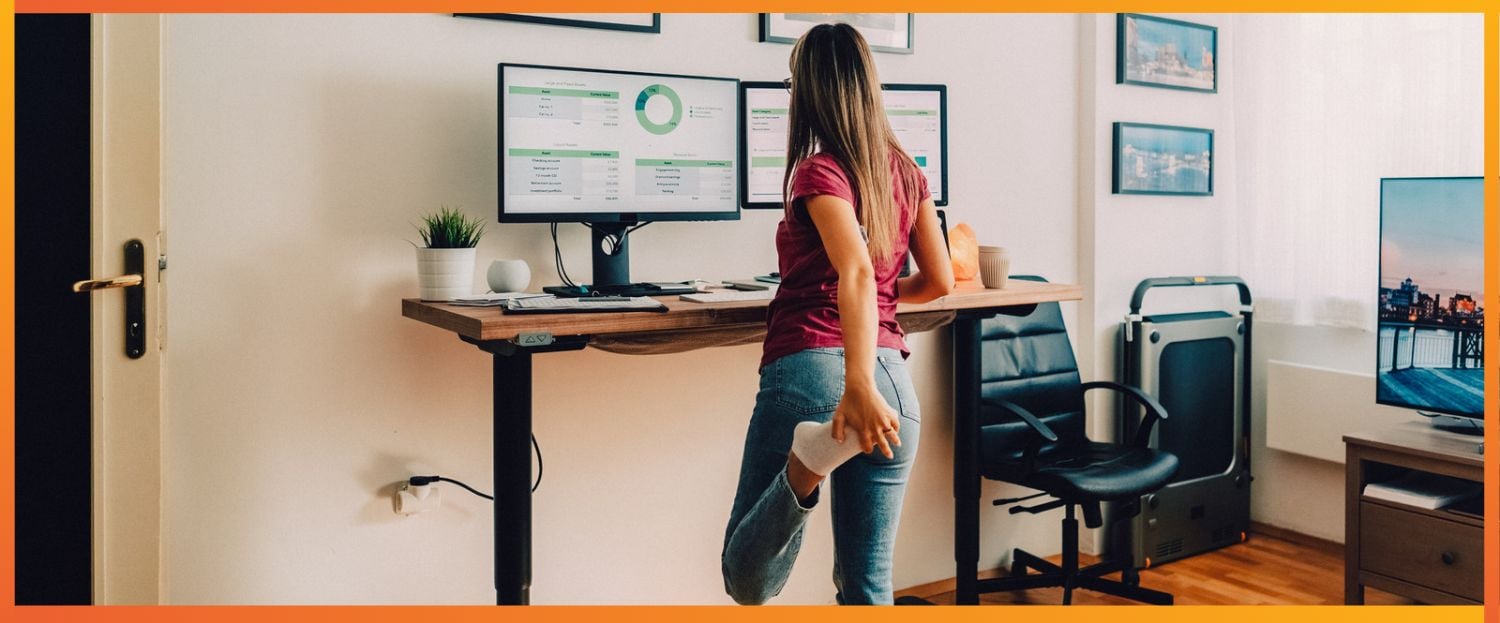
- Posture and fidgeting Small sways, foot taps, calf raises, and stretch breaks lift burn.
- Time on feet More minutes standing means more energy used.
- Footwear and surface Cushioned shoes and an anti-fatigue mat help you stay up longer.
- Temperature People often move more in cooler rooms.
What I see in practice:
- People who rotate every 30–60 minutes can stand longer. That raises calories burned standing at desk without extra strain.
- Micro-movements are the secret sauce. Add them often.

Standing vs sitting vs walking at work
Let’s compare the options in simple terms.
- Sitting desk work About 1.3 MET. Lowest burn.
- Standing desk work About 1.5–1.8 MET. A modest bump.
- Easy walk break 2.0–3.0 MET. This is where the burn jumps.
Takeaway:
- Standing is a base upgrade over sitting.
- Short, easy walk breaks beat both for calorie burn.
- The best plan mixes all three in a steady rhythm.
Use this rule:
- Sit for focus work.
- Stand for calls or email.
- Walk for thinking or quick chats.
This mix lifts calories burned standing at desk and keeps you fresh.
Benefits beyond calories
Calories burned standing at desk are only part of the story. The other gains matter just as much.
Likely benefits:
- Less back and shoulder tightness Many people feel better when they move more.
- Better focus Short posture changes can boost alertness.
- Improved blood sugar after meals Light standing helps reduce long sitting time, which supports glucose control.
What the research says:
- Trials show a small but clear energy bump while standing.
- Breaking up long sitting supports metabolic health markers.
- Results vary by person, task, and setup.
Limits, risks, and myths
Let’s keep it honest and safe.
Common myths:
- Standing is a workout. Not true. It is light activity.
- Standing all day is better. Not true. Long static standing can cause foot, knee, or vein issues.
Real limits and risks:
- Too much standing can cause pain or swelling.
- Poor desk height can strain your neck and wrists.
- You still need movement breaks and real exercise.
Safety tips:
- Aim for a mix of sitting, standing, and light walks.
- Set desk height so elbows are at about 90 degrees.
- Use a mat, move your feet, and relax your knees.
- If you feel pain, sit, reset posture, or walk a bit.
Being mindful keeps calories burned standing at desk helpful, not harmful.

A simple plan to boost your daily burn
You do not need a perfect system. You need a plan you can keep.
Start with this:
- Morning Stand for 20–30 minutes after you log in. Do gentle calf raises.
- Mid-morning Sit for deep focus. Then stand for your next call.
- Lunch Walk 10 minutes after eating if you can.
- Afternoon Alternate 30 minutes sitting, 30 minutes standing. Add small stretches.
- End of day Stand for your wrap-up and planning notes.
Micro-moves that add up:
- Heel-to-toe rocks during emails.
- Shoulder rolls every 30 minutes.
- Step in place while on mute.
- Hip shifts and light stretches.
This plan grows calories burned standing at desk with little effort. It also keeps your body happy.
Tools, trackers, and calculators
You can measure and improve without overthinking it.
Helpful tools:
- Calorie calculator Use the MET formula or a trusted app to estimate calories burned standing at desk.
- Wearable tracker Track standing time, steps, and move alerts.
- Posture app Get reminders to switch positions and stretch.
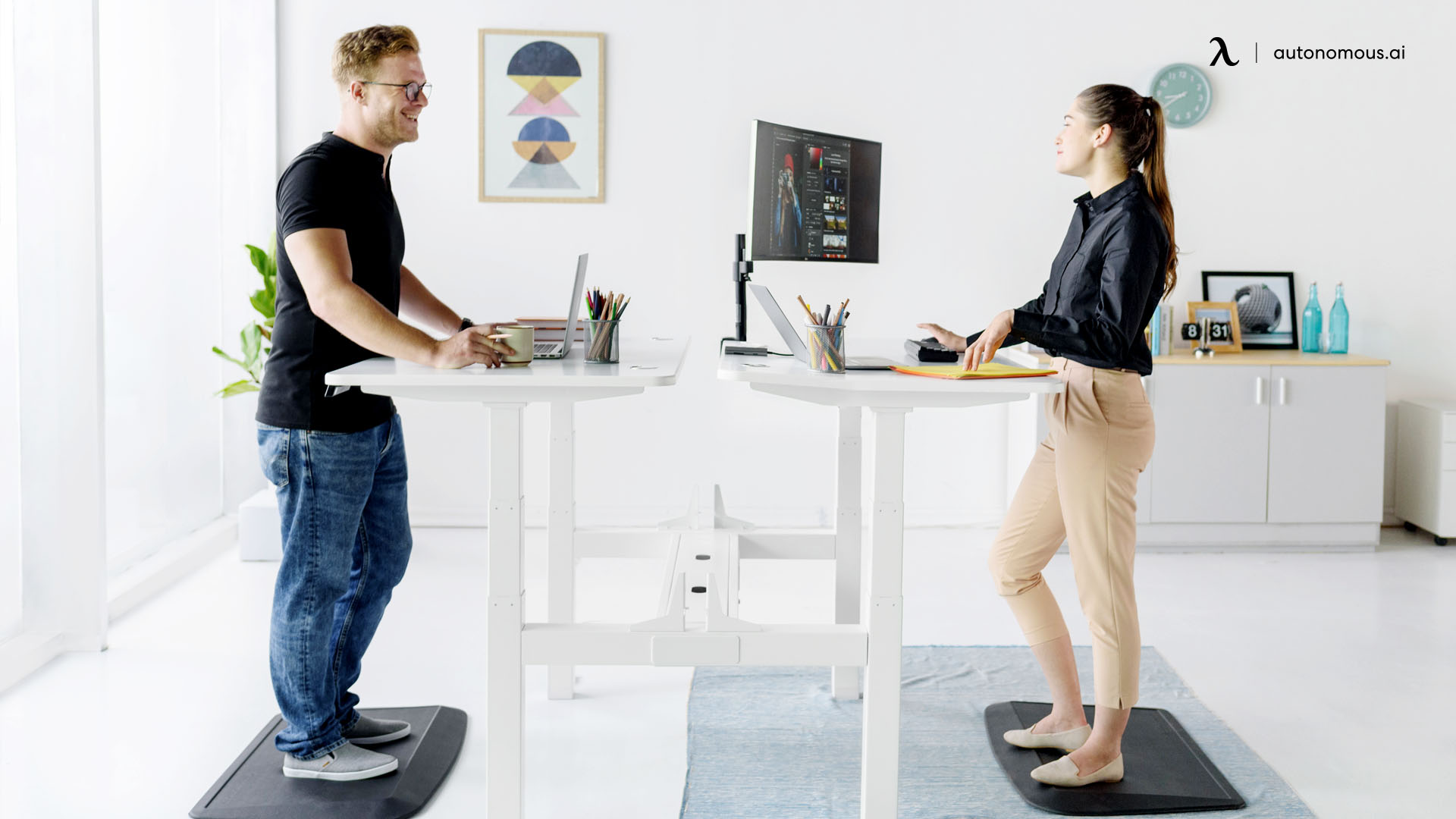
- Anti-fatigue mat Stand longer with less strain.
How to use them:
- Set a 30–60 minute switch timer.
- Track total standing time per day. Aim for two to four hours.
- Review steps. Add short walks to lift your total burn.
These tools make calories burned standing at desk simple to track and grow.
Personal take: what has worked for me
I switched to a standing desk years ago. At first, I stood too much and my feet hurt. I learned fast. Short, steady blocks worked better.
My routine now:
- I stand for most calls.
- I sit for writing and complex tasks.
- I add light steps between meetings.
Results for me:
- My afternoon slump got smaller.
- I burn more each day without stress.
- I feel less stiff at night.
My advice:
- Treat calories burned standing at desk like interest on savings. Small gains, every day. They add up over months.
Frequently Asked Questions of calories burned standing at desk
How many calories can I burn in eight hours of standing at a desk?
Most people burn 160–400 extra calories across eight hours, but few stand the whole time. A mixed routine with breaks is safer and more realistic.
Is a standing desk enough for weight loss?
No. Calories burned standing at desk are modest. Pair it with daily walks, strength work, and smart eating for real change.
Does leaning on the desk lower the burn?
A little. Leaning shifts weight off your legs. Stand tall, move your feet, and add small fidgets to keep the burn up.
Will a balance board increase calories burned standing at desk?
Slightly. It adds micro-movements, which can raise energy use. Start slow to protect your ankles and focus.
What desk height should I use when standing?
Set the surface near elbow height with relaxed shoulders. Your screen should be at eye level to avoid neck strain.
Can I track calories burned standing at desk with my watch?
Many wearables estimate it. Use it as a trend, not a precise measure, since MET values and sensors vary.
How long should I stand each day?
Two to four hours total is a common target. Rotate sitting and standing every 30–60 minutes, and add short walks.
Conclusion
Standing will not replace a workout, but it shifts your day in the right direction. Use short standing blocks, sprinkle in micro-moves, and take brief walks. That simple mix lifts calories burned standing at desk, boosts comfort, and keeps you sharp.
Pick one change today. Stand for your next call. Then add a 5-minute walk after lunch. Want more guides like this? Subscribe, share your wins, or leave a question and I’ll help you fine-tune your setup.


What’s up to every one, the contents present at this web page are truly awesome for people knowledge, well, keep up the nice work fellows.