
This post may contain affiliate links. If you purchase through links on this page, we may earn a small commission at no extra cost to you. We only recommend items we would use ourselves. Your support helps us create helpful, honest guides so you can make better choices with confidence.
Medical disclaimer: This content is for informational purposes only and is not a substitute for professional medical advice, diagnosis, or treatment.
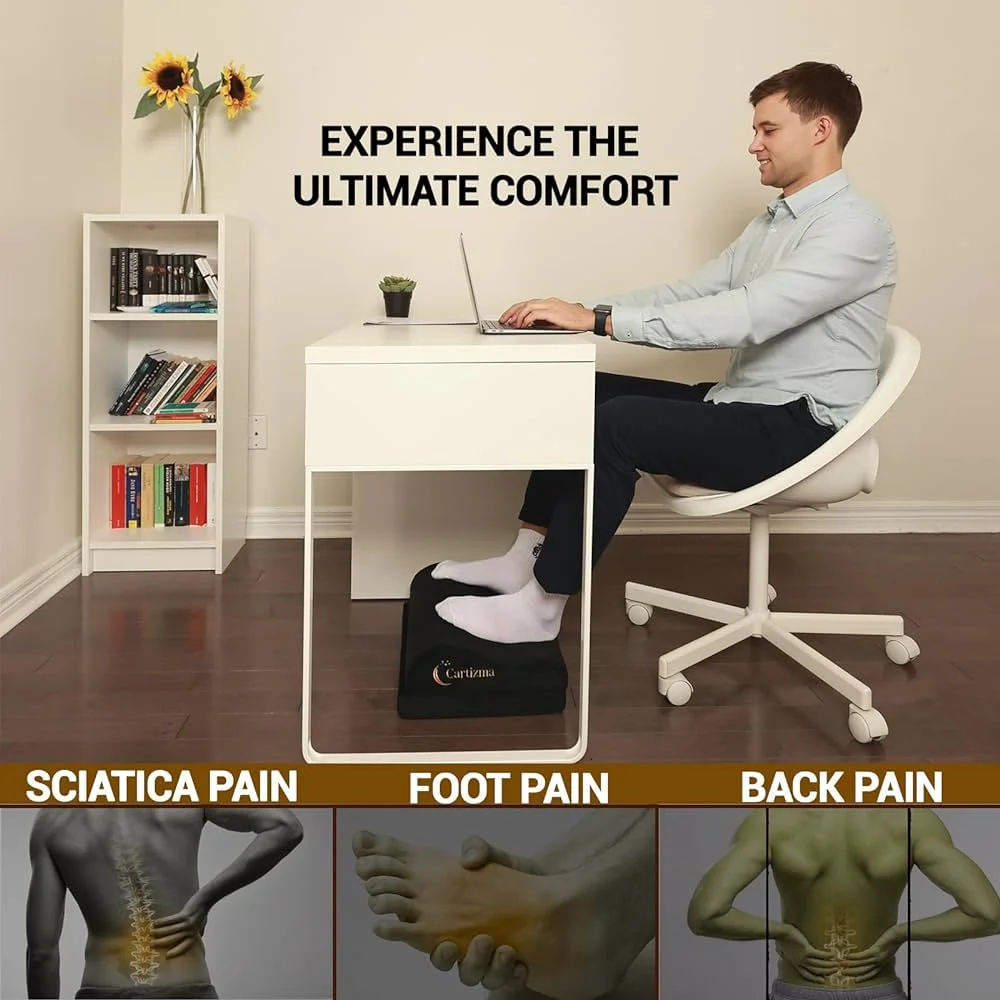
A footrest can help reduce sciatica discomfort while sitting by lifting your feet, easing pressure on the lower back, and supporting better posture. It aligns your hips and knees, which can ease nerve tension. But it is not a cure. Pair it with a good chair, lumbar support, breaks, and movement for best results.
Struggling with sciatica pain while sitting at your desk? You are not alone. Sitting can make nerve pain flare, but small setup tweaks can help. A simple footrest can change how your back and legs line up. With the right posture and tools, you can sit with less strain and more ease. Let’s keep this simple and practical so you can feel better today.
What Is Sciatica (Simple Explanation)
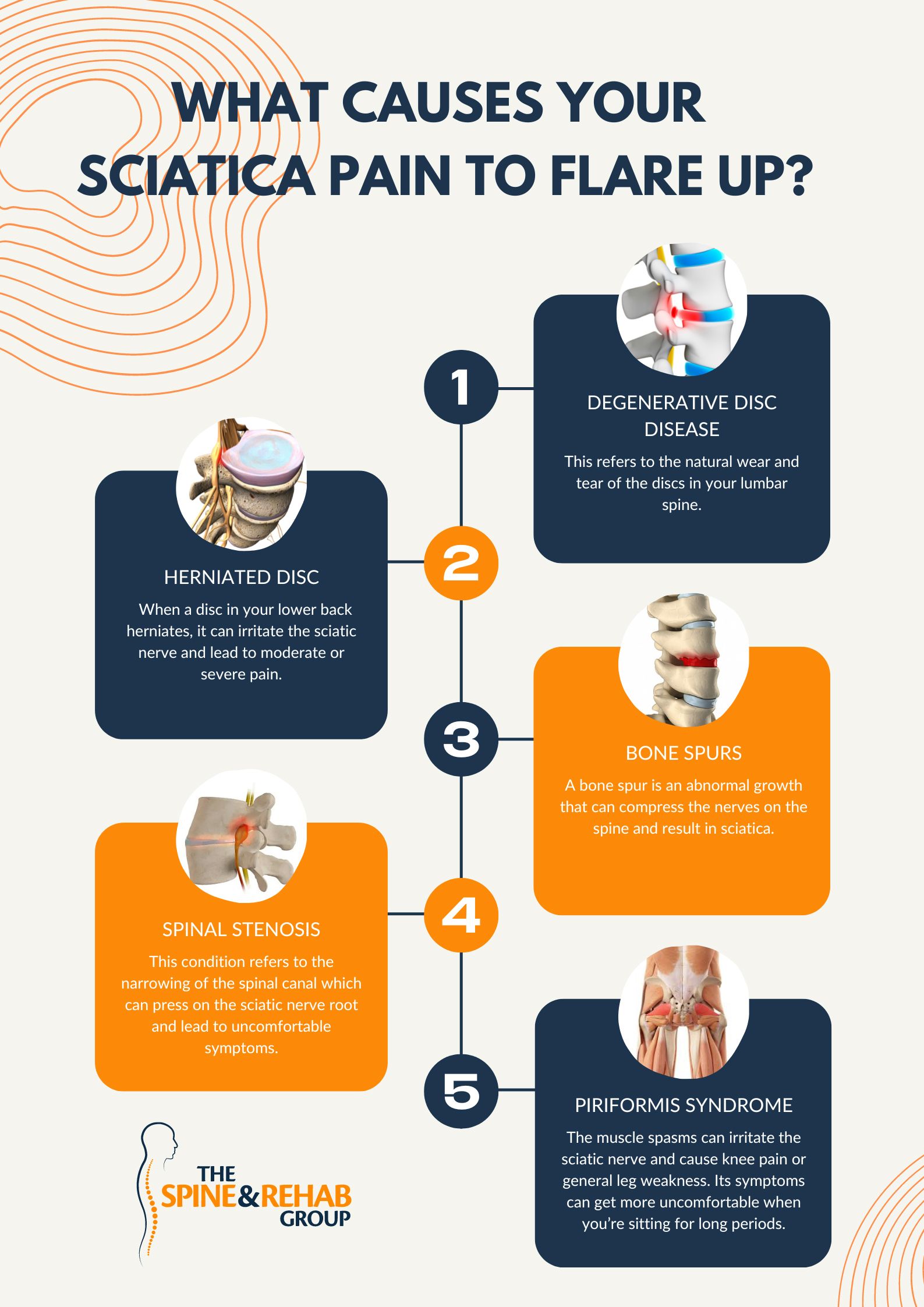
Sciatica happens when the sciatic nerve gets irritated or compressed. This nerve runs from your lower back, through your hips and buttocks, and down each leg. When it’s angry, you may feel sharp pain, tingling, numbness, or weakness. Sitting often makes symptoms worse because it loads the lower back and hips.

Does a Footrest Help Sciatica While Sitting?
Yes—used the right way, a footrest can help. It supports your feet and lifts your knees slightly. That tilt can reduce strain on your lower back and ease nerve tension. It also helps you avoid crossing your legs or slumping, which can make pain worse. Still, a footrest is not magic. It works best with a supportive chair, a neutral spine, and regular breaks.
How a Footrest Can Reduce Sciatica Discomfort
A footrest changes the angles of your hips, knees, and ankles. These angles affect your pelvic tilt and spinal load. Small improvements add up to less pressure on sensitive tissues.

Check On Amazon
- Better leg positioning: Raised feet keep knees level with or a bit higher than hips. This can reduce pull on the lower back and hips.
- Reduced pressure on the lower back: A slight knee lift helps the pelvis sit more neutral. That means less lumbar strain while you work.
- Improved posture: With supported feet, you are less likely to slump or lean. A steady base makes an upright posture easier to hold.
Best Sitting Position for Sciatica Relief
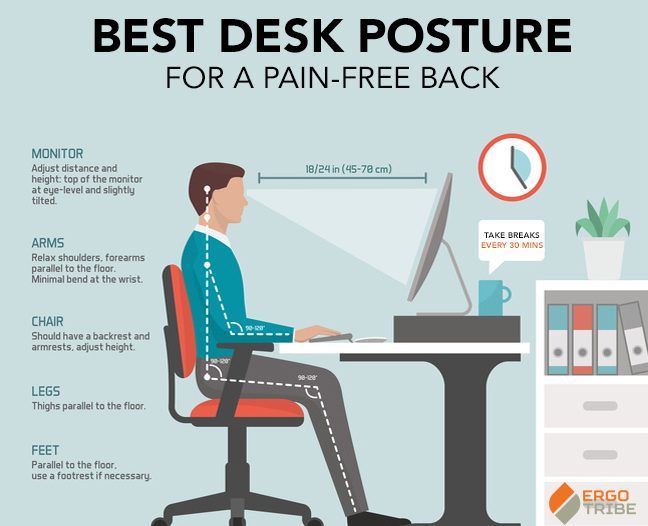
The best sitting position for sciatica keeps your spine neutral and your hips relaxed. Aim to stack your head over your shoulders and your shoulders over your hips. Keep your setup simple and stable so you do not have to fight your chair.
- Knees slightly elevated: Keep knees level with or just above your hips. This can reduce stretch on the sciatic nerve.
- Feet supported: Place both feet flat on a footrest or floor. Avoid crossing legs, which can twist the pelvis.
- Back fully supported: Sit back in the chair. Use a lumbar support to fill the curve in your lower back.
How to Use a Footrest Correctly
A footrest only helps if you set it up well. Think about height, angle, and your chair. Small changes can bring quick relief.

Check On Amazon
- Adjust the height: Start with knees level with or 1–2 inches above your hips. Adjust until your back feels relaxed.
- Keep feet flat: Place both feet flat on the footrest. Avoid perching on toes or rocking on heels.
- Use a slight angle: A small tilt can feel more natural for ankles and reduce calf tension.
- Combine with proper chair setup: Raise or lower your chair so your forearms are level with the desk. Add lumbar support so your lower back is snug and supported.
Other Tips to Relieve Sciatica While Sitting
A footrest is part of the plan, not the whole plan. Movement is key. The more you change positions, the less you load the same tissues.
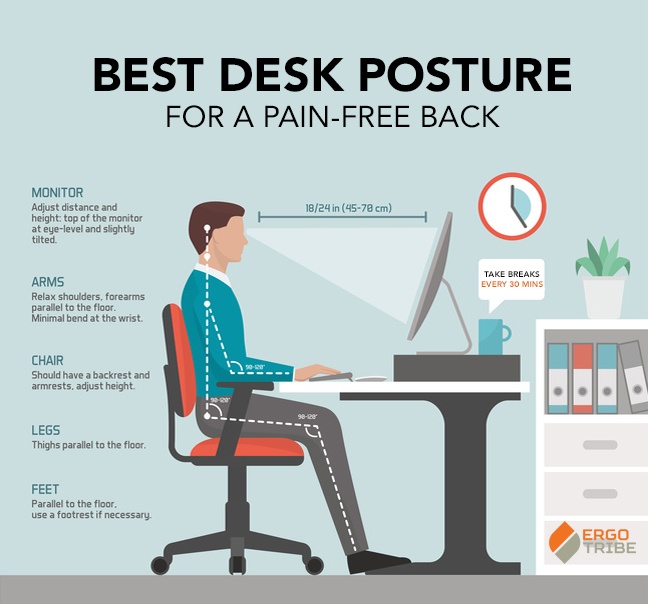
- Take breaks: Stand up at least every 30–45 minutes. Even 1–2 minutes helps.
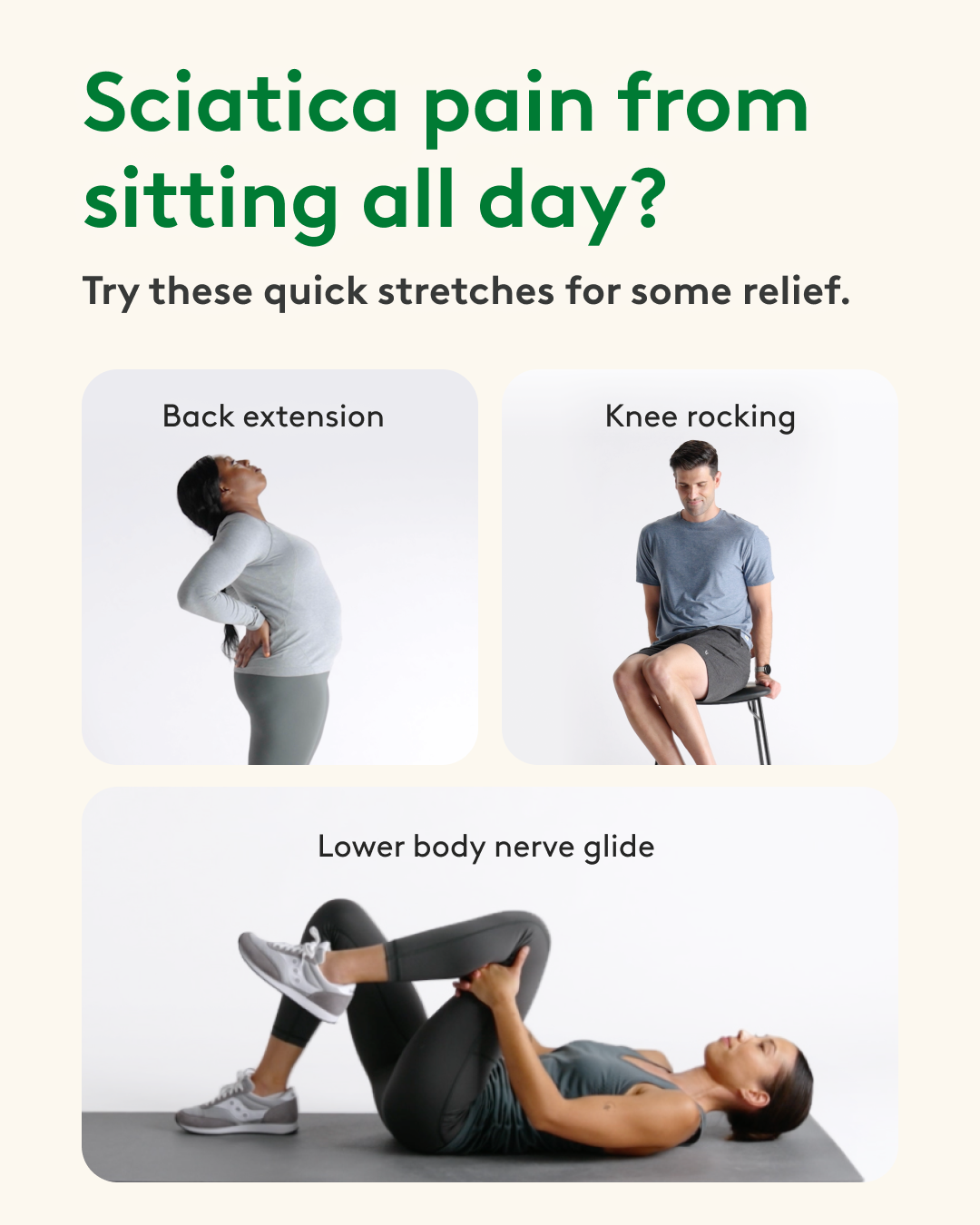
- Stretch gently: Try light hip, hamstring, and glute stretches. Stop if pain shoots or worsens.
- Use heat or cold: A warm pack can relax tight muscles. Cold may calm a fresh flare.
- Shift often: Tilt your pelvis, adjust your feet, and change seat pressure points through the day.
Best Footrests & Cushions for Sciatica (Top Picks)
The right tools can make good posture feel easy. Look for soft, stable support that fits your body and desk height. Below are simple, trusted options to help you sit with less strain.

- Adjustable under-desk footrest: Choose a foam footrest with two heights or a tilting board. Look for non-slip fabric and a curved top that lets ankles relax. Why it helps: It keeps knees slightly raised and feet stable. Good for: Office desks, home setups, shorter legs, or high chairs.
- Memory foam seat cushion (U-shaped): A cutout cushion reduces direct pressure on the tailbone and helps your pelvis find a neutral tilt. Why it helps: It eases pressure points that can trigger back and leg pain. Good for: Firm chairs, car seats, and long sitting days.
- Lumbar support pillow: A contoured lower back cushion fills the space between your spine and the chair. Why it helps: It supports the natural lumbar curve and reduces slumping. Good for: Chairs with flat backs or worn-out cushions.
Note: These items support comfort. They do not treat the cause of sciatica. If pain is severe or lasting, see a healthcare professional.
Common Mistakes to Avoid
A few habits can keep your symptoms going, even with a footrest. Fixing these mistakes often brings quick wins.
- Sitting too long: Long, static sits increase nerve irritation. Move often.
- Poor posture: Slumping, leaning, or perching loads the lower back. Sit back with support.
- Wrong chair height: If the chair is too high or low, hip and knee angles strain your back.
Quick Checklist
Use this rapid checklist to dial in your setup today.
- Are your knees level with or 1–2 inches above your hips?
- Are both feet flat on a footrest or the floor?
- Is your lower back supported with a lumbar cushion or built-in support?
- Are your shoulders relaxed and elbows near 90 degrees?
- Do you stand up every 30–45 minutes?
- Do you avoid crossing your legs?
- Do you keep the screen at eye level to avoid a forward head?
- Do you use gentle stretches and breathing when pain spikes?
FAQs
Q1: Does a footrest help sciatica pain right away?
A footrest can bring fast relief for some people by easing lower back load. For others, it helps only when paired with better chair height and lumbar support. Give it a few days of use and adjust the height. If pain worsens or shoots, stop and speak with a clinician.
Q2: What is the best sitting position for sciatica at a desk?
Sit back in your chair with a supported lower back. Keep feet flat on a footrest or the floor. Aim for knees level with or slightly above your hips. Keep your monitor at eye level. This reduces slumping. Short, frequent breaks help more than a “perfect” posture held too long.
Q3: How to sit with sciatica at a desk if I have a tall chair?
Use a footrest to reach a stable, flat foot position. Adjust the chair so elbows are near 90 degrees. Add a lumbar cushion to support the lower back. If the chair is still too tall, lower the desk or use a keyboard tray so you do not shrug your shoulders.
Conclusion
A footrest can help sciatica while sitting by lifting your feet, easing pressure on your lower back, and aligning your posture. It is not a cure, but it is a smart, low-cost tool. Pair it with a good chair, a lumbar cushion, and short standing breaks. Take control of your setup and improve your sitting comfort today.


