
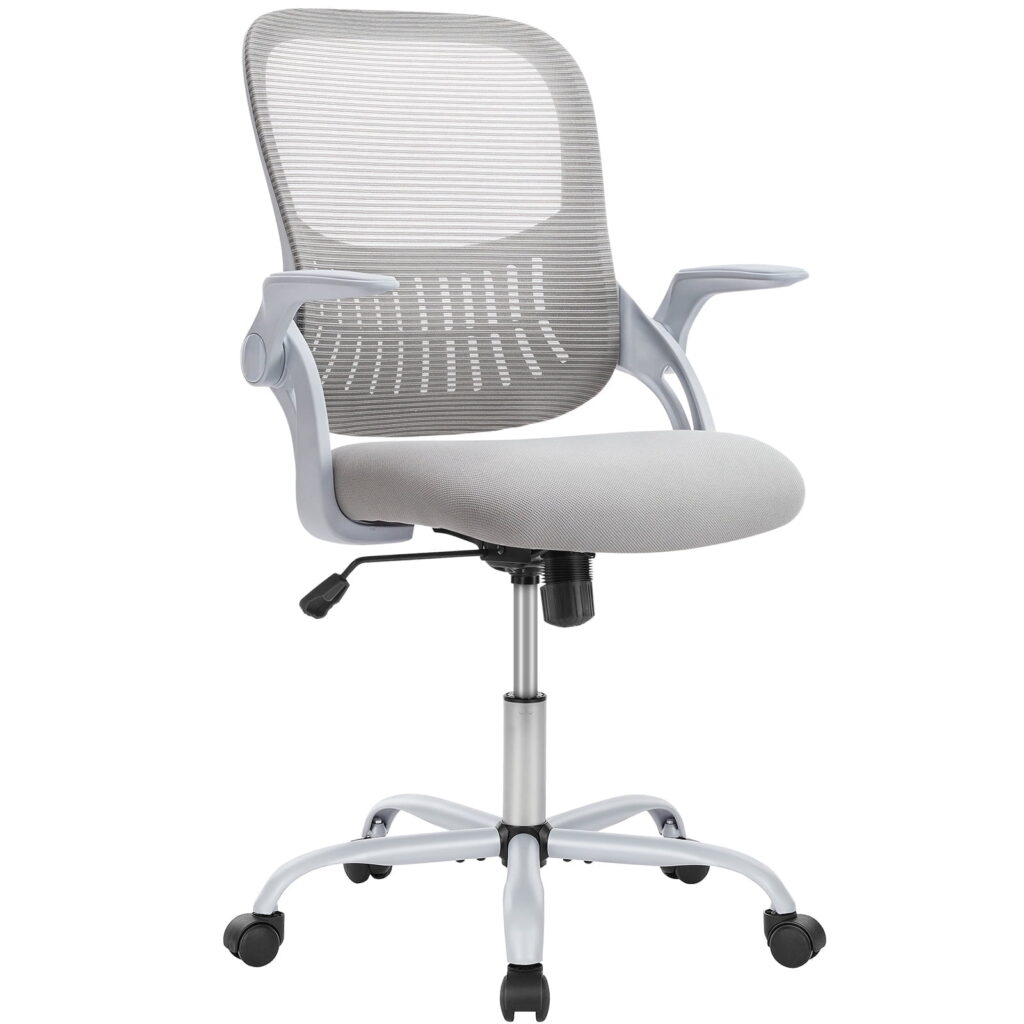
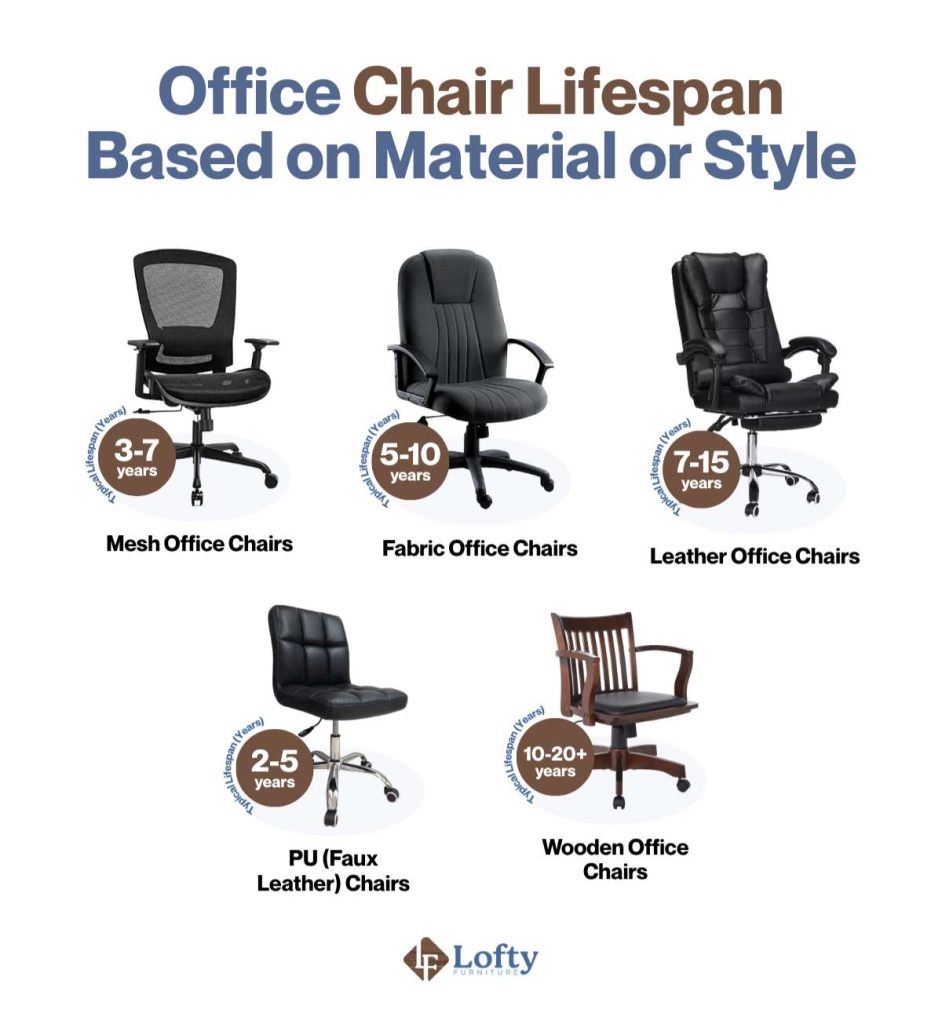
Most mesh office chairs do last long—if you buy the right one. On average, a well-built mesh chair lasts 3–7 years with daily use. Budget models may show sagging or tears after 1–2 years. Premium chairs with strong frames, high-quality elastomeric mesh, and good care can last 5–8 years or more—often backed by long warranties.
Thinking of buying a mesh chair but worried it won’t last? You’re not alone. No one wants to spend money on a chair that sags in a year. The good news: modern mesh chairs can be both comfy and durable. The catch? Not all mesh is equal. The right choice can save you money, back pain, and daily frustration.
Do Mesh Chairs Really Last Long?
Yes—many mesh chairs hold up well for years. The key is quality. Are mesh office chairs durable when made with strong frames, high-tension mesh, and reliable mechanisms? Absolutely. But cheap models with thin fabric and plastic parts often fail fast. If you sit long hours, invest once and avoid the “buy twice” trap.
Average Lifespan of Mesh Chairs
How long do mesh chairs last? It depends on build quality, your weight, and hours of use.
- Budget mesh chairs: 1–2 years before sagging or fraying
- Mid-range mesh chairs: 3–5 years with normal care
- Premium mesh chairs: 5–8+ years, often with multi-year warranties
- Heavy daily use (8–10 hours): expect the lower end of each range
- Light use (2–4 hours): you may push past the upper end
In general, a durable mesh chair lasts as long as a good fabric task chair, and much longer than very cheap foam seats. Mesh also breathes, so you feel cooler—great for long work days.
What Makes a Mesh Chair Durable?
Durability comes from more than the mesh. It’s the whole system working together.
- Mesh quality: Look for high-tension elastomeric mesh (often polyester or TPEE blends) that rebounds after you stand up. Multi-layer or 3D-woven mesh resists sagging better than thin netting. Avoid flimsy, see-through mesh with big gaps and loose weave.
- Frame strength: Steel or reinforced aluminum frames last longer than bare plastic. Pay attention to the seat frame and backrest border, where the most stress happens.
- Mechanisms and base: A strong tilt mechanism, sturdy gas lift, and metal base make a big difference over years of lean-backs and height changes.
- Weight capacity: Choose a chair that comfortably exceeds your weight. Running a chair at its limit shortens its life fast.
- Hours of use: Sitting 8–10 hours daily? You need a commercial-grade chair rated for intensive use. Casual 2–4 hours? Mid-range can be fine.
- Edge support: Good mesh seats have a shaped front edge that spreads pressure and reduces stretching.
- Warranty and parts: Long warranties signal confidence. Easy-to-find parts mean you can fix small issues instead of replacing the chair.

Pros and Cons of Mesh Chairs
Mesh chairs shine in some areas and make trade-offs in others. Here’s a clear view before you buy.
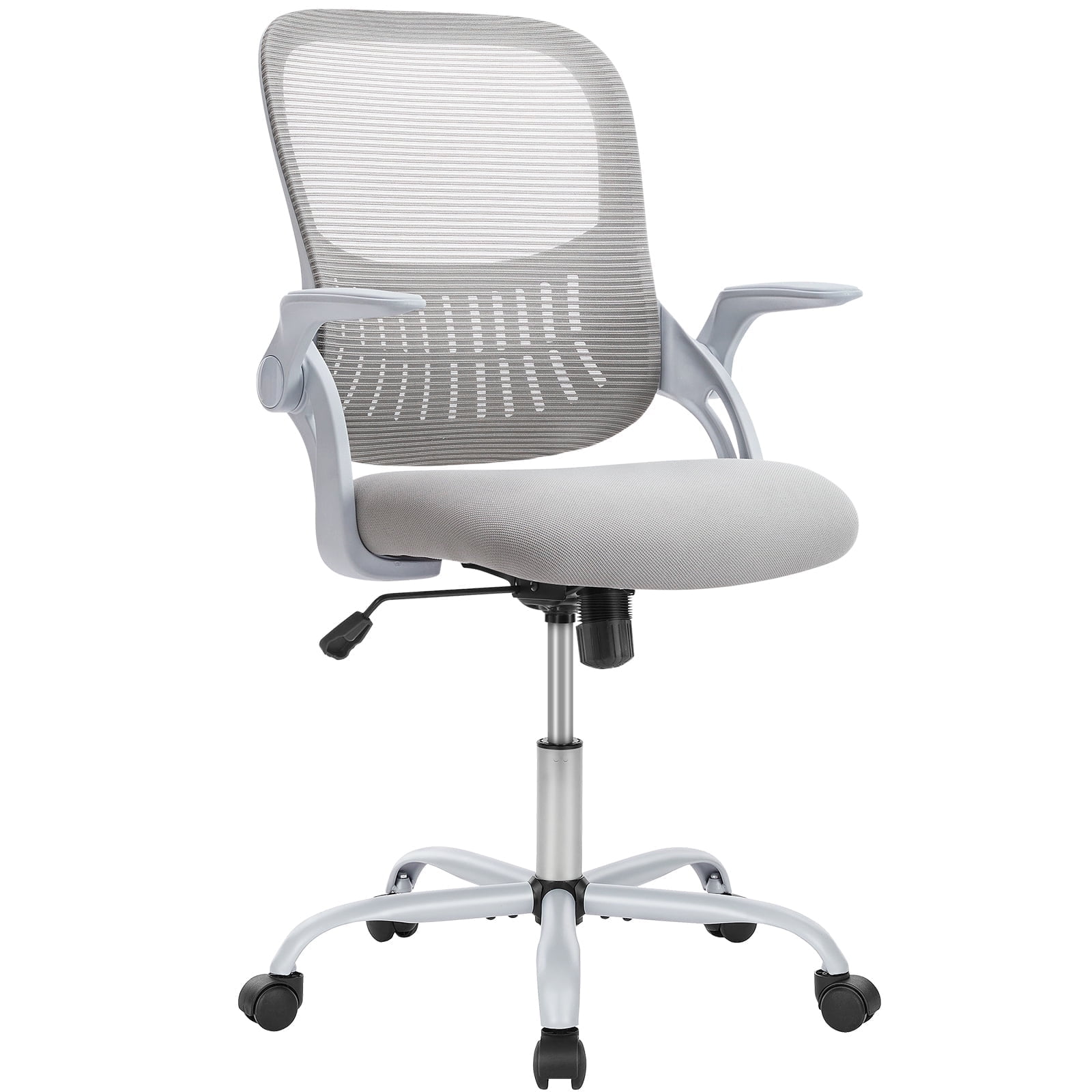
Pros:
- Breathable and cool for long sessions
- Even weight distribution with supportive mesh
- Easy to clean and less prone to odors
- Modern look that fits most workspaces
– Often lighter and easier to move
Cons:
- Cheap mesh can sag, fray, or tear
- Some find mesh seats firmer than foam
- Edge pressure if the seat frame is hard
- Sunlight can weaken low-quality mesh over time
- Poor-quality arms and mechanisms wear out first
Mesh vs Cushion Chair Durability
Both mesh and cushion chairs can last. The difference lies in the materials and how they age.

| Factor | Mesh Chair | Cushion/Foam Chair |
|---|---|---|
| Breathability | Excellent | Fair to Good |
| Long-term shape | Good with quality mesh | Foam can compress over time |
| Wear signs | Sagging, fraying | Flattened foam, fabric pilling |
| Frame reliance | High (mesh tension needs strong frame) | Medium (foam absorbs some stress) |
| Cleaning | Easy | Varies by fabric |
| Typical lifespan | 3–7+ years | 3–7+ years |
| Comfort feel | Firm, supportive | Softer, cushioned |
Signs Your Mesh Chair Is Wearing Out
Catch problems early and you can often fix them.
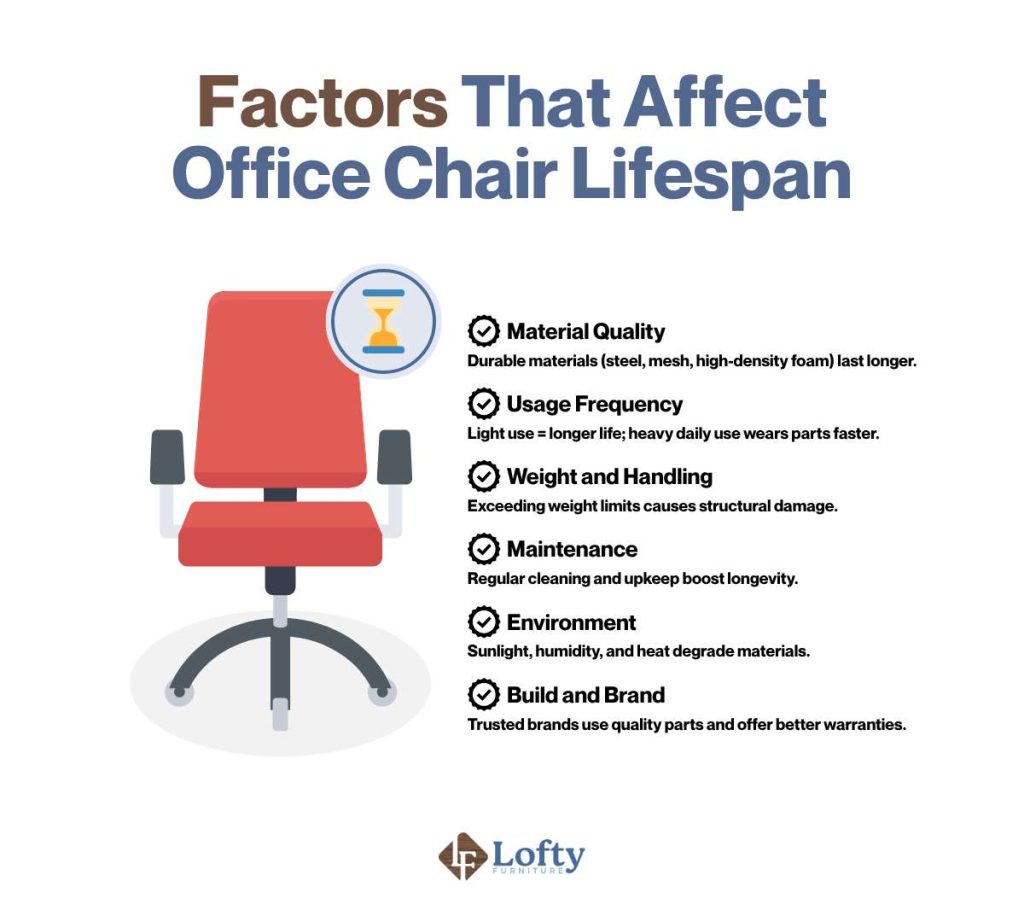
- Visible sagging: Seat or back no longer springs back
- Frays or small tears: Especially along the frame edge
- Squeaks or wobble: Loose bolts or a tired mechanism
- Flattened lumbar feel: Support no longer holds your curve
- Gas lift sag: Chair slowly lowers during the day
- Armrest play: Arms wobble or pads split
How to Make Your Mesh Chair Last Longer
Small habits add years to your mesh chair’s life and boost comfort too.

- Stay within weight limits: Pick a higher capacity if you’re close to the listed max.
- Adjust for you: Set the height, lumbar, and tilt so weight spreads evenly on the mesh.
- Don’t perch on edges: Avoid sitting on the rim or kneeling on the seat—this stretches mesh.
- Rotate your posture: Use recline. Shift often. Micro-movements reduce stress points.
- Clean gently: Vacuum dust. Wipe mesh with mild soap and water. Avoid harsh chemicals.
- Protect from sun: Direct UV can weaken low-grade mesh. Keep it out of windows or use shades.
- Tighten hardware: Check screws, arms, and the base every few months.
- Use a floor mat: Protect casters and base on carpet or rough floors.
- Clothes count: Avoid sharp studs, keys, or pet claws on the seat.
- Service parts: Replace arm pads, casters, or gas lift when they age—cheaper than a new chair.
Best Durable Mesh Chairs (Top Picks)
Below are reliable picks across budgets. They’re known for solid frames, supportive mesh, and dependable warranties. Always confirm the latest specs and warranty terms before buying.
- Herman Miller Aeron (Classic premium pick)
- Why it lasts: High-tension elastomeric mesh, metal frame, industry-leading warranty, and replaceable parts. Built for heavy daily use.
- Best for: All-day sitting, warm rooms, long-term investment.
- Steelcase Series 1 (Strong mid-range value)
- Why it lasts: Proven build quality, supportive back, and robust mechanism in a compact frame. Great warranty for the price.
- Best for: Smaller spaces, 6–8 hours of daily work.
- HON Ignition 2.0 (Reliable office workhorse)
- Why it lasts: Commercial-grade build, adjustable features, and easy part replacements. Great bang for the buck.
- Best for: Teams, home offices, and budget-conscious buyers.
- Branch Ergonomic Chair (Balanced comfort and value)
- Why it lasts: Supportive mesh back, sturdy base, and responsive customer service. Good mix of comfort and durability.
- Best for: Daily home-office use with a modern look.
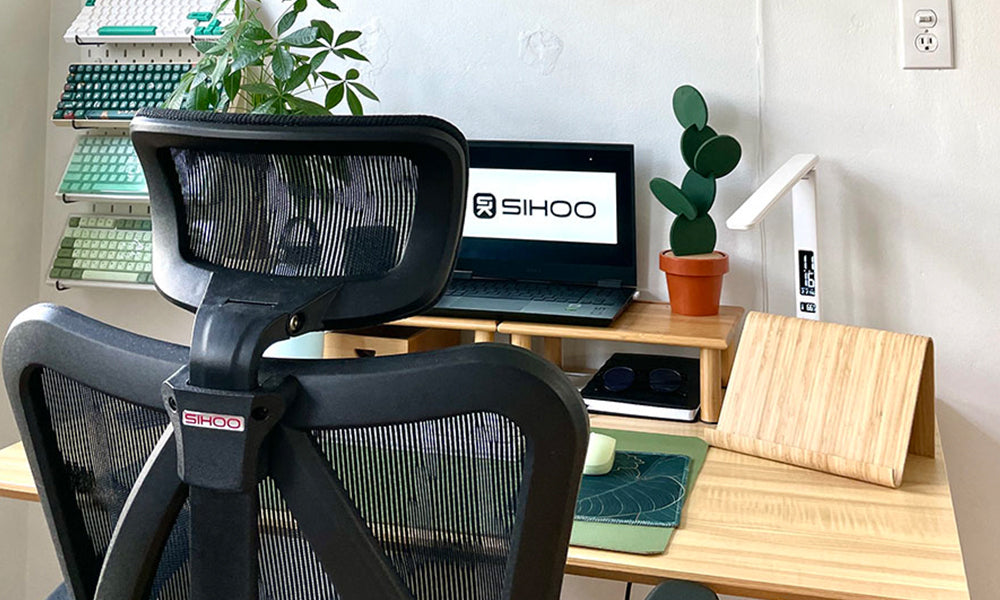
- SIHOO M57 (Budget-friendly with solid support)
- Why it lasts: Surprising adjustability and supportive mesh for the price. Upgrade casters and arm pads for best results.
- Best for: Part-time use or tight budgets.
Comparison table (manufacturer-listed or typical for the category; always verify before purchase):
| Chair | Price Tier | Warranty | Weight Capacity | Mesh Type | Est. Lifespan |
|---|---|---|---|---|---|
| Herman Miller Aeron | Premium | 10–12 years | High | Elastomeric high-tension | 8–10+ years |
| Steelcase Series 1 | Mid-range | 10–12 years | Medium–High | Mesh back/textile seat | 5–8 years |
| HON Ignition 2.0 | Mid-range/Value | Limited lifetime (varies by part) | Medium | Mesh back/fabric seat | 5–7 years |
| Branch Ergonomic | Mid-range | Multi-year (model-dependent) | Medium | Mesh back/fabric seat | 4–6 years |
| SIHOO M57 | Value | Multi-year (model-dependent) | Medium | Mesh back/mesh seat | 3–5 years |
FAQs
Q1: Do mesh seats sag faster than mesh backs?
A: Often, yes. The seat takes more direct pressure. High-quality mesh with a reinforced seat frame resists sagging much better. If you prefer more cushion, consider a mesh back with a padded seat.
Q2: Are mesh office chairs durable for heavy people?
A: They can be. Look for higher weight capacities, metal frames, and premium mesh. A robust tilt mechanism and wider seat help distribute load and extend the mesh chair lifespan.
Q3: How long do mesh chairs last when used 8–10 hours a day?
A: With heavy daily use, expect 3–5 years for mid-range chairs and 5–8+ years for premium models. Good posture, regular cleaning, and tightening hardware can add extra time.
Conclusion
A good mesh chair can be a smart, long-lasting buy. Cheap models may droop fast, but quality mesh, a strong frame, and proper care change everything. If comfort, cool airflow, and value over time matter to you, choose wisely and maintain it. Ready to upgrade? Compare features, check warranties, and see the latest prices before you buy.


