
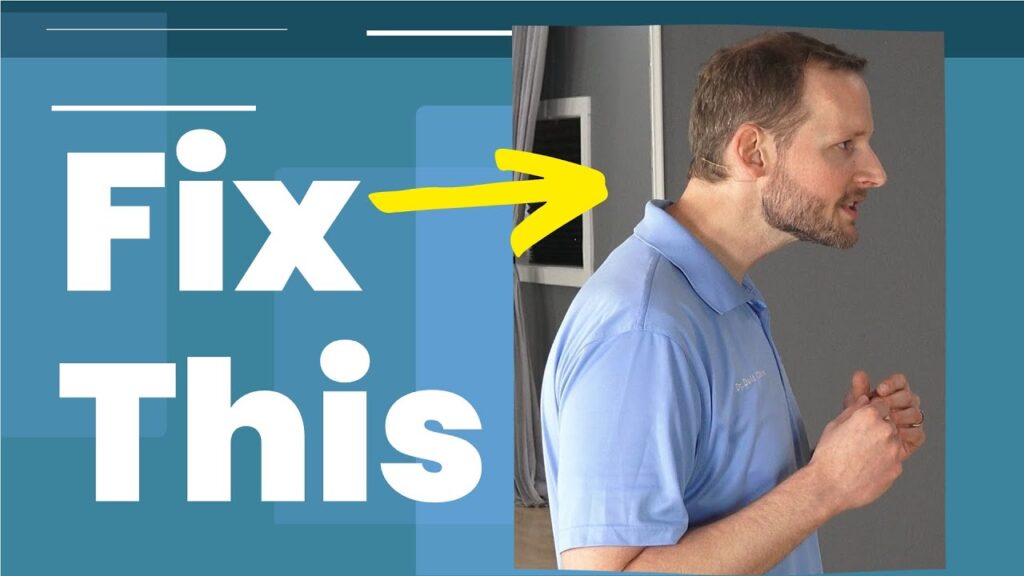
Forward head posture is when your head juts out in front of your shoulders, often from screens and slouching. Fix it by resetting alignment: tuck chin, lengthen spine, and stack ears over shoulders. Do daily exercises (chin tucks, wall angels, thoracic extensions), adjust your desk (eye-level monitor, lumbar support), and take movement breaks every 30–60 minutes to reduce neck strain.
We sit more than ever. Laptops, phones, and long desk hours pull our heads forward. Over time, the neck gets stiff, the upper back rounds, and the chest gets tight. This “text neck” can cause pain, headaches, and even numb fingers. The good news: you can change it. With simple daily steps, the right exercises, and a smarter desk setup, you can build a taller, pain-free posture that lasts.
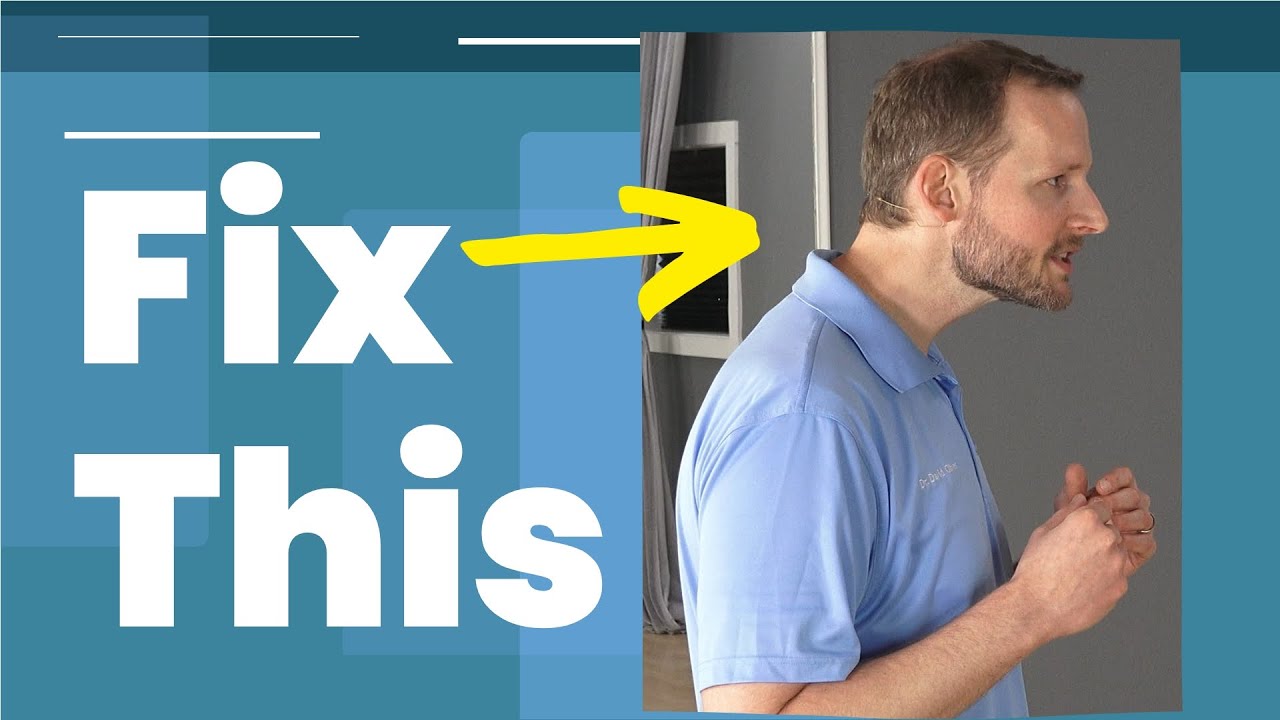
What Is Forward Head Posture (Straight Neck)?
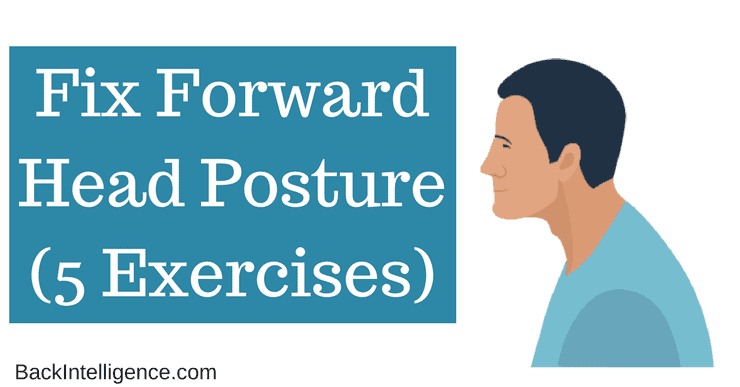
Forward head posture is when your head sits in front of your shoulders. Picture your ears no longer lining up over your shoulder joints. The neck often loses its natural curve, which people call a “straight neck.” Muscles in the front of the neck get weak, and the back of the neck works too hard. This can lead to pain and poor movement.
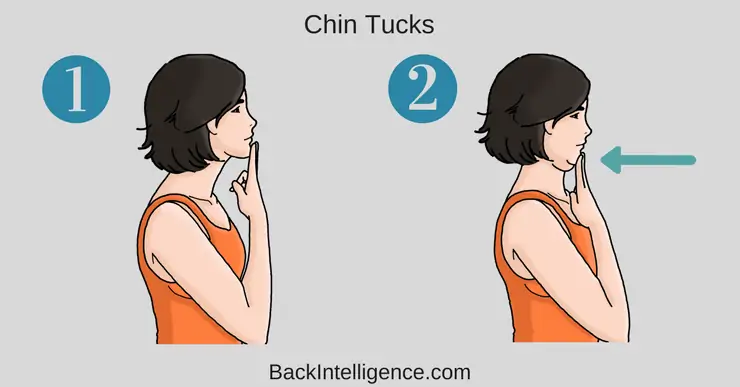
Signs you might have it:
- Your chin pokes forward when you work or text.
- You feel tightness at the base of your skull.
- Your upper back rounds, and your shoulders roll inward.
- You get frequent tension headaches or shoulder aches.
What Causes Forward Head Posture?
Two big culprits are screens and slouching. Phone use pulls your gaze down. Desk work makes you lean toward the monitor. When this happens for hours, day after day, your body adapts to the new shape. Weak deep neck flexors and tight chest muscles lock the posture in.

Common triggers:
- Phone use with your head down for long periods.
- Poor sitting posture with a rounded upper back.
- Long desk hours without breaks or movement.
- Low or off-center monitors that make you crane your neck.
- Weak deep neck flexors and mid-back muscles.
- Tight chest and front shoulder muscles.
- Mouth breathing and jaw clenching from stress.
- Side sleeping with too-high or too-low pillows.
- Carrying heavy bags on one shoulder.
Forward Head Posture Fix (Step-by-Step)
You can reshape your posture with small, repeatable steps. Think of this as a daily reset. You will build awareness, add strength, and remove roadblocks. Do these steps in order each day. It takes minutes, and the results add up fast. forward head posture correction steps.

- Reset your alignment (1 minute)
- Stand tall. Unlock your knees.
- Tuck your chin slightly, as if making a “double chin.”
- Lift the crown of your head to the ceiling.
- Gently draw shoulder blades down and back. Stay relaxed.
- Breathe and set your tongue
- Breathe through your nose when you can.
- Rest your tongue on the roof of your mouth.
- Slow, deep breaths expand your ribs. This calms neck tension.
- Micro-break rule: 30–60 minutes
- Every 30–60 minutes, stand up.
- Do 3–5 chin tucks and 3 shoulder rolls.
- Walk for one minute or stretch your chest. Reset and sit again.
- Strengthen what’s weak
- Train deep neck flexors with chin tucks.
- Build mid-back strength with rows or band pull-aparts.
- Aim for 5–10 minutes of posture work daily.
- Open what’s tight
- Stretch chest and front shoulders.
- Mobilize the upper back with a foam roller or towel.
- Do gentle neck stretches when stiff (never force it).
- Fix your desk
- Eyes level with the top third of the screen.
- Chair supports your low back. Hips slightly above knees.
- Keyboard close. Elbows about 90 degrees.
- Mouse near your side. No reaching.
- Dial in your phone habits
- Bring the phone up toward eye level.
- Use voice notes or a stand when you can.
- Limit doom-scrolling. Batch screen time.
- Sleep smart
- Side sleepers: pillow fills the space between ear and shoulder.
- Back sleepers: slim pillow supports the neck curve.
- Avoid sleeping on your stomach.
- Carry better
- Use a backpack with two straps.
- Keep loads light and close to your body.
- Track progress
- Take weekly side-view photos.
- Notice less pain, easier breathing, and fewer headaches.
- Expect visible change in 6–12 weeks with steady work.
Best Neck Posture Exercises at Home
You do not need a gym to start. These neck posture exercises at home will strengthen weak areas and ease tight spots. Move slow. Stay gentle. No sharp pain. Breathe during each move. Do this routine at least 4 days a week. Most moves take 1–2 minutes each.
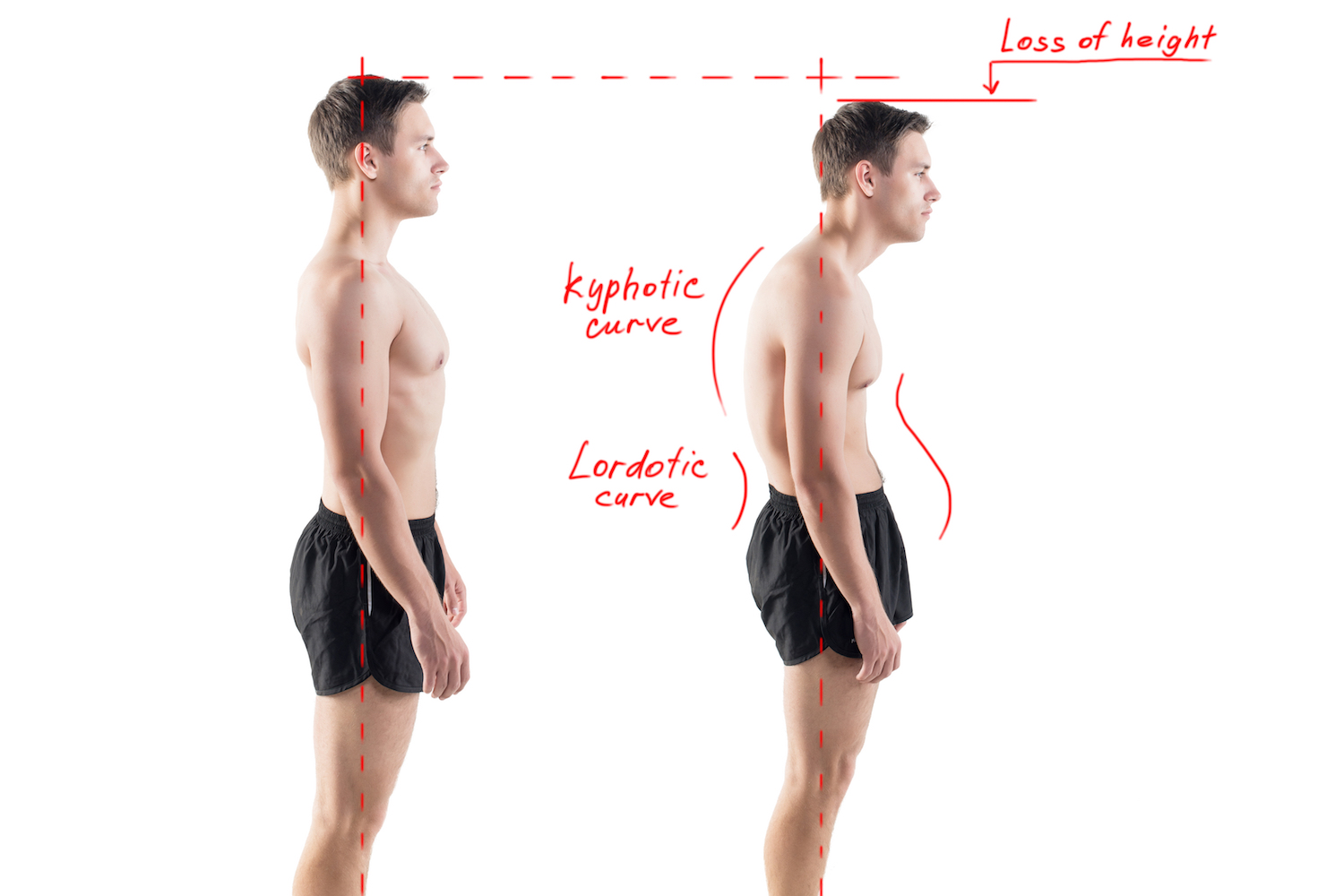
- Chin tucks (deep neck flexors)
- How: Sit or stand tall. Look forward. Gently slide your chin straight back, like making a small double chin. Do not tilt your head up or down. Hold 3 seconds. Relax.
- Reps: 10–12 reps, 2–3 sets.
- Tip: Imagine your ears moving back over your shoulders.
- Wall angels (posture reset)
- How: Stand with back, head, and hips against a wall. Feet 6–8 inches forward. Tuck chin softly. Place arms in a “goal post” on the wall. Slide arms up and down. Keep ribs down and neck long.
- Reps: 8–10 slow reps, 2 sets.
- Tip: If your wrists or elbows lift off, lower your arms. Stay in your pain-free range.
- Thoracic extensions over a towel or roller
- How: Place a foam roller or rolled towel across your upper back. Hands support your head. Lean back over the roller as you exhale. Return to start. Move the roller up or down a few inches.
- Reps: 6–8 extensions, pause for 2–3 breaths at stiff spots.
- Tip: Keep your neck relaxed. The bend comes from your upper back.
- Band pull-aparts or rows (mid-back strength)
- How: Hold a light band with straight arms at shoulder height. Pull the band apart by squeezing shoulder blades together and down. Return slow. Or use a band row: anchor the band, pull elbows back.
- Reps: 12–15 reps, 2–3 sets.
- Tip: Keep ribs down and neck long. Do not shrug.
- Doorway chest stretch (open chest)
- How: Stand in a doorway. Place forearms on the frame at shoulder height. Step through until you feel a gentle stretch in your chest. Keep chin tucked and ribs down. Breathe.
- Hold: 20–30 seconds, 2–3 rounds.
- Tip: Vary arm height to find tight angles.
Progression plan:
- Week 1–2: Do each move once per day, low reps, slow pace.
- Week 3–4: Add a second set to chin tucks, rows, and pull-aparts.
- Week 5+: Add time under stretch and add a third set to strength moves.
How to Correct Neck Posture at a Desk
Your desk can help you or fight you. Set it up so your body can relax in good alignment. Small tweaks make a big difference. Here is a simple checklist for how to correct neck posture at a desk.
- Monitor height: Top of the screen at or slightly below eye level. Eyes hit the top third of the display.
- Monitor distance: About an arm’s length away. If you lean in, increase text size or move the screen closer.
- Centering: Keep the screen straight in front of you. No twisting to one side.
- Dual screens: Place the main screen in front. If you use both equally, center them and sit back a bit.
- Laptop users: Use a laptop stand or stacked books to raise the screen. Add an external keyboard and mouse.
- Chair setup: Hips slightly higher than knees. Use lumbar support to keep a small curve in your lower back.
- Arm position: Elbows near 90 degrees. Forearms level with the desk. Shoulders relaxed, not shrugged.
- Keyboard and mouse: Keep them close. Wrists straight. Do not reach forward or out to the side.
- Feet: Flat on the floor or on a footrest. Avoid tucking feet under the chair.
- Standing desk posture: Alternate sitting and standing. Change every 30–60 minutes. Keep the same monitor and elbow rules.
- Lighting and glare: Reduce squinting and leaning. Adjust brightness and font size for comfort.
- Breaks: Use a timer. Stand, stretch, or walk for one minute. Reset posture before sitting again.
Forward Head Posture Exercises
Common Mistakes That Make Neck Posture Worse
Fixing head posture is about what you do and what you avoid. Watch for these traps. Each one seems small, but they add up over time.

- Looking down at your phone for long periods
- Solution: Bring it to eye level. Use voice notes or a stand.
- Cranking your neck during stretches
- Solution: Gentle tension only. Move from your mid-back, not your neck alone.
- High pillows that push the head forward
- Solution: Pick a pillow that keeps your neck in line with your spine.
- Shrugging during “posture” work
- Solution: Keep shoulders down and back. Think long neck, soft jaw.
- Sitting still for hours
- Solution: Move often. Reset every 30–60 minutes. A little motion saves your neck.
FAQs
How long does it take to fix forward head posture?
Most people feel better in 2–4 weeks if they do daily resets and exercises. Visible change often shows in 6–12 weeks. The timeline depends on your habits, job demands, and how steady you are with your plan.
Can I reverse straight neck posture (loss of curve) without surgery?
Often, yes. You can improve alignment, reduce pain, and restore function with strength, mobility, and a smart desk setup. The neck curve may not look perfect on X-ray, but symptoms and movement usually improve a lot.
Is it safe to do neck posture exercises every day?
Yes, if you use low effort and slow, pain-free ranges. Chin tucks, gentle thoracic mobility, and band work are safe daily. If you feel sharp pain, numbness, or dizziness, stop and check with a clinician.
Conclusion
Correct head posture builds up from daily habits, so the fix must live in your daily routine. Use short, steady steps: align, move, strengthen, and set up your desk. Add simple exercises and smart phone use. Check in each week. In a few months, you will stand taller, breathe easier, and feel real relief that lasts.


