
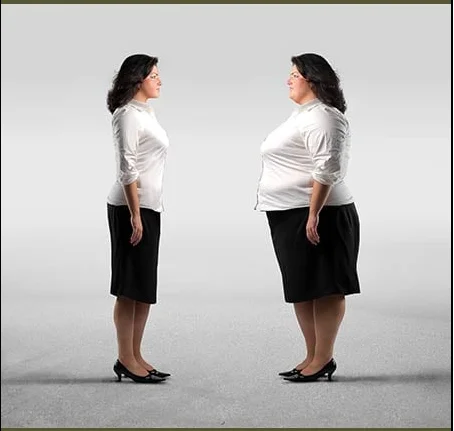
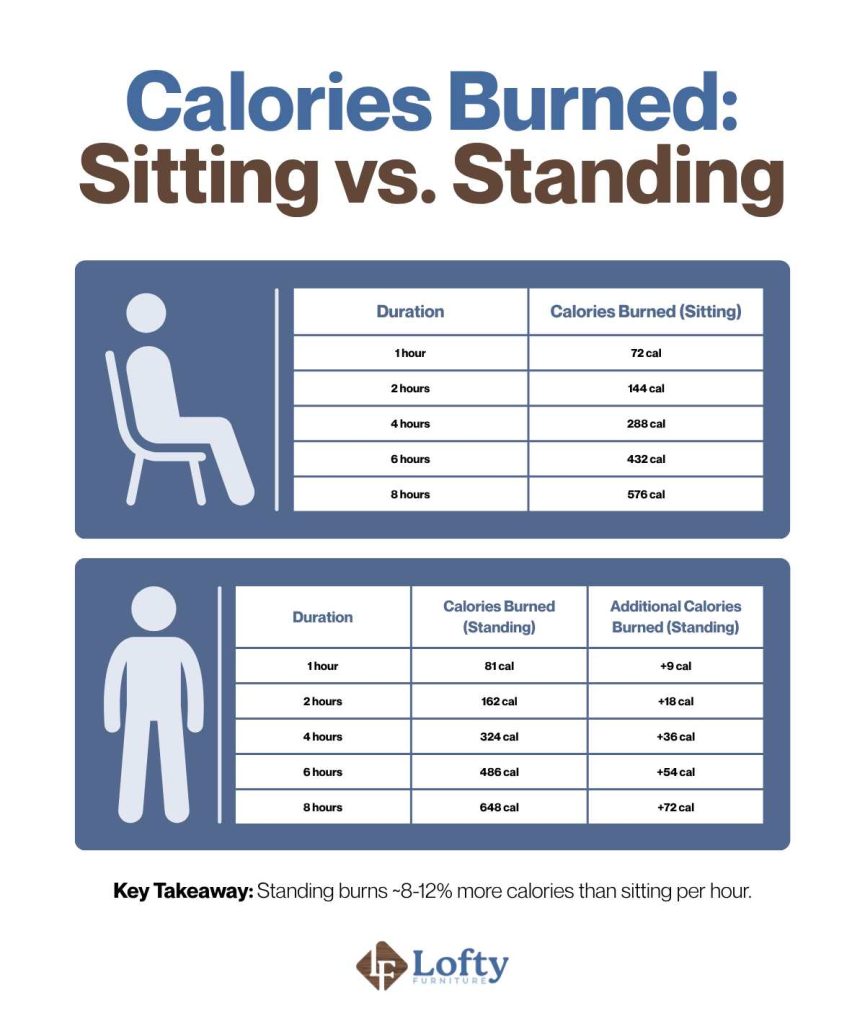
On average, sitting burns about 60–100 calories per hour, while standing burns about 70–120. For a 70 kg (154 lb) adult, that’s roughly 95 calories per hour when sitting versus about 110 when standing—a gain of 10–15 calories per hour. Over a full workday, that adds up to roughly 50–90 extra calories.
Introduction
We sit a lot. Many of us work at desks, spend time on screens, and commute by car. So the question comes up: does standing instead of sitting really burn more calories? The short answer is yes, but the difference is smaller than most people think. Still, small gains can add up. Let’s break down the real numbers, the health perks, and simple ways to move more at work.
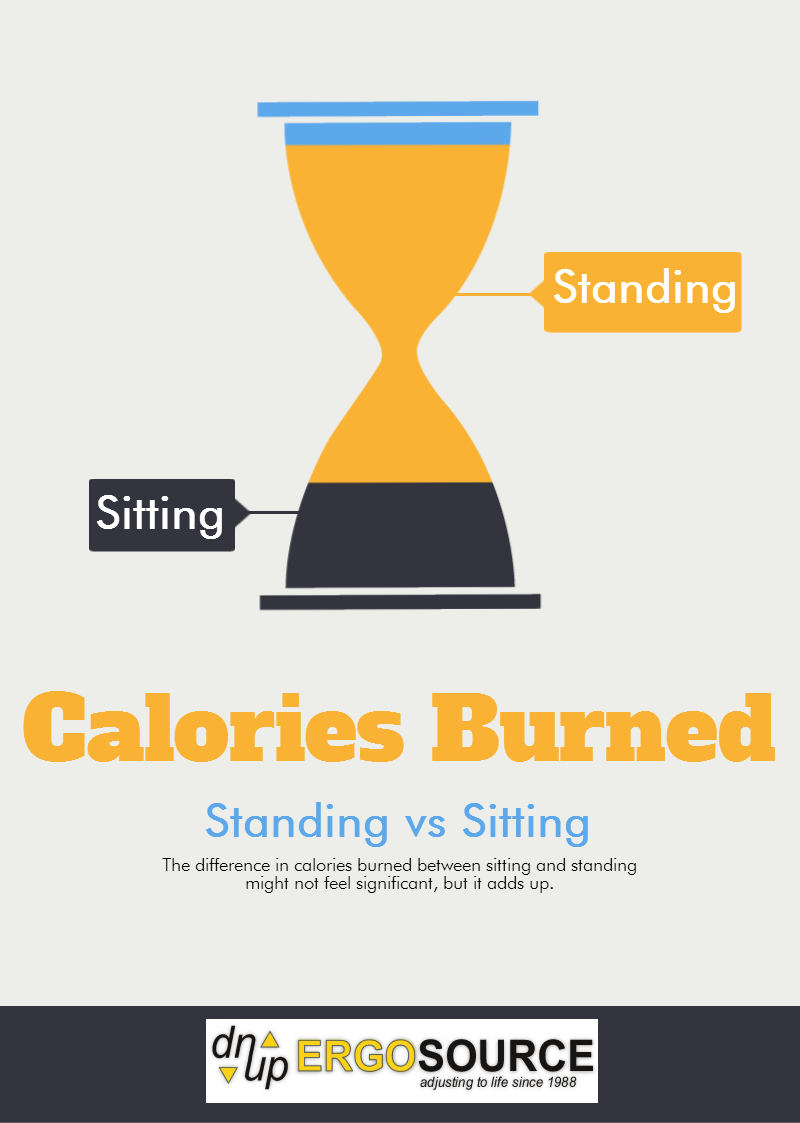
Calories Burned Standing vs Sitting (Quick Comparison)
The numbers below use a typical adult weight of 70 kg (154 lb). They show average calories burned per hour during light desk work (sitting) and quiet standing. Your actual burn depends on your body size and how much you shift or fidget.
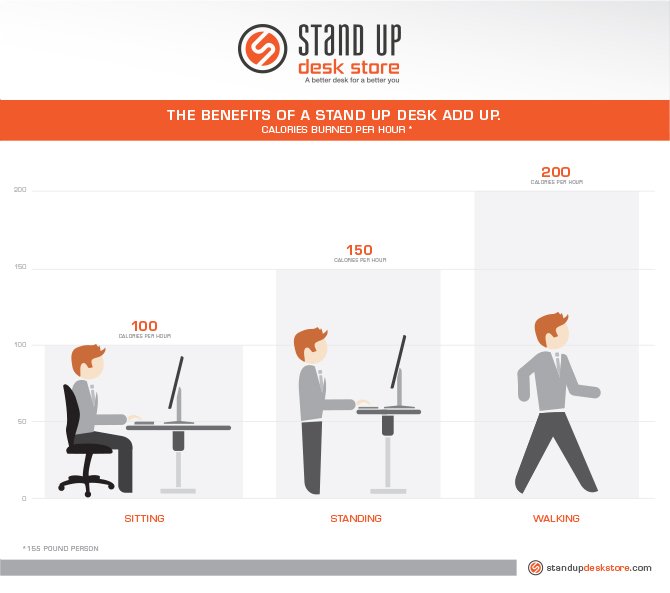
| Activity | Calories per hour (70 kg / 154 lb) | What it means |
|---|---|---|
| Sitting (desk work) | ~95 kcal/h | Baseline while typing, reading, or calls |
| Standing (quiet) | ~110 kcal/h | Slightly higher due to muscle activation |
| Extra from standing | ~10–15 kcal/h | Adds up slowly over time |
Tip: Moving while standing (like light pacing or shifting) can push that number a bit higher.
Does Standing Really Burn More Calories?
Yes, but here’s why the change is modest. Sitting uses very little muscle. Your body is at rest. When you stand, your postural muscles work to keep you upright. Your legs and core stay “on” to balance you. This extra muscle work needs a bit more energy, so you burn more calories.
Think of it like idling a car. Sitting is a low idle. Standing is a slightly higher idle. The engine is on in both cases, but standing uses a touch more fuel. That’s why the gap is only about 10–15 calories per hour for many people. Add small movements—like shifting your weight or stretching—and you increase burn a little more.
Scientists often use METs (metabolic equivalents) to estimate energy use:
- Sitting desk work is about 1.3 METs.
- Quiet standing is about 1.5 METs.
That 0.2 MET bump is the small edge standing has over sitting. It’s real, but it’s not huge.
Calories Burned Per Hour Based on Body Weight
Heavier bodies burn more calories at rest and during light activity. Here’s how sitting vs standing looks at three common weights, using the same MET method as above. Numbers are rounded for clarity.
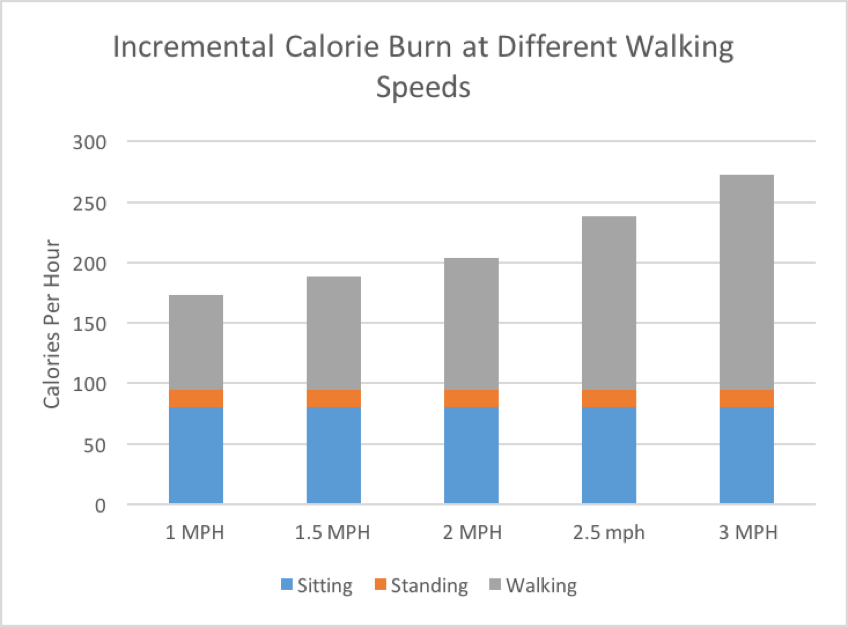
| Body weight | Sitting (1.3 MET) | Standing (1.5 MET) | Extra from standing |
|---|---|---|---|
| 60 kg (132 lb) | ~82 kcal/h | ~95 kcal/h | ~13 kcal/h |
| 70 kg (154 lb) | ~95 kcal/h | ~110 kcal/h | ~15 kcal/h |
| 80 kg (176 lb) | ~109 kcal/h | ~126 kcal/h | ~17 kcal/h |
What this means:
- A smaller person may gain about 10–13 extra calories per hour by standing.
- A larger person may gain about 15–18 per hour.
- Over a full day, small numbers can add up, but they’re still modest.
Standing vs Sitting for Weight Loss
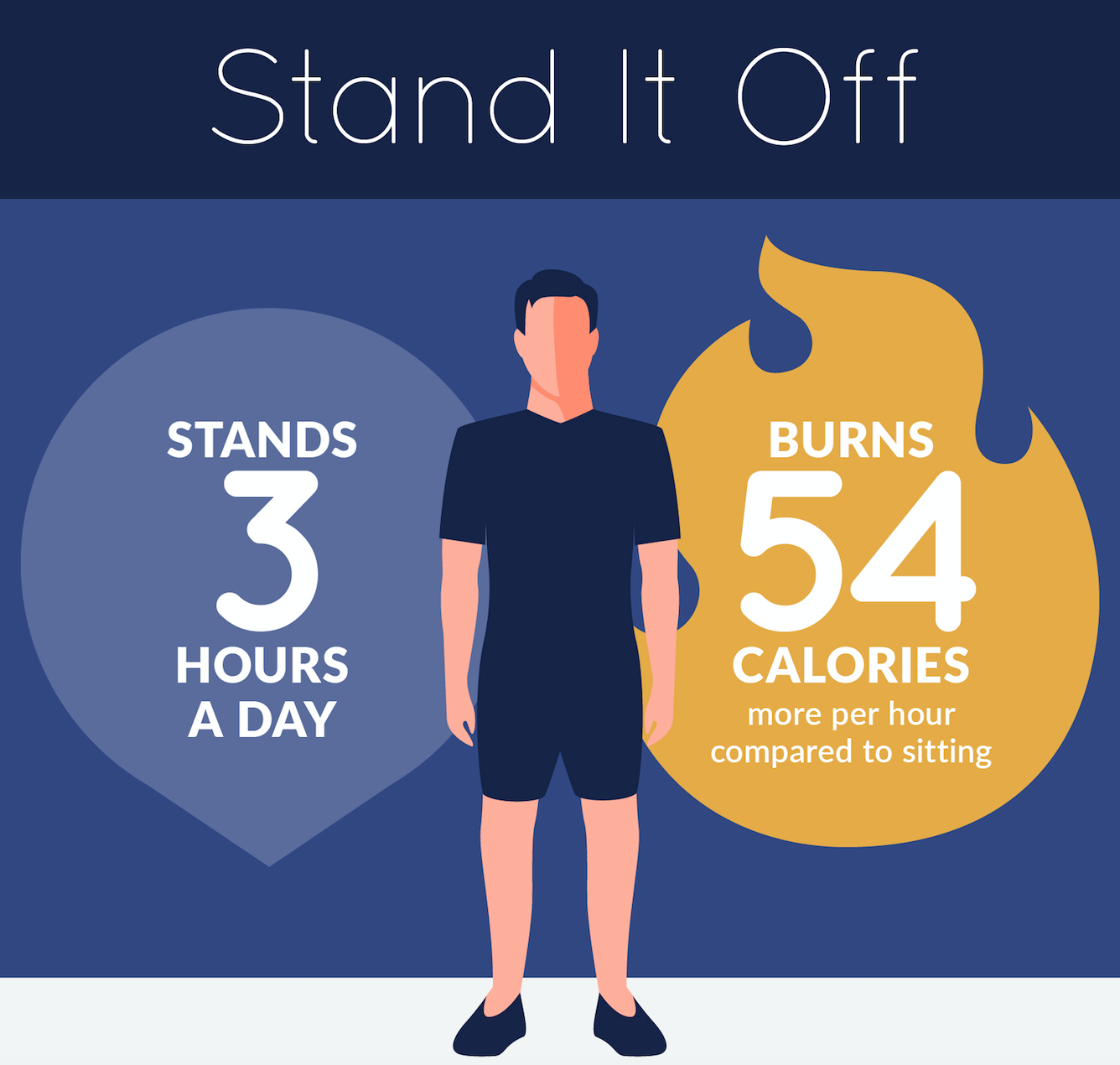
Standing helps, but it is not a weight-loss hack on its own. If you stand for six hours, you might burn an extra 60–100 calories compared with sitting. That’s helpful, but it’s about the same as a small snack or a quick 10-minute walk.
Realistic expectations:
- Use standing as a nudge, not the main plan.
- Pair it with short walks, light exercises, and a balanced diet.
- Mix sitting and standing to feel better and move more, without strain.
Over a year, small daily gains matter. An extra 60 calories per workday can add up to about 15,000–18,000 calories. That’s roughly 4–5 pounds of body fat—if nothing else changes. But real life includes appetite and movement changes. Many people eat a little more or move a little less later in the day. So consider standing as part of a bigger, steady routine.
Health Benefits Beyond Calories
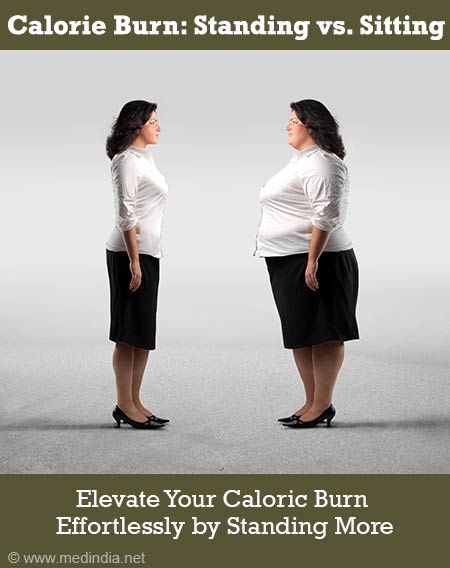
The calorie gap is modest. Still, standing and moving more can improve how you feel day to day. The benefits often show up in comfort and energy, not just on the scale.
Key perks:
- Better posture: Standing encourages a neutral spine and engages your core and glutes. With practice, you slouch less.
- Improved circulation: Standing and small movements help blood flow. This can cut leg stiffness and swelling.
- Less back and neck pain: Changing positions reduces pressure on your lower back and neck. Many people feel less sore by alternating sit and stand.
- More alertness: Light movement can fight the afternoon slump. Many people feel more focused when they switch positions.
- Joint relief: Gentle standing and micro-movements can ease stiff hips and knees after long sitting bouts.
These wins don’t show up on a calorie chart. But they matter. Comfort and energy help you stay active the rest of the day.
How to Burn More Calories While Working at a Desk
If you want to raise your burn without breaking a sweat, stack small habits. Each one is tiny. Together, they add up.
Try these:
- Use a sit–stand cycle: Stand for 20–30 minutes each hour. Sit when you need to. Keep it balanced.
- Take movement breaks: Every 30–60 minutes, walk for 2–3 minutes or do 20–30 calf raises.
- Walk your calls: Pace during phone calls or use a headset. Even slow steps count.
- Add micro-moves: Shift your weight, roll your shoulders, and bend your knees now and then.
- Sneak in steps: Refill a small water bottle often. Visit a farther restroom or printer.
- Light desk exercises: Use a mini resistance band for quick pulls. Try 1–2 sets, a few times a day.
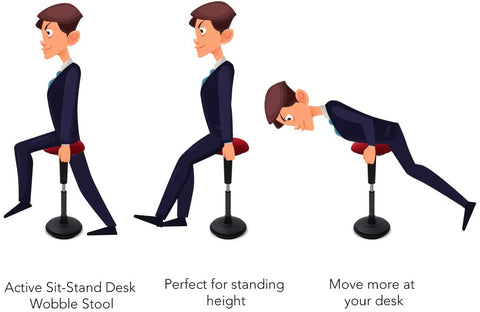
- Try active tools: An under-desk cycle or balance board adds gentle motion. Go easy at first.
- Stand to read: Review long emails or documents on your feet to make standing time natural.
These tricks keep your engine running a bit higher without draining your focus.
Common Mistakes When Using a Standing Desk
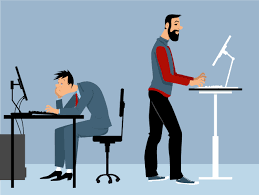
A standing desk can help, but it’s easy to overdo or set it up wrong. Avoid these common errors so you feel good and keep moving.
- Standing all day: This can cause sore feet, knees, or a tight back. Alternate sitting and standing.
- Poor desk height: If the desk is too high or low, your shoulders and wrists strain. Aim for elbows at 90 degrees. Keep the screen at eye level.
- Locked knees: Softly bend your knees. Locking them stalls blood flow and tires your legs.
- No supportive shoes or mat: Hard floors strain your feet. Use supportive shoes or an anti-fatigue mat.
- Standing still: Fidget, shift, or take short walks. Static standing isn’t the goal—gentle movement is.
Adjust slowly. Start with 15–20 minutes of standing and build up as you feel better.
FAQs
Q: How long should I stand each day at a desk?
A: Aim for 2–4 hours total, spread across the day. Try 20–30 minutes of standing each hour. Adjust based on comfort and your job tasks.
Q: Is standing all day bad?
A: Yes, it can be. Long, static standing may cause foot pain, varicose veins, or back strain. Switch often, move, and wear supportive shoes.
Q: Do balance boards or under-desk cycles help?
A: They can add gentle movement and a few more calories. Start with short sessions and keep posture in check. Comfort and focus come first.
Conclusion
Standing burns a bit more than sitting—about 10–15 extra calories per hour for many people. That’s small in the short term, but it can add up. The bigger benefits come from comfort, posture, and steady movement. Use a sit–stand rhythm, take short walks, and stack simple habits. Small steps, done often, make a real difference.


Really enjoyed this post. Thanks for sharing such helpful info. If you want a science‑based breakfast tool, this one has been super helpful for me: