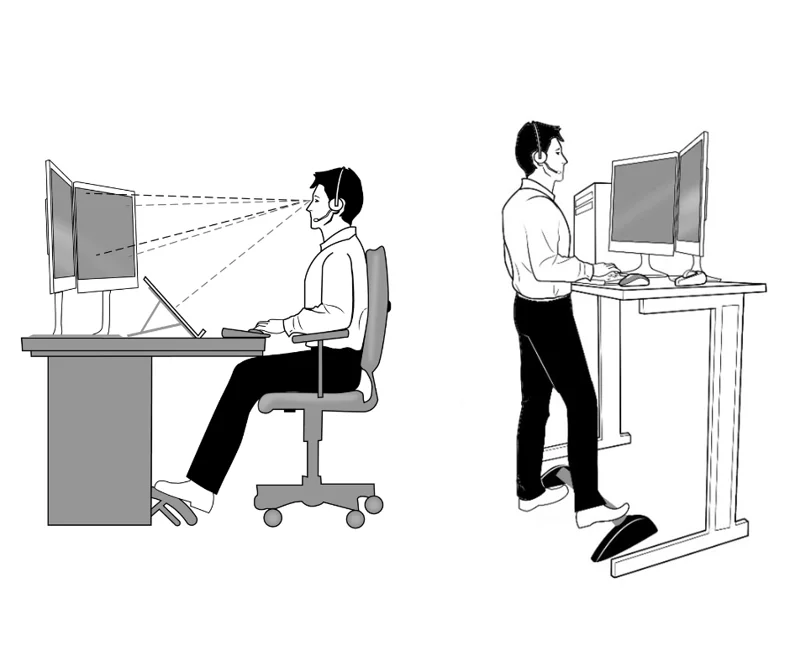
Pain from sitting often starts at your feet. Can Incorrect Footrest Height Cause Pain? Yes, incorrect footrest height can cause pain in your back, knees, and legs. When your feet are not supported at the right level, your posture shifts. Your pelvis tilts. Your spine slumps. Pressure builds behind your knees and along your calves. Small changes at the footrest ripple up your body. The good news is that a proper footrest height is simple to set. It can cut strain fast and help you sit with ease.
What Is the Correct Footrest Height for a Desk?
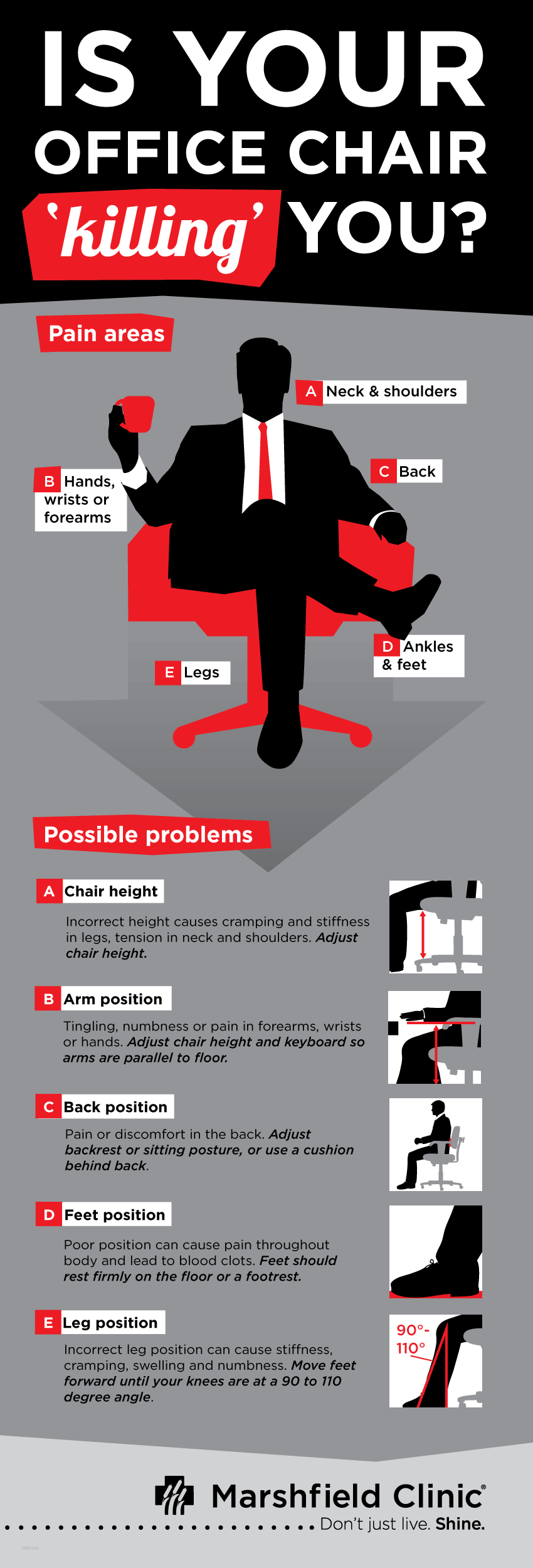
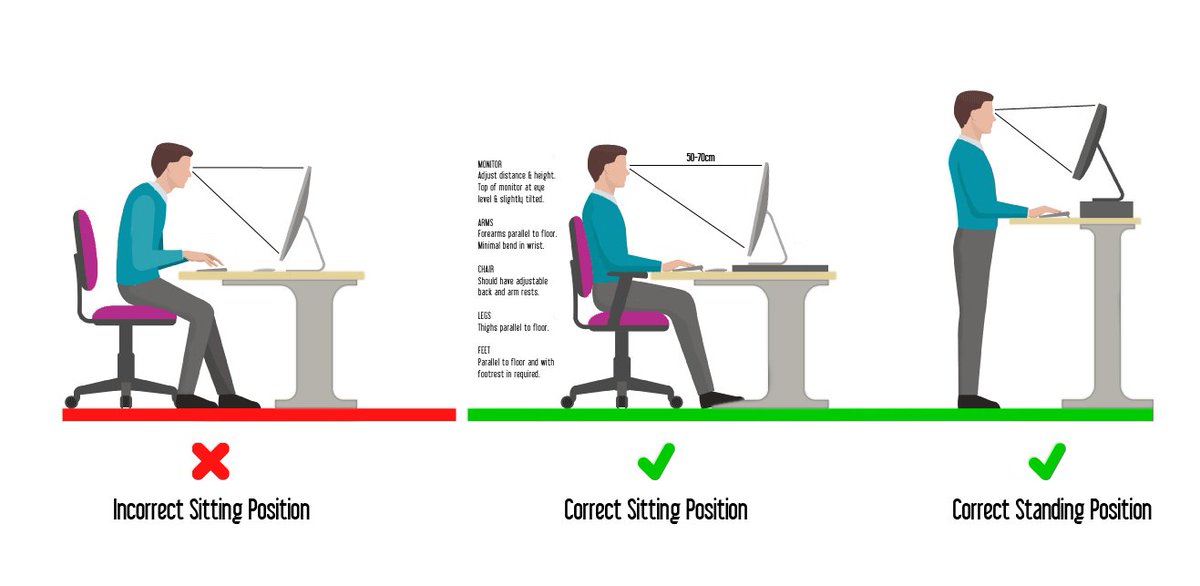
The proper footrest height keeps your knees and ankles near 90 degrees. Your hips should be level with or a bit higher than your knees. Your feet should rest flat on the footrest, not on your toes. This lets your pelvis sit neutral and your low back keep a gentle curve. It also protects blood flow to your lower legs.
Here is a quick guide for most people:
- Hips: level with or 1–2 inches higher than knees.
- Knees: 90–110 degrees. Avoid sharp bends or too much extension.
- Ankles: near 90 degrees. Toes point forward. Heels supported.
- Thighs: mostly supported by the seat without pressure at the back of the knees.
- Feet: fully supported by an ergonomic footrest without reaching.
If you are shorter and raise your chair to reach your desk, a higher footrest is key. If you are taller and your feet plant flat on the floor, you may not need one. The right height depends on your chair, desk, and body.
How Incorrect Footrest Height Causes Back, Knee, and Leg Pain
When the footrest is too high, your knees rise and your hips drop. Your pelvis tilts back. Your low back rounds. This can lead to lumbar strain and a slumped posture. Pressure forms behind the knees. Blood flow slows. Your calves and feet may tingle or get numb.
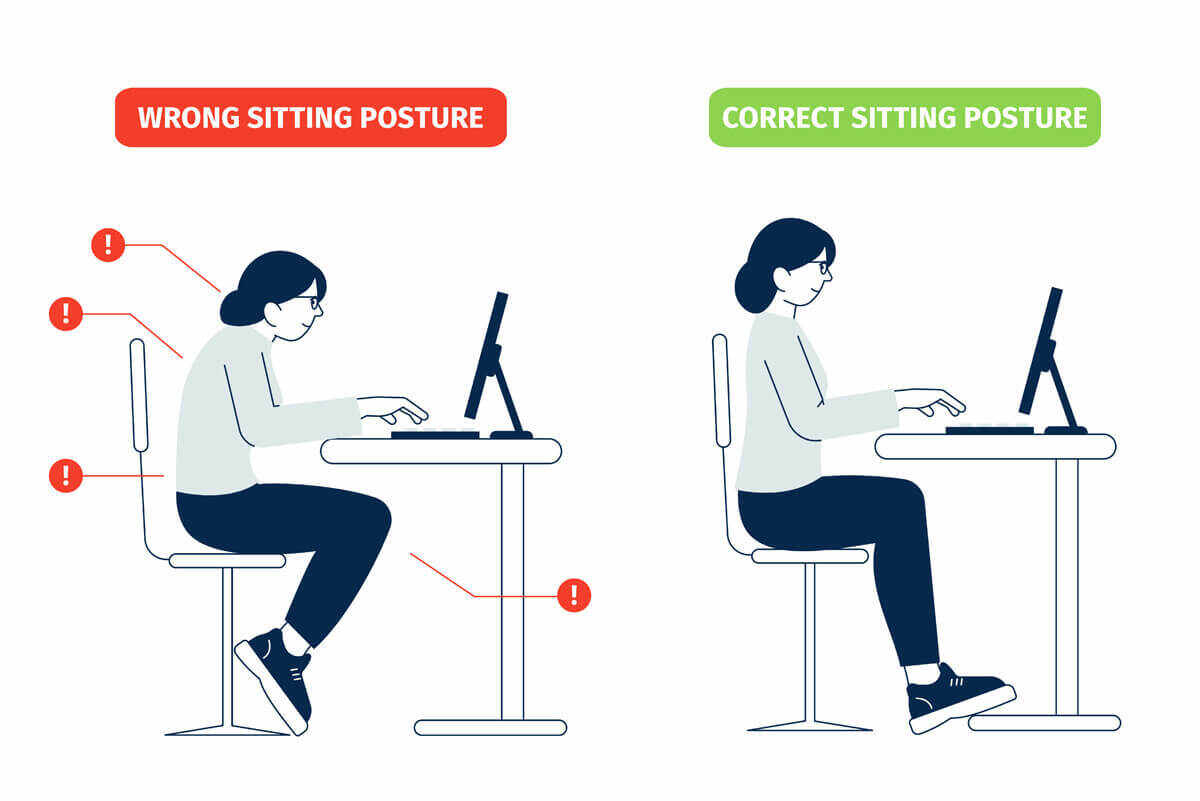
When the footrest is too low, your feet reach down or hang. Your hamstrings pull on your pelvis. That can tilt your pelvis and stress your low back. Your quads and hip flexors may work hard to hold your legs up. This can cause front thigh pain and tight hips. Low support also makes you shift and fidget to find relief.
Static posture is another factor. If your feet are set too far forward, your shin angle opens. This may lock your knees and tighten your calves. If your feet sit too close, your knees flex a lot. That can strain the knee joint and compress the back of the thigh. In both cases, your back picks up the slack.
Common Footrest Height Mistakes People Make
It is easy to get footrest height wrong. Many people set it once and never check it again. Others use stacks of books or a box. These are not stable and often sit at the wrong angle.
Frequent mistakes include:
- Using a footrest like a stool, with toes down and heels off.
- Setting height for heeled shoes and not adjusting for flat shoes.
- Raising the chair for desk height but not raising the footrest to match.
- Placing the footrest too far away so legs straighten and knees lock.
- Choosing a footrest with no tilt or texture, so feet slip.
- Using a fixed block with no adjustability, which limits fine tuning.
- Ignoring body changes during the day, like leg swelling or shoe swaps.
A good ergonomic footrest should adjust in height and tilt. It should sit close enough for your shins to be near vertical. It should help you keep a neutral, relaxed posture.
Signs Your Footrest Height Is Causing Pain
Your body whispers before it shouts. If your footrest height is off, the signs build slowly. You might not blame your feet at first. Pay attention to these clues.

Common signs include:
- A dull ache in your low back by mid-day.
- Stiff knees when you stand up from your chair.
- Numb toes or tingling in the feet or calves.
- A burning feeling along the shins or outer thighs.
- Restless legs that need to move often to feel okay.
- Red marks or pressure lines behind the knees after sitting.
- One foot drifting to the floor to “take a break” from the footrest.
A quick test: Sit tall. Place both feet on the footrest. Take a slow breath. If your shoulders drop and your low back feels lighter, you are near the right height. If you feel pressure in your knees or a pull in your thighs, adjust the height and try again.
How to Adjust Footrest Height Properly
Set your chair first, then your footrest. The goal is a neutral spine and easy support under your feet. Follow these steps to find the proper footrest height.
- Adjust chair height for your desk setup:
- With your arms by your sides, bend elbows about 90 degrees.
- Raise or lower the chair so your forearms are level with the desk.
- Keep shoulders relaxed and down.
- Check hip and knee levels:
- Sit back so your hips reach the back of the seat.
- Your hips should be level with or slightly above your knees.
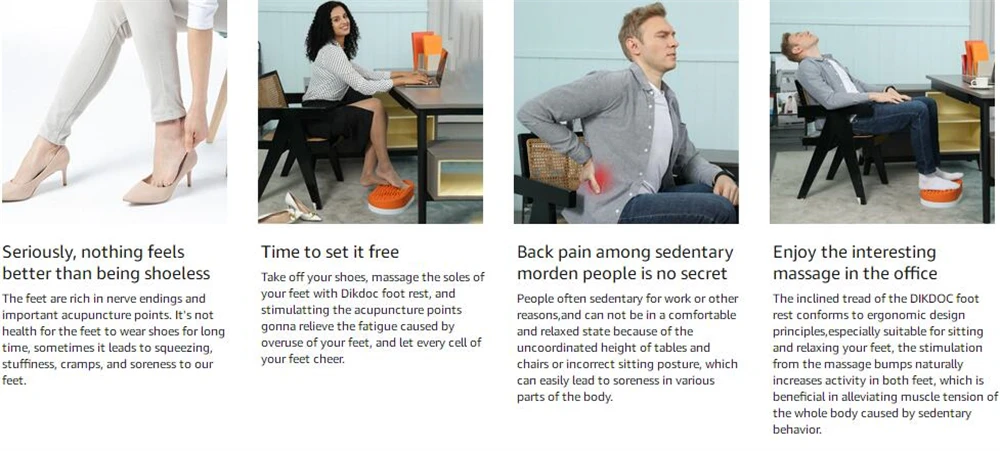
- Place and set the footrest:
- Position the footrest close to your chair, not far forward.
- Set height so your feet rest flat and your ankles are near 90 degrees.
- Adjust tilt so the platform supports your whole foot, not just toes.
- Fine tune:
- If you feel pressure behind the knees, lower the footrest slightly.
- If your back rounds, try a bit more height or tilt.
- If your knees lock, bring the footrest closer and raise it a little.
- Check comfort as you work:
- Try a few postures through the day: feet flat, gentle rocking, slight tilt.
- If you change shoes, recheck the height.
- Stand up and move at least once each hour.
Tip for laptop users: Use a laptop stand and external keyboard. Raise the screen. Then set your chair and footrest. This keeps your neck and back in line.
Can a Footrest Make Pain Worse If Set Incorrectly?
Yes. A footrest can make pain worse if the height or angle is wrong. Too high can compress the knees and round the back. Too low can pull on the hamstrings and tilt the pelvis. The wrong tilt can strain ankles. Over time, the strain adds up.
You may not need a footrest if your feet sit flat on the floor and your hips and knees are aligned. But if you must raise your chair for desk height, a footrest is vital. It fills the gap under your feet and keeps your spine neutral.
Watch for these red flags:
- You feel more back pain after adding a footrest.
- Your toes or heels bear all the weight.
- Your knees feel locked or very bent.
- You only use one foot on the footrest to feel stable.
If you see any of these, reset your setup and follow the steps above.
Best Adjustable Footrests to Avoid Height-Related Pain
The best footrest is the one you can adjust fast and often. Your needs change by the hour. Good footrests let you change height and angle without a fight. They feel stable but allow gentle movement.

Look for these features:
- Height range: At least 3–6 inches of adjustment.
- Tilt range: 0–30 degrees or more for ankle comfort.
- Non-slip surface: Textured top to keep feet stable.
- Stable base: Won’t slide on carpet or hard floors.
- Rocking option: Lets you move your ankles and boost circulation.
- Wide platform: Fits both feet with room to shift.
- Edge design: Soft front edge to avoid pressure under the toes.
- Quick adjust: Hand or foot lever you can use while seated.
Types to consider:
- Tilting platform footrests: Great for most desks and chairs. They support flat feet and easy ankle motion.
- Rocking or dynamic footrests: These allow gentle movement. They can help restless legs and blood flow.
- Foam wedges: Light and soft, but pick a firm model. Make sure it is high enough and does not compress too much.
- Under-desk bars or rails: Good for small spaces. Ensure they do not force your feet too far forward.
Real-life desk scenarios:
- If your desk is fixed and high, raise your chair and use a higher footrest with tilt. This keeps your shoulders down and your spine neutral.
- If you switch between sneakers and dress shoes, pick a footrest with quick height change. Re-check height when you change shoes.
- If you like to recline a bit, keep the footrest close so your knees do not lock. A rocking footrest can help you move without strain.
Remember, “ergonomic footrest” is not a magic term. The setup must fit your body. Test and adjust until your legs feel light and your back feels supported. A footrest for back pain only helps when the height and tilt are right for you.
Conclusion
Foot support shapes your whole posture. Incorrect footrest height can cause back, knee, and leg pain, even if your chair is great. Set your chair for your desk first. Then raise or lower the footrest so your hips and knees align and your feet rest flat. Keep your ankles near 90 degrees. Place the footrest close. Adjust often as your work and shoes change. Small tweaks bring big relief.
Use the steps above to tune your footrest today. Your back and legs will thank you. If you feel pressure or numbness, stop and recheck the height. With the proper footrest height and a few posture habits, you can sit with less pain and more focus.